

Category Archives: Blogging for good health!

Longevity

Nothing like good jeans!

Wait! Not those jeans – I mean genes.

We all want good genes so we can live long, healthy lives, right?

I’ve used the expression, “keeping the wolf on the other side of the door,” to describe how we can avoid inherited tendencies for disease by adopting life-style choices favorable to health.

This is another way to describe regulating our gene expression. The study of changes in gene expression not caused by changes to the DNA itself is called epigenetics.

Very heady stuff – and certainly hopeful for those with genes leading to health issues.

Dr. Eric Topol, a leading cardiologist who is now working with the California-based Scripps Research Translational Institute, enrolled people who were healthy and 85 years old and older in a research project, (“A Doctor’s Science-Backed Formula for Aging Better,” May 8, 2025, at the WSJ) that is now twenty years old.

In addition to their advanced age, participants had none of the common age-related diseases of cancer, heart disease, and neuro-degenerative disease.

He was studying the genes of these ‘super-agers’ to determine if they had genes that would lead to any enhanced abilities to maintain their health longer.

Meh. Not so much.

Their genes were not remarkable for anything that would set them apart from others!

But they were different from others of similar ages in that they were thinner, exercised more, and were better educated. They maintained an active lifestyle – even at advanced ages.

This has caused Dr. Topol to modify his lifestyle in the areas of exercise, sleep, and diet. Today, we will touch on exercise.

Dr. Topol is almost 71 years old and wants to be a super-ager. He is making the biggest changes with his exercise routine. Citing his study, he sees exercise being the #1 most important thing we can do to favor a long, healthy life.

Previously, he relied heavily on aerobic exercise; but these studies showed that resistance training was also a key ingredient. He now incorporates resistance training using bands to round out his routines – along with balance and strength training.

See our recent article in FoodTalk4You about simple balance training (Flamingo Style – April 4, 2025).

Because of these modifications, he says he is stronger and fitter than he has ever been.

Not long ago, a Physical Therapist on the Today Show video spoke about four target categories of exercise that will improve strength and mobility as we age:

Endurance – as in walking with the goal of gradually increasing distances.

Flexibility – which will help with common complaints of low back pain. Accomplished with simple stretches.

Balance – take standing on one foot and adding arm movements.

Functional Strength – through squats and lunges.

You can view examples of each exercise by clicking on the link above.

We will be covering more about Dr. Topol’s findings, and how Dana Santas – a health and wellness expert from CNN – has simplified adding exercise into daily life in the coming weeks.

In the meantime, your’s truly got up and left writing this post to go to the gym, where I chanted, “This is endurance,” as I worked up a sweat on the treadmill! Along with, “Take THAT cholesterol!” and, “Go stronger bones, go!”

Following my own advice and feeling in control!

In health –

Deidre
The Kindest Thing

Here you thought I had written the last about kindness a couple weeks ago, but something came my way I just had to share.

This inspiration came from a quote James Clear included in his 3-2-1 Newsletter. His weekly missive is golden and inspires my work and life habits to this day. You should check it out.

James Clear, as it would have it, was the one who inspired me to start foodtalk4you and shared how to do it! Thanks, James!

Without further ado, here is the quote from an interview that brought tears to my eyes:

Investor Rick Buhrman on the kindness of mastering your craft:

INTERVIEWER: What is the kindest thing that anyone’s ever done for you?​

BUHRMAN: … our oldest son, Theo, who just turned seven, spent the first six months of his life in several NICUs. He was eventually helicoptered to Indianapolis at Riley Hospital for Children. And while we were living in that NICU for almost a half a year we saw a lot of kids who passed away. Most of those kids were not as sick as Theo was.

I don’t know exactly why Theo survived, but I know that a major part of how he survived was because for several decades leading up to that moment, numerous nurses, nurse practitioners, respiratory therapists, doctors, surgeons had committed themselves wholeheartedly to mastering their craft. I can give you tons and tons of examples of these people. And I know that in the moment, it wasn’t necessarily viewed as kindness.

But maybe in some sense, the kindest thing that all of us can do is to pursue something radically that in some way is in service to others, because you just don’t know how it’s going to change the trajectory of human life. And so for all of those medical practitioners, none of whom I’m sure are listening to this, I owe everything to, because they gave me the gift of being Theo’s dad.

Source: Invest Like the Best

If you are pursuing or have pursued “something radically that in some way is in service to others” – thank you so much!

Medical professionals, teachers, ministers, farmers, scientists, researchers, police and emergency personnel – the list goes on and on. The librarian who helped you may not have saved your life, but the book you were guided to may have changed the trajectory of your life.

May we all be reminded to acknowledge others’ dedication to years of training and diligent study to be able to apply their expertise in making our lives better – or even happen at all.

What a beautiful thought: being in the trenches honing your helpful craft is really one of the kindest things you may ever do.

Have you ever thought about kindness that way before?

In health and feeling inspired to press on with getting Toolkit for Caregiver Emotions out there

– Deidre

“Oops! After joyfully creating a thank you letter to you – our dear subscribers – and putting it into the system that sends them out, we awoke red-faced the next day when realizing that the part of the program that personalizes each email with the recipient’s name was not properly set up. 

As a result, readers were addressed by “Dear [First name or Friends]”. Good grief. Our trusty editor, Sheree, dove back into the mailing program to straighten out the glitch and she resent the letter to all of our subscribers, properly addressed!

Sorry for the confusion. Sheree probably has no hair left, I’m sure. Next time you get a note from us, it will be addressed to YOU! 

Patience

“What do we want?”

“Patience!”

“When do we want it?”

“NOW!”

I, and so many of you, have been patiently – and not-so-patiently – waiting for Toolkit for Caregiver Emotions to make its appearance.

My older, wiser self knows that sometimes delays are for the best. This is one of those times. I regret the false starts, but the version that will be published this summer far outshines its earlier iterations.

When dealing with caregiver emotions, I just had to do my best by making this important book as complete as possible. It was living on that roller coaster of caregiver emotions that was the most challenging part of my journey in trying to give my best to my husband while he was in hospice.

While there is no one story to the caregiving experience, there are many common threads to the unique tapestry of what we experienced. Whether it’s a temporary caregiving situation involving recovery or a long-term one, caregiver’s emotional responses can often be triggered after just a day of caregiving.

Later this month, when I am holding a proof copy of the Toolkit for Caregiver Emotions book, I will be sending out links to people who want to join being in on the excitement of the launch team! Participants will have a behind-the-scenes view of the launch process and can assist in its success by:

Buying a copy of the book at a special limited time discount and leaving a review on Amazon, or

Reading a free PDF of the entire book and leaving a review on Amazon, or

Reading a free 2-page summary and leaving a review on Amazon

Reviews are crucial for the actual launch of the Kindle version (seven weeks later) because advertising and promotional sites want to see lots of reviews, and people searching for books look at reviews before making the decision to buy.

Reviews can be as simple as five stars; but it’s best to also leave an honest review in words. I will give you a couple of ideas on how to painlessly write a very short review using a template.

If our FoodTalk4You readers think they might be interested in supporting the launch of Toolkit for Caregiver Emotions, please leave a comment or email me at Deidre@deidreedwards.com for more information.

Below is a PDF containing a collection of snippets taken directly from the book. I hope you enjoy it!


In health –

Deidre
Kindness – Part 3

Listen – It’s a thundering herd of hard-charging RAK!

Stressed out?

On your last nerve?

Depressed?

Your ‘get up and go’ is gone?

What we need is some RAK!

You know … RAK: Rampaging Alpaca Knights
A secret society of armor-clad alpacas who charge into battle wielding pool noodles and spreading chaos — and cuddles — wherever they go.

Well, maybe not. But that sounds really cool!

We’re wrapping up the kindness series with the benefits of kindness on the whole body-mind-spirit – and that includes making a habit of Random Acts of Kindness (RAK).

I love learning the science behind most anything. Like when I share in my next book, Toolkit for Caregiver Emotions, about how naming the emotions we are feeling helps to tame them – all because a different region of the brain is being fired up to find the correct label we want.

So here we go! Here’s an excellent round up of why being nice to others not only helps them, but also helps us!

The science behind the benefits of being kind:

Recipients of kindness can feel loved.

Recipients and givers of kindness can experience a sense of awe when they think about profound acts of love or virtue.

Whether you are a recipient or giver or merely just a witness, you can feel the benefits of an increase in oxytocin. Oxytocin is commonly called the “love hormone” and this helps to lower blood pressure, improve overall heart health, increase self-esteem and optimism.

Kindness can increase the feeling of strength and energy due to helping others.

Kindness can also make one feel calmer.

Less depressed.

Increased feelings of self-worth.

For those that volunteer their time or money for charitable causes, they often have fewer aches and pains.

Kindness is most similar to a medical anti-depressant. Kindness pushes your body to produce serotonin, which is commonly known as the “feel-good” chemical that provides healing and calming feelings.

Kindness decreases pain, by generating endorphins (the brain’s natural painkiller).

Stress, it has been shown that people who are more kind, have 23% less cortisol (the stress hormone) and age slower than the average population.

Anxiety – The University of British Columbia did a study on a group of highly anxious individuals in which they performed at least 6 acts of kindness a week. After one month, there was a significant increase in positive moods, relationship satisfaction, and a decrease in social avoidance in socially anxious individuals.

Depression is reduced, mortality is delayed, and well-being and good fortune are improved when we give of ourselves.

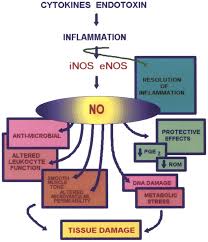
Lowering blood pressure from giving acts of kindness, creates emotional warmth, which releases a hormone known as oxytocin. Oxytocin causes the release of a chemical called nitric oxide, which dilates the blood vessels. This reduces blood pressure, and therefore, oxytocin is known as a “cardioprotective” hormone. It protects the heart by lowering blood pressure.

Sources: Cassidy & Shaver, 2008; Mikulincer & Shaver, 2007; Keltner & Haidt, 2003; The Random Acts of Kindness Foundation, n.d; Stephen Post, Case Western Reserve University School of Medicine.

————

Don’t you find this to be true?

I’ve found that when I shift my focus away from myself, even for a moment, doing something kind or helpful for another person — or even an animal — ends up benefiting me almost as much as it does them.

Watch Mark Kelly, below, as he shares how his habit of Random Acts of Kindness spread to his office cohorts. You will adore his Irish accent!

In health and in search of some alpacas with pool noodles –

Deidre

Next week, I’ll be sharing a few sneak peeks from my new book, along with an invitation for anyone interested in helping out with the launch process to get involved.

Our subscribers can count on not being bugged with pop-ups or endless sales emails. When we send you something, it’s the link to our weekly blog – or occasionally – a thank you containing additional useful information. Reach out to me in the comments below or email me at Deidre@deidreedwards.com – your questions and comments are always appreciated!

Kindness – Part 2

Missing Piece

Jigsaw puzzles can be incredibly therapeutic.

As we sort through the scattered pieces laid out before us, they can become many things — a source of calm, a sense of control, and a way to create order and wholeness from chaos.

Consider how puzzles can help with:

Teaching discernment to a child as you point out variations in shape and color

Providing distraction and an opportunity for a sense of control as pieces are being fit together, and

Creating opportunities for celebration when that missing piece is discovered.

That missing piece can also become an entire mindset for successful and fulfilling living!

What?

Today’s brief post is centered around your viewing of this video by Orly Wabah, below, about the Power of Kindness.

There are numerous take a ways from her message, and with each viewing, I become inspired by a different aspect.

For today, may the knowledge that each of us is a piece of this jigsaw puzzle of life, and that we have a unique shape and role to play that – quite literally – holds the rest of the puzzle together.

Life needs each of us!

Orly describes how the realization of her neglected personal dreams had kept her from putting her unique puzzle-piece-self into the puzzle of life.

When she stopped listening to her detractors and the negative circumstances found in her life – and she started focusing on kindness – she began to change herself and the world.

Let me know what you think of Orly’s message. She mentions her project, Life Vest Inside – seen below – and has inspired people around the globe.

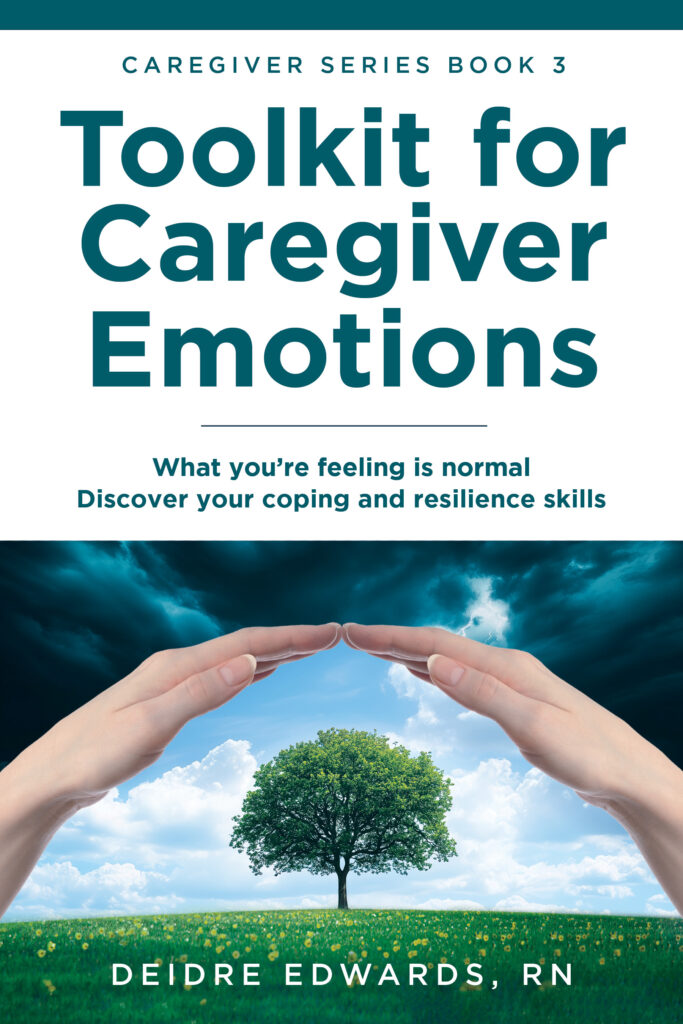
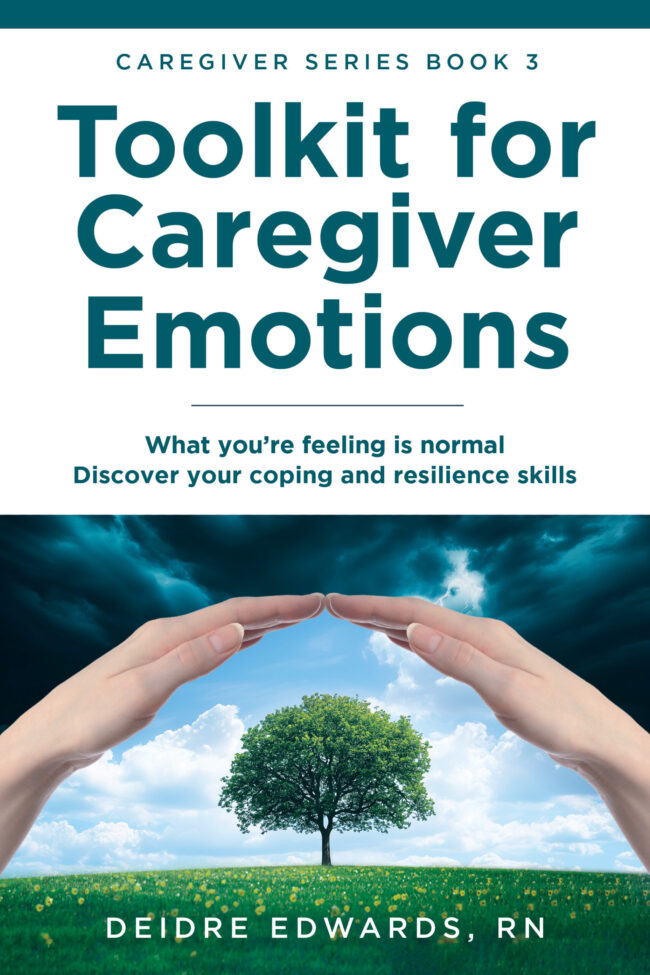
News break! Toolkit for Caregiver Emotions is inching closer to publication! We are polishing up the final interior formatting and the book cover is set! Here, for the first time – ta-da! – is a look at the third book in the Caregiver Series:

I’ll be reaching out to you soon with details about the launch — including how you can be part of it! These are exciting times, and I truly appreciate your patience throughout this roll out. I wanted to make sure this was the best it could be for you, and I believe it will be worth the wait. Plus, the free downloadable packet includes awesome bonus materials not found in the book!

Our subscribers can count on not being bugged with pop-ups or endless sales emails. When we send you something, it’s the link to our weekly blog – or occasionally – a thank you containing additional useful information. Reach out to me in the comments below or email me at Deidre@deidreedwards.com – your questions and comments are always appreciated!

Kindness – Part 1

Amazing!

It’s amazing how going to the emergency department with a loved one in the wee hours of the morning — and staying with them through a three-day hospital stay — can suck every ounce of energy out of me.

We had both become our own version of the walking wounded.

Even with improving outcomes already evident and more on the horizon, we just don’t bounce back — full speed ahead.

Today, back at home for two days, we were continuing to treat ourselves with compassion and low expectations.

Seated in my home office, my immediate goal was simply to clear out four days of emails — nothing more.

When I opened one from a favorite, trusted resource and followed the summaries and links, I found such inspiring content that it sparked the energy to begin creating a new series for you —focused on kindness.

Each of these missives will be brief because there will also be a video to watch or an exercise to follow that will flesh out my message.

That afternoon, there was zero energy in my body, mind, or spirit. Midway through deleting emails, I even looked up and said “Yes!”, which provided a little more forward motion, but – today – I needed something more.

I needed a warm, fuzzy hug to my soul.

What I discovered was just that. I found deep self-compassion, personal peace, healing, and inspired energy!

Here’s what to do: find a quiet space, click on this Loving Kindness Meditation, and experience a total reset in 13 minutes and 25 seconds.

Loving kindness meditation:

Hearing ourselves say the words of this meditation out loud provides another sensory way to absorb its meaning. I know you may want to refer to these words when not following the video, so Sheree has prepared a free printable download for you below.

Once you follow along with the meditation video, I hope you will agree that it can serve as an approach to regular warm, fuzzy hugs for ourselves and others.

In health –

Deidre
Our subscribers can count on not being bugged with pop-ups or endless sales emails. When we send you something, it’s the link to our weekly blog – or occasionally – a thank you containing additional useful information. Reach out to me in the comments below or email me at Deidre@deidreedwards.com – your questions and comments are always appreciated!

Activity vs Exercise 

Yes, but I’m active!

Time for true confessions.

I am strongly inclined to being active. I am not strongly inclined to formal exercise.

I walk fast – even from room to room at home. Outdoors, if I walk slowly to match the pace of someone else, it feels exhausting to me – add some speed, and I am happy.

My workspace at home is upstairs. I happily go up and down those stairs a dozen times a day or more.

Sitting for long periods without getting up? No! Keeping up with regular breaks to move around is easy!

Move heavy boxes and do yard work? Sure!

Touching toes? Done!

Planks? Can do!

Stand on one foot? Absolutely – but best with my eyes open! (see post on 8 April about Flamingos).

Planning my day around vigorous exercise at the gym, getting sweaty, and needing another shower … not so much since I moved into my new house.

But bone density issues and a rise in cholesterol numbers this past year do not lie.

I had allowed myself to hold onto the false idea that being active and nimble would, at least, keep the wolf on the other side of the door. Not so much.

The NIH put it this way (bold print is my emphasis):

Physical activity is defined as any bodily movement produced by skeletal muscles that results in energy expenditure … Exercise is a subset of physical activity that is planned, structured, and repetitive, and has as a final or an intermediate objective the improvement or maintenance of physical fitness. Physical fitness is a set of attributes either health – or skill-related.

And Britannica points out:

Exercise is a component of physical activity. The distinguishing characteristic of exercise is that it is a structured activity specifically planned to develop and maintain physical fitness. 

(Over the centuries…) Although the level of general physical activity has declined, most observers feel there have been increases in exercise participation in many countries since the late 1960’s.

So, I’ve returned to the gym, and now I use visualization techniques to stay motivated —imagining myself knocking out cholesterol molecules with every elevated heartbeat on the treadmill, and strengthening my bones with each added weight or resistance exercise.

Bam! Bam!

Build! Build!

It feels like a construction zone. And it is.

Don’t be lulled into thinking being nimble, agile, and generally active will replace … ugh … getting sweaty at the gym!

I already needed to rinse off after that two-mile walk this morning – guess I’ll wrap up the day with a stint at the gym before heading to the showers.

Gotta slay more cholesterol and strengthen those bones!

In health and sweat –

Deidre

If you liked this post, you can share it by using the options under the MORE button below. Yes, but I’m active!

Dutch Dementia Care

It takes a village

Have you noticed the growing trend of planned urban developments in cities? These are neighborhoods intentionally designed so that housing, dining, entertainment, shopping, and even workspaces are all within walking distance.

This approach is becoming increasingly popular because it not only offers convenience for residents, but also helps reduce overcrowding in other parts of the city, by creating new amenities to support these communities.

With the silver tsunami of Baby Boomers hitting retirement age – coupled with the alarming rates of dementia and Alzheimer’s Disease on the rise – the Dutch have created an attractive alternative to standard assisted living facilities using the model of a planned community.

Here in the United States, I am familiar with a special form of assisted living called residential assisted living, which uses regular looking houses you would see in any kind of neighborhood.

My mom was fortunate enough to live in one for several years. Driving by that house, you would never know that six seniors lived there – each one surrounded by their own possessions in their own room – and being cared for by staff 24/7.

The Dutch have taken the residential care concept – and that of planned urban developments – to a whole new level

In this plan, all homes have six residents who need assisted living for dementia care. With fewer people and activity, a calmer home-like atmosphere is created.

As a former RN working in long term care facilities, I can remember how difficult it was for our confused patients to negotiate long, sterile corridors, and to take their showers in large, cold, tiled shower rooms, where sounds echoed off the walls – only adding to their agitation, confusion, and fear.

The creators of this dementia village in the Netherlands value their residents as people with goals and aspirations, not just people with a diagnosis of dementia.

Want to go for a walk? The pathways are safe; there is no way to get lost, and the perimeters are secure.

Want to go to a restaurant, a store, or the movies? The staff in each are trained in dementia care and know what to do.

They have created their own care village!

This is such a commonsense approach to a growing concern around the world. Part of the hesitancy of families to use long-term care involves the institutional feel of facilities. A village of homes with safe access to amenities just a walk away, honors the residents and can give comfort to the families.

Maybe some of our FoodTalk4You readers know of people in urban planning and long-term care planning who could study this approach.

In health –

Deidre

That’s our cue to share this post using the options under the MORE button below.

Sharing With A Purpose

There must be a lot of discontent at the workplace.

The self-publishing group I am using to get Toolkit for Caregiver Emotions launched on Amazon has an author Facebook page we use to celebrate milestones, build launch teams, and ask questions.

Just after I finished reading an advanced copy of a book about escaping the dissatisfaction of a typical job through personal discovery and finding a passion-driven career, I was invited to join the launch team for another book with a similar message, but a different approach.

Feelings of lack of fulfillment at work can become all consuming, creating a sense of drudgery and feeding poor attitudes. I have walked that path; have you?

How does anyone discover their passion and purpose?

Sages have long advised us to, “know thyself,” and, “to thine own self be true,” but many people are so focused on simply staying afloat, they rarely stop to consider whether the work that brings in their paycheck has any real connection to their true calling.

After taking a personality assessment or two …

Myers-Briggs Type Indicator, MBTI — Categorizes people into 16 personality types based on preferences like introversion/extroversion, thinking/feeling, etc.

DISC Assessment — Focuses on behavior styles, divided into Dominance, Influence, Steadiness, and Conscientiousness.

StrengthsFinder, now CliftonStrengths, — Identifies a person’s top talents and strengths.

Values in Action, VIA, Character Strengths Survey — Focuses on positive psychology and identifying a person’s key virtues and strengths.

People who want to hone in on their natural strengths to find a purpose, still need to spend time mindfully evaluating what brings them happiness and why.

‘What’ followed by ‘why’…’why’…’why’

There’s a one-two punch that can help people gain clarity in discovering their unique purpose based on their answers to a ‘what’ question followed by – multiple – ‘why’ questions.

For example:

  • What part of your workday was the most fulfilling?
  • If someone shadowed you for a day, what would they say you’re great at?
  • What do people often come to you for advice about?

It’s fun to do this exercise, because after answering the what question, each subsequent why question seems to peel off another layer until the core value is revealed.

Funny, the inspirational seeds that grew into my first book, Toolkit for Wellness, were born from my answers to the last question above – and to all the ‘whys’ that followed.

If you are searching for clarity – really, about anything – then ask a what question about it and then start teasing away all the fluff through why questions to get at the core thought.

For additional what questions, GO HERE and for more information about starting with what, instead of why, check this out.

What do you do to share this post? Use the options under the MORE button below. Why do it? Because sharing is caring! Why? Because I’m always learning cool stuff on foodtalk4you and my friends need help, too!

In health –

Deidre
Just Take A Breath!

It’s so easy – we do it without thinking – and yet, while it’s basic to life, we each do it differently.

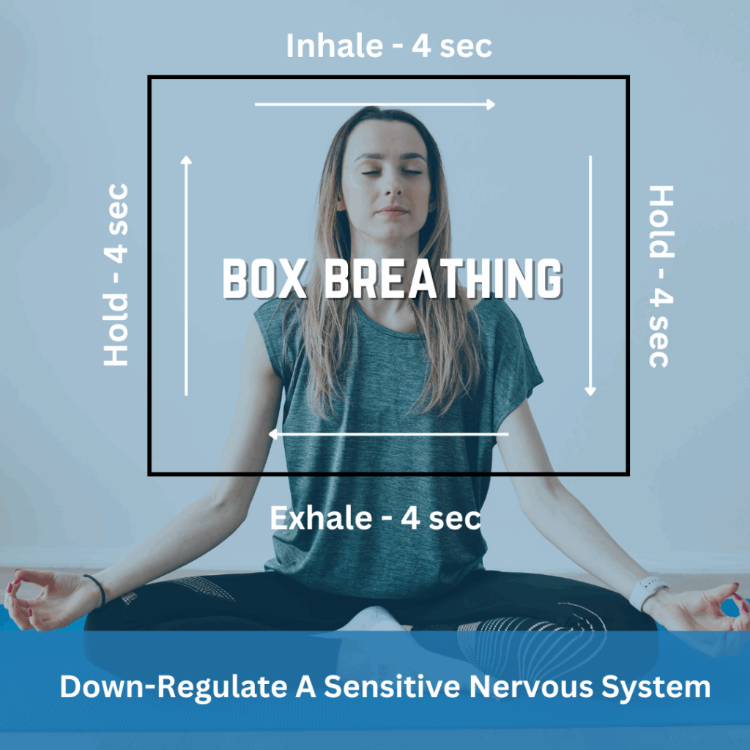
Just when I thought I fully understood breathing — and had written extensively about nose breathing, diaphragmatic breathing, and stress-relieving breath patterns — I’ve discovered yet another powerful detail: the vital connection between exhaling and its physical and mental benefits.

A chance purchase of my ‘Inhale Exhale’ wall sign is helping me stay grounded in such an amazing way.

Throughout the day, whenever I glance at its gentle message, I immediately relax while following its suggestion.

It’s yet another example of my saying, ‘Your mind believes what you tell it,’ being put into action.

This ever-present reminder to pause and inhale/exhale is helping me to slow down, take a breath, and return my thoughts to a place of peace.

Who doesn’t need that with today’s headlines?

But let’s dive into the physical and mental merits of a good exhale.

While reading and reviewing a book by a fellow caregiving author, A Hospice Chaplain’s Field Guide to Caregiving, by EM Hager, I learned an additional fact about the healing properties of a good cleansing breath.

Hager’s memorable quote sums it up: “Oxygen is food. Ineffective breathing is like starving at your own banquet.”

Are you breathing off the top of your lungs? Just treading water?

So much of our body’s regulatory processes depend on the effectiveness of our breaths. Not only are we taking in that vital oxygen, but we are getting rid of metabolic waste.

Did you know that our respiratory system is responsible for eliminating up to 70% of our metabolic waste? The other systems – skin, digestive, urinary – eliminate the rest.

The benefits of our cleansing breaths and diaphragmatic breathing are twofold: getting additional oxygen to our cells after we have made space for that oxygen by exhaling all our carbon dioxide.

Did you catch that?

To receive, we must first release the old and spent, to make room for the fresh and new.

This is a key mindset I am writing about in, Toolkit for Caregiver Emotions, (due out in a couple months), but is universally applicable to all.

We are constantly adjusting to changes requiring a release before we can embrace and move forward in a new way.

So, while I am reminded to exhale better so I can inhale more completely, I also realize that releasing projects, ways of doing things, or outdated mindsets, is critical to my success at doing things in a new way.

Are you breathing deeper now?

Let me know what else you are releasing other than CO2 in the comments.

In health as we exhale deeply –

Deidre

If this post was valuable to you, please share it using the options under the MORE button below. Thanks!