

More than any other time of year, I believe, the fall season is one with some of the most important to-do lists of all.
These lists will affect so much more than our immediate spheres and are so much more important than the usual lists we keep that remind us to pick up bread and milk at the grocery store.
Each one of these will have an immediate effect on our own health and welfare, with consequences that quickly ripple outward—even nationwide—through their protective influence and guidance.

In the United States, one of our unique list items is to vote – and to vote early – for the November 3rd mid-term elections.
We and our neighbors made a fun event of voting on the first day of early voting! With the exceedingly high interest in voting in this election, it is important to have a plan of when, where, and how you will cast your ballot. Lines on election day will undoubtedly be very long.
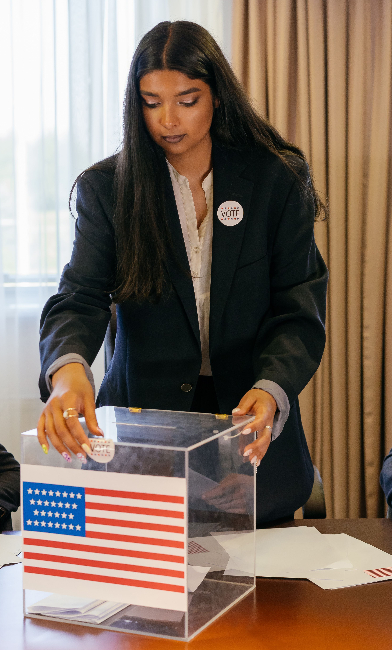
And – report any voting irregularities to your local elections board immediately. I placed a call to our board on our drive back home from voting. Not only were there political campaigners way too close to the voting entrance, but the ballot counting machine was not functioning! We were instructed to put our marked ballots into the locked box!
Beyond our voting, which affects our whole nation and its influence on the world, the next part of our to-do list concerns our personal health and the effect of our health status on everyone around us.
That list is for annual vaccinations.
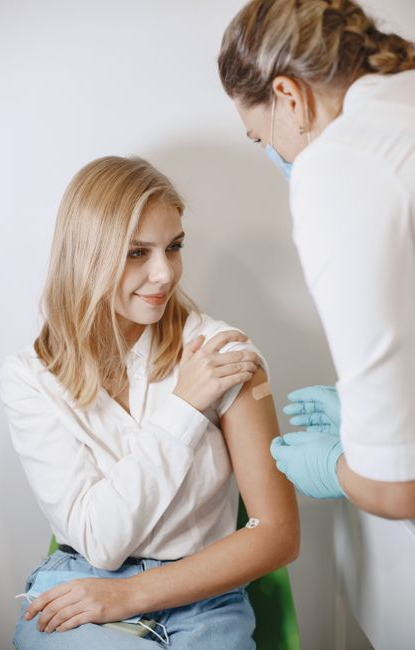
We proudly sported our Walgreen’s red band aid after receiving our recent flu vaccine earlier this month.
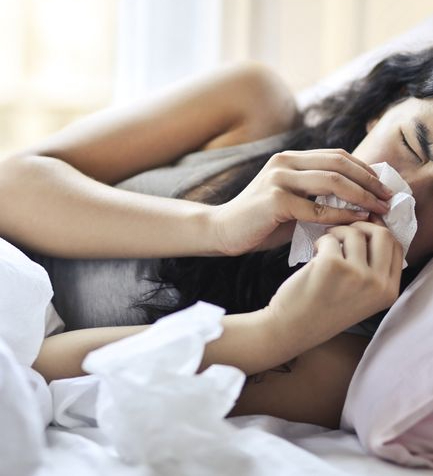
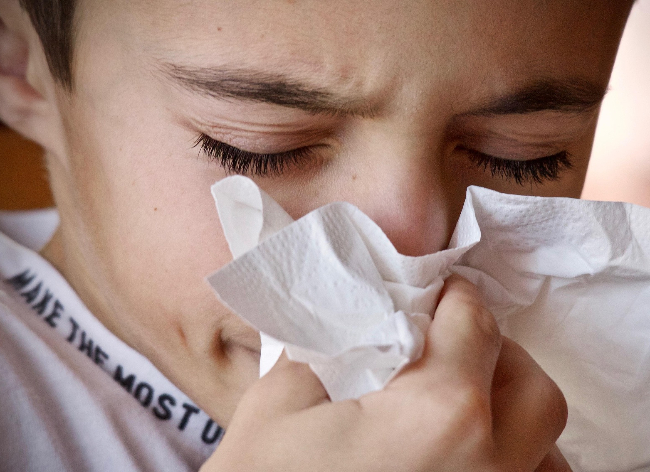
Flu can become much more than a temporary inconvenience as the figures from 2024-2025 show more than 45,000 flu-related deaths. We may not become seriously ill from the flu, but that elderly or compromised person breathing in our germs before we know what we have and isolate ourselves could easily die.
Same for Covid.
Other booster and protective vaccinations include:
Tdap/Td – which protects against tetanus, diphtheria, and pertussis (whooping cough). A booster is needed every 10 years.
Shingles/Shingrix – is a two-part series protecting from the severe and long-lasting effects of the painful shingles virus.
RSV – which is recommended for all children and some adults with specific high-risk conditions.
Pneumococcal – keep up to date with the latest type of vaccination (check with your doctor). Pneumonia causes over 41,000 deaths annually in the United States and is particularly dangerous to the elderly and health-compromised individuals of any age.
For your convenience, we are giving you a downloadable list containing an AI overview of all the AAP/AMA recommendations for immunizations for children, adolescents, and adults HERE:
There are ripples to all our actions – ripples that circle our world. Let’s make ripples of health as we protect ourselves and everyone around us by being current on our immunizations and by electing leadership that reflects the beauty, strength, care, and concern of our founding fathers.

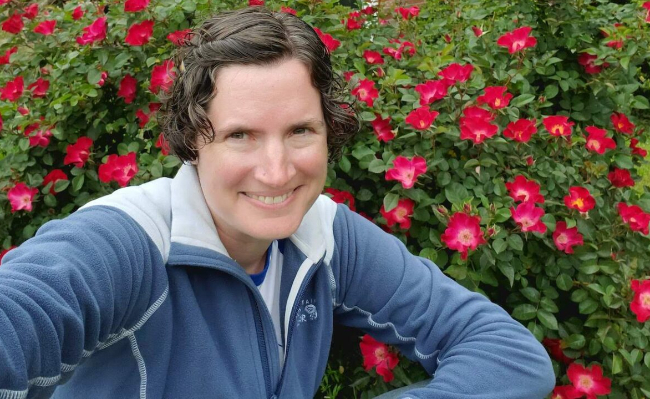
In health –
Deidre