Category Archives: Book Fair

Autoimmune Hide and Seek

When the experiences of a childhood game of hide and seek are applied to medical conditions, it’s no longer a fun game.  

Many of our foodtalk4you readers are familiar with their own frustrating experiences of medical hide and seek. An odd symptom here. A strange feeling there. Periods of, “I just don’t feel well.”  

Wondering if it’s “all in my head.”  

Feeling discounted by family, friends, and professionals who are thinking it is all in your head.  

We’re talking about the shadowy world of autoimmune disease.  

May is Autoimmune Disease Awareness Month, and I wanted to, once again, touch on the topic and highlight some general approaches that are applicable to all of us.  

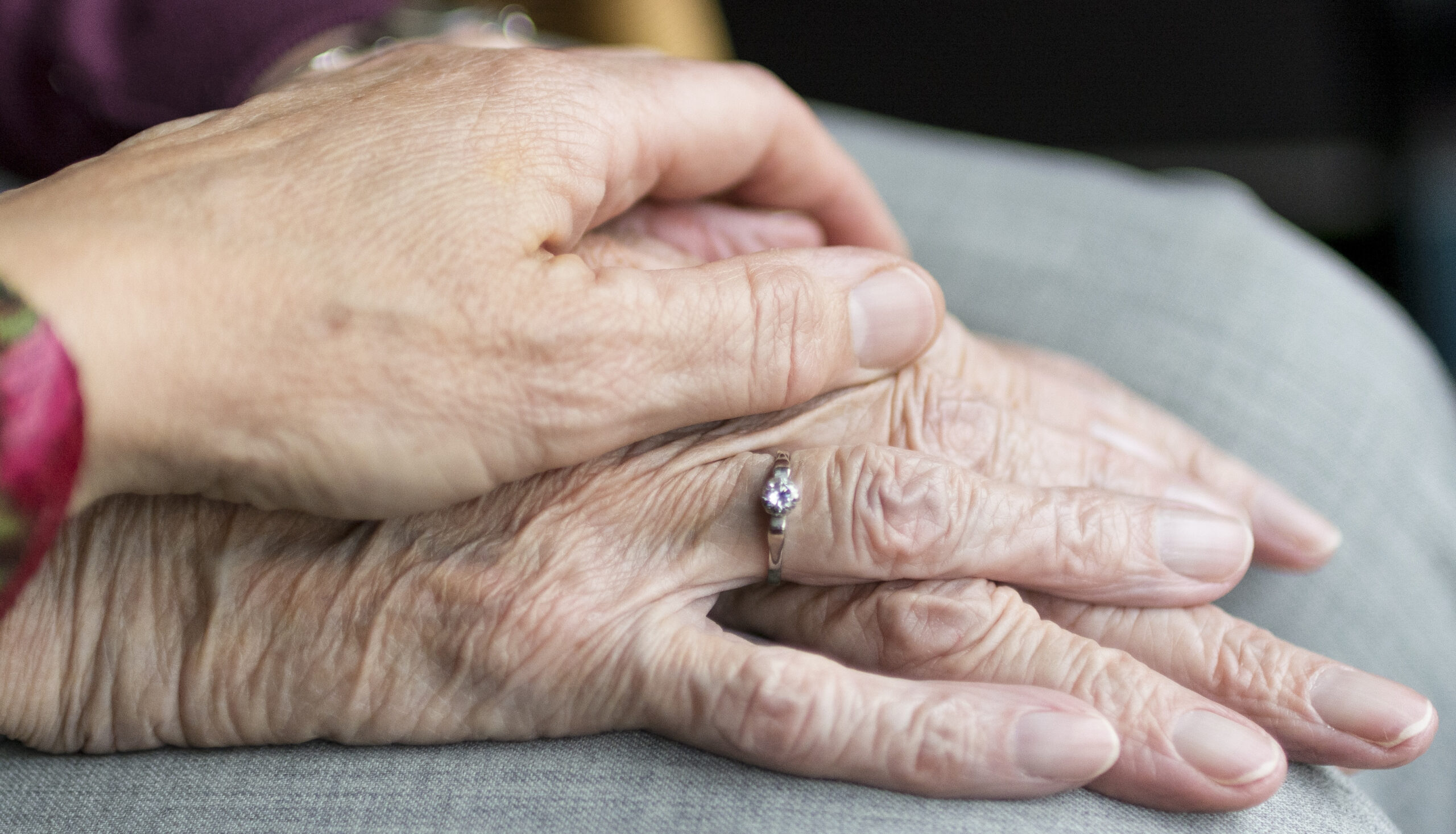
Millions of people live with autoimmune diseases, yet awareness remains surprisingly low.  Conditions such as Rheumatoid Arthritis, Lupus, Hashimoto’s Thyroiditis, Multiple Sclerosis, and Celiac Disease affect daily life in ways others may not see – symptoms are often invisible, unpredictable, and misunderstood.  

Autoimmune diseases can affect almost any part or organ system of the body and are often difficult to identify. Fatigue is one of the most common—and most disabling—symptoms many people experience.  

It’s not hard to see that autoimmune disease can thus impact more than the person’s body – it can also affect relationships, careers, caregiving responsibilities, and mental well-being.  

At foodtalk4you, our focus has always been on the lifestyle choices that support overall wellness for those with autoimmune disease, because these healthy approaches can benefit everyone.  

Consider:  

  1. Anti-inflammatory foods  
  2. Stress reduction  
  3. Improved sleep  
  4. Gentle movement  
  5. Reducing processed foods  
  6. Identifying food sensitivities  
  7. Mindfulness  

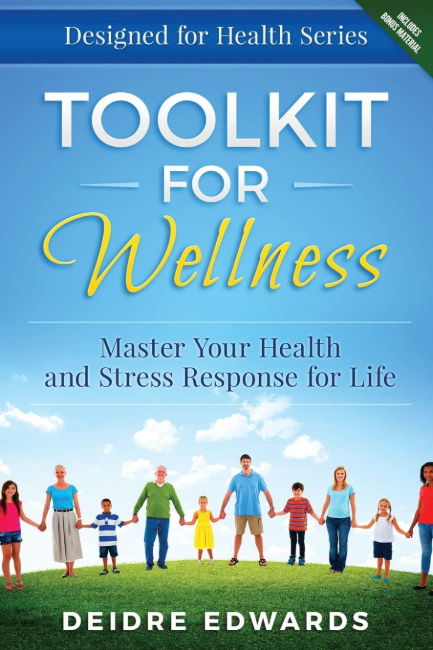
This reads like the table of contents to my first book, Toolkit for Wellness. I call such an approach an ‘Anti-inflammatory Life.’ 

To manage an anti-inflammatory life, consider adopting an anti-inflammatory diet with these guidelines:  Focus on whole foods, including fruits, vegetables, whole grains, and lean proteins.  

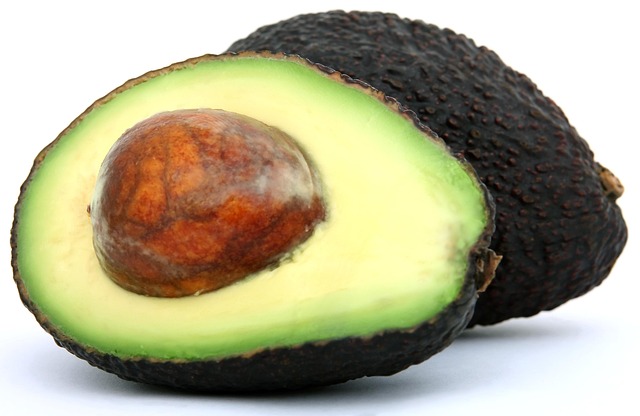
Incorporate healthy fats, such as olive oil, avocados, and nuts, to reduce inflammation.  

Limit processed foods, refined sugars, and trans fats that can trigger inflammatory responses.  

Include omega-3 fatty acids from sources like fatty fish, flaxseeds, and walnuts.  

Stay hydrated by drinking plenty of water and herbal teas.  

Consider eliminating common allergens like gluten and dairy to identify potential triggers.  

Our greater awareness can lead to:  earlier diagnosis  better support systems  reduced stigma  more compassionate workplaces and families .

Sometimes the most meaningful support begins simply by believing someone when they say, “I don’t feel well,” even when they look fine on the outside.  

Take time to listen and just be there, supporting them with your presence.  

If you are playing hide-and-seek with symptoms and answers, continue to embrace an anti-inflammatory lifestyle, as you also approach your health care provider with questions about auto-immune disease testing.  

Next week, I will be posting an Ayurvedic staple, which will help all of us on our anti-inflammatory journey!   

In health –  

Deidre

One Small Step …

… leads to a gentle transformation.

Vata, Pitta, and Kapha – discovering my dosha seemed like the most sensible first step. Have you Googled, “what dosha am I,” yet?

Haha! I’m still noodling around with that one! Banyanbotanicals.com is proving to be a useful, user-friendly, free resource which also offers an assortment of free next steps, including yoga variations, to help each dosha.

Those questionnaires are a bit tricky because it’s important to understand the point of reference for each item and to be mindful of how you used to be – versus how you are now, including when you were at your most-balanced state – versus – when you were stressed.

Taking assessments from various free sources would be beneficial to more accurately zero-in on your dosha. Banyan recommends retaking the quizzes to get a feel of how you are changing over time.

So, doshas aside, the text I am using to launch my journey of self-discovery is Kate O’Donnell’s The Everyday Ayurveda Cookbook.

Just starting with her introduction, I was already finding myself skipping around her excellent book to learn more about each of the concepts I was discovering. There are bookmarks and Post-it notes everywhere!

Which brings us back to the grounding philosophy I have always used: make any changes to your life in teeny, tiny bites that are sustainable.

As you get comfortable with that one thing, add another teensy adjustment – that is hardly even a blip on your radar – and incorporate that into the fabric of your life.

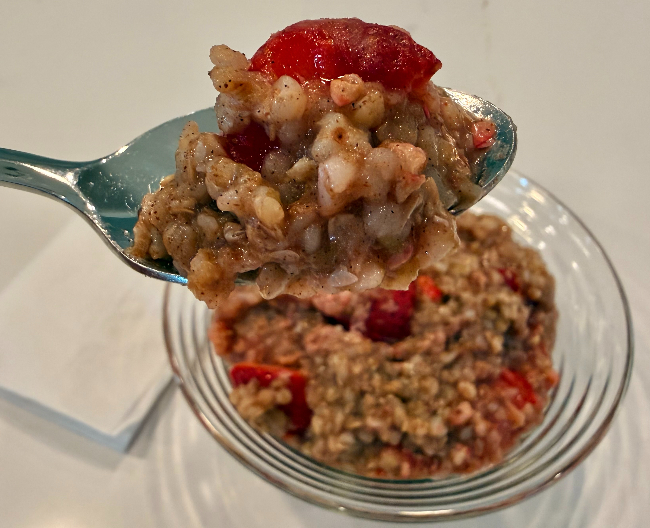
I chose to start with a simple cooked breakfast cereal.

Longtime readers of foodtalk4you know my fascination with variations on the theme of ‘gruel’ – often adding everything I could think of (chia, ground flax seed, pumpkin seeds, etc.), and using what I called ‘sweet spices’ plus vanilla, to trick the palate into not needing much or any added sugar.

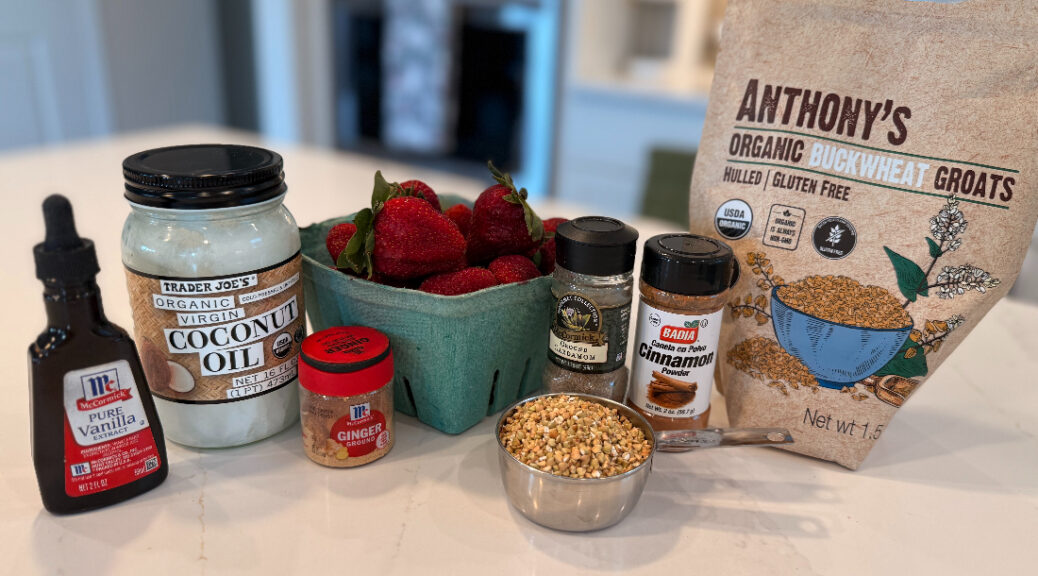
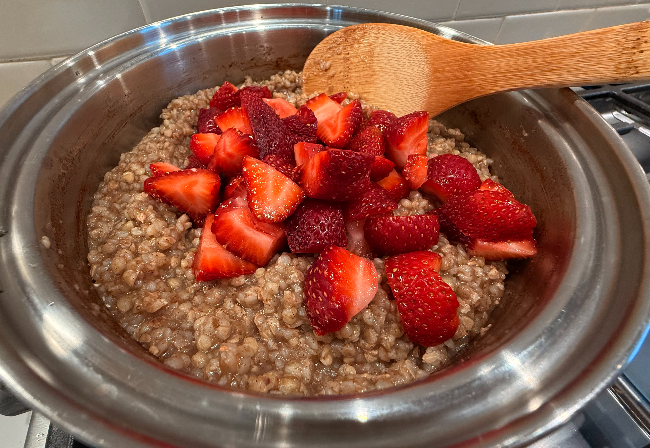
The recipe in O’Donnell’s book features just buckwheat – not a grain, but a seed – and is gluten-free. She flavors this with her trio of sweet spices: cinnamon, ginger, and cardamom, plus vanilla extract.

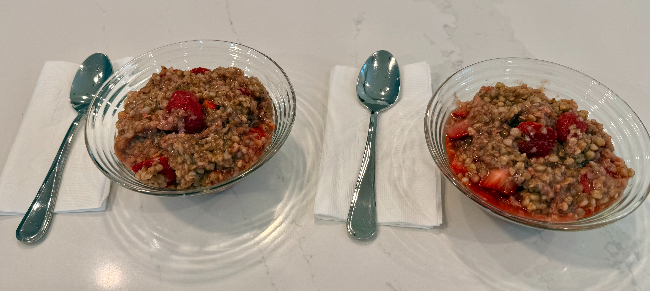
After the 1/2 cup of buckwheat, sweet spice mix, and 2 cups of water have cooked, 1 cup of fresh strawberries and 2 teaspoons of coconut oil are stirred in and allowed to rest for 5 minutes before serving – along with 1/4 cup toasted, unsweetened-shredded coconut sprinkled on top of the two bowls.

The next time we made this, we found adding a pinch of salt to be beneficial.

Holding power? Our bowl of her ‘berry buck-up cereal’ not only felt easy on the tummy, but sustained us all morning.

The rational behind this?

Seeking more ways to calm inflammation, which is the first domino to fall leading to ‘dis-ease.’

Whether you believe yourself to be sensitive to the effects of gluten or not, gluten is pro-inflammatory.

Take a tiny first step to start your day with less inflammation on board. You don’t have to jump into the deep end – just a few times a week. Start there.

Our next post will dive into a balancing staple food of Ayurveda, which is good anytime, anywhere, for anyone – and is perfectly neutral, adaptable, and an excellent resource for the change of seasons we are all experiencing right now.

In health –

Deidre

Making A Positive Entrance

What kind of an entrance are you making?

“To what? A meeting?”

Well, let’s start with your day. How are you entering this new day?

“Yawn, well after that first glass of water you told us about, it’s coffee for sure.”

Is your cell phone already in your hands? Are you immediately scrolling for the latest?

Or perhaps that mental reel is still playing in your mind, filling you with stress? You are supplying both sides of the conversation, and the message is full of labels – never good ones.
We can’t make that good first impression entrance to an event, a conversation, or our day if we are pulling from empty or poorly replenished reserves.

With the daily challenges that we are all facing with personal issues – let alone world issues – daily resets are no longer optional for me. How about you?

I will offer two points and a change in perspective for you today.

One. Find a happy place for daily resets.

It could be a park bench on your lunch break. Perhaps the top step going to your front door.

No cell phone.

Listen.

Be aware of what’s around you. Observe. Drop your gaze and mindfully breathe.

Read something that inspires you, directs you to a higher path, and that gives you peace.

Journal. The power of unfiltered brain dumps through journaling is not to be underestimated. Paper, pen and a few minutes of sharing with that page is utterly transformative – and cheap therapy.

Release your cares to the fresh air above, the universe, or your higher power. Our fretting mental reels never solve our problems. Just make yourself open to receiving the answers or guidance for your next steps.

Two. Assume a positive intent in others.

Reading a quote from business executive and former CEO of Pepsi, Indra Nooyi, recently blew me away with its simplicity. She speaks of approaching others:

“When you assume negative intent, you’re angry. If you take away that anger and assume positive intent, you will be amazed.”

She goes on to explain how such an approach changes us – we become more intent on understanding the other person and are listening more carefully to them without being defensive at the onset. This sends a positive message to the other person that will often lead to more constructive, respectful interactions.

A change in perspective:

We’ve all seen those humbling, awe-inspiring images of Earth from space—our small, radiant planet suspended in darkness, wrapped in a thin, fragile atmosphere.

Do those views stir something in you—a sense of love, protectiveness, even responsibility? From that distance, “world peace” begins to feel less like an abstract ideal and more like a shared necessity. Perspective changes everything.

The minutia falls away – of no importance – as the big picture gives us pause.

Taking that same kind of perspective on our own lives can help quiet the worries and negative loops, making space to reset—with more compassion for others and for ourselves.

Find that happy place to regularly give yourself a reset and assume the positive in your daily interactions – now, that’s a good way to make a grand entrance!

Deidre

If you are looking for some resources to build up your resilience, get these FREE downloadable Resilience Practices HERE.

Originally designed to help family caregivers, these resources are universally applicable and can guide you through practices that will help you build your inner strength.

Rolling The Genetic Dice

Did you get Dad’s green eyes? How about Mom’s curly hair?

It’s always interesting to see how children turn out – who they will favor and what they will look like.

All lighthearted musings for most of us.

What if there was a 50/50 chance you could have inherited an incurable, always fatal disease from one of your parents?

What if that parent didn’t clearly show anything very out of the ordinary and didn’t even know they had that disease?

Would you even want to know if you inherited it?

That’s just a few of the endless questions family members of loved ones with Huntington’s Disease (HD) ask themselves.

With approximately 41,000 Americans symptomatic for HD and 200,000 at risk of having inherited the disease, there is a chance you might not know much about this disease.

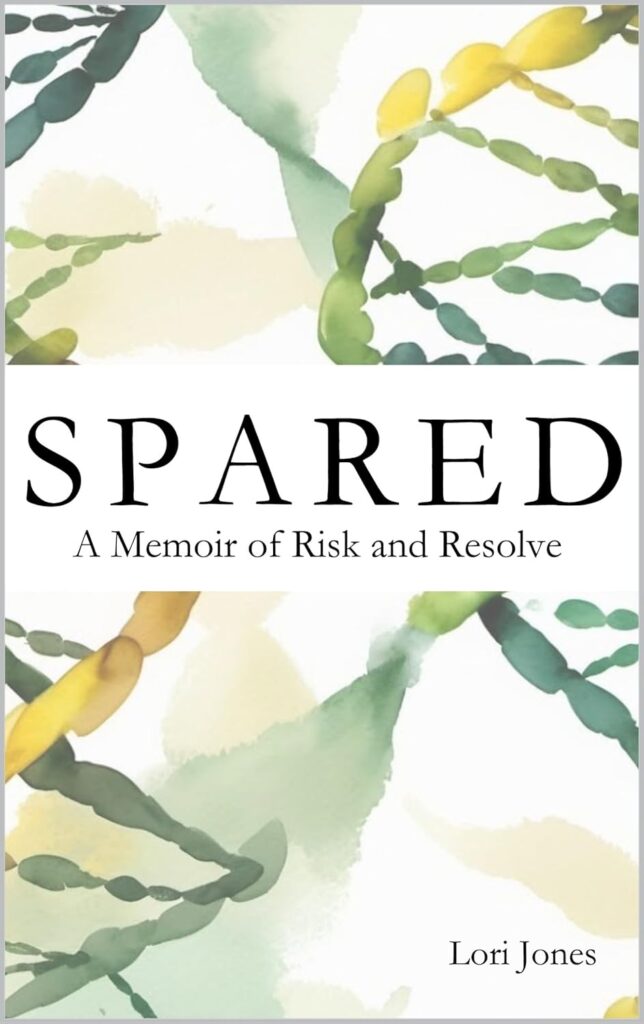
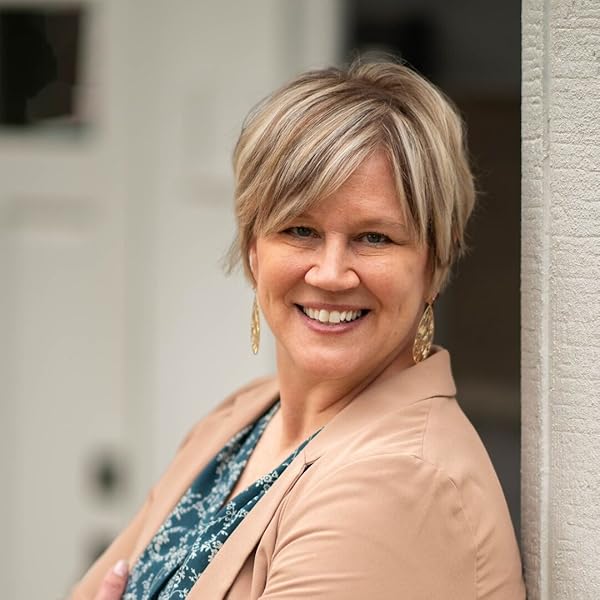
Because of two of my new author friends, Sarah Foster and Lori Jones, my eyes have been opened to the poignant minefield of how this disease can unfold in individuals and in the families that surround them.

Reading this quote from Spared: A Memoir of Risk and Resolve by Lori Jones, you can begin to appreciate the weight of an HD diagnosis:

“Often called “the world’s cruelest disease,” according to the Huntington’s Disease Society of America, HDSA, Huntington’s disease is described as, “having ALS, Parkinson’s, and Alzheimer’s simultaneously.”

This article from HDSA contains part of Sarah Foster’s story:

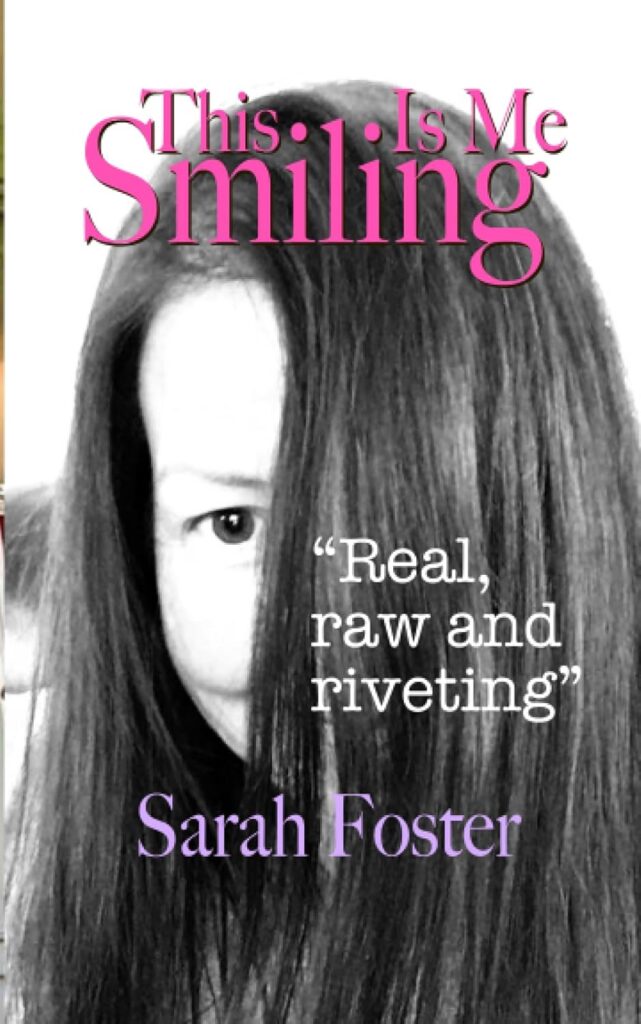
Sarah Foster has written two books, Me and HD (2015) and This Is Me Smiling (2025). In both, she holds nothing back in recounting her decision to get tested for HD; how her diagnosis confirmed her mother’s own – untested – diagnosis, and the ever-changing landscape of living with HD.

When Sarah shared this article from the BBC:

I joined the jubilation!

To quote:

“An emotional research team became tearful as they described how data shows the disease was slowed by 75% in patients.

It means the decline you would normally expect in one year, would take four years after treatment – giving patients decades of ,”good quality life,” Prof. Sarah Tabrizi told BBC News.

The new treatment is a type of gene therapy given during 12 to 18 hours of delicate brain surgery.”

Clearly, with this lengthy brain surgery, treatment will be incredibly expensive – but there now is a treatment they can work with!

Yay, science!

Yay, to funding researchers!

If you know of someone with HD or not, both author’s stories deserve to be read and understood because their stories are a part of our collective humanity.

In health –

Deidre


Finally! The Book Signing!

Telling the Story!

But first – a message from Deidre and Sheree. We thought we could do it. Get enough posts written and ready to publish in advance of Sheree’s major surgery and my book release to carry us through the thick of things. There’s a saying about “best laid plans” …

What was not on the radar was a life-threatening surgical complication that necessitated yet another serious surgery and lengthy recovery for Sheree.

Thankfully, she seems to finally be on the mend. I can tell – Sheree’s practically begging me to send her some more posts to put in.

So, here we go – a short message of a recent event for me and a hint of what is to come for our foodtalk4you readers.

During a recent book signing event, I shared with a roomful of people from my neighborhood how I came to be a caregiver and then an author. Hint – the teacher in me could still teach others; but this time it is through books and the speaking presentations I am able to give. The messages I share come from having been a caregiver to a loved one.

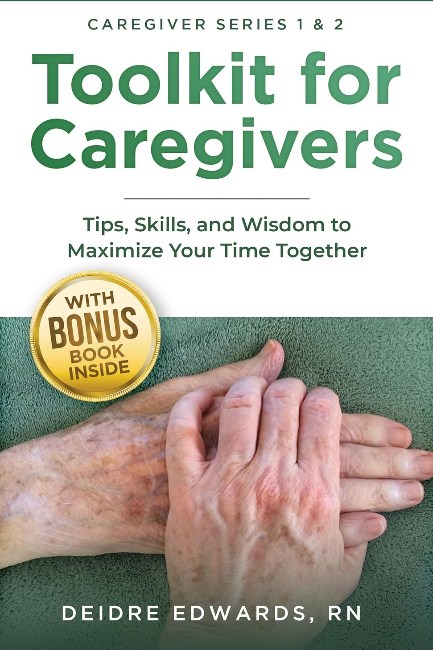
It was tough selecting just the right passages from my latest book, Toolkit for Caregiver Emotions, that would both give an idea of what was inside the book and also tell a cohesive story.

I think I was able to paint the story correctly, and the audience seemed engaged and excited to implement the coping strategies and techniques they heard about, practiced together, and will finish reading about in their copies of my book.

After door prizes, I signed a lot of books!

That’s my story.

Now, what’s to come for you, my dear readers, will include several opportunities for you to learn about some new releases from authors you might not know.

I have reviewed so many new releases these past few months and several of them are superb. I will be sharing books containing stories of resilience, struggles and recovery, hope found in grief, and so much more!

There will be a Reader’s Corner post every so often, interspersed with our usual array of health tips, recipes, and some of the latest on how to bring your best self to each new day.

In health –

Deidre

A note from Sheree: I just wanted to thank everyone who thought about me, sent good wishes, and prayed for my recovery. I believe I am on the healing side of things, which has proven to be much longer than anyone expected. I appreciate every one! God bless …

The Birthday Garden

A cake with candles? Awesome!

And people who sing happy birthday? Fabulous!

But a garden? A birthday garden?

This was a new idea for me and was a gift from a trusted resource to mark my own recent birthday.

Our reflections of where we are now, and where we want to be in the future, often exist just in those few seconds it takes to catch a deep breath to blow out those candles on the cake.

The Birthday Garden is a tool developed by Julia Poernbacher, M.Sc., which is a metaphor she uses to reflect on the past year, celebrating personal growth, and to set intentions for the future.

Here’s a summary of the steps:

Look at your garden

With closed eyes, take a few deep breaths, and visualize your unique garden space:

What does it look like? Is it thriving or does it need care?

What’s growing? The flowers and plants represent your successes, joys, and potentials

How about weeds? They represent your challenges, habits, and things that no longer serve you.

Are there areas that need more attention or feel neglected?

Celebrate the harvest

Thefruits’ of your harvest are your successes, the moments of fulfillment through experiences and relationships of the last year.

Identify three significant successes or joyful experiences.

Reflect on what helped those successes bloom: what actions, people, or circumstances played a part?

Reflect on what those successes taught you and how they made you feel.

Pull the weeds

Maintenance is a part of every garden’s upkeep. Consider the habits, limiting beliefs, people, or challenges that may have held back your growth, no longer serving you.

Reflect on three things you are ready to release that have held back your growth. Perhaps, create a releasing ritual to help you let go of them. Consider writing them down on papers and holding each one close to your chest as you reflect on how it has affected you. Acknowledge its role in your life and how it made you feel. Then, with a deep breath in and out, set that paper down away from you.

Plant new seeds

Choose what you want to plant in your garden for the new year ahead.

What personal qualities do you want to develop, and what are the exact steps you will take to nurture them?

Reflect on three goals, qualities, or intentions for your garden, aligning your ‘seed’ with your action steps to keep it alive.

Tending your garden

As you create a plan for success, consider how you will maintain your garden through the coming year, asking yourself:

What goal am I growing? What habits will help me? How will I stay accountable? Who or what can support my efforts? How will I know that I have succeeded?

A vision statement

Write one that summarizes your over-arching goals and keep it somewhere you can see a reminder.

For example: “This year, I nurture a more-balanced approach to my efforts and interests. Being mindful that change takes time, I will celebrate the small victories all year long!”

In health –

Deidre

It’s 100% live! Toolkit for Caregiver Emotions is now available both in print and as an eBook! Pre-orders have been delivered today by Amazon! Get yours today HERE.

This has been a flower in my garden that has taken extra love, attention, and time for it to blossom! Please share this helpful resource with caregivers you know. The emotional tangle family caregivers experience is often the last topic to be addressed when, in fact, it should be top of the list!

If you have read it – Thank you! Please leave a helpful review on Amazon to help others discover a path to resilience in caregiving.

Greetings Healthy Deviant!

Strange title for this week’s post. Healthy Deviant.

But really, it’s why I got into the business of writing this blog and my first book.

I saw the need to be a healthy deviant from the evolving norms of health in my country, and anywhere we had influence – especially about food.

That’s just about everywhere!

As we look around, we can see different norms in the population than what our parents saw.

Quoting from Pilar Gerasimo’s book, The Healthy Deviant: The Rule Breaker’s Guide to Being Healthy in an Unhealthy World, the ‘norm’ today looks like this:

50% of U.S. adults are diagnosed with a chronic illness

68% are overweight or obese

70% are taking at least one prescription drug (for folks over 60, the average is FIVE)

80% are mentally or emotionally ‘not flourishing’

97.3% are not maintaining healthy habits (decent nutrition, adequate exercise, not smoking, healthy body composition)

It takes concerted effort to not become part of this norm.

The options that surround us hardly inspire health. Interspersed between endless commercials pedaling drugs with the promise to solve the ills of all the ‘normal’ chronic diseases are:

ads for double-dosed perfumed laundry products that will smell ‘so good’ longer,

ads for fast food dripping with cheese-like substances and deep fried accoutrements

and over-sized portions of restaurant fare that would clock in with calories exceeding what is needed in a day

What to do?

Resist!

Yes, we might join a picket line somewhere; but the resistance that we’re talking about happens with every choice we make.

Where is your food sourced?

Is it highly processed – coming from a box with many ingredients?

Are you making choices in restaurants which include fresh vegetables and salads?

Are you sharing your over-sized portion or taking half of your portion home with you?

Are you choosing unscented versions of your laundry products?

Are you moving regularly throughout the day?

Are you exercising?

Are you wearing sunscreen and shading your face with a hat?

The list goes on.

Quote of the day from Jiddu Krishnamurti:

“It is no measure of health to be well-adjusted to that sick society.”

In healthy deviance –

Deidre

Remember to pick up your copy of Toolkit for Caregiver Emotions on Amazon! You can find it here. Both the eBook and print book are specially priced for this introductory period. Once you finish reading it, please leave a helpful review on Amazon to assist others in understanding how they can benefit. Thank you!

Oh, And One More Thing …

This One Thing

I just learned how to increase my endurance by 240X!

No potions. No app to install. No purchases necessary.

Intrigued?

On just two pages of a new book I’m reading about techniques used to develop your best self, I felt like I had been given the golden key that unlocks the treasure chest of all knowledge.

It starts with rats. I know – rats …

The author, while opposed to many aspects of animal testing, related the findings of an old study.

Back in the 1950’s, a Harvard-trained researcher named Curt Richter, conducted some studies through Johns Hopkins.

He wanted to see how long rats could swim under two different conditions.

In the first one, he let rats swim as long as they could before they drowned. They lasted fifteen minutes.

I know – lab studies …

In the second one, rats were allowed to swim up to the point where they looked like they were about to give up – around their threshold of fifteen minutes. At that point, they were removed from the water, toweled off, and allowed to briefly rest before they were returned to the water.

How long do you think they were able to swim?

Maybe just a few minutes? Another fifteen?

Shockingly, they swam for sixty – yes, 60 HOURS!

Two hundred and forty times longer!

What?

What had changed for those rats?

The researcher concluded that they had experienced one simple thing: HOPE.

They had experienced the possibility of a better future. They ‘knew’ there was a chance of that better future, and they kept swimming and swimming towards it.

How’s your HOPE meter doing these days?

Hope is believing our future will be better than our present. Take that away, and we succumb like the poor rats in group one. Hopeless.

Whatever the muck we may be mired in, if we can sustain our HOPE, then our endurance is strengthened.

How do we create or find hope for a better future?

We need to SEE a better future and have GOALS that inspire us.

We need to believe that WE CAN take the steps needed to make our goals happen.

We need to have a PLAN to move forward with those steps – and be flexible enough to modify our plans to include different approaches that will ensure success.

Bringing your best self to each day’s starting line means you are committed to a brighter, better future.

You are going to show up!

With HOPE!

For success!

In health –

Deidre

NEXT Tuesday, August 19th, will mark the 100% full launch of Toolkit for Caregiver Emotions!

Yippee! Those of you who have pre-ordered, the eBook version will be ready to read that day! There will be lots of book promotional sites advertising the eBook on sale at $0.99.

In the meantime, the paperback is currently also at a discounted introductory price, so it’s a great time to pick one up for yourself or someone else who could use a helping hand with their caregiving emotions.

The honest, helpful reviews of readers are pure gold to authors, and I thank each of you who have chosen to take a minute to do that. Just a sentence or two can make a big difference. Thanks!

Promises Kept

Do you keep your promises?

I remember when, as kids, we would ‘pinky swear!’

Boy, that was the real deal!

As we grew older, we learned our word was our bond.

It’s a beautiful thing.

Promises kept to others.

But, what about making promises to yourself?

Do you hold them to the same standards? Or do you think you’re not worth it?

“Oh, I said I wasn’t going to eat that whole big serving next time we came to this restaurant, and look … oops!”

“I said I was going to exercise today and look … oops.”

These and similar statements are probably followed with negative self-talk – which chips away at our self-esteem.

I was at a workshop recently having to do with bringing our best selves to greet life each day.

One participant said, one area she wanted to work on, was in bringing her best self to herself.

She realized – while she was keeping promises to others, she was not keeping promises she made to herself.

We’ve all had an ah-ha moment with that one.

This is a gentle nudge to remind all of us that if we want to do well – bringing our best selves into each day – then we also need to bring our best selves to ourselves.

Now, on to tidbits –

Are we still making sure we are moving around each day?

At the start of our longevity series, I shared some statistics about how regular daily movement – coupled with exercise – is the number one thing leading the way to a healthier, longer life – even if you have ‘good genes.’

A new meta-analysis of 85 studies has clarified just how critical physical activity can be. I quote from Chris Kresser: “Adults who were consistently active, had up to 40% lower risk of dying from any cause, and a 30-40% reduction in cardiovascular mortality. Even better, starting exercise later in life still

provided significant benefits—a 20-25% lower risk of death compared to those who remained sedentary.”

He concludes, “From a Functional Medicine perspective, this supports movement as foundational to healthspan, not just lifespan. And while structured workouts help, what seems to matter most is consistency and enjoyment. Activities you love and can sustain—especially those done outdoors with others—are the most likely to stick.”

Computer time has ramped up for me during this early book launch. Toolkit for Caregiver Emotions is the topic of many an email and post on social media platforms!

So, my partner and I are inspiring each other as we do our online exercise routines each day as a blessed break from sitting in front of the screen. And, when the temps and 95% humidity decrease, we take walks!

It’s all because I promised I would. Pinky swear!

In health – Deidre

Feeling Hot, Hot, Hot!

It’s too darn hot!

Ninety-five percent humidity can take its toll!

It is summertime here in the Northern Hemisphere, and finding cooler ingredients and cooking methods is a priority.

Got meat? Grill it outside, please – no added heat in the kitchen!

For the rest of the meal? I keep turning to salads.

Cool, crisp, full of veggies salads.

No label reading is needed for these whole foods.

Until …

Maybe we think using bottled dressing would be an okay shortcut?

Truth be told – I have succumbed to the sirens of bottled dressing from time to time – even the pricey ‘good ones’ touting no chemicals – but they break all the rules for homemade goodness and freshness.

I know folks who always splash on just enough oil, balsamic vinegar, salt, and pepper to do the job.

That sort of works for me in the winter, but …

Lately, I’ve been into whole meal salads featuring high protein, gluten-free pastas!

First, we need some flavorful salad dressing to pull it all together!

So, grab a small mixing bowl and add as many of these ingredients as possible – I didn’t have the shallot, or enough lemon juice and it turned out fine!

Dressing

½ cup extra virgin olive oil

¼ white wine or champagne vinegar

2 Tablespoons lemon juice

2 teaspoons Dijon mustard

1 Tablespoon fig preserves (honey will do nicely)

1 small shallot finely chopped

2 cloves garlic, finely chopped

½ cup mixed fresh herbs: dill, oregano, basil

Salt and pepper to taste

A sprinkle of chili flakes, if desired

Whisk the ingredients well and set aside.

Then, cook 1 lb. or 1 box of salad pasta of choice to al dente. I like using chickpea or red lentil pasta for the protein boost, which makes this salad a full meal.

Once cooked to al dente, drain the pasta and toss with the dressing so all those yummy flavors can coat each piece!

Assemble a montage of ingredients in an over-sized salad bowl such as:

Two heads of Romaine lettuce, sliced

½ of a head of Radicchio, sliced

A sampling of nitrate-free salami, pepperoni – I use turkey based when available – sliced

1-2 cups of cherry tomatoes, halved

A variety of olives, torn or sliced

Bell pepper, chopped

2-4 Tablespoons of sliced pepperoncini

A cup or more of fresh basil leaves, torn

A cup of mozzarella cheese balls – these may be halved or quartered if they are not mini size

A cup of provolone cheese, cubed

Shaved Parmesan to taste

As a concept recipe, I never always have all the ingredients, so types and quantities of ingredients will vary.

Once the salad is assembled and tossed, add the pasta with its dressing and toss thoroughly.

Served fresh with the pasta still warm, or cold from the refrigerator, this is a satisfying meal!

If we have some grilled meat, I will thinly slice the hot meat and arrange the slices on top of each serving of salad.

Bring on the iced sangria!

In health –

Deidre

Dear Readers:

Be a surprise blessing to a friend or family member who is a caregiver by sharing this link with them to Toolkit for Caregiver Emotions. Better yet, buy a copy for them as a gift! Also, the eBook is on pre-order for $0.99 with delivery on August 19th!