Category Archives: Habit Building

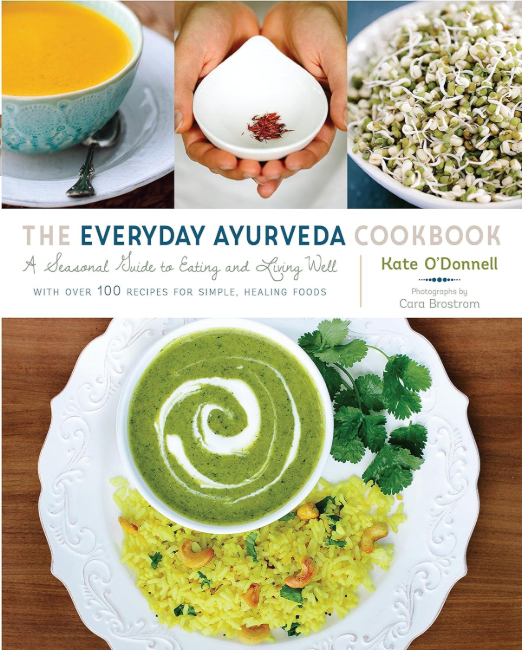
Let’s Go On An Ayurveda Quest!

As a member of the foodtalk4you community, you are likely on a personal quest for whole life balance, right?

We’ve been working together on “doing my body good” for twelve years! Did you know that last week on April 12th, foodtalk4you turned 12? Hmmm. Is there a conversion rate for blog years to human years?

In any case, we have explored a better understanding of how we respond to food, exercise, and ways of thinking to make our life journey smoother. We have traversed many steppingstones along the way: “Paleo,” “gluten-free,” “low-carb.”

These approaches can be helpful, but they don’t always capture the full picture of what our bodies, minds, and lives truly need.

Lately, I have felt the need to gather all the scattered pieces and return to something more cohesive, more intuitive, and more deeply rooted. Something that would reflect the innerconnectedness by which our bodies function.

That search has led me to Ayurveda – thanks in great part to my daughter’s fellowship in integrative medicine and her studies in Ayurvedic medicine.

Don’t know how to pronounce it? A·yur·ve·da /ˌīərˈvādə/ and A·yur·ve·dic /ˌäyərˈvādik/

Ayurveda, often translated as “the science of life,” is a centuries-old system of health and healing, originating in India. But more than a system, it’s a way of understanding ourselves in relationship to the world around us. Instead of focusing only on symptoms or rigid dietary rules, Ayurveda invites us to consider the whole person—body, mind, spirit, and the senses—as interconnected parts of health.

Again – not unlike much of what we have been exploring here for twelve years – but with a greater understanding on putting all the elements of life together in a way that is personalized to each of our unique needs.

Ayurveda organizes this individuality through the concept of doshas—Vata, Pitta, and Kapha—energetic patterns that reflect different physical and emotional tendencies. The goal isn’t to fix ourselves, but to recognize imbalances and gently bring the body back into harmony.

It’s about tuning in. Paying attention to how we feel after we eat. Noticing how the seasons affect our energy, digestion, and mood. Recognizing that stress, rest, movement, and connection all play a role in our overall well-being.

For me, this shift also feels like a natural evolution of what I’ve been exploring here on FoodTalk4You. The focus is expanding from “what to eat,” into “how to live well.”

Food is still central—but now it’s part of a larger, more meaningful conversation. One that includes daily rhythms, self-awareness, and a deeper respect for the signals our bodies are constantly sending us.

In future posts, I’ll be sharing what I’m learning about Ayurveda in a practical, approachable way—how it can shape our meals, our routines, and even how we care for ourselves during challenging seasons of life.

This isn’t about perfection or adopting an entirely new identity overnight. It’s about integrating timeless wisdom into modern life, one small, thoughtful step at a time.

If you’ve ever felt like your health journey needed more coherence, more flexibility, or simply more meaning, you’re not alone. Consider this an open invitation to explore Ayurveda with me—not as a rigid system, but as a guide back to balance, awareness, and wholeness.

Because, as I have always believed, we are, “designed for health.”

In health –
Deidre

The Pancake of Champions

Once again, I saw something healthy and yummy online and tried it – tweaking the ingredient’s list as always.

There was already a great lineup of gluten-free, high-protein ingredients, but when I was through, it kind of looked like a recipe list for Kitchen Sink Pancakes!

Any recipe for pancakes – for me – is more of a concept recipe. I might not have all the ingredients and/or I might make substitutions.

So, knock yourself out with this one.

The core of the concept is to create pancakes that are:

1. Naturally sweet – needing no syrup to raise blood sugars

    2. Gluten-free – to be non-inflammatory and to support a happy belly

    3. High in fiber – to aide in digestion

    4. High in protein – to support growth and repair

    Pancakes are often the antithesis of these concepts because they are high carbohydrate, pro-inflammatory sponges begging for tons of butter and rivers of syrup.

    The original recipe featured 2 grated apples – which was great because I had two apples that needed to be used. I also had one last banana needing a home, so I added that, too.

    Because of the overall course texture from the apples, oatmeal, and nuts, this pancake batter started looking more like fritter batter. So, that’s what I am calling these – pancake fritters!

    Here’s the recipe for Pancake Fritters:

    First, stir 1 Tablespoon of chia seeds into 1/3 cup of water and set them aside to soak for at least 10 minutes to use in the wet ingredients. This provides fiber and protein.

    Then, combine the dry ingredients in a large bowl:

    -1 cup gluten-free oatmeal
    -1 teaspoon of baking powder
    -1/2 teaspoon cinnamon
    -Pinch of salt
    -2 grated apples

    Optional: a handful of chopped walnuts.

    In a food processor or in a bowl using an immersion blender, blend the following wet ingredients until smooth:

    • Soaked chia seed mixture
    • 2 eggs
    • 1 Tablespoon of olive oil
    • 2/3 cup of Greek yogurt
    • 2/3 cup of cottage cheese
    • 1 banana, broken into pieces
    • Vanilla to taste

    Add the wet ingredients to the dry ingredients, and combine. Add milk of choice to thin batter as needed or, if the batter is too thin, stir in 1-2 Tablespoons of gluten-free flour at a time, until desired consistency is achieved.

    Rather than normal-sized pancakes, I created smaller, fritter-sized ones, using a spoon to pat down a small scoop of batter placed on the hot, oiled griddle.

    This recipe will feed a small crowd, so feel free to cut this in half – I will, next time, for the two of us.

    The apple, banana, vanilla, and cinnamon help create a ‘sweet’ profile that simply doesn’t need syrup.

    Please download this delishiness, PANCAKE FRITTERS, HERE:

    The high-fiber and protein elements support lasting fullness and satisfaction.

    There are so many ways to adjust this according to personal preferences and what is in the cupboard or fridge at the time.

    I hope you enjoy it!

    In health –

    Deidre

    If you enjoy this post, you can subscribe with the knowledge that, after the three two emails and one personal introduction, you will just receive an email each Tuesday with the link to the new post. No annoyances in your inbox and no irritating pop ups while you read.

    To subscribe, scroll to the bottom of your device or to the left top on your computer screen to fill out the form. Thank you!


    FAT! (No, It’s Not What You Think)

    It’s a holy trinity of sorts … the three macronutrients found in the food we eat: carbohydrates, protein, and fat. These three, along with the micronutrients in food – vitamins and minerals – are what keep our bodies functioning at optimum levels. Macronutrients are the three elements we need to consume the most, followed by the micronutrients we also need, but in lesser quantities.

    Like most things dealing with our health, each element is linked to others in ways which creates dependency for successful functioning.

    Case in point – a recent email from Chris Kresser, reminded me of one of these vital connections between a macronutrient having a crucial role in our ability to absorb micronutrients derived from vegetables.

    He emphasized – eating nutritious food is just half the battle. How we prepare that food, either in cooking or presenting it – with a sauce or dressing, totally influences how much of the vital micronutrients we will absorb. And, absorbing the nutritive elements is why we eat, right?

    How sad it would be if we bought the best organic produce we can find, only to miss out in absorbing the nutrients we need.

    Take the powerful carotenoids found in kale. Carotenoids are natural, fat-soluble yellow, orange, and red pigments synthesized by plants, algae, fungi, and bacteria. As powerful antioxidants, they protect cells from damage, support immune function, and are essential for eye health. 

    We want carotenoids, for sure!

    But in a 2025 study by the University of Missouri, researchers found that raw kale alone, produced very low carotenoid absorption, and cooking it slightly reduced the bioavailability further.

    A significant increase came when researchers added an oil-based sauce to either the cooking process or when the oil was added after cooking.

    You see, some of the micronutrients are fat-soluble nutrients, including vitamins A, D, E, and K – along with carotenoids like lutein, beta-carotene, and lycopene. These nutrients require dietary fat to be absorbed; and without it, a meaningful portion of these compounds pass through the digestive system largely unused.

    So, preparing and serving your healthy veggies without fat (eating raw or steaming), and then serving plain or with some kind of fat-free sauce or dressing, will work against your goal of absorbing the nutrients you are hoping to get.

    The no-fat craze definitely has its drawbacks.

    Another study by the University of Iowa found a dose-dependent relationship, with two tablespoons of oil producing a meaningfully greater absorption than smaller amounts.

    Whether you are sautéing greens, roasting veggies using a drizzle of oil, or using an olive oil-based salad dressing – these oil-enhanced methods are effective in ramping up absorption of the critical elements we need.

    Next week, we will look at various kinds of oils because, of course, there’s a difference there, too.

    In health –

    Deidre

    Sharing is caring. Copy and paste the URL for today’s post or use the options in the MORE button below to share this post with others.

    Thanks.

    In The Moment

    How did you like Kim’s Corner last week? Please let us know.

    Little did I know, I would be using this new approach the very week I learned about it!

    The PEACE and LOVE technique has sped my recovery from a sprained ankle using no ice and no anti-inflammatories! I was walking without a limp just over 24 hours after the injury! Elevation is vital early on and periodically throughout the healing process.

    I stopped wearing the Ace bandage after day 4, returning to my normal light compression socks.

    A challenge came on Day 10 when embarking on a full day of airplane travel to Hawaii. Because of prolonged sitting and wanting to combat normal swelling that occurs with flying, I returned to an Ace bandage for the flights.

    After landing and when we got settled in, my daughter tenderly applied Arnicare Cream to my ankle. The combination of her TLC and the pain relief I got from Arnicare was amazing.

    This plant-based cream provides relief for muscle pain, stiffness, and swelling from injuries and bruises. I have been using it almost daily, especially while the flight-induced swelling eased off.

    Other than daily movement, while I’m seated, I also draw the alphabet in the air with both feet. These movements help restore full range of motion.

    I am a believer! Thank you, Kim!

    The heart of this week’s message is inspired by our experiences here in Kona with my daughter, son-in-law, and darling grandson, who will turn 3 years old in April.

    As any parent and grandparent knows, the life lessons gleaned from a young child are clear: live in the moment with joy.

    This approach is not reserved for toddlers – although, we tend to lose those skills if we are not aware we are letting them go.

    Watching the US figure skater, Alysa Liu, exuded pure, unadulterated joy both in her practice warm-ups and during her gold medal winning Olympic performance this week. Alysa was blissfully in the moment, thrilled to be doing what she loved.

    I had not seen such pure joy on the face of an adult in such a long time. Everyone watching her Olympic performance felt and shared her joy.

    As we absorb the joy from our tropical environment with family, and as we share in my grandson’s exuberance in every experience, we feel such inward peace and healing in areas we didn’t know were broken.

    As our last message about love – in this month of love – please take a moment to read the following message from Eric Dane recorded before his passing this week from ALS, HERE.

    How he resolutely walked toward the final days of that terrible disease is an inspiration to us all and another reminder to find our joy and to live in the moment with that pure joy.

    We remember you Jim Tyler, Dan Logan, Eric Dane, and so many others taken too soon by ALS.

    In love and health –

    Deidre

    Peace and Love? Groovy, Man!

    Is this a throw-back post about hippies?

    No, it’s about a change in a protocol we have all learned well.

    WELCOME TO KIM’S CORNER

    In our first issue of Kim’s Corner at Foodtalk4you, Physical Therapist Kimberly Attwood, PT, DPT, FDN, will explain something which surprised us during a recent visit to her office.

    You may have heard about the RICE method of treating soft tissue injury, such as a sprained ankle.

    Well, throw out the RICE to make way for PEACE and LOVE!

    Remember, the inflammation that happens with soft tissue injury acts as a defense and cleanup crew to initiate healing by sending immune cells and repair substances to the site, removing pathogens and debris, and setting the stage for tissue regeneration. While prolonged inflammation can hinder recovery, making a balanced response is crucial.

    Here’s Kim with information about the better approach for soft tissue injury in the acute phase, 1 – 3 days after injury, and the days that follow:

    The latest research shows that treating minor acute injuries with RICE is outdated and potentially detrimental to your overall recovery. 

    RICE = Rest, Ice (NSAIDs), Compress, Elevate 

    Anti-inflammatories (commonly ibuprofen, naproxen, ice, etc.) are very effective at interrupting the inflammatory process. 

    Knowing this relationship, hopefully you can see how anti-inflammatories on board during the first stages of healing could slow down the healing process.  

    But wait, it hurts! What should I do about my pain?

    Well, this is where the elevation and compression come into play. Being able to keep swelling to a reasonable level will help with the pain that you have during those first few weeks. Keep in mind that pain is a sign from your body, and it’s meant to protect you!

    What exactly do PEACE and LOVE mean for me after an injury?  As Physiopedia quotes: “Immediately after a soft tissue injury, do no harm and let PEACE guide your approach.”

    PEACE = Protect, Elevate, AVOID anti-inflammatories, Compress, Educate 

    P = Protect; give the injured body part a break from strenuous activity. Not complete rest, but don’t go jogging on a freshly sprained ankle! 

    E = Elevate; the injured body part needs to be above the level of your heart to help reduce swelling .

    A = Avoid anti-inflammatories; stay away from ice and medication that reduces inflammation – let your body do what it is designed to do! 

    C = Compression; use an ace wrap or other bandage to help reduce swelling.

    E = Educate; ask your favorite physical therapist to teach you about your injury, recovery expectations, and prevention strategies

    Then, after the first days have passed, soft tissues need LOVE:

    LOVE = Load, optimism, vascularization, exercise 

    L = Load; gradually increase your activities and weight bearing  

    O = Optimism; A positive mindset can carry you a long way in your recovery 

    V = Vascularization; participate in low impact cardiovascular exercises to encourage blood flow 

    E = Exercise; Go see your favorite physical therapist to learn how to best restore motion, strength, endurance and balance

    While diving into the anti-inflammatories and ice packs is what we have all learned previously, Kim reports that the PEACE and LOVE methods are shortening healing times!

    Here’s an excellent video that recaps these concepts.

    Kim may be reached at kimberly.attwood@ivyrehab.com for your questions or concerns.

    In health –
    Deidre

    Faces of Love and Peace

    Faces of Love and Peace

    February is the month of love, and we will be exploring some very different variations on that theme in the coming weeks at foodtalk4you!

    Love and Peace just go together, don’t they?

    When we are at peace from within, we naturally reach out in love to others and to ourselves.

    Our community felt deeply blessed to witness the monks during their recent Walk of Peace through our state. At a time when the news seemed to grow heavier by the moment, and our spirits were sinking, this quiet band of brothers moved through our shared space as a living testament to another way.

    The image of them stays with me—shaping a quieter presence within myself and a renewed determination to walk each day with intention, toward peace, and toward being a light for others.

    So, how am I doing that?

    True confession. I had succumbed to the siren call of convenience, when I used liquid pods in my dishwasher.

    The pods’ plastic wrap melts in the hot water, releasing the contents to wash the dishes and provide the sparkle we all love from a clean rinse.

    Until I noticed a mysterious ‘dust’ on the back of my plates coming straight out of the dishwasher!

    Enter micro and nano plastics …

    There is no minimum daily requirement for ingesting plastics. None. No level of consumption or absorption is associated with good health.

    Plastic is forever! It does not return to the earth as some kind of compost … it breaks down to particle sizes smaller than dust.

    We breathe it. We eat it. We absorb it.

    Nano plastics cross defensive barrier systems in our body such as our skin and the lining of our intestines. They are now found in our blood, tissue, and organs.

    Consider this quote from the NIH dated January 23, 2024: “The researchers found that, on average, a liter of bottled water included about 240,000 tiny pieces of plastic. About 90% of these plastic fragments were nanoplastics.” 

    Many people believe that drinking 64 ounces of water a day from single-use plastic bottles is good for their health—but is it? Doing so can result in an estimated 480,000 plastic particles entering the body.

    Awareness comes first. We cannot undo what we have done, we just take our next steps forward doing better.

    While we just had one pod to eliminate at our house, many people are using pods in the laundry as well.

    Did you know that our skin is our largest organ? It’s an organ of absorption! Plastic dust from laundry pods gets trapped in the fabric of clothes we wear!

    There will be more about finding ways to eliminate plastics from our lives in future posts.

    Now, we have a special announcement!

    Foodtalk4you would like to welcome Kimberly Attwood, PT, DPT, FDN, and Clinical Director of IVY Rehab in Garner, NC, as a guest contributor! Very soon, you will see the first edition of Kim’s Corner as she shares with readers her insights into how we can show love to our bodies through the latest techniques for recovery!

    In health –
    Deidre

    Oatmeal by the Slice?

    Oatmeal by the slice?

    Talk about seasonal foods!

    While I long for okra to use in my famous grits-eggs-okra breakfast scramble, any I find in stores will have traveled far—picked before full ripeness and preserved to survive the journey.

    Not great for flavor, nutrition, affordability, or sustainability.
    Plus, the natural rhythm of seasonal foods supports our needs:

    Summer produce tends to be hydrating and cooling.

    Fall and winter foods are often more grounding and energy dense.

    So, while our readers in the southern hemisphere are enjoying the bounty of summer foods, I am longing for warming soups and root vegetables – especially since ole man winter has decided to settle in for a spell.

    We covered Hasselback Potatoes recently. Now, I want to try that technique on sweet potatoes!

    But, on these chilly mornings, I am hearing the sirens of oatmeal calling once again.

    Breakfast cereals by themselves, however, don’t hold me because of their carbohydrate hit. What could I do to ramp up the protein component?

    While casually discussing my recipe with our editor, Sheree, I also mentioned I intentionally prepare more than needed so I can make a loaf of oatmeal to use later. What?

    Sheree was mystified.

    We’ll get back to that bit of magic in a minute.

    First, for the current version of my vat of gruel, I can thank my disorganized pantry for allowing the can of Hershey’s cocoa to spontaneously eject from its perch to serve as inspiration!

    Yes! Add cocoa to oatmeal!

    What goes with cocoa? Peanut butter!

    And so, it went … See the downloadable recipe for the details on how I ramped up the protein content.

    The magic comes the following mornings when I don’t have to start from scratch for oatmeal because the leftover oatmeal was put into a loaf pan, covered, and refrigerated.

    Did you know oatmeal holds its shape when cooled?

    All that’s needed is to lift slices of now solid oatmeal out of the loaf pan and sauté them in a non-stick pan coated with butter.

    Oh, yum!

    Are you imaging your own version? Adding chopped nuts, dried fruits, fresh apples, applesauce, coconut?

    Maybe ingredients will jump out of your cupboard for inspiration!
    My next task is to own getting the pantry reorganized … aye, aye!

    In health –

    Deidre

    Oatmeal Recipes are found here!

    If you or your organization are looking to serve the needs of the caregivers in your group, reach out to me at Deidre@deidreedwards.com for more information on how I can help by offering a Caregiver Workshop.

    Pay Now – Avoid Later!

    Do you invest?

    No, not the financial kind – the health kind.

    Are you investing in your health?
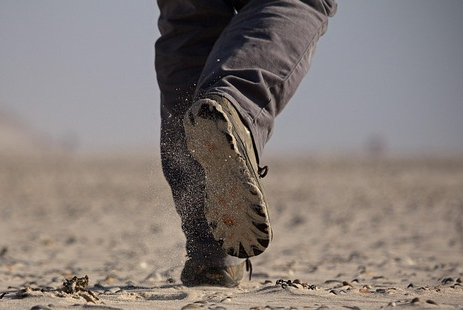
    Such as, are you investing in good shoes for your activities?

    I just bought some walking shoes that are already providing great return on my money with increased comfort and support.

    Some of us are investing in cleaner food by paying extra for organic produce.

    My investment yesterday cost me no money, but it did cost me in time and with a certain level of discomfort. All totally worth it because it’s the first step in increasing the chances I will not get shingles.

    You see, when I was only months old, I got chicken pox from my brother. Poor Mom. Stories of my projectile vomiting were what I remember her talking about above – and beyond the rash and sickness.

    Since then, the varicella-zoster virus that caused the chicken pox has been living dormant in my nervous system, waiting for the right moment to flair up in a case of shingles.

    What is the trigger that reactivates the virus, sending it along nerve pathways to the skin and producing that painful shingles rash, since not everyone who has had chickenpox develops shingles?

    Most indicators point to a lowered immunity, especially as people age, and older adults are the ones who usually develop shingles.

    In talking to those of all ages who have had shingles, there is often an association between an acute stress event and the initial symptoms. That stress element demonstrates to me how powerful our emotions are on our whole body.

    Having watched my father-in-law suffer with shingles (after a major stressor) in his 90s, and who kept the nerve pain long after the painful rash healed, I made a beeline to the doctor while still in my 50s to get the single vaccine offered at that time.

    Now, there’s a much more effective vaccine which comes in two doses: Shingrix. I got my first one yesterday. The second will be administered in 2-6 months.

    At 91-97% effective against getting shingles, and 91% effective against nerve damage, this represents much better odds for me – compared to the 37-51% effectiveness of the old single shot I had years ago.

    Many people will have no reaction to the vaccine other than maybe, tenderness at the injection site.

    My reaction was more. My arm did get quite sore starting within a couple hours; and there was a general malaise with fatigue last night that continued into the morning.

    After that, I am glad to say, I have walked over two miles today and my energy is inching toward normal.

    While last night and this morning weren’t much fun, it was certainly well worth the investment.

    I would recommend you not plan an activity or schedule an obligation immediately after getting the vaccine that day or the day after; but I would not hesitate getting it at all.

    For more information about shingles and the Shingrix vaccines, read this and contact your health care provider sooner than later to assess the benefit of Shingrix for you.

    Captaining my health –

    Deidre

    Aye, Aye, Captain!

    It’s a verb.

    An action verb.

    Not like wishing or wanting but – DOING

    We may want to be healthier, move more, learn more – but without the ACTION to back it up … those wants are nothing more than hot air.

    It’s not the, WHAT we want to be or do – it’s the, HOW are we going to get from point A to point B in our plans? You know, stop talking and start showing by doing.

    That’s why my word of the year is “captain.”

    Not the noun. Not a person with a fancy cap and epaulettes.

    The verb means to lead or command a team or group … or myself.

    I am reminding myself to captain my boat – actively steering it with intention.

    Rather than thinking of resolutions which often turn into wish lists, I am setting my intention on owning my role as “captain of my boat.”

    I steer myself into calmer waters starting first thing each morning.

    The pressure of the news media blowing up every day, and the import of the headlines, is affecting my very soul. I now reject diving into my phone or my emails first thing just to get the latest.

    Rather, gazing out at the backyard view while I sip my coffee, helps ground me for the day ahead.

    Seeking a sunny spot from a south-facing window calms and centers me like nothing else – a far better way to ease into the day.

    Reading uplifting words from a print book – followed by personal thoughts and meditation – is a cherished tool for reaffirming my values.

    There are personal projects that have needed my attention. Rather than saying I should do whatever, I am approaching the need with an ownership mindset – because, well, I do own it.

    Whether the project is small, like drawers and closets that need tidying, or large – like managing finances, I am finding the inevitable delays that come from working with a ‘should’ mindset to a “where are we headed today, captain?” mindset is helping me get a lot more done.I leave you with one question.

    What are you doing to encourage yourself to be intentional amid unsettling and uncertain energy from any source?

    In health – Deidre

    A reminder to all reading today – subscribing to foodtalk4you.com is the best way not to miss any posts. Just fill out the subscription form and you will receive one email each Tuesday with the link to the new post. So, easy! There will be a few introductory emails, but that’s pretty much it. I will not inundate your inbox, and your information is never shared.

    Reflection

    What were your final moments of 2025 like?

    Before all the hoop-la … before the bubbly … before the final 10-9-8- countdown …

    I hope you took a few minutes for some reflection.

    I was recently reminded reflection requires stillness.

    Now, stillness seems to come at a premium these days, doesn’t it?

    With our instant access to the barrage of news headlines, and as we conclude a season of rushing from one thing to another in our attempts to add special sparkle to each holiday event, we would do well to pause.

    Let’s own being captain of our boats and steer to calmer waters where we can drop anchor and truly be still.

    Ahhh …

    Maybe light that candle I spoke of before …

    Pull out your gratitude journal entries from 2025, or pour out a year’s worth of blessings from your blessings jar, to thoughtfully review, savor, and underscore your gratitude for the people, events, and things that touched your soul in a meaningful way.

    Pause to evaluate where life has taken you this past year, and how you responded to those new circumstances.

    Sure, there have been bumps along the way – but what did you learn; where will you improve, and how will you implement those improvements?

    How did you feel when you felt at your best? How can you create more of that?

    Give yourself some kudos for a job well done, values you honored, and ways you shined!

    Rather than that proverbial list of resolutions, consider a Word of the Year, CAPTAIN, that contains one over-arching theme to guide your actions in 2026. Apply that one theme in all you do.

    My job is done here – this reflective process is yours to do now – so I will let you have the space to do just that.

    In health –
    Deidre