
Tag Archives: protein

The Pancake of Champions

Once again, I saw something healthy and yummy online and tried it – tweaking the ingredient’s list as always.
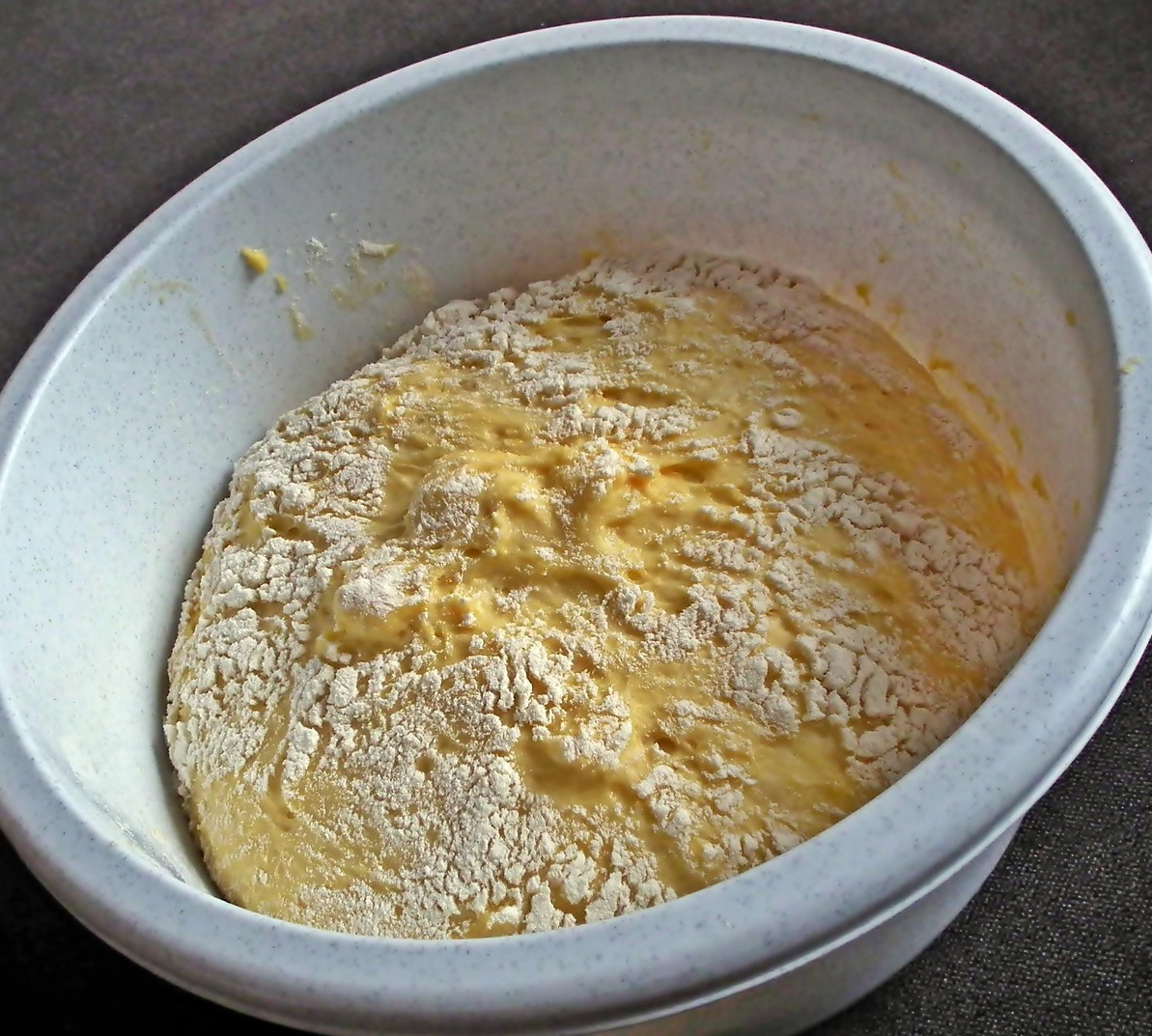
There was already a great lineup of gluten-free, high-protein ingredients, but when I was through, it kind of looked like a recipe list for Kitchen Sink Pancakes!

Any recipe for pancakes – for me – is more of a concept recipe. I might not have all the ingredients and/or I might make substitutions.

So, knock yourself out with this one.
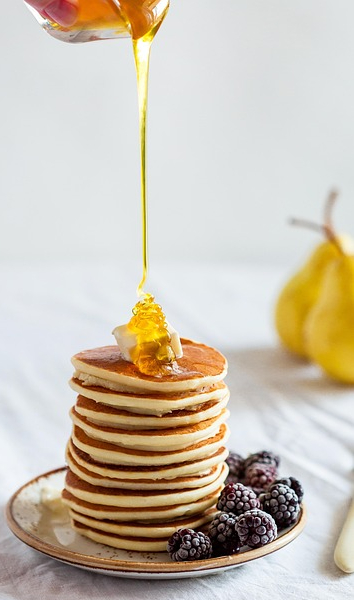
The core of the concept is to create pancakes that are:

1. Naturally sweet – needing no syrup to raise blood sugars

    2. Gluten-free – to be non-inflammatory and to support a happy belly

    3. High in fiber – to aide in digestion

    4. High in protein – to support growth and repair

    Pancakes are often the antithesis of these concepts because they are high carbohydrate, pro-inflammatory sponges begging for tons of butter and rivers of syrup.

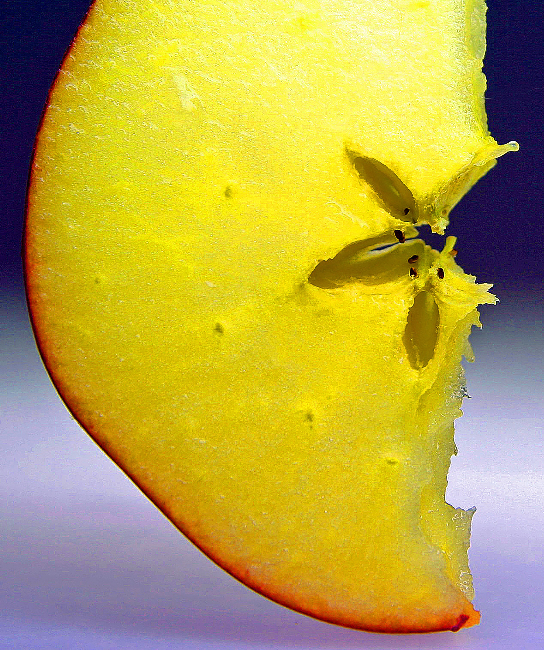
    The original recipe featured 2 grated apples – which was great because I had two apples that needed to be used. I also had one last banana needing a home, so I added that, too.

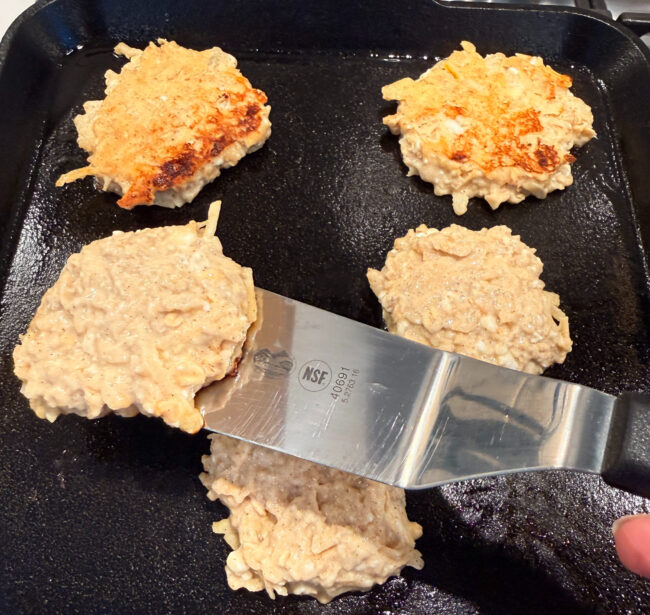
    Because of the overall course texture from the apples, oatmeal, and nuts, this pancake batter started looking more like fritter batter. So, that’s what I am calling these – pancake fritters!
    Here’s the recipe for Pancake Fritters:

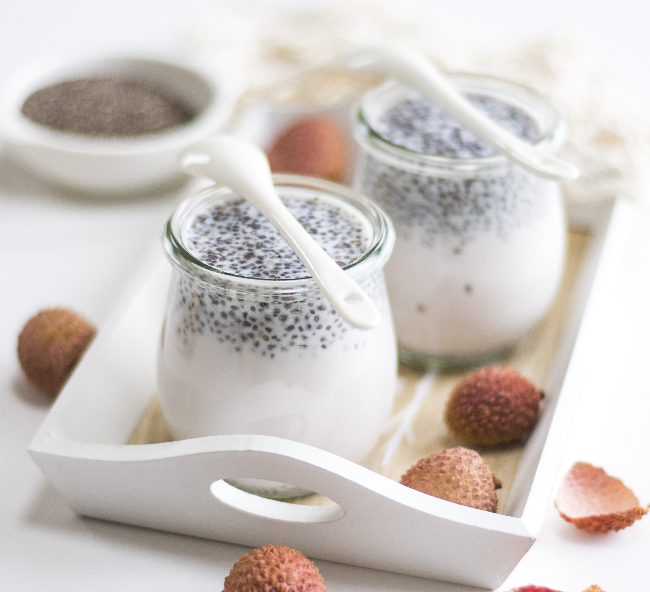
    First, stir 1 Tablespoon of chia seeds into 1/3 cup of water and set them aside to soak for at least 10 minutes to use in the wet ingredients. This provides fiber and protein.
    Then, combine the dry ingredients in a large bowl:

    -1 cup gluten-free oatmeal
    -1 teaspoon of baking powder
    -1/2 teaspoon cinnamon
    -Pinch of salt
    -2 grated apples

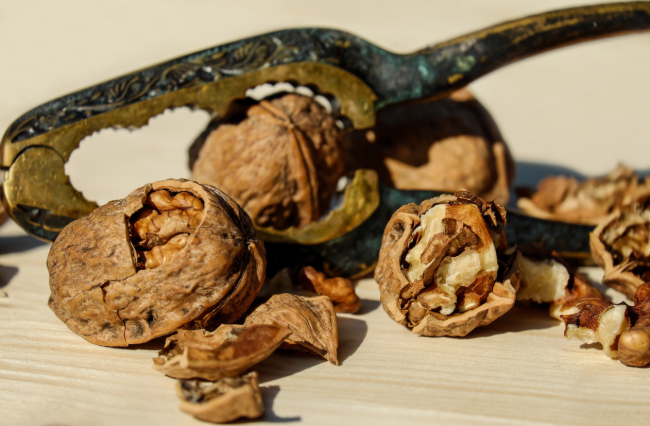
    Optional: a handful of chopped walnuts.

    In a food processor or in a bowl using an immersion blender, blend the following wet ingredients until smooth:

    • Soaked chia seed mixture
    • 2 eggs
    • 1 Tablespoon of olive oil
    • 2/3 cup of Greek yogurt
    • 2/3 cup of cottage cheese
    • 1 banana, broken into pieces
    • Vanilla to taste

    Add the wet ingredients to the dry ingredients, and combine. Add milk of choice to thin batter as needed or, if the batter is too thin, stir in 1-2 Tablespoons of gluten-free flour at a time, until desired consistency is achieved.

    Rather than normal-sized pancakes, I created smaller, fritter-sized ones, using a spoon to pat down a small scoop of batter placed on the hot, oiled griddle.

    This recipe will feed a small crowd, so feel free to cut this in half – I will, next time, for the two of us.
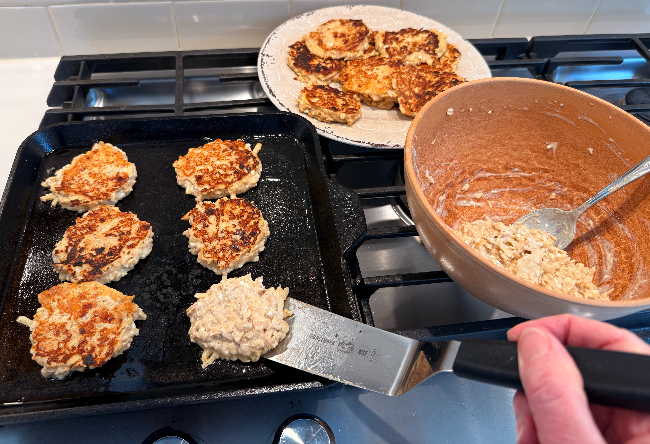
    The apple, banana, vanilla, and cinnamon help create a ‘sweet’ profile that simply doesn’t need syrup.

    Please download this delishiness, PANCAKE FRITTERS, HERE:

    The high-fiber and protein elements support lasting fullness and satisfaction.

    There are so many ways to adjust this according to personal preferences and what is in the cupboard or fridge at the time.
    I hope you enjoy it!

    In health –

    Deidre

    If you enjoy this post, you can subscribe with the knowledge that, after the three two emails and one personal introduction, you will just receive an email each Tuesday with the link to the new post. No annoyances in your inbox and no irritating pop ups while you read.

    To subscribe, scroll to the bottom of your device or to the left top on your computer screen to fill out the form. Thank you!

    FAT! (No, It’s Not What You Think)

    It’s a holy trinity of sorts … the three macronutrients found in the food we eat: carbohydrates, protein, and fat. These three, along with the micronutrients in food – vitamins and minerals – are what keep our bodies functioning at optimum levels. Macronutrients are the three elements we need to consume the most, followed by the micronutrients we also need, but in lesser quantities.

    Like most things dealing with our health, each element is linked to others in ways which creates dependency for successful functioning.

    Case in point – a recent email from Chris Kresser, reminded me of one of these vital connections between a macronutrient having a crucial role in our ability to absorb micronutrients derived from vegetables.

    He emphasized – eating nutritious food is just half the battle. How we prepare that food, either in cooking or presenting it – with a sauce or dressing, totally influences how much of the vital micronutrients we will absorb. And, absorbing the nutritive elements is why we eat, right?

    How sad it would be if we bought the best organic produce we can find, only to miss out in absorbing the nutrients we need.

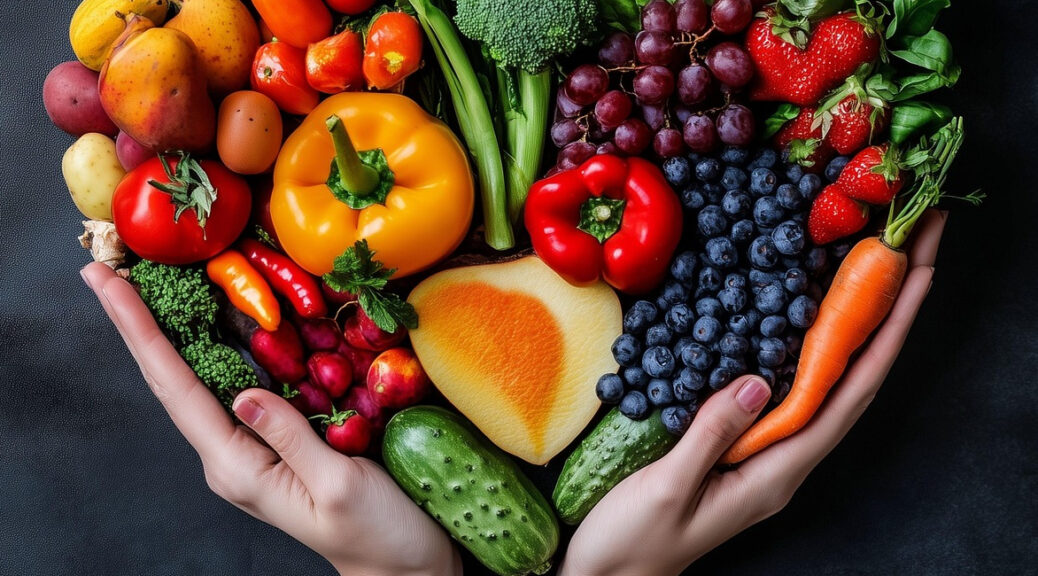
    Take the powerful carotenoids found in kale. Carotenoids are natural, fat-soluble yellow, orange, and red pigments synthesized by plants, algae, fungi, and bacteria. As powerful antioxidants, they protect cells from damage, support immune function, and are essential for eye health. 

    We want carotenoids, for sure!

    But in a 2025 study by the University of Missouri, researchers found that raw kale alone, produced very low carotenoid absorption, and cooking it slightly reduced the bioavailability further.

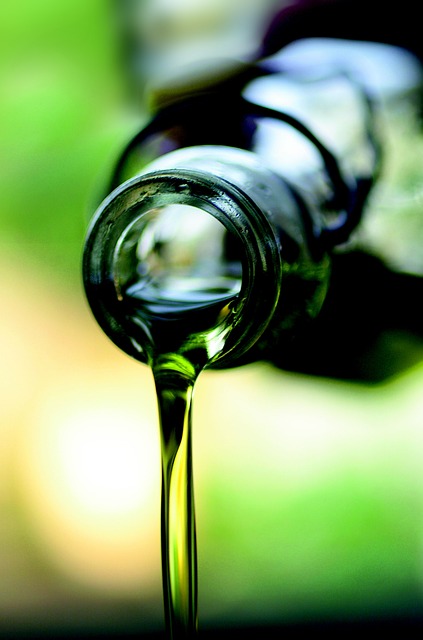
    A significant increase came when researchers added an oil-based sauce to either the cooking process or when the oil was added after cooking.

    You see, some of the micronutrients are fat-soluble nutrients, including vitamins A, D, E, and K – along with carotenoids like lutein, beta-carotene, and lycopene. These nutrients require dietary fat to be absorbed; and without it, a meaningful portion of these compounds pass through the digestive system largely unused.

    So, preparing and serving your healthy veggies without fat (eating raw or steaming), and then serving plain or with some kind of fat-free sauce or dressing, will work against your goal of absorbing the nutrients you are hoping to get.

    The no-fat craze definitely has its drawbacks.

    Another study by the University of Iowa found a dose-dependent relationship, with two tablespoons of oil producing a meaningfully greater absorption than smaller amounts.

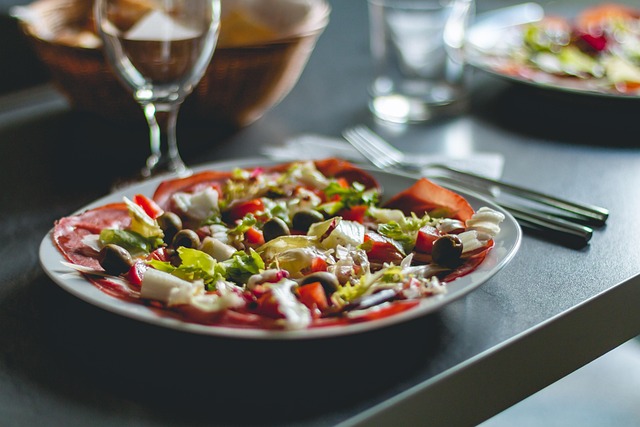
    Whether you are sautéing greens, roasting veggies using a drizzle of oil, or using an olive oil-based salad dressing – these oil-enhanced methods are effective in ramping up absorption of the critical elements we need.

    Next week, we will look at various kinds of oils because, of course, there’s a difference there, too.

    In health –

    Deidre

    Sharing is caring. Copy and paste the URL for today’s post or use the options in the MORE button below to share this post with others.

    Thanks.