

Happy St. Patrick’s Day!
Wow! I should be talking about green spaces, green foods, and living green!
Remember to immerse yourself in green spaces. Forest bathing, a practice highly revered in Japan, is simply the practice of being in nature. ‘Bathing’ ourselves in lush, green, forested spaces.

The results are beneficial in ways beyond the obvious reduction in stress and improved mood.
Studies have shown improved immune function, lowering blood pressure and heart rate, and decreased levels of pain.

Wow! Let’s take a walk under the trees!
Here at foodtalk4you, we are all about eating more green and colored vegetables.
In February, we touched on living green by eliminating plastic-encased pods for dish washers and washing machines.

So, while we are decked out in our best St. Patty’s Day green, let’s pick up our magnifying glass to take a closer look at choices for healthy oils that can help us get those vital nutrients from our green vegetables we talked about last week.
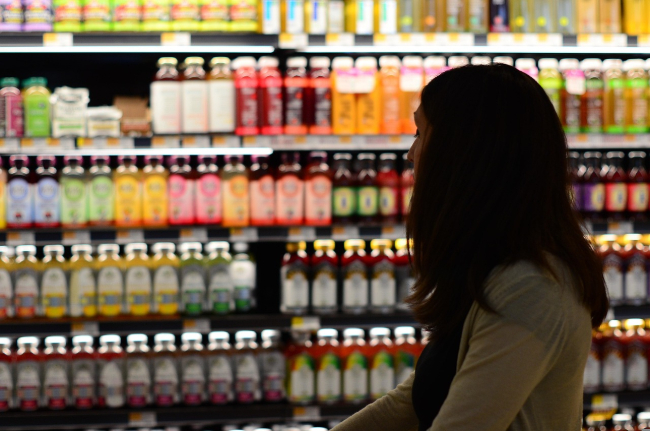
Just looking at the options at the grocery store or super center for oils can be daunting. Do you make your choice based upon price? Are there other factors?
If you are looking for a bargain, you are probably buying seed oils, including:
Canola oil (aka rapeseed oil)
Corn oil
Cottonseed
Grapeseed oil
Soybean oil
Safflower oil
Sunflower oil
Rice bran oil
Peanut oil
While being budget-friendly, seed oils have high concentrations of omega-6 fatty acids which promote inflammation. Seed oils are also found in abundance in highly processed fast food and pre-packaged convenience foods.
“Seed oils are chemically processed, which may include cleaning, pressing, bleaching, deodorizing, refining and, in some cases, adding a chemical solvent hexane for oil extraction,” Registered Dietitian Julia Zumpano explains. “The processing of these oils strips the seeds of their nutrients and could potentially add harmful ingredients.”
The fatty acids we need more are omega-3s.
Omega-3s are unsaturated fatty acids your body can’t efficiently produce (or produce at all) but still needs for several functions related to heart, brain, and eye health. They also support your immune system, digestion and fertility.
A diet that’s too high in omega-6s is also a diet that’s typically too low in omega-3s.
The ideal omega-6 to omega-3 ratio is 2:1 or 1:1, but for most Americans, the ratio is actually 10:1 or even 20:1!
Such imbalances have been linked to inflammation – even chronic inflammation – which is the hallmark of: arthritis, heart disease, metabolic syndrome, stroke, and type 2 diabetes.
So, what are the healthier options?
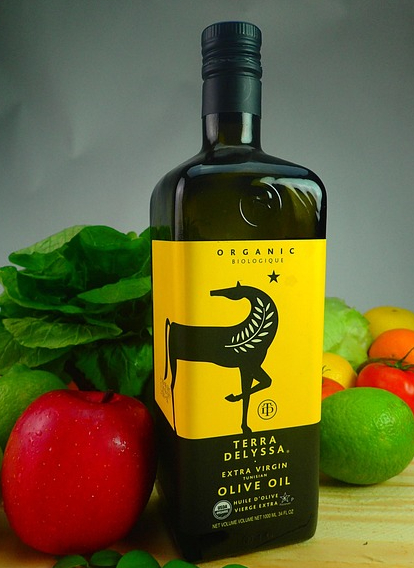
Extra Virgin Olive Oil (EVOO) – high in monounsaturated fats and antioxidants and has a good smoke point for low to medium heat cooking.
Avocado Oil – high in healthy fats and is suitable for higher heat cooking.
But wait, there’s more!
Are you buying these oils in plastic or glass containers?
The less expensive brands of these healthier oils are sold in plastic bottles. Does it matter?
Yes.

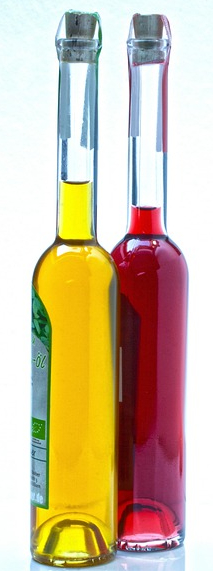
Dark glass bottles block UV rays and prevent oxidation, keeping oil fresh for up to 24 months. Oil in plastic can degrade in 3-6 months.
Plastic is porous; and oils, over time, can absorb toxins and PVCs from the plastic, whereas glass is chemically inert.
There you have it. Olive oil and avocado oil – in dark glass, please.
Making health choices every day –
Deidre
Are you using my Daily Affirmations? Included in the free download for Toolkit for Caregiver Emotions, is a page of calming and empowering affirmations. You don’t have to be a caregiver to benefit by using them – I use them daily!
Go to the Resources tab HERE. Get yours today!