


Getting your zzz’s on?
Well, I couldn’t wait. I have sleep data! Do you?
At home, we’re both wearing our Apple watches to bed – remember to charge them before retiring – just saying!
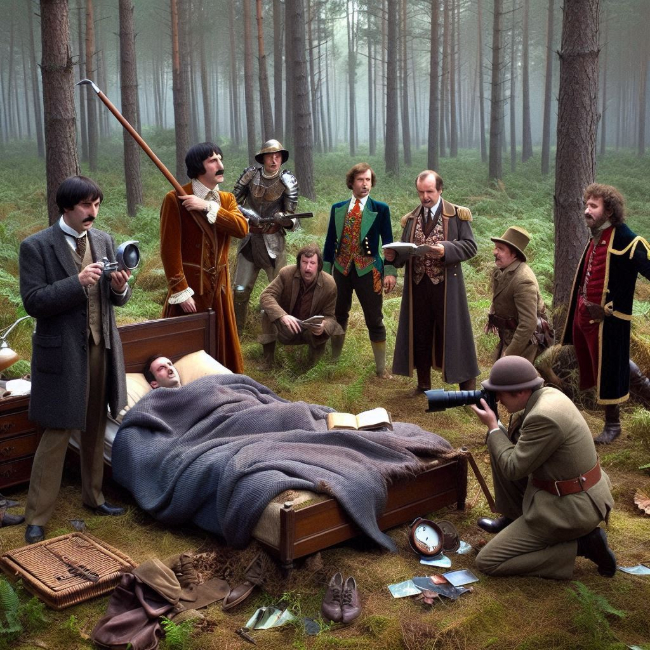
We feel like Monty Python in search of the Holy Deep Non-REM Sleep Grail!
As mentioned last week, the deep sleep part of our sleep cycle is important for healing, repair, and “taking out the trash” – ridding our bodies of metabolic waste. Scientists are seeing a correlation between decreased minutes spent during deep sleep and a buildup of beta amyloid plaque as seen in Alzheimer’s Disease (AD).
AD is a complex neuro-degenerative disease that is being studied from so many angles – and connecting dots from different correlations may nudge us toward a cure and, hopefully, prevention.

The goal of examining our sleep cycles here at FoodTalk4You is to better understand sleep’s restorative power — so we can improve our sleep quality and potentially prevent disease.
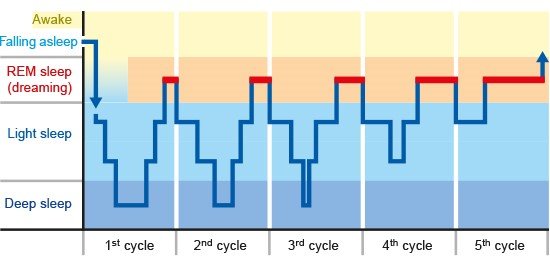
Let’s summarize what the sleep cycles are that we normally go through approximately every 90 minutes:
Stage 1: This brief, drowsy stage marks the transition to sleep, when your breathing and heartbeat start to slow down.

Stage 2: In this stage of light sleep, your breathing and heart rate slow even more. Your temperature drops and your muscles relax. Stage 2 sleep lasts longer in each cycle throughout the night. About half of your total sleep every night is spent in this stage.
Stage 3: Stage 3 sleep represents the deepest sleep of the sleep cycle, when brain waves are at their slowest in frequency and highest in amplitude. Also called non-REM sleep.

REM/Rapid Eye Movement: As the name suggests, your eyes move quickly beneath your eyelids during REM sleep. Your brain activity is like that of a person who is awake. However, your muscles usually do not move. Experts believe most of our dreams happen during REM sleep.

It’s normal to become awake at various intervals during the night. We might not remember having woken up and we ideally fall right back to sleep.
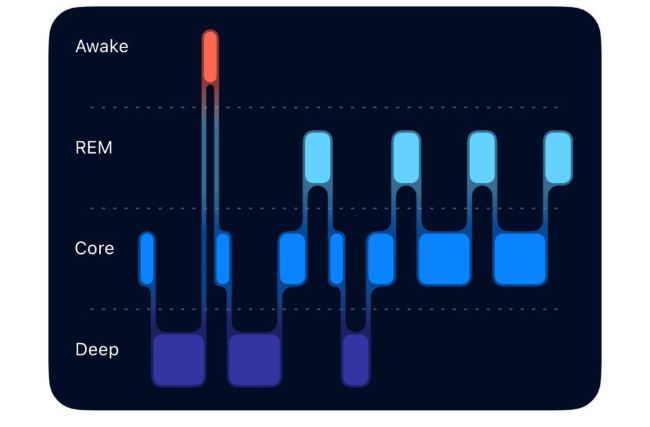
The Apple Watch labels its categories: Awake, Core (Stage 2), REM, and Deep (Stage 3/non-REM)

Check out how these stages ideally look:
Here’s how that translates to an Apple Watch:
Practically drooling with anticipation, I looked at my first night’s recorded results:
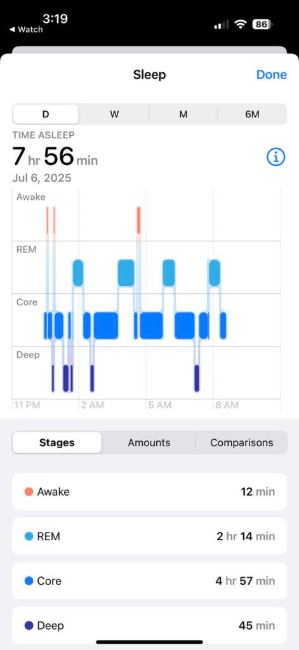
Is 45 minutes enough deep sleep? Am I doing my brain any good, please?
Well, grasshopper – not so much.
We need around 25% of our 7-ish hours of sleep time to be deep sleep – or 105 minutes. It’s totally okay to have our deep sleep happen over the course of several cycles.
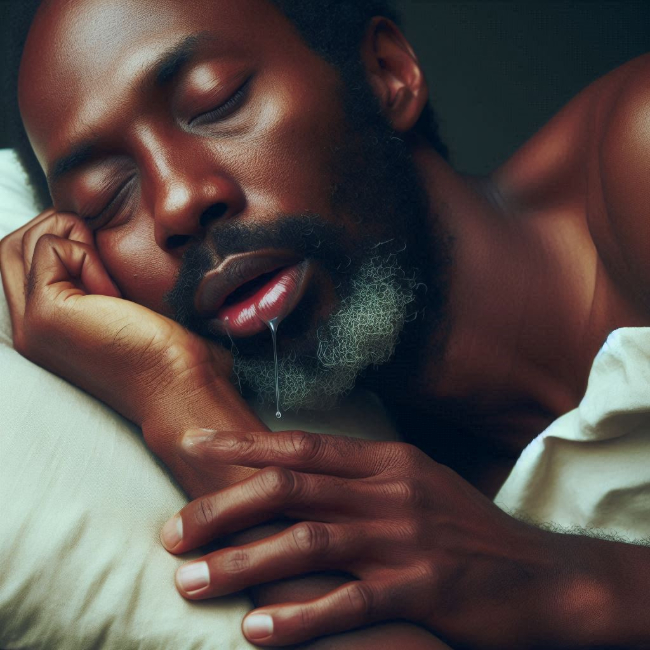
Which begs the question – how do I increase my deep sleep time? Tell me – I’ll do it!
It boils down to sleep hygiene: what we do prior to retiring for sleep and what our sleep environment is.
That, we’ll get into next week.
Wait! What?
Yes, this is the cliffhanger that encourages you to come back next week for more! Until then, let’s keep collecting our data.
Until then, a word from our sponsor:
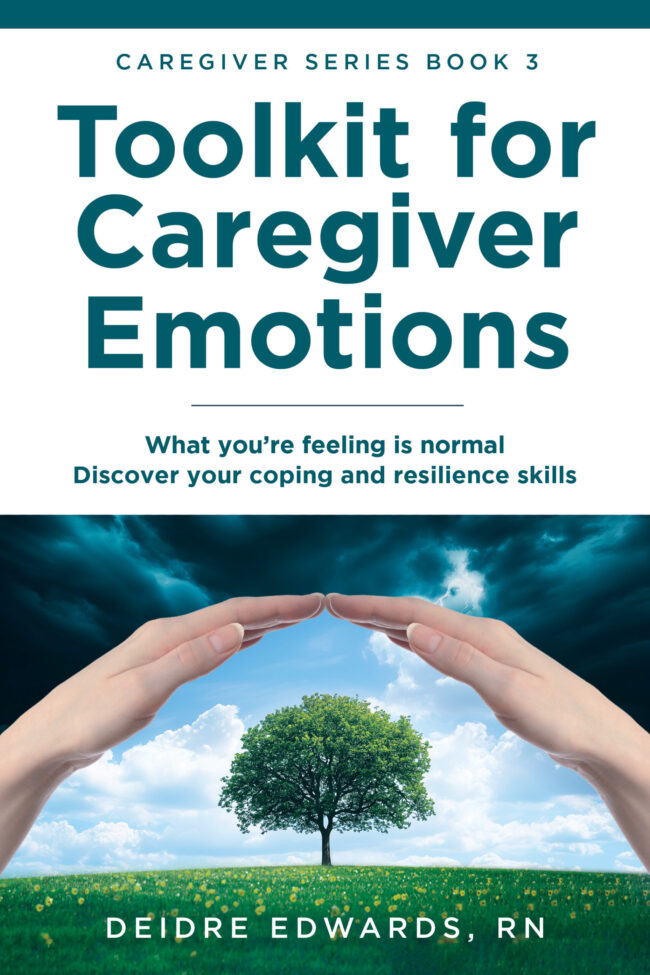
Toolkit for Caregiver Emotions is in the hands of my launch team for reading and leaving reviews on Amazon! Let me know if you would like to help by leaving a comment below or by emailing me at Deidre@deidreedwards.com and I will send you all the details – no purchase required! Reviews are the key ingredient to getting books before the eyes of those who are looking for them.
Now, how am I supposed to sleep?
In health –
Deidre