


A couple weeks ago, we were humming for hummus, when I shared a recipe and a technique that would yield the softest, fluffiest hummus ever.
Today, we are going to hum to de-stress!
BACKGROUND INFORMATION
But first, we will return to the classroom to review a very important nerve.
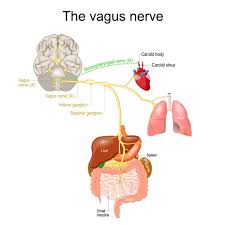
Behold, cranial nerve number ten, the vagus nerve. It’s also known as the “great wandering nerve” because it leaves the cranium and connects to organs throughout the body. The vagus nerve helps regulate essential functions like heart rate, breathing, and digestion.
By controlling those processes, the vagus nerve contributes to the body’s “rest and digest” response – helping to calm the body after stress, lower heart rate, improve digestion, and keep the body in balance.
But, what’s your point about that vagus nerve, you ask? Good question!
What if you could stimulate the vagus nerve to increase its calming effects?
We know yoga and mindfulness meditation help to calm the body as does breath work such as box breathing.
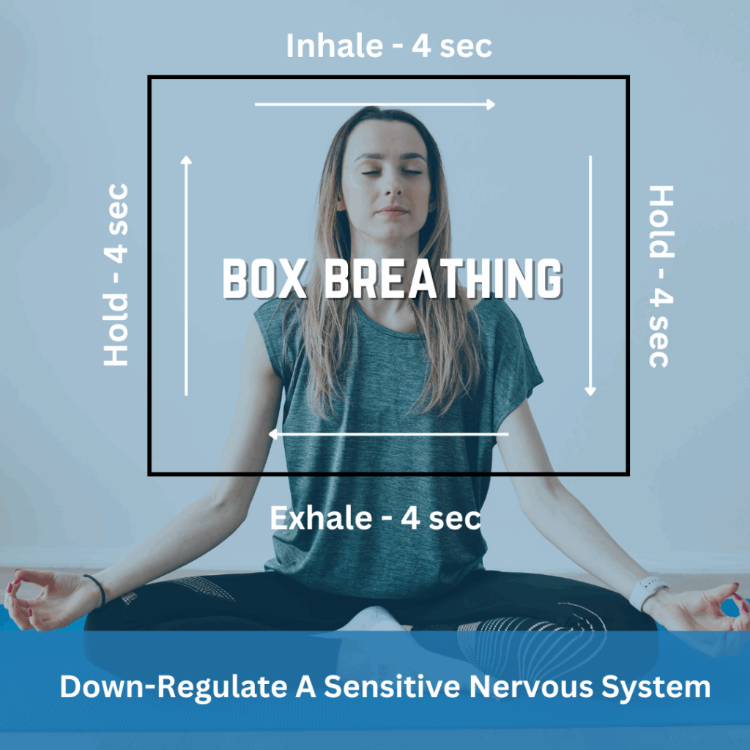
Today, we are adding humming to breath work because it increases the calming, de-stressing effects on the vagus nerve.
When we breathe through our noses, we produce nitric oxide in our nasal cavities. Nitric oxide (NO) is a colorless gas that relaxes the inner muscles of the blood vessels. This relaxation causes the blood vessels to widen and increases circulation.
This humming breath work I describe causes an increase in the release of nitric oxide, which in turn, increases the calming effects it has on the total body.

Nitric oxide also helps your body keep inflammation in balance. Under normal conditions, it supports healthy circulation and can calm inflammation; but when you’re fighting an infection, your immune cells make extra nitric oxide to help kill off bacteria, viruses, fungi, and parasites.
TECHNIQUE
A simple explanation for this humming technique is found HERE and simply involves inhaling through the nose and slowly exhaling by making a humming sound with closed lips.
You will notice a mild vibration happening in the nasal cavity. Interestingly, you can modulate the pitch of your humming to move the vibration more to the nasal cavity.
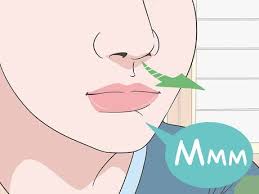
That’s it. Inhale through the nose and exhale as a hum – nice and easy, using all your breath.
It’s an excellent opportunity to practice “belly breathing” by feeling your belly fill and push out as you inhale, and gradually “deflate” as you expel your breath in a hum.
Gargling warm water is another technique that can contribute to the nasal vibrations that enhance nitric oxide release.
In the world of yoga, this technique is called Bhramari pranayama or “humming bee breath” and is beautifully demonstrated in the following video.
People have shared that regular vagus nerve stimulation through humming has been very successful in their ability to control chronic anxiety. Whatever your need, try some regular humming to get your day started off on a calmer note.
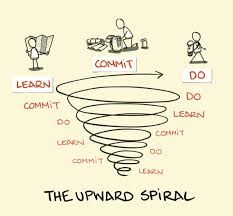
You know, there are no extra hours in the day to add a few minutes – even if it’s something good for me – but as a student of “habit stacking,” I now have a calming activity to do while I brew coffee each morning!
I have it on good authority that humming along with your toddlers as they play cars/trucks/tractors with their motor sounds going, can count for your regular daily humming sessions!
Humming along in health – Deidre