

Category Archives: Anti-Inflammatory Foods

I Love You, Snukums!

Few holidays garner such visceral responses.

Our early childhood saw us delighted with glue, scissors, red paper hearts, and lots of glitter.

Then we might have experienced fewer Valentines in our sacks at school than others, or maybe the ones we were given were not the prettiest of the bunch and amounted to getting the rejects.

Later, we pined for romantic Valentines complete with a hand-holding sweetheart.

No sweetheart? Well, then, we started disliking Valentine’s Day. “Happy Singles Awareness Day” became our slogan. Groan.

“I hate Valentine’s Day” can often be heard. Too bad.

I’ve had my share of being single for this festival of romantic love. It is tough. It does not feel good in the heart.

BUT – we can expand our view of this celebration by making a big deal out of ALL the forms of love we find around us. Honor family love, deep friendships, new friendships, and honor the friendless.

Today, I’m sharing two of my favorite ways of saying, “I love you!” One is a pastime that morphs with the seasons, and another is a special treat. It is my way of giving you something of myself that may brighten your day.
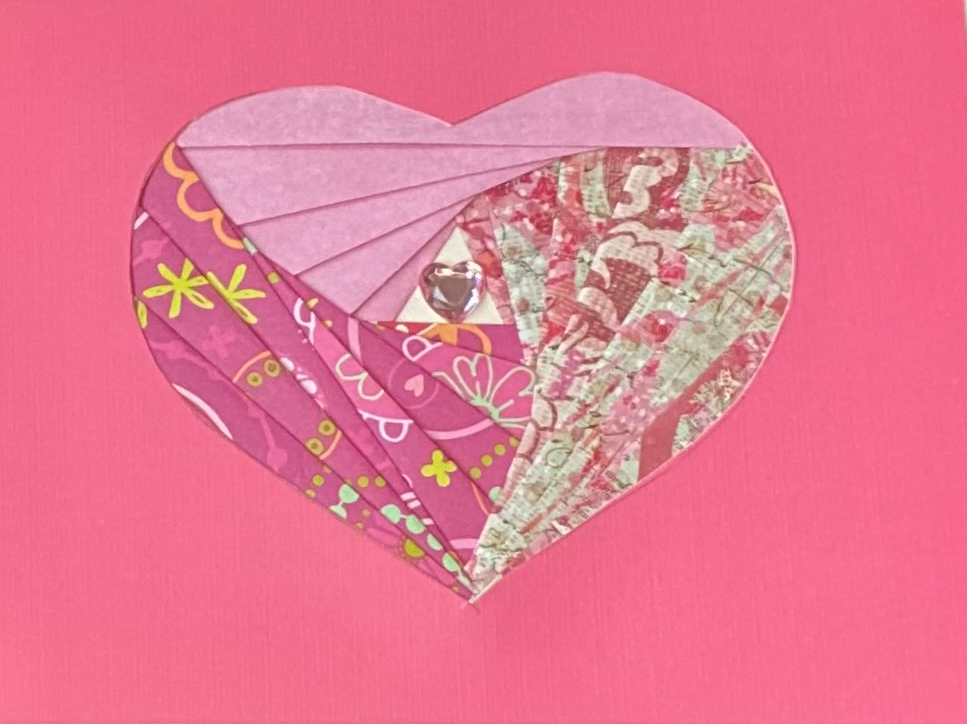
Cards made using Iris Paper Folding

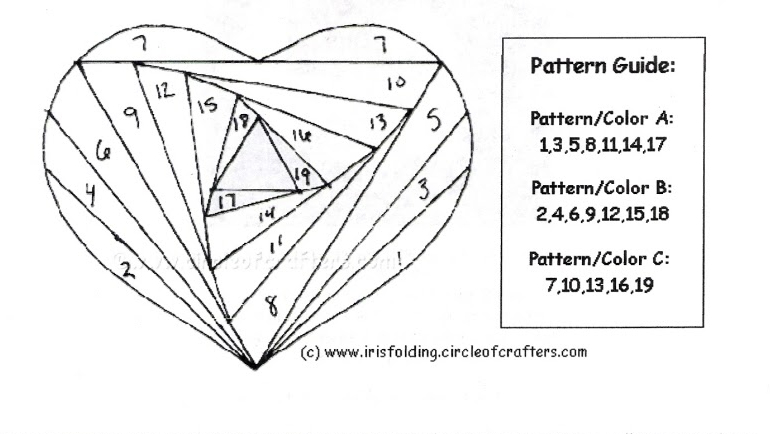
This art form uses the layering concept of a camera’s iris and this heart card is the first one I learned. The finished card’s look is infinitely variable and requires just few supplies and a pattern:

Supplies:

3 sheets of printed craft paper with complementary colors/designs
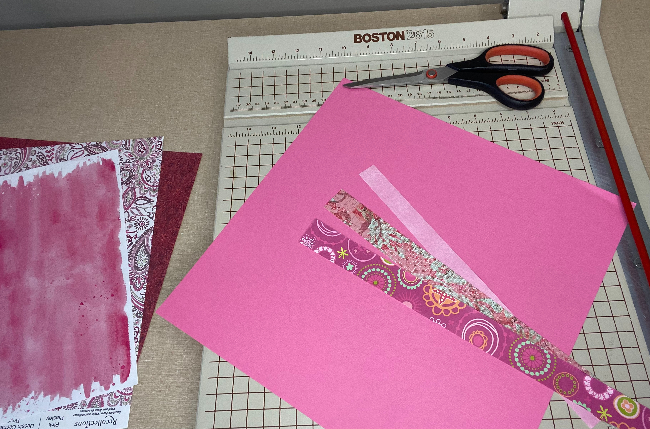
1 sheet of heavier weight craft paper for the card face plate

Blank card and envelope – 5 inch x 6.5 inch/12.7 cm x 16.5 cm white, ivory, or colored

Scissors are a must and a paper cutter if you have one.
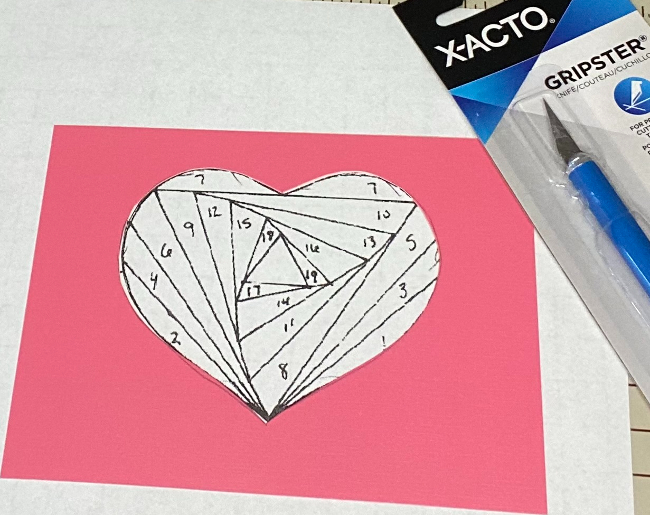
X-ACTO craft knife

Cellophane tape and double-sided tape

Small heart sticker or jewel sticker

Steps

Prepare the papers:

Cut the pink heart frame into a 6-inch x 4.5 inch or 15.24 cm x 11.43 cm rectangle.
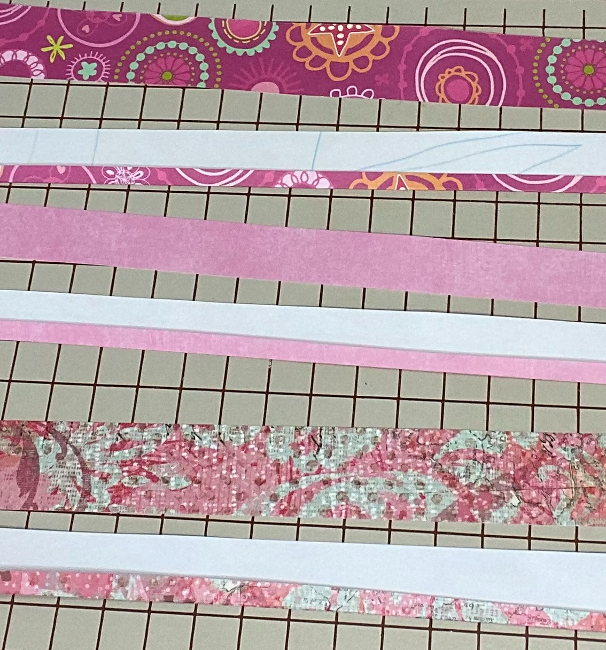
Cut your personalized-color fold-able sheets into 3/4 in or 1.91 cm strips using cutter or scissors – you will need 2-3 strips of each color.

Print two copies of the pattern.
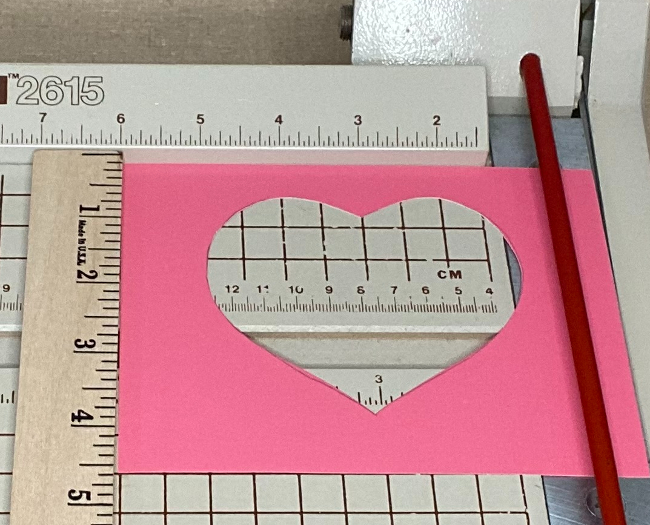
Using the crafter’s knife, carefully cut out the heart shape from one pink frame. *Make sure to use something to protect your table surface! I use the thick pressed cardboard found as a backing to packets of square craft paper.

Place and center the heart shape under the pink frame and trace around it’s shape with an erasable pencil.
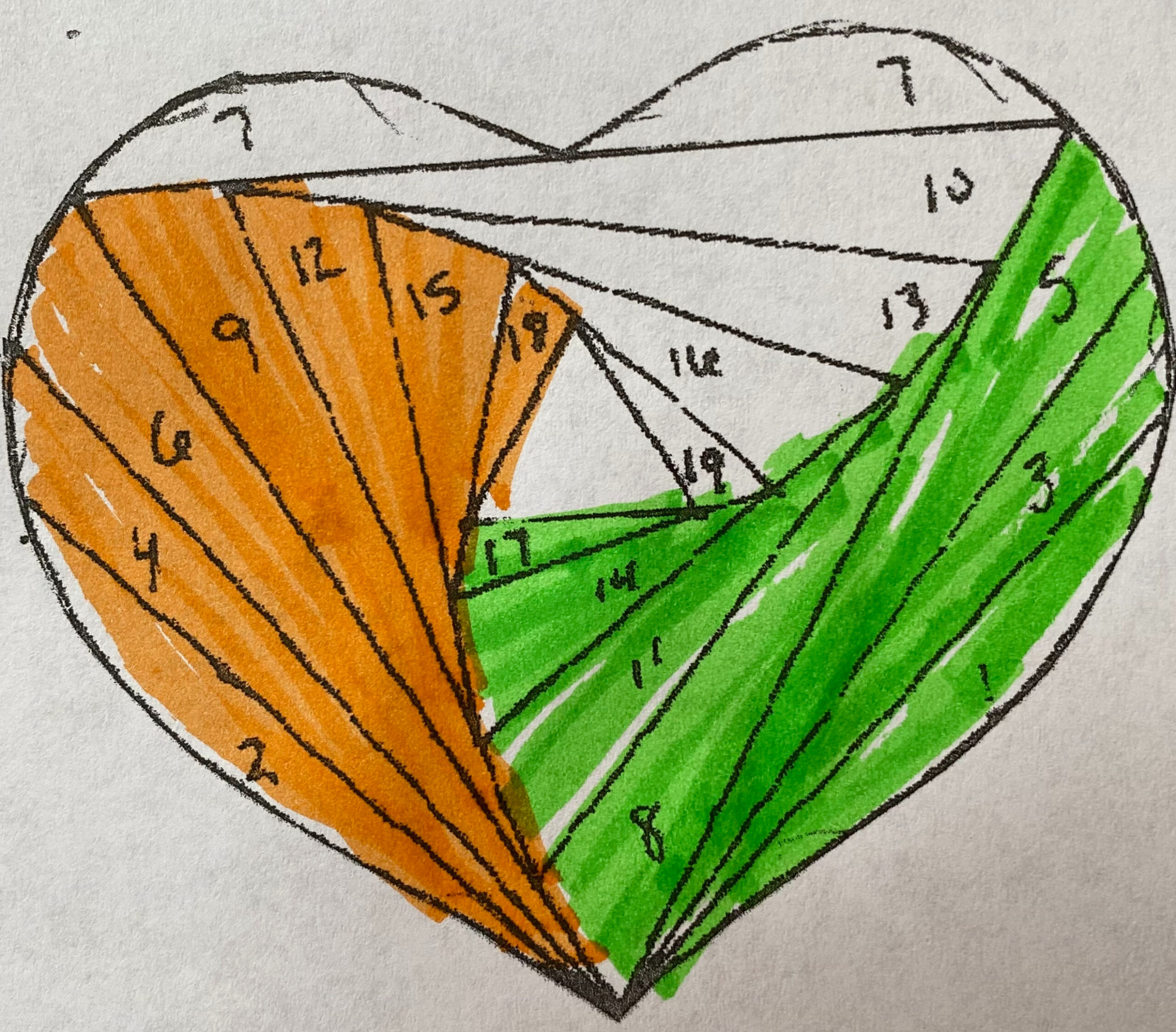
Using the craft knife, carefully cut out the heart. *Protect your work surface! Save the heart shape for future use on a different kind of card.

Tip: Color your second pattern with highlighters to make placing your three colors/patterns easier.
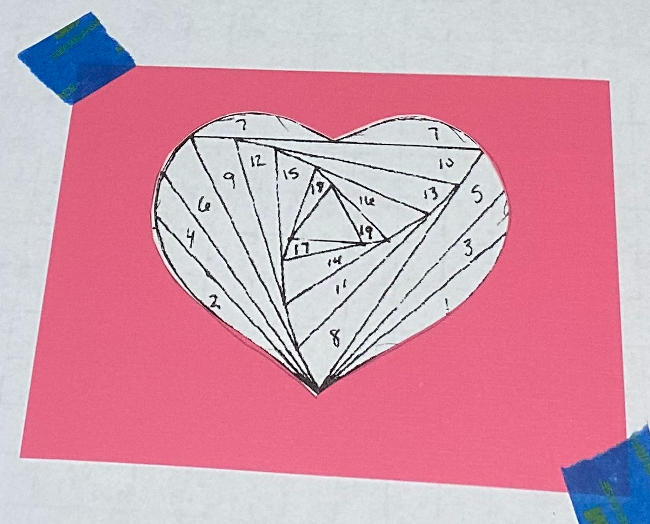
Put the resulting frame, with heart shape cut out, FACE DOWN over the whole second pattern and secure with a bit of painter’s tape at two corners.

Fold the edge of each paper as shown in the following photo.
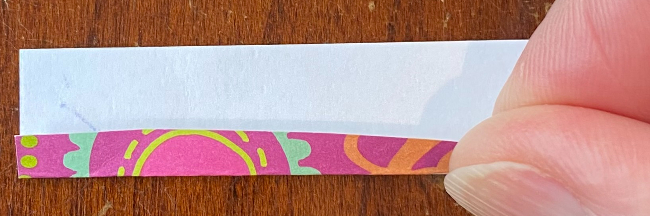
Using your first color, cut a piece of the strip a bit longer than the area needed for space #1. The folded edge will go toward the center of the heart. Secure each piece with tape at the end.
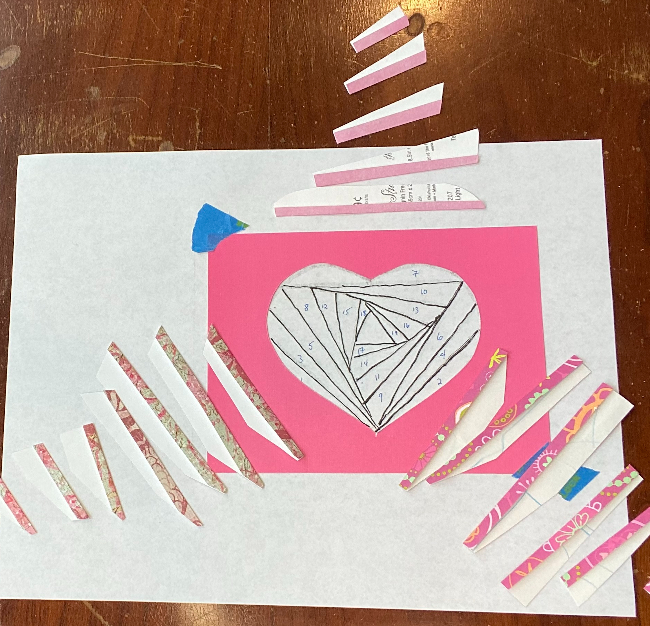
Note: I use a piece of tape that’s almost 1-inch long and tear that piece in half. Use these smaller pieces to tape the strips onto the heart’s frame back. Don’t allow any tape to be exposed to what will be the card front.
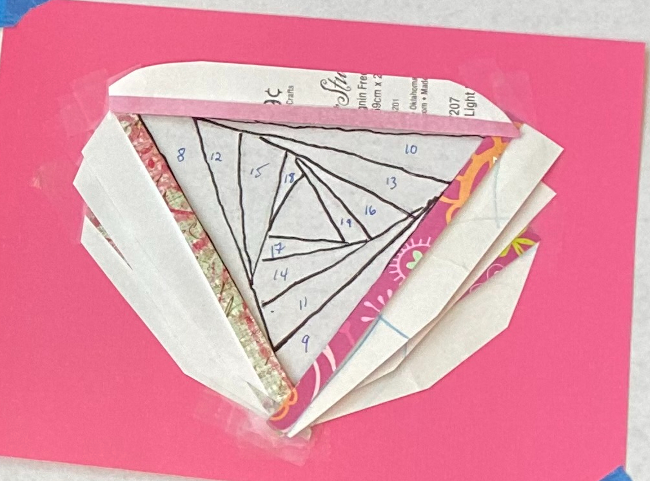
Continue taping trimmed pieces, following the flow of the pattern 1-2-3-4-5, etc.

NOTE: The point of the heart can get congested with extra paper, so trimming pieces to a point can help with that.

When all pieces have been placed, peel back the painter’s tape for the big reveal!
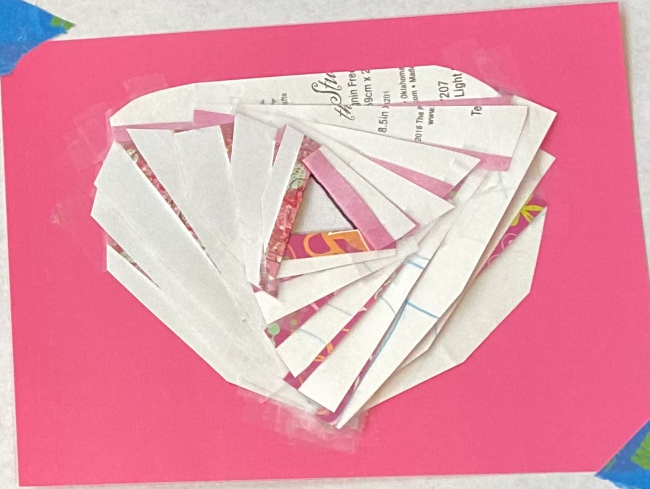
Next, using the double sided tape, picture frame the BACK of the card you just created. The tape should be placed as near the card’s back edge as possible and go completely around the card.
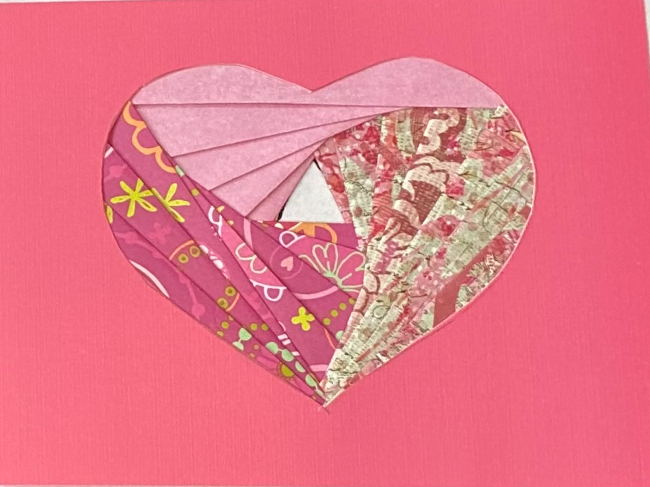
Fold the blank card stock in half, and carefully center your card over the blank card, lowering to the surface and pressing down all edges.

Select your heart sticker or jewel and place in the center of the iris.
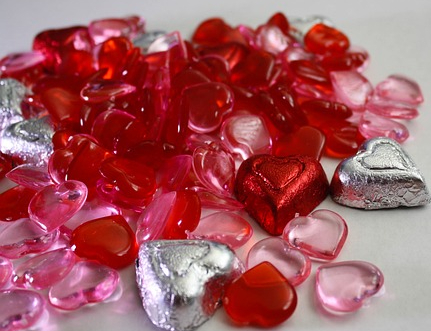
Voila!

Since there were no Christmas cards from me this year, my Valentine’s Day cards will be mailed to family and friends. It’s a gift they will treasure, and each will contain a note of appreciation and love.

Scones that love you back – Still a favorite recipe that is also an excellent way to say, “I love you!” or, “I appreciate you!”

Just download and follow the recipe. What a perfect Valentine’s touch to breakfast on the 14th – or any day!

Who can you craft a card for? If not a romantic love, there’s someone who needs a special note of caring from you. Who will it be?

Feel free to share the love of this post by using the social medial options under the MORE button below.

In love and health – I truly appreciate each one of you!

Deidre



Cooking up a storm! 

Things happen in the kitchen around here. New recipes are born, some tweaked, some are made once and forgotten, some are made over and over, and some are shared. 

Let’s start with the spankin’ new baby of a recipe I made this morning for the second time – just to make sure it wasn’t an accident – and I even remembered to take a few pictures this time. 

As two well-ripened bananas stared at me begging to be used, I was trying to recall a recipe that used bananas to make pancakes.  

Couldn’t remember it. 

Meh. Never stopped me before. 

Pancakes don’t hold me long enough to eat just on their own. Nope – I need protein.  

How about getting all the needed protein, fiber, and potassium in the pancakes themselves?  

Done and done! Check this out: 

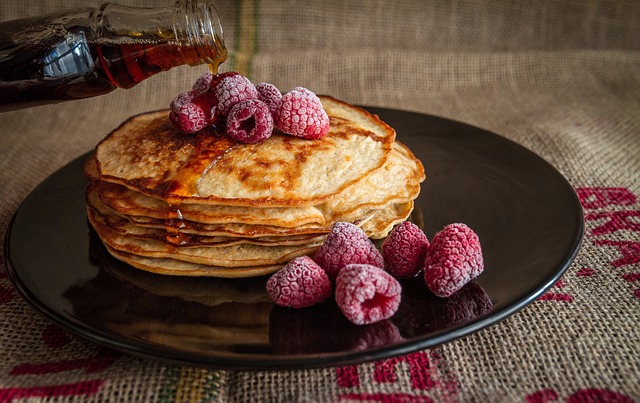
Almost Flourless Banana Nut PANCAKES

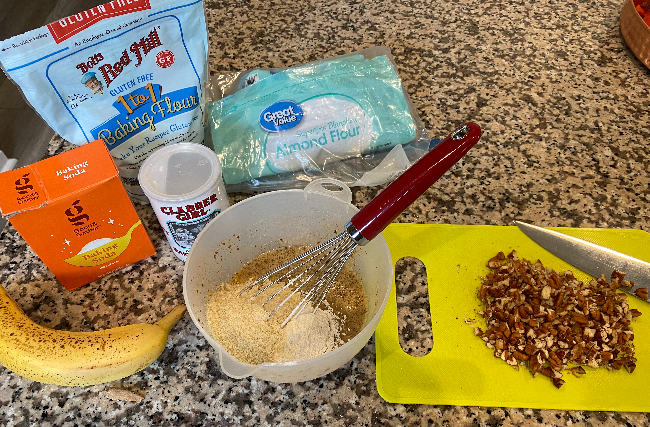
2 very ripe bananas – peeled, and smashed with a fork in a separate dish 

3 large/extra-large eggs – whip eggs in medium bowl using a wire whip.  

Then add the eggs: 

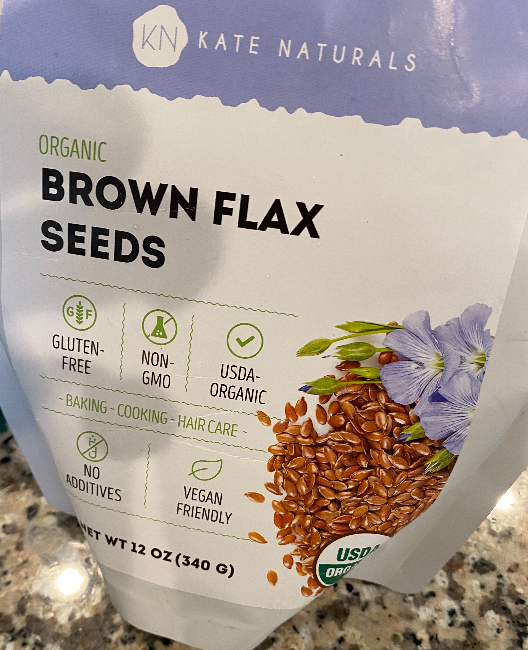
3 Tbs. whole flax seeds, freshly ground 

¼ cup almond flour 

¼ cup 1-to-1 gluten free baking flour 

Salt to taste 

Cinnamon to taste 

½ tsp. vanilla extract 

¼ tsp. baking powder 

¼ tsp. baking soda 

½ cup coarsely chopped nuts – pecans or walnuts work great 

Stir together and then add the mashed bananas. 

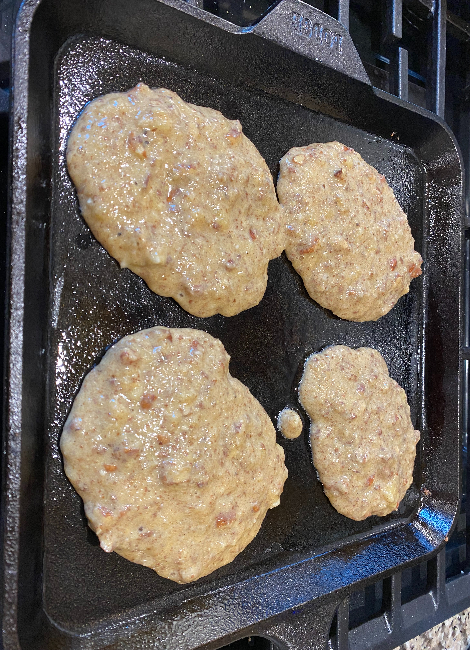
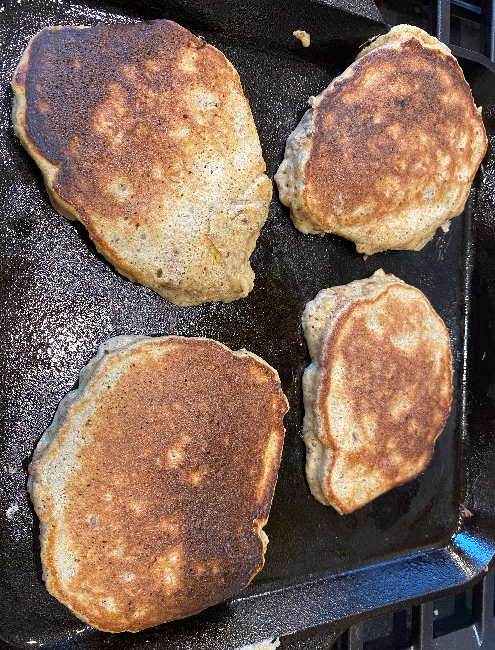
Ladle the pancake mixture on a griddle that has been coated with oil over medium heat and cook the pancakes.  

The sweetness in the bananas can cause rapid browning, so watch the timing and level of heat. 

We found these to be pretty yummy, naturally sweet, and not needing vast amounts of maple syrup to make them moist. 

This recipe was enough for two people with a couple of pancakes to spare. 

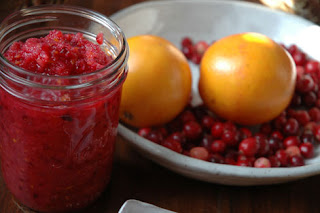
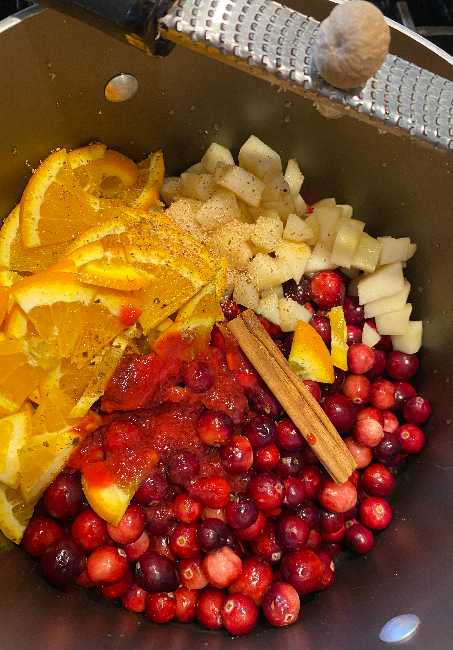
Anytime I can cook in advance, I’ll do it – especially as holiday events unfold – so today, in early November, I am prepping ingredients for my very popular Cranberry Sauce. Once made, this will be divided into smaller portions and frozen.  

I’ve shared this gem before with you, but thought it merited being seen again. People who avoid cranberry sauce often rave about this one and ask for the recipe – so, let’s get to it: 

CRANBERRY SAUCE 

This is not your normal Ocean Spray Cranberry Sauce which uses a full cup of sugar for each bag of cranberries. We use half that, and yet maintain sweetness levels through the addition of other healthy fruits.  

Ingredients 

2 – 12-ounce bags of fresh cranberries, rinsed and culled of soft berries  

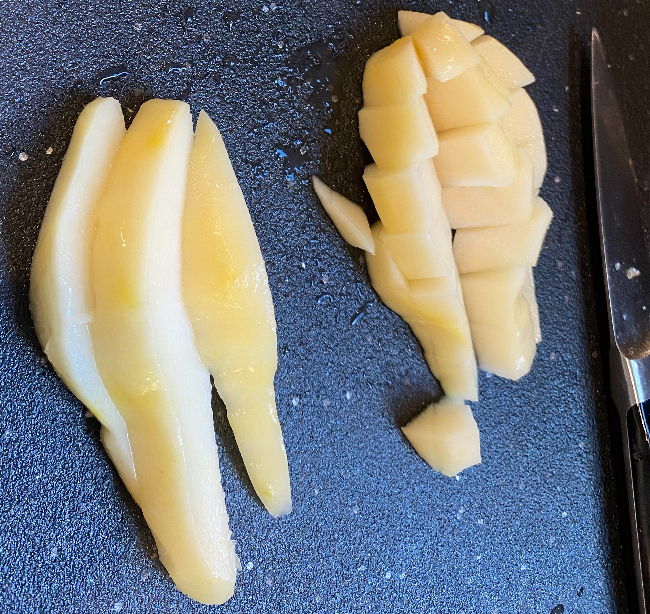
1 pear, cored, peeled, and diced 

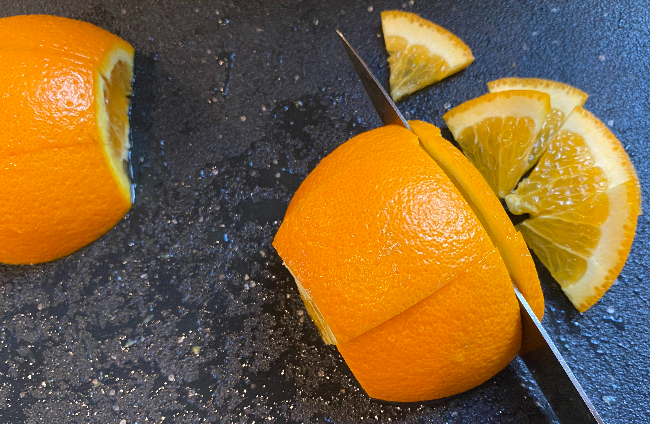
1 orange – cut rind off top and bottom, quarter, and thinly slice 

Secret Ingredient: RASPBERRY ESSENCE – method to follow 

¾ – 1 cup sugar – can be a combination of sugar and erythritol/monk fruit sugar equivalent 

¾ – 1 cup water 

Whole cloves – about 15 buds removed from cloves 

1 – 2 cinnamon sticks 

Dash of nutmeg 

Raspberry Essence Method 

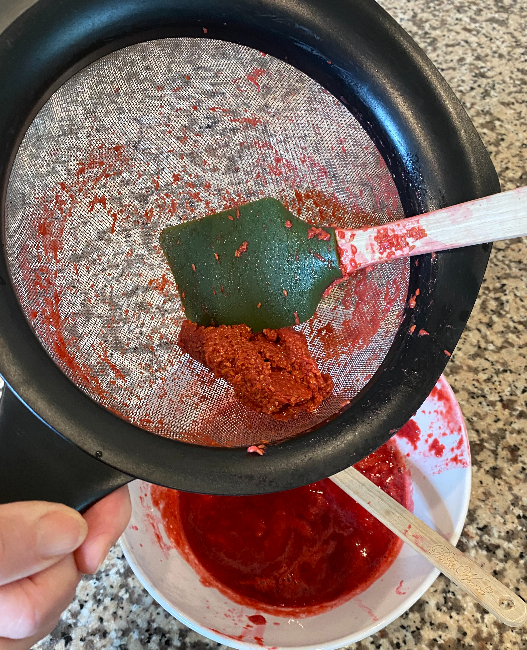
Essence: In a small saucepan, gently cook 1 cup fresh raspberries with about 1 Tablespoon sugar and 1 -2 Tablespoons of water. Pour cooked berries into a strainer above the large pot being used for the cranberries. Using a silicone spatula, press raspberry pulp through the strainer. This takes a while. Press, scrape, press, scrape. The raspberry pulp will accumulate on the outside of the strainer – scrape off this essence into the big pot. Note: use a different silicone scraper to scrape the essence so seeds do not transfer. 

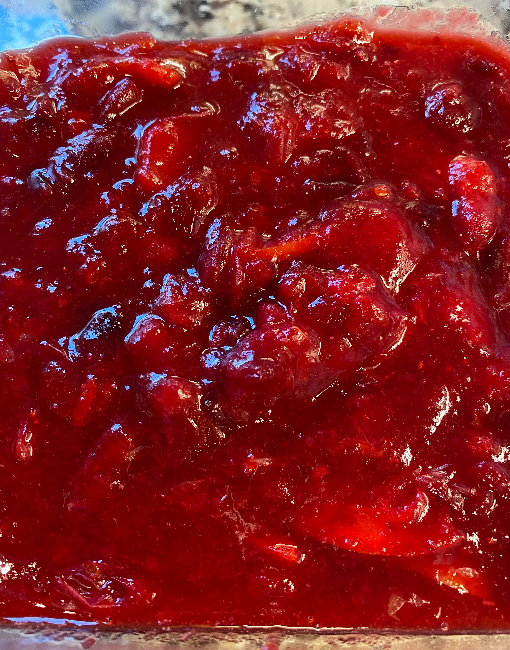
Add all remaining ingredients into the large pot and cook over medium heat. The berries will pop as they cook. Stir occasionally. When heated and bubbly, you can lower the temperature a bit and “smush” the berries against the pan to assist in popping. Continue to cook until ingredients meld into a thick sauce. Adjust for sweetness, if desired. 

Transfer into a serving or storage dish, remove cinnamon stick, and cool. The resulting sauce more closely resembles a jam. 

In addition to being offered as a colorful relish to accompany turkey, chicken, or pork, this sauce/jam can be spread on top of nut butters (almond is my favorite) as a twist on PB and J. 

We are making both recipes downloadable so you can keep them handy. 

Click Here for:  ALMOST FLOURLESS BANANA NUT PANCAKES

Click Here for: CRANBERRY SAUCE 

Eating healthy and staying in health through the holidays –  

Deidre  

If you think someone you know would enjoy this post, please share using the options under the MORE button below. 

Stock or Broth? That Is The Question!

I’m tired of going to the grocery store to buy broth … or is it stock? … for a recipe, and getting thoroughly bumfuzzled concerning which is which.

There I stand – a box of each type in my hands. Reading the labels – yet again – trying to tease out the difference.

Help!

Determined to ferret out the difference and to commit it to memory, I am on a quest – taking a deep dive into online education.

My query’s answer starts like this:

Bottom line:

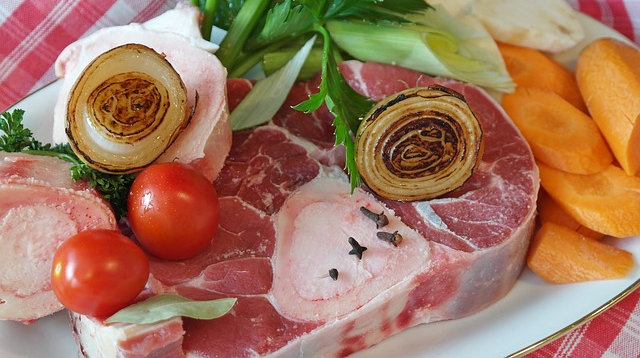
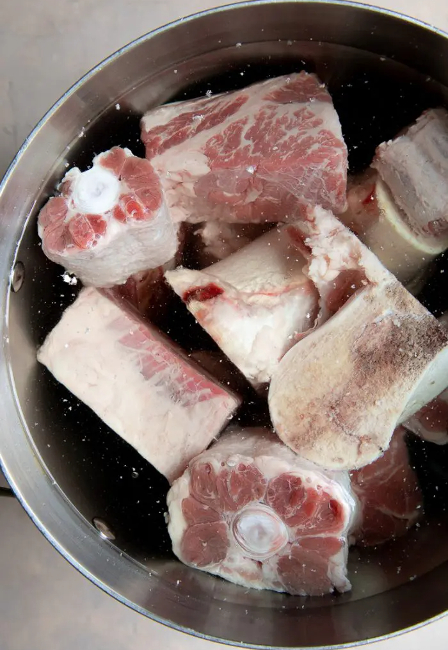
Stock is made from bones, while broth is made mostly from meat or vegetables.

Fair enough.

But wait a minute … I was having this debate about vegetable stock versus vegetable broth just yesterday in the middle of my local Harris Teeter. Last time I checked, vegetables do not have bones.

This is not helping me.

We continue:

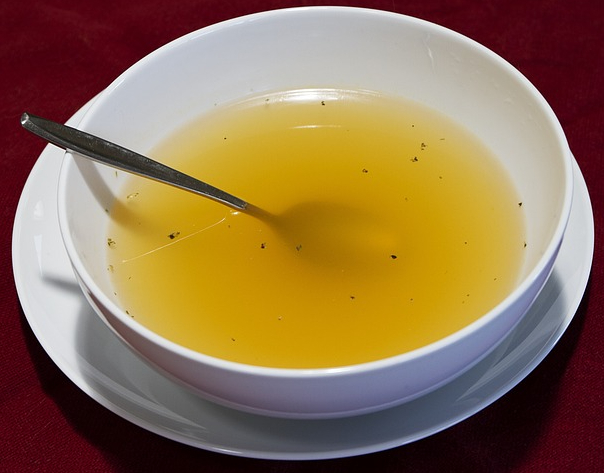
Broth is traditionally made by simmering meat in water, often with vegetables and herbs. Today, however, vegetable broth has become very common.

Using bones in stock creates a thicker liquid, while broth tends to be thinner and more flavorful.

Ah-hah!

But remember about “bone broth” and all those who drink it for its nutritive values? Huh? Huh?

Bone … broth …

Bone broth is technically stock because it requires the addition of bones!

Give me a break.

Basically, in creating either stock or broth, the key is in how long to cook it.

Bones should be simmered a long time to derive the best nutritional profile.

Using meats to flavor the fluid requires a shorter cook time because overcooked meat gets tough – limit cook time to about an hour – because the cooked meat is usually eaten either in the soup or in another recipe.

Risotto

According to healthline.com, the most common dishes for using broth are:

Cream sauces

Risotto

Dumplings

Stuffing

Casseroles

Stuffing

Cooked grains and legumes

Gravies

Soups

Sauteed or stir-fried dishes

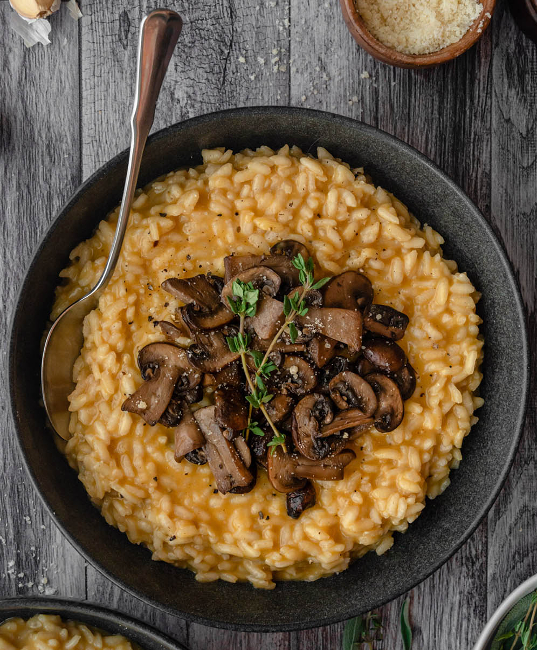
So last night’s delicious Curried Pumpkin and Mushroom Risotto that I made with vegetable stock was created all wrong. The recipe can be found on the website, EatingWell.com.

Dag-gum boneless vegetables steered me wrong.

From now on, I’m just going to grab broth – no bones about it.

Still confused –

Deidre

Spread the joy by sharing with this post with others using the options under the MORE button below.

It’s Fusion, Baby!

Last November/December on our holiday trek to Williamsburg, Virginia, we kept returning to a great restaurant – Amber Ox – just to continue our explorations of their flavorful and expertly crafted meals and drinks.

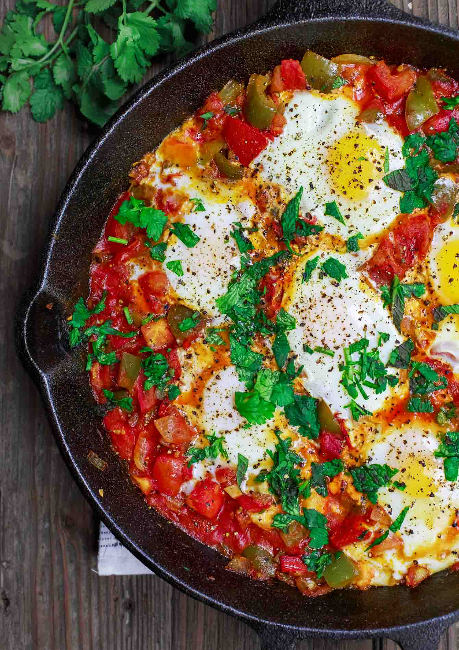
It was at the Amber Ox, I first experienced eggs cooked in a Shakshuka Sauce. Savory, spicey, and delicious – especially when sopping up the sauce with their amazing fresh baked bread.

Shakshouka/Shakshuka is a Maghrebi dish of eggs poached in a sauce of tomatoes, olive oil, peppers, onion, garlic, and spices. When the sauce is hot and bubbly, eggs are cracked into an indention made in the sauce, covered with a lid, and left to cook to the desired doneness.

After the introduction of Shakshuka Sauce, I was quick to spot jars of it in various stores. Yeeha!

But, I pretty much am cooking for just two people, and a Costco-sized jar of sauce was partially used, frozen, and thawed a bit to use some more … you understand the problem.

Well, once again, a recipe is born out of longing for a certain flavor profile with easier-to-access supplies.

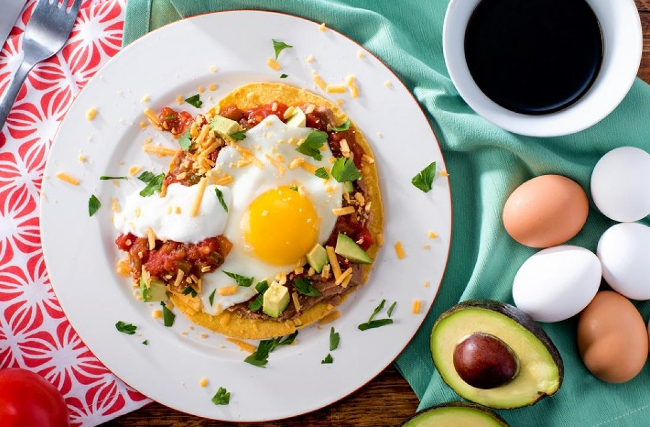
Flashback to my first introduction to breakfast spiciness – Huevos Rancheros in Sacramento, California – when I was just beginning to develop a palate beyond middle-of-the-road American.

Huevos Rancheros meets Shakshuka!

It’s fusion, baby!

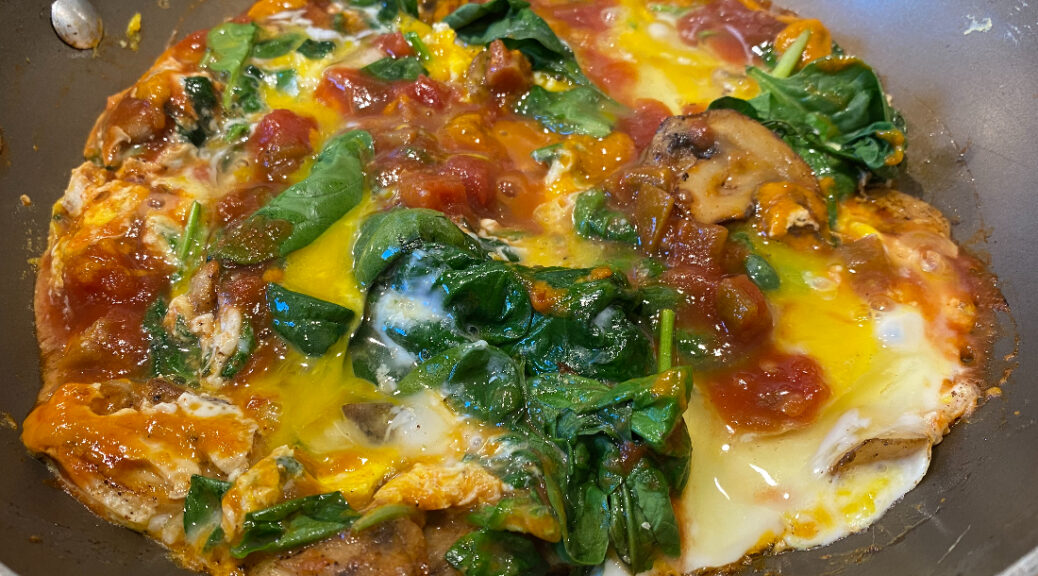
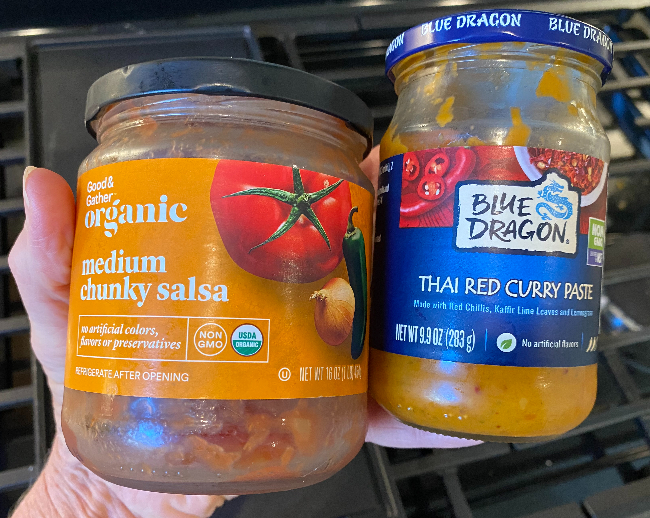
With a handy, ever-present small jar of salsa and a new staple in the fridge – a small jar of Thai Red Curry Paste – I can easily assemble some savory/spicy eggs.

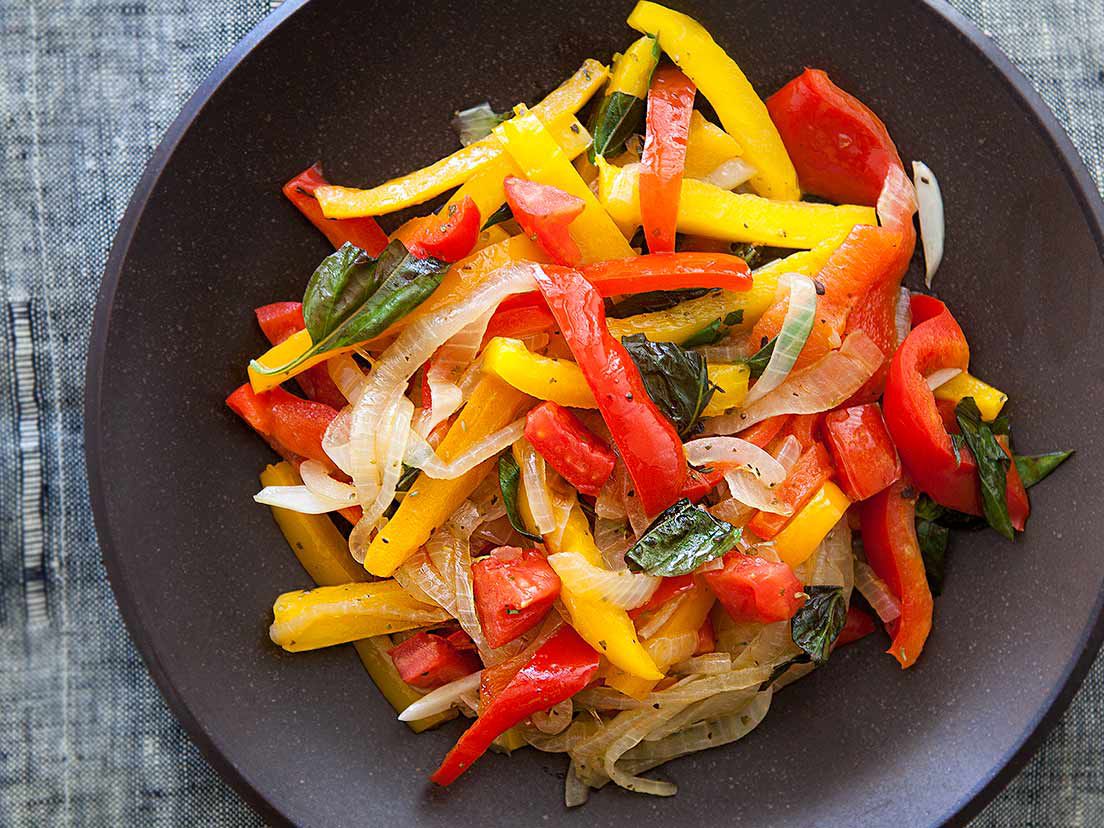
After sauteing whatever veggies I have on hand such as:

Onion

Garlic

Bell pepper

Mushrooms

Spinach

Leftover cooked butternut squash

I add salsa and several dabs of the Thai Red Curry Paste. Stir to combine. Make indentations for the eggs. Crack the eggs into their nests. Add crumbly cheese on top, if desired. Cover with a lid and cook until done.

This morning I scrambled the eggs a bit in place in the pan and flipped sections over to cook uncovered on both sides.

So good.

This warming recipe is so versatile. I encourage you to try a little fusion at breakfast.

Sharing this post is easy by using the options under the MORE button below.

In health –

Deidre
What’s a CSA again?

Last week, I mentioned Community Supported Agriculture, or CSA, as my daughter’s weekly resource for fresh produce and a variety of other food items. I thought the topic deserved a post of its own.

Most of us think that going to the local farmer’s market is the ultimate in weekend enjoyment, community connection, and the best resource for fresh – usually organic – produce and food stuffs.

That’s all true.

But a booth at the farmer’s market is not free, and requires hours of setup/take down time that produces no income.

To truly support small organic farmers, many communities and farmers are turning to CSA’s.

But how does this all work? Does your community have one?

A quick check, with a nearby university with an agricultural department, led me to this site: Community Supported Agriculture (CSA) Resource Guide for Farmers | NC State Extension (ncsu.edu), which explains the concept:

CSA is a production and marketing model whereby consumers buy shares of a farm’s harvest in advance. Consumers become CSA members by paying an agreed amount at the beginning of the growing season, either in one lump sum or in installments. The annual cost, generally ranging from $400-$700, depends on the length of the harvest season and the variety and quantity of products provided.

This upfront payment helps buy the seed and other inputs needed for the season and provides the farmer an immediate income to begin. By paying at the beginning of the season, CSA members share in the risk of production, and relieve the farmer of much of the time needed for marketing. This allows the farmer to concentrate on good land stewardship and growing high quality food.

Read more at growing small farms.

Your community may call this something else, but I am confident there is a similar program near you that could be accessed through a university or agricultural extension office.

The farmers fill the weekly orders at a convenient drop-off location, and subscribers pick up their custom orders.

Easy peasy. No standing in the heat at a farmer’s market – for either the farmer or the customer.

I will be checking out the location of the nearest CSA next spring, so I can get some top-quality veggies, eggs, meat, and other food items.

How about you?

By using the sharing options in the MORE button below, you can spread the love to a friend and will help foodtalk4you.com to grow. Thank you!

In health –

Deidre

As an Amazon Associate, I earn from qualifying purchases.

There’s a Fungus Among Us!

What’s your first memory related to anything looking like a mushroom?

For me, it would have to be my mom in a near panic saying, “Don’t touch that! It could be poison!” This was the message as my childish fingers reached for a toadstool.

Her messages did the trick – I never attempted to eat anything growing in the yard or anywhere else that looked like a mushroom – I stuck with cultivated, generic-looking mushrooms found on the grocery shelves of the local market, thank you.

News stories of so-called experts dying from eating what they foraged for in the forests have also kept me staying with what I could find in the store.

But mushrooms are entering the conversations of the health-conscious more and more.

While many enthusiasts are running to the supplement stores for mushroom powders and pills, I’m getting acquainted with a wider variety of mushrooms as food, because sauteed mushroom slices can add so much texture and flavor to any meal.

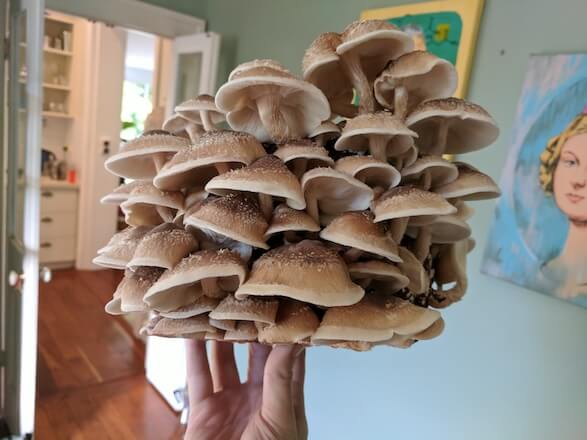
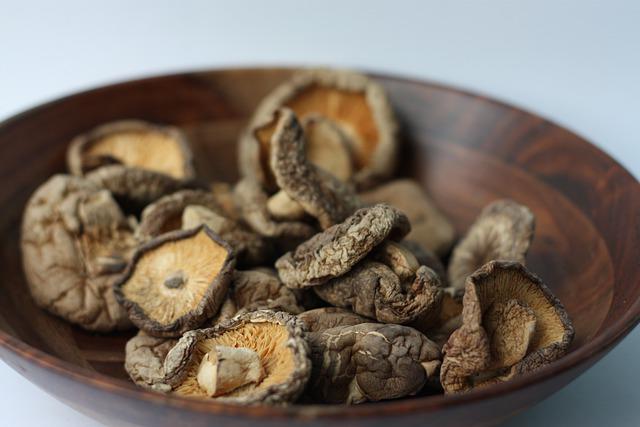
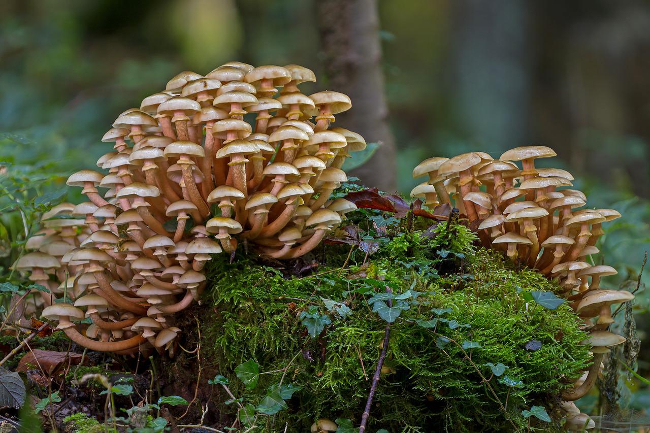
Shiitake Mushroom Cluster

After experimenting with using portobello caps as buns for hamburgers – ugh, I could never get those right…too juicy – I am learning about other options.

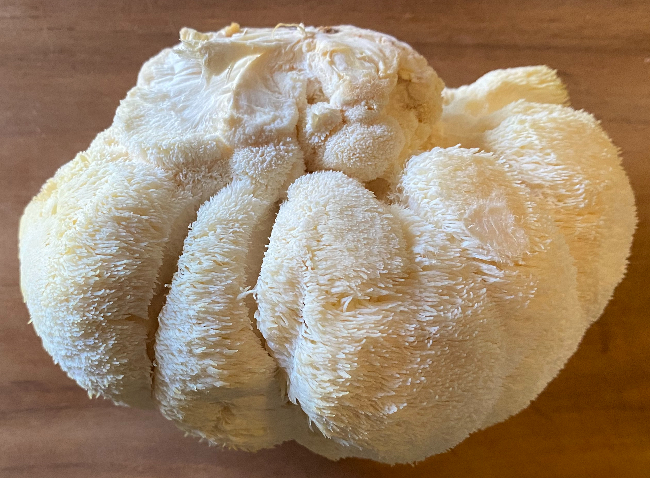
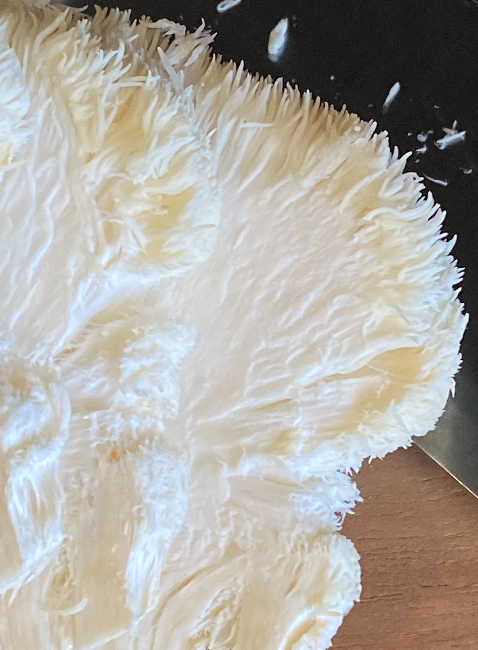
While recently enjoying the bounty of my daughter’s weekly CSA box, Community Supported Agriculture, we were treated to Lion’s Mane Mushrooms. Wow!

Lion’s Mane Mushroom

Cool look. Cool name. Supposed to be good for brain health (Sign me up!). Exciting to prepare because it’s so different. Amazing taste.

After reading about medicinal mushrooms, “Medicinal Mushrooms: 7 Kinds and Their Unique Health Benefits,” which can be found at Real Mushrooms, I am determined to incorporate more varieties of cultivated mushrooms into my diet.

The humble button/white mushroom that most of us use can boost our Vitamin D2 intake!

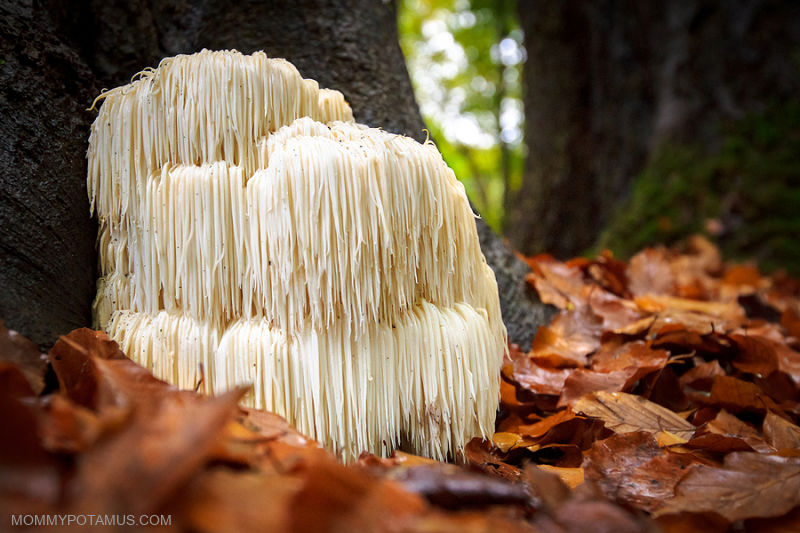
Lion’s Mane Mushroom in the wild

It seems that when these little guys are grown in the sunlight, they absorb Vitamin D. If you do not know if they were grown in light or not, even after harvesting, they can absorb vitamin D when placed in the sunlight.

Who knew?

From now on, I’m going to expose my mushrooms to sunshine before using. How long, though?

Researching that question led me to fungi.com and their fascinating article: Place Mushrooms in Sunlight to Get Your Vitamin D — Fungi Perfecti.

We are aware of the critical need for Vitamin D supplementation partially due to the sunscreens we smear on and because of the ever-increasing time we spend indoors. Sources of Vitamin D are covered in THIS post (February 2021).

Next time you are getting a checkup, please ask your healthcare provider to check your Vitamin D level along with the other blood panels being ordered. Most of us need more Vitamin D and may not be aware of serious deficiencies, otherwise.

Back to the sunshine, vitamins, and mushrooms.

The fungi perfecti authors put both button mushrooms and shiitake mushrooms to the test. Using samples under natural sunlight and others under UBV lamps, the mushrooms absorbed lots of Vitamin D – and retained it up to a year after – even when completely dehydrated – when exposed to the UV light “bottom” sides up/gill side up.

Mushroom stems were poor absorbers of Vitamin D.

So how long to zap our store-bought whole or sliced mushrooms? Their experiment resulted in dried mushrooms in sunlight six hours a day for two days.

Meh.

Not going to happen here. Not looking for a dried mushroom. I’m thinking about an hour or two in the direct sunlight – if it does not significantly change the texture and if I can keep bugs off.

Since vitamin D supplements are not vegan – they are derived from oil extracted from sheep wool – UV activated mushrooms could be a game changer for vegans.

I hope your curiosity for an expanded foray into the world of mushrooms has been peaked – I mean, who wouldn’t love to slice into a Lion’s Mane mushroom, sauté it in some butter/olive oil with salt and pepper, and be amazed at the tasty results?

Click on the options for sharing this post using the MORE button below.

In health and heading to my screened porch with a tray of mushrooms –

Deidre
As an Amazon Associate, I earn from qualifying purchases.

Now That’s A Peachy Idea!

It had been several weeks since we last visited. After catching up about our lives, we decided to venture out for lunch in a quiet restaurant so our discussions could continue. 
As we were concluding our delicious repast and were about to go our separate ways, my friend wanted to share one more tidbit.  
A simple idea

A recipe so simple, so easy to do, but was sublimely delicious. I was intrigued. 

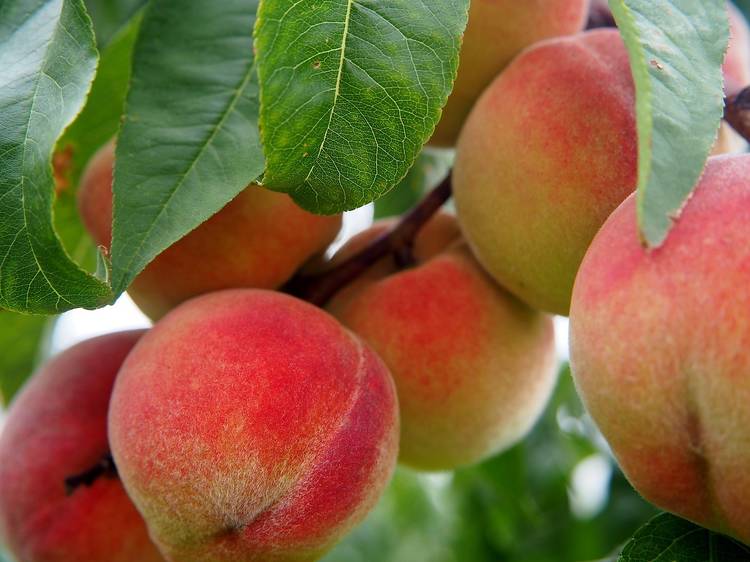
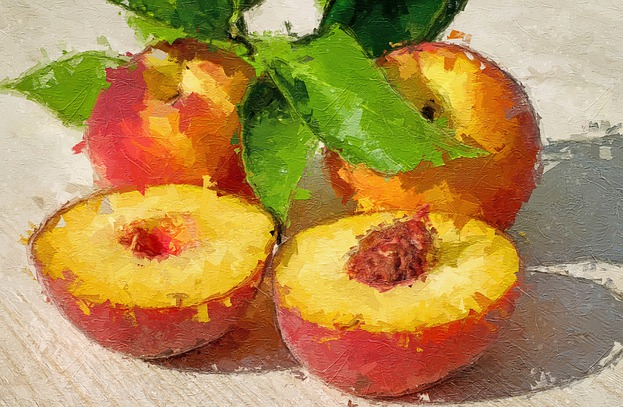
It all starts with a nice, juicy, free-stone peach.  

Wash off the fuzz. Cut in half and remove the pit. 

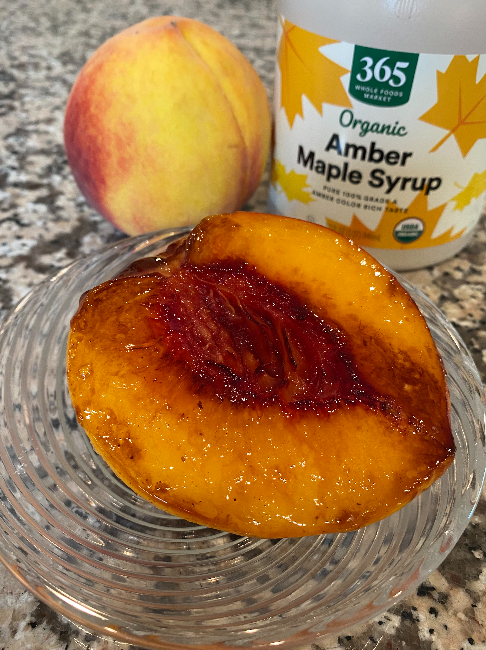
Pour about a teaspoon of maple syrup into the indention in each half. 

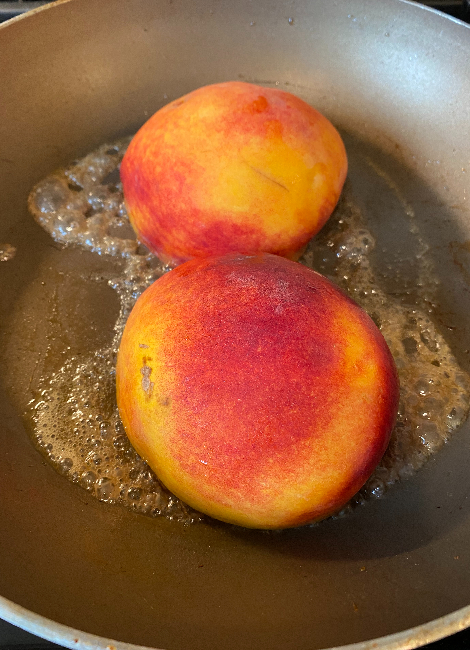
Melt a dab of butter in a sauté pan over medium heat. 

Smear the maple syrup from the center of each peach half, all over the cut edge. Place cut side down in the pan.  

Let the peach halves cook for about two minutes or until browning starts to happen on the cut side. 

Lift out of the pan, and place cut side up on the serving dish. 

Voila! 

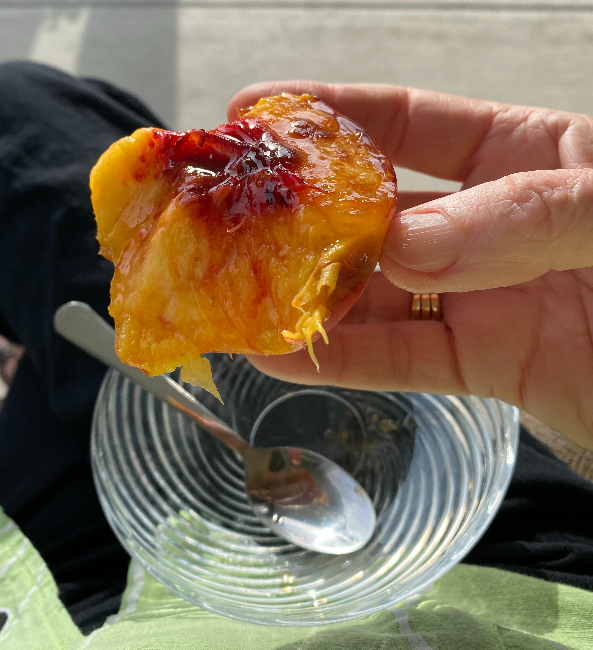
Nothing left to do but enjoy the simple pleasure of crunching through the slightly caramelized maple syrup exterior and to bite off a still fresh mouthful of juiciness. 

We used our hands to eat this delightful treasure, although it merits fancy tearoom etiquette – it’s that good. 

So, whether you choose drip-down-your-chin-finger-licking simplicity or knife, fork, and napkin splendor, you’ll be glad you did it. 

Thank you, Carole, for this little gem of an idea!  

In health – Deidre 

If you enjoyed this one simple idea, please share with a friend using the options under the MORE button below.  

As an Amazon Associate, I earn from qualifying purchases. 

————————————-

The Old Peach Tree

Under the old peach tree
Hearing the buzz of bees
Looking up at pink blossoms so sweet
Watching pink petals fall at my feet


Under the old peach tree almost fallen down
I can hear every sound as the sun goes down
I hear somewhere the song of a mocking bird
The sweetest song I ever heard


As I lean against the old peach tree
I think of things that used to be
This old tree brings me back to my childhood
And the many peaches I ate that were so good


Old peach tree I wish you could talk
Whisper to me some of your thoughts
But instead you fill my heart with your beauty
As I smell the perfume of your blossoms so fruity


I wonder how much longer you’ll be here
How much longer my heart you’ll cheer
I hope to lean against you many a spring
And feel the peace that you bring

Grace Riffle

Fairmont, West Virginia

1931 – 2021

Me Want Cookie!!

Let me just get it out there: I am a card-carrying member of Cookies Anonymous. Are you with me? 

Trouble is, I hold a more important membership in an anti-inflammatory-is-this-doing-my-body-good-I-am-responsible-for-my-health group, and cookies don’t usually fit it. 

I always defer to the precepts of the responsible group with the long name. 

Maybe you have picked up on a trend over the years at foodtalk4you – I seem to be in search of a good-for-you cookie.  

Well, I may have found one that’s the best of all. 

Huzzah!  

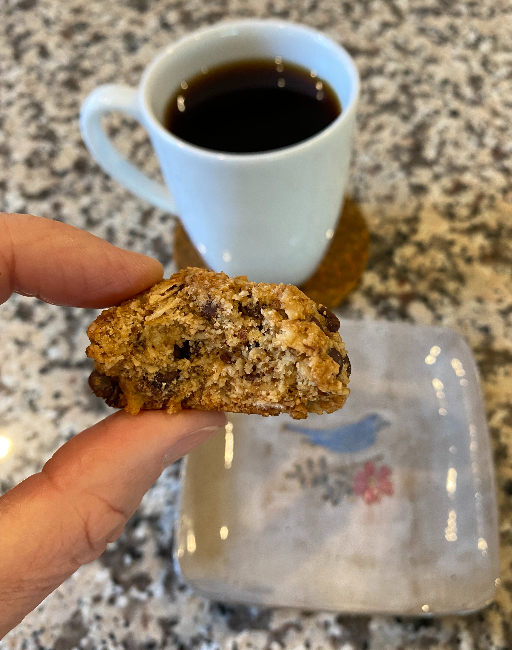
I’ve made these three times now, and can confidently say they are delicious, good for me, and they always receive rave reviews. 

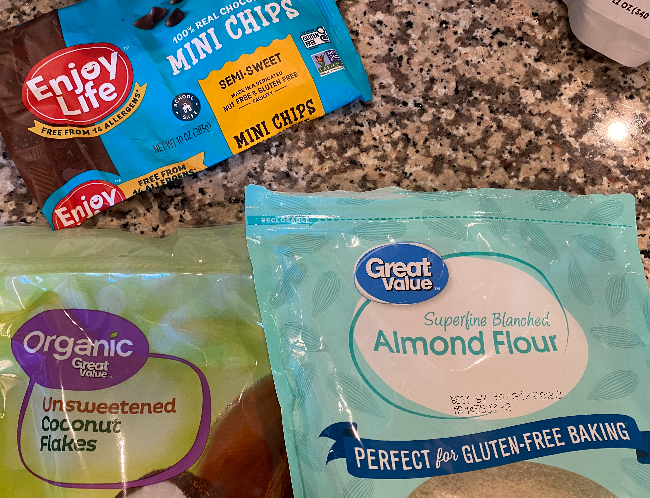
I like this one because it does not rely on a mix – even gluten-free – for the base, which means I have total control over sugar content. These cookies require just a few basic ingredients that are found in most cupboards, so let’s get right to it! 

Almond Flour Oatmeal Cookies 2.0  

Ingredients for the wet mixture:

  • 1/2 cup unsalted butter at room temperature 
  • 1/2 cup brown sugar 
  • 1/2 tablespoon vanilla extract 
  • 1 large egg at room temperature 

Ingredients for the dry mixture

  • 1 teaspoon cinnamon 
  • 1/2 teaspoon baking soda 
  • 1/2 teaspoon salt 

Add-ins:

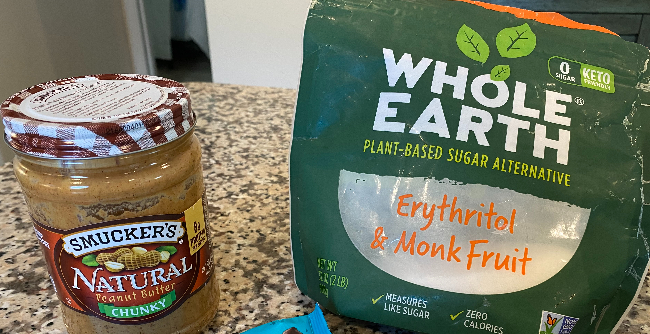
Note: If making a peanut butter version, substitute 1/2 of the butter (1/4 cup) with all natural smooth or chunky peanut butter. Omit the coconut flakes. The chocolate chips may be kept or omitted. 

Instructions:

  • Assemble all ingredients.  
  • Line 2 baking sheets with parchment paper or lightly grease. 
  • Measure dry ingredients (not add-ins) into a bowl, stir to combine, set aside. 
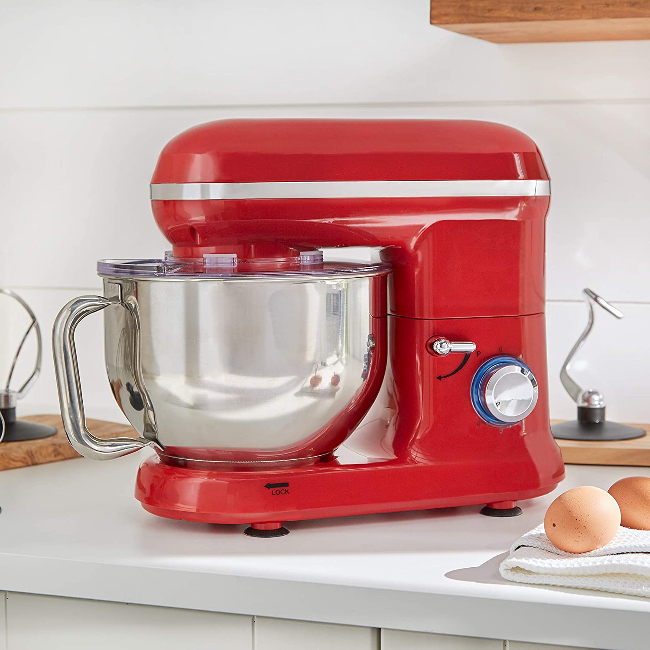
  • With a stand or hand mixer, beat butter until creamy and then add sugars, creaming until fluffy – about 2 minutes. 
  • Beat in vanilla and then the egg. 
  • Beat the mixture of dry ingredients into the creamed mixture. 
  • Beat or stir in the add-ins until combined and evenly distributed throughout the dough. 
  • Preheat the oven to 350 degrees  

__________

Use a small cookie dough scoop or tablespoon to press/form the dough into small one-inch balls with the palms of your hands. Evenly place on prepared cookie sheets

Bake in preheated oven for 10 minutes; rotate pans and continue baking another 10 minutes. If using a convection oven, rotating pans is not needed. 

Cookies are done when they are golden brown around the edges. 

Remove from oven; let cookies rest for 2 – 3 minutes; transfer to a wire cooling rack to finish cooling. 

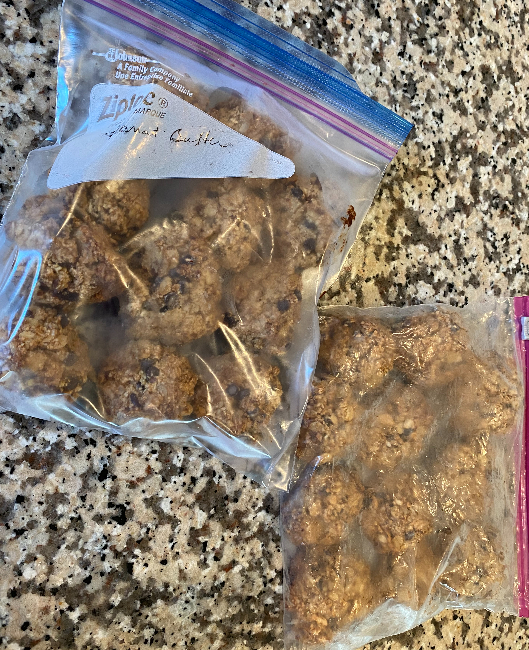
When cool, these freeze very well in quart Zip Lock bags and make a handy package for sharing with friends. 

__________ 

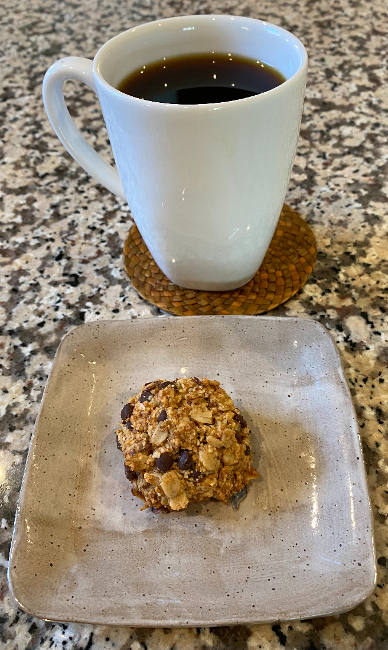
One or two of these little jewels with a morning brew is enough to keep me going for a few hours. 

I can envision adding some activated nuts, soaked and dehydrated, to up the crunch and nutritional benefits. One could switch out the chips to butterscotch, but I don’t know of any health benefits to butterscotch – just saying – dark chocolate has goodness for our bodies. 

ALMOND FLOUR COOKIES 2.0 PRINTABLE DOWNLOAD

(Click below)

Let me know if you try Almond Flour Cookies 2.0.

If you enjoyed this post, please share using the options on the MORE button below. 

UPDATE: 

We are putting the finishing touches on the latest in the Toolkit for Caregivers Series, Toolkit for Caregiver Emotions and Resilience Building. If you are or have been a caregiver to a loved one, you know about overwhelming and conflicting emotions. There is so much to be revealed about caregiver emotions, how to handle them, and how to build an inner resilience – I can’t wait to publish this fall!  

In health- 

Deidre 

As an Amazon Associate, I earn from qualifying purchases. 

Sunshine, Blue Skies, and Basil Boats!

Summertime, and the livin’ is easy …

This is the perfect throw-together dish to serve on a hot afternoon, along with a favorite beverage.

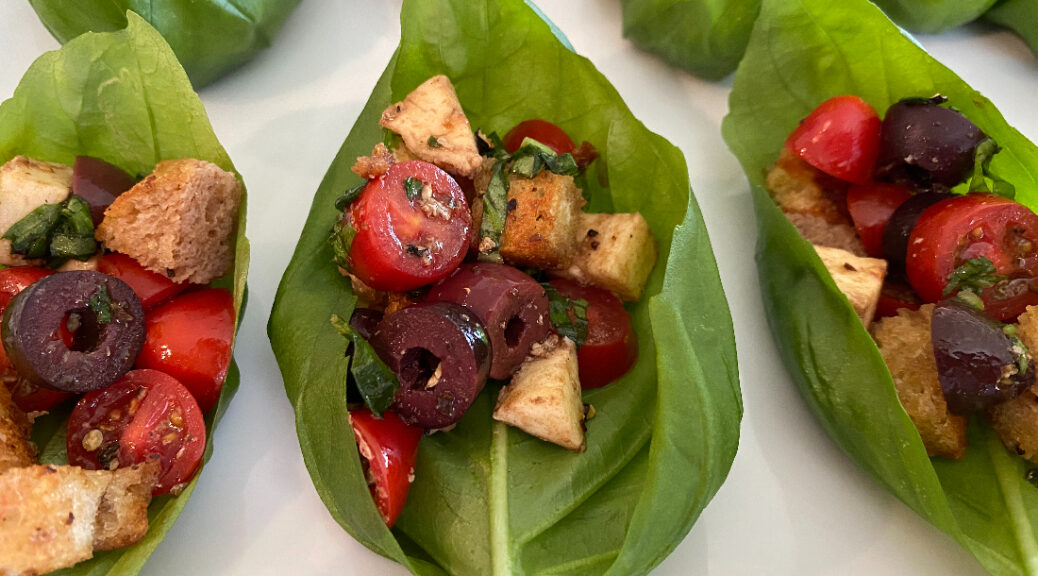
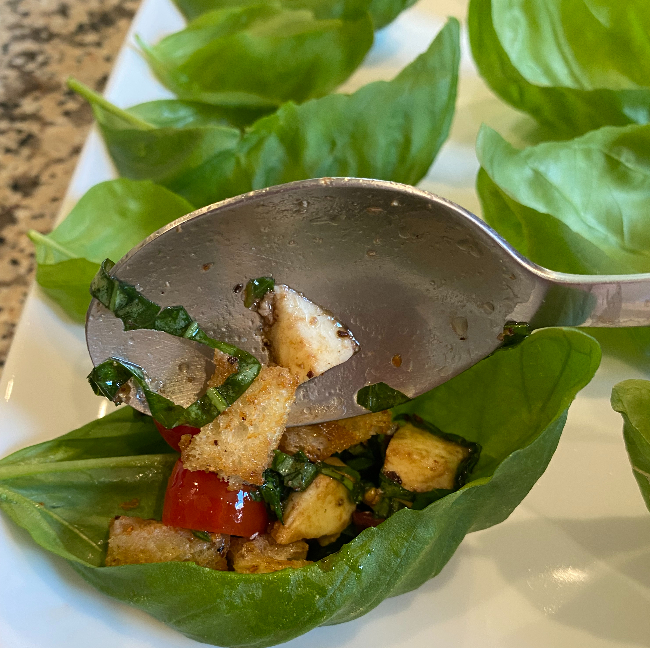
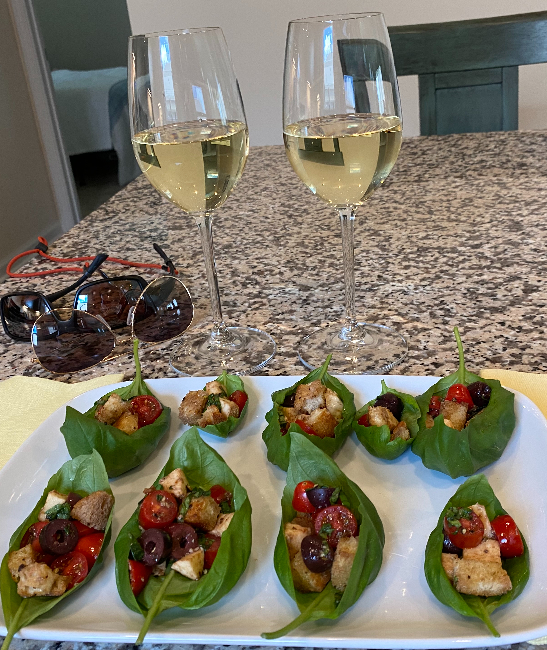
Basil Boats. That’s what I call them.

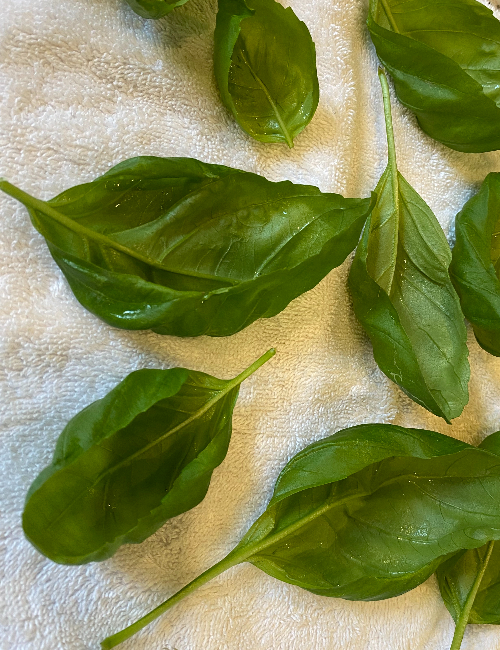
When the basil is just starting to show its splendor, basil boats appear. You know, those perfectly cupped leaves that just beg to be filled with goodness?

So often, I just harvest the basil to quickly turn its fragrant leaves into pesto destined for the ice cube trays for future use.

STOP!

I am finally using these early crop beauties to contain wonderfulness! 

One usually sees basil carefully cut into chiffonade, added to mozzarella cubes or balls, tossed with olive oil and balsamic vinegar, and carefully perched onto a slice of French bread. All well and good.

Perfection, in any language.

Well, I’ve reversed the process just a bit and the results are attractive, playful, and totally tasty. 

Also, unlike other hand-held bites, these can be consumed within two or more bites, without spilling mishaps. An easily learned hold on the curved leaves, will result in spillage-free eating.

After carefully rinsing and drying the large, curled basil boat leaves, I prepared the fresh mozzarella by slicing into small squares.

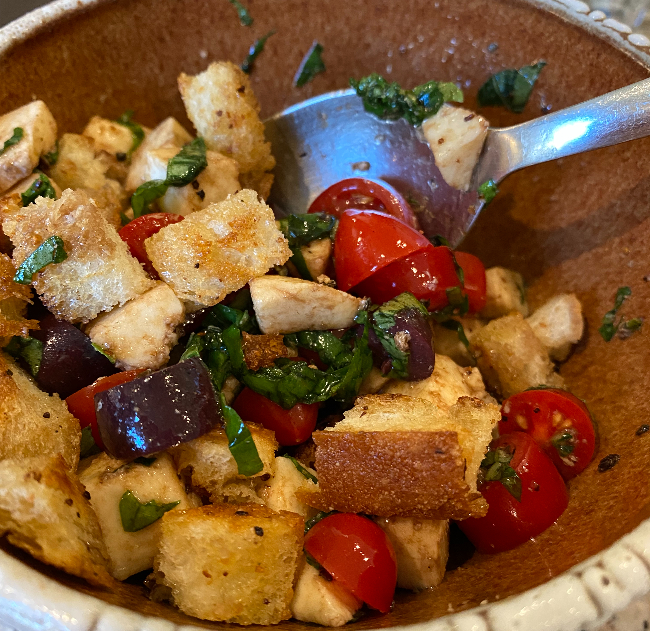
Adding sliced cherry tomatoes to the mozzarella squares, and some olives – I was hoping for black olives, but the Kalamata olives were just fine – I rolled up a few of the smaller basil leaves to thinly slice into chiffonade slices. A spoonful of Robust Olive Oil and balsamic vinegar along with freshly ground sea salt and black pepper, and I stirred up the toppings. 

But something was missing … hmmm … the French bread! 

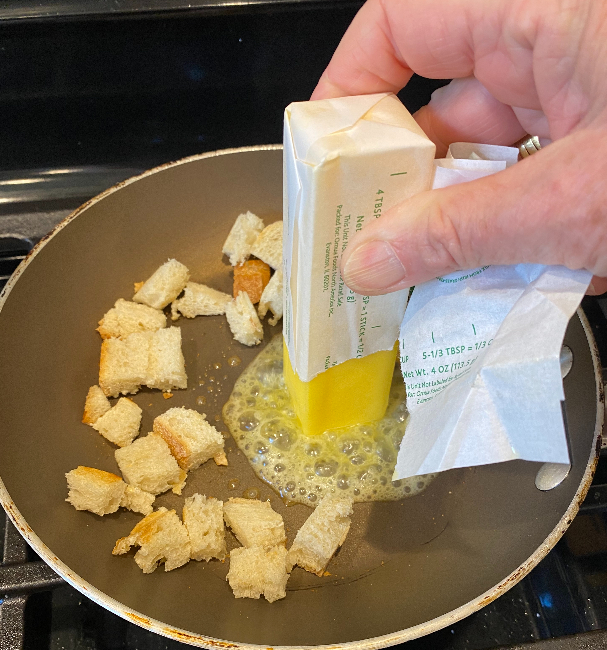
After pan toasting a slice of French bread from the freezer, I sliced it into small squares, and tossed them in some butter and garlic salt.

After tossing the bread squares with the mozzarella and tomato mixture, the boats were filled.

Pairing our ‘Basil Boats’ with a delightful buttery Chardonnay, we feasted on a perfect mid-afternoon snack. 

Click on the MORE button options below to share this lovely, low-tech treat with friends and family.

In health and still smiling – Deidre

As an Amazon Associate, I earn from qualifying purchases.

Let’s Take A Trip To The Nearly Near East

I have a problem with quinoa.

No, it’s not the spelling or the pronunciation – (KEEN-wah).

It’s the texture – or that its texture is so loose and not stuck together, which makes it seem too light, fluffy, and not substantial.

Oh, they make sticky quinoa just like sticky rice; but, for me, it’s too sticky.

Now I sound like Goldilocks. Too loose. Too sticky. Searching for the middle ground.

When my sweetheart showed me his favorite quinoa at the store, we bought and prepared it for dinner that night. Just like Goldilocks, this one was just right.

What was the difference?

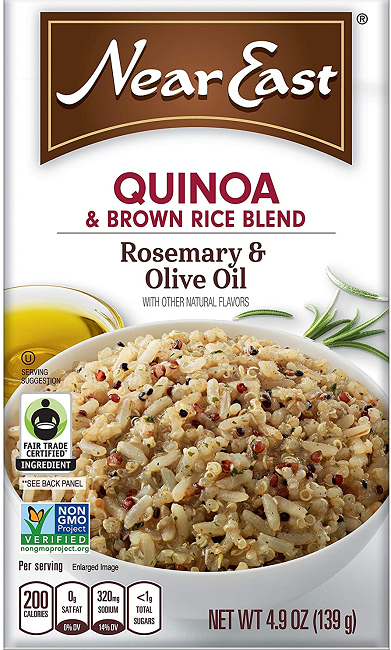
The Near East brand he liked was a mixture of both quinoa and brown rice and offered the perfect blend of herbs and spices.

Voila and Eureka!

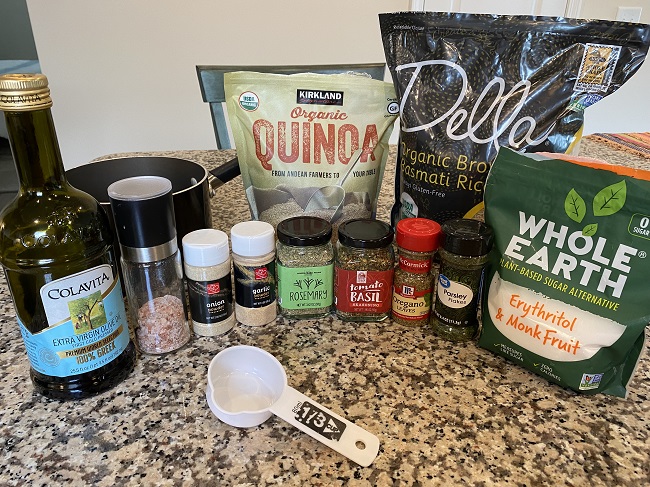
But I didn’t like buying a small box of the stuff every time I wanted savory quinoa. I have giant bags of quinoa and brown rice at home; so, all I had to do was duplicate the spice blend.

After snapping a picture of their ingredients list on the box, I set out to create my own version of their recipe for yumminess and texture.

I know labels start with the largest quantities of ingredients and in descending order, continue to the least. That list gave me a hazy road map – the rest was up to me.

Ingredients:  Quinoa**, parboiled long grain brown rice, salt, maltodextrin, yeast extract, onion powder, garlic powder, dried rosemary, dried parsley, tomato powder, dextrose, sugar, citric acid, spices, tapioca maltodextrin, natural flavor, sunflower oil, olive oil, tocopherols – preservative.

Clearly, some items were never going to be in my version: maltodextrin, yeast extract, dextrose, citric acid, tapioca maltodextrin, natural flavor, (highly processed) sunflower oil, and tocopherol preservatives. I also had plans to replace the sugar with a pinch of erythritol and monk fruit sugar alternative.

Did you know that according to Better Homes and Gardens magazine, “natural flavor” is a mystery ingredient defined by the FDA as:

“a substance extracted, distilled, or similarly derived from natural sources like plants, (fruits, herbs, veggies, barks, roots, etc.), or animals, (meat, dairy products, eggs, etc.), via a method of heating, with its main function in food being flavoring not nutritional.”

Why am I not leaping for joy?

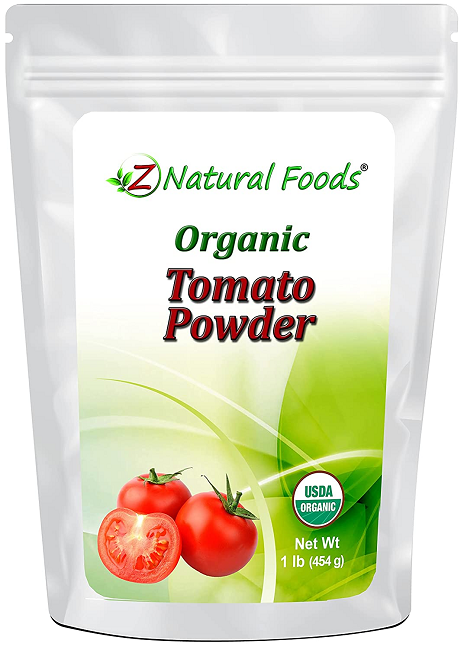
As for the tomato powder, I’ve never had any. Is it a thing? But I found a tomato/basil seasoning blend recently and will be using it as I prepare for this post. We’ll see how it works out.

On to my concept recipe with no measurements for the spices:

Nearly East Quinoa and Brown Rice with Olive Oil

In a saucepan put:

  • 2/3 cup/ 156 ml       quinoa – rinsed in water and drained to reduce the anti-nutrient content
  • 1/3 cup/ 78 ml         brown rice
  • 2 cups/ 473 ml        water
  • Salt
  • Onion powder
  • Garlic powder
  • Crushed dried rosemary
  • Dried parsley
  • Optional pinch of sugar or erythritol
  • Additional spices/herbs that may contain:
    • Dried tomato flakes
    • Dried basil
    • Dried oregano

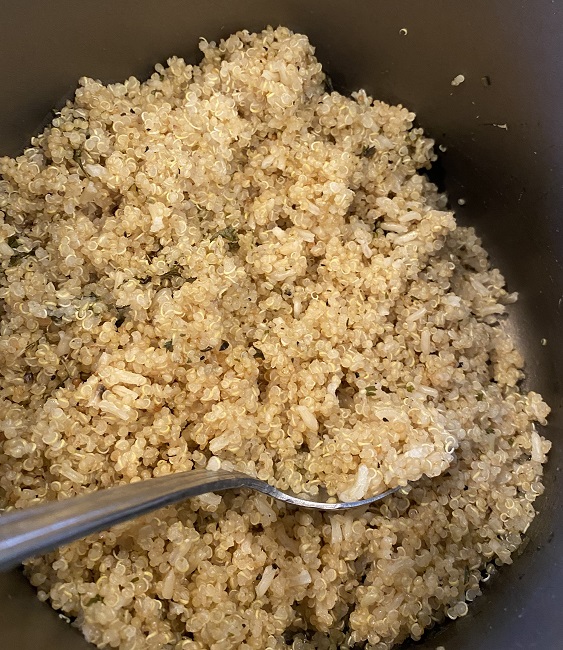
Give everything a good stir, bring to a boil, reduce to a simmer, cover with a lid, and cook until all water has been absorbed.

We have been totally satisfied with the results of combining two parts quinoa, with one part brown rice, along with this assortment of spices and olive oil.

It’s also more economical to easily duplicate this mix from what is already in your cupboard than buy it pre-done.

This quinoa/rice blend is a handy side dish and makes a nice addition sprinkled cold on a salad or added to a breakfast bowl instead of grits.

Why do we eat quinoa?

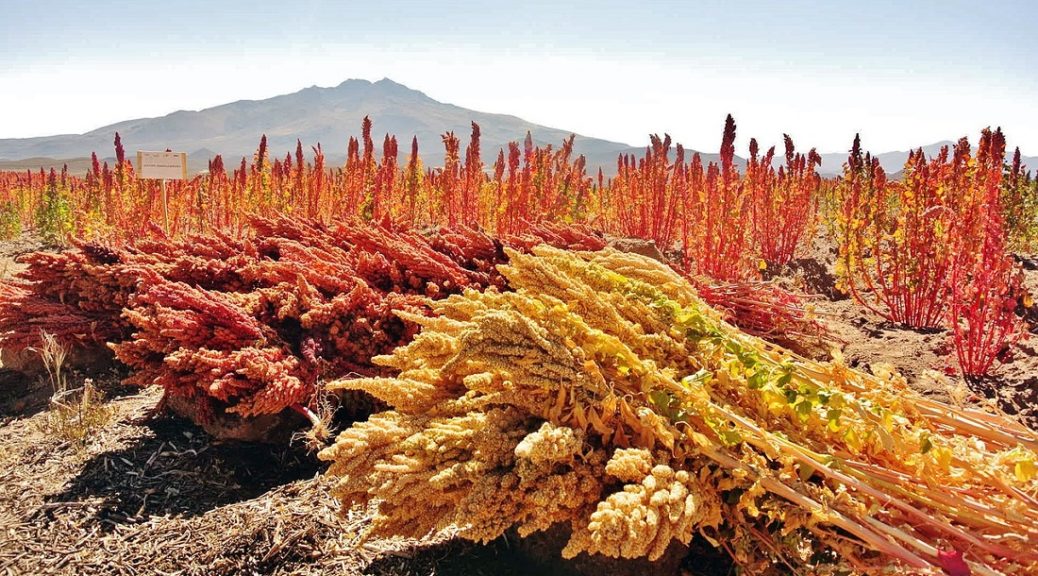
It’s an ancient grain once considered to be sacred by the Incas.

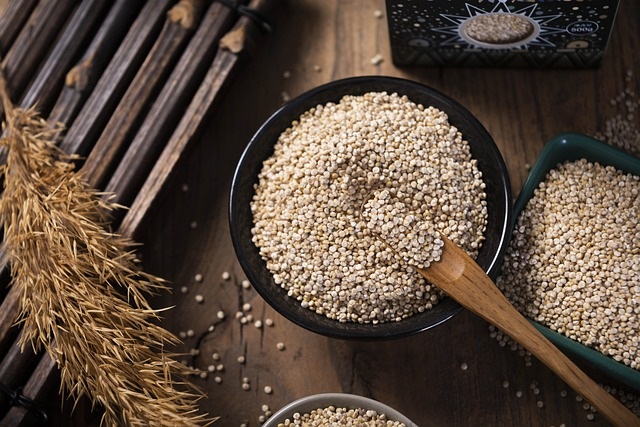
Really a seed, quinoa is prepared the same way grains are. Full of protein, nutrients, and fiber quinoa is also gluten-free and contributes to an anti-inflammatory diet. Rinsing before cooking reduces the elements that prevent our absorption of key nutrients.

Note: If you have chronic kidney stones, the oxalates in quinoa could contribute to stone formation.

The fiber, protein, and a host of nutrients make quinoa a smart carbohydrate to incorporate into your diet. Adding brown rice to the mix doubles down on the high fiber and nutrients.

Both grains can contribute to balancing of blood sugar levels, weight loss, regularity, and reducing cholesterol. What’s not to like?

Click on the subscribe area at the side of your computer screen or at the very bottom of your phone scroll to make sure you won’t miss a single post.

If you found this of value, please share using the options in the MORE button below.

In health-

Deidre

As an Amazon Associate, I earn from qualifying purchases.