
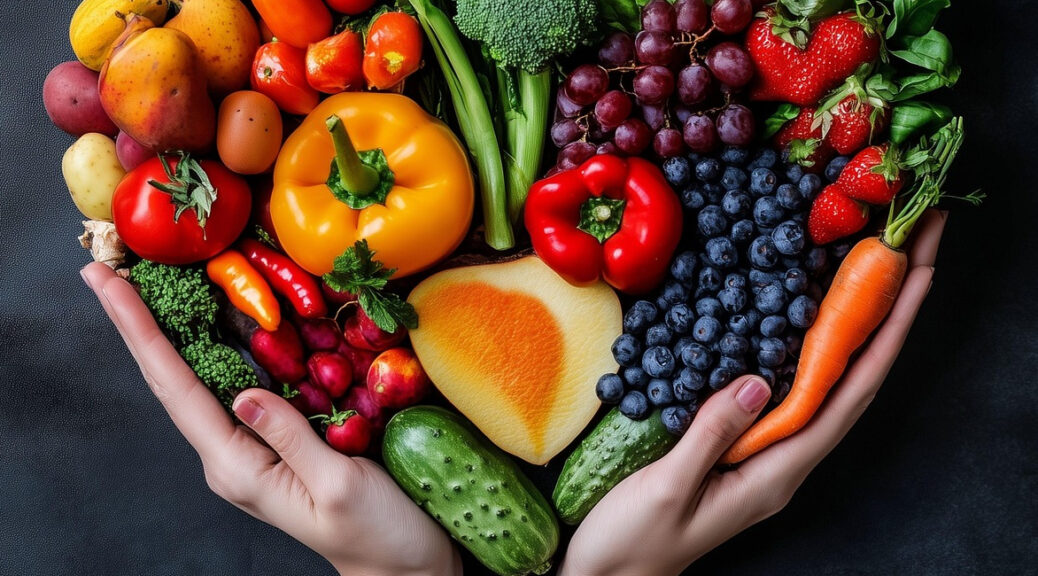
It’s a holy trinity of sorts … the three macronutrients found in the food we eat: carbohydrates, protein, and fat. These three, along with the micronutrients in food – vitamins and minerals – are what keep our bodies functioning at optimum levels. Macronutrients are the three elements we need to consume the most, followed by the micronutrients we also need, but in lesser quantities.

Like most things dealing with our health, each element is linked to others in ways which creates dependency for successful functioning.
Case in point – a recent email from Chris Kresser, reminded me of one of these vital connections between a macronutrient having a crucial role in our ability to absorb micronutrients derived from vegetables.

He emphasized – eating nutritious food is just half the battle. How we prepare that food, either in cooking or presenting it – with a sauce or dressing, totally influences how much of the vital micronutrients we will absorb. And, absorbing the nutritive elements is why we eat, right?
How sad it would be if we bought the best organic produce we can find, only to miss out in absorbing the nutrients we need.
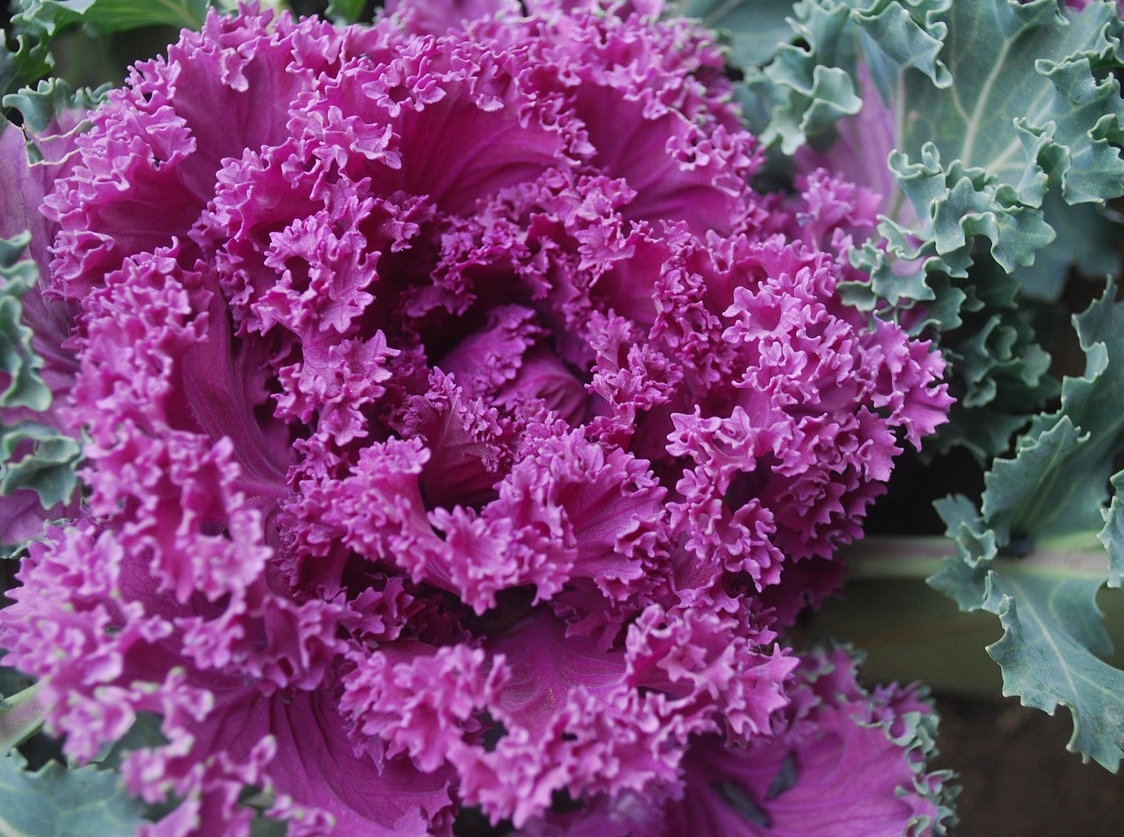
Take the powerful carotenoids found in kale. Carotenoids are natural, fat-soluble yellow, orange, and red pigments synthesized by plants, algae, fungi, and bacteria. As powerful antioxidants, they protect cells from damage, support immune function, and are essential for eye health.
We want carotenoids, for sure!
But in a 2025 study by the University of Missouri, researchers found that raw kale alone, produced very low carotenoid absorption, and cooking it slightly reduced the bioavailability further.
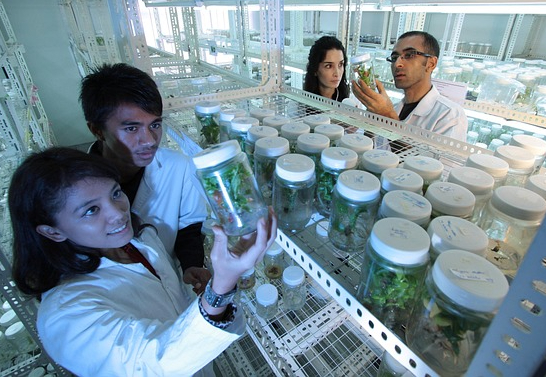
A significant increase came when researchers added an oil-based sauce to either the cooking process or when the oil was added after cooking.
You see, some of the micronutrients are fat-soluble nutrients, including vitamins A, D, E, and K – along with carotenoids like lutein, beta-carotene, and lycopene. These nutrients require dietary fat to be absorbed; and without it, a meaningful portion of these compounds pass through the digestive system largely unused.

So, preparing and serving your healthy veggies without fat (eating raw or steaming), and then serving plain or with some kind of fat-free sauce or dressing, will work against your goal of absorbing the nutrients you are hoping to get.
The no-fat craze definitely has its drawbacks.
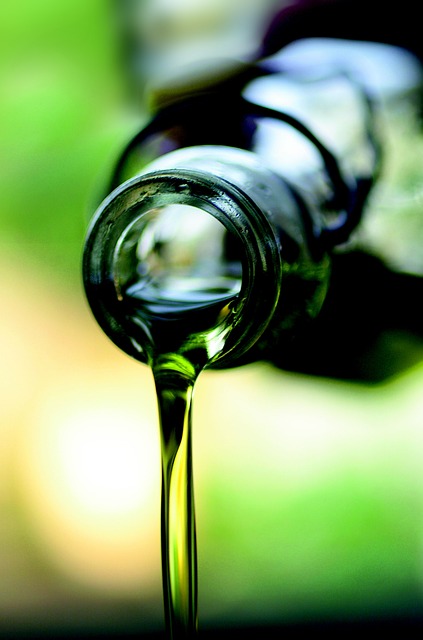
Another study by the University of Iowa found a dose-dependent relationship, with two tablespoons of oil producing a meaningfully greater absorption than smaller amounts.
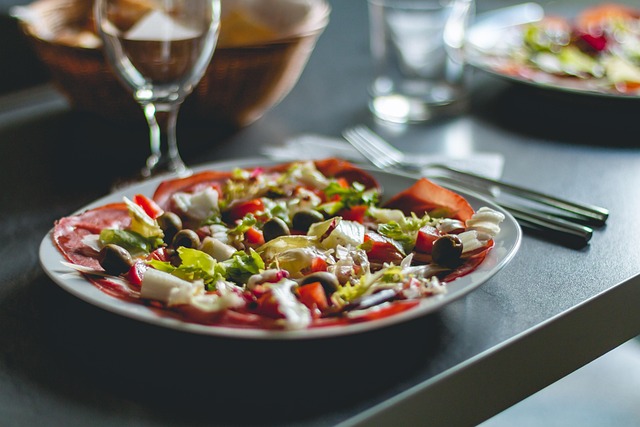
Whether you are sautéing greens, roasting veggies using a drizzle of oil, or using an olive oil-based salad dressing – these oil-enhanced methods are effective in ramping up absorption of the critical elements we need.
Next week, we will look at various kinds of oils because, of course, there’s a difference there, too.
In health –
Deidre
Sharing is caring. Copy and paste the URL for today’s post or use the options in the MORE button below to share this post with others.
Thanks.