
Deep Z’s
We rejoin our bewildered hero regarding her data showing subpar minutes spent each night in deep non-REM sleep.
What to do?
Something about sleep hygiene?
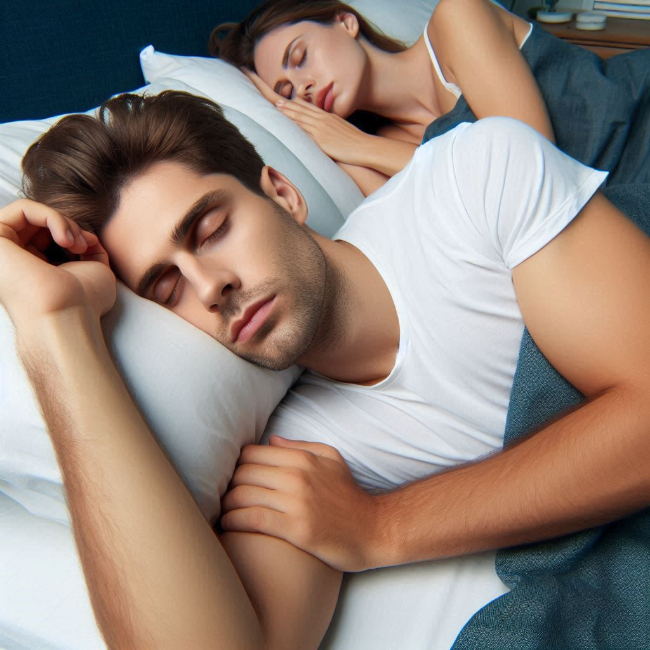
We’re not talking about cleaning up your dreams – we’re going to have a serious conversation about how we spend our time before going to bed and what our sleeping environment should be like.
Sleep experts agree that there are things we can do to optimize our chances for a good, restful sleep. Their suggestions all make sense but may necessitate change on our behalf from ingrained habits.
Change? I can feel resistance already!

Just keep an open mind and ask yourself, “Are we on the same team with our body or not?”
Do we want strong bones, muscles, and immune systems? Not getting enough good sleep may make us more prone to physical and mental health issues. Just saying.

For good sleep hygiene, it is recommended to:
Establish a regular sleep-wake schedule every day of the week. Avoid major swings in your routine on your days off.
Limit caffeine, alcohol, large meals, and strenuous exercise several hours before bed.
Keep your sleeping space dedicated to sleep and intimacy. Watching TV in bed, trains your brain to stay alert, not rest. Moving from a separate space for screen time to your sleeping space helps signal your brain that it’s time to sleep.
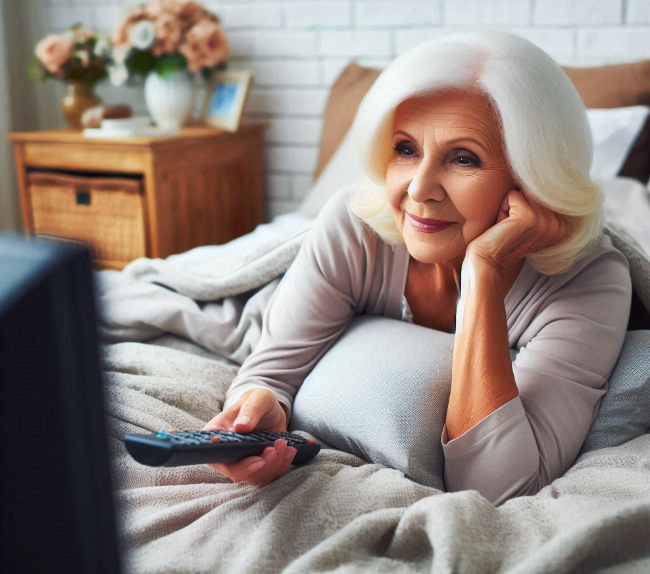
Ensure your sleeping space is dark, quiet, cool, and free from electronics.
Bedtime routines that relax you before sleep, also help signal the body sleep is coming. Switch off the TV thriller or stop scrolling social media at least 30 minutes prior to bed and relax with music or take a warm shower.
Blue light stimulates our brains into daytime alertness, so taking your eyes off the blue screen of any electronics helps the brain to realize it’s nighttime. Be sure to turn on your phone’s red-light filter well before your bedtime routine even begins – so if you accidentally look at it, it will not be as disruptive.
We control what we can because there are things we cannot control. Let’s keep in mind deep sleep tends to decrease with age, and sleeping disorders such as sleep apnea can reduce deep sleep.
While there is no way to make ourselves sleep deeper, we can increase our chances of sleeping well by making modifications such as these.
I’ve already activated the red light filter on my iPhone so I can turn that feature on after sunset. While the screen may be safer to look at, it’s not conducive to long looks, so my habit of random scrolling may painlessly disappear.
To activate the red light filter, follow these instructions:
I have not gotten around to getting new blackout curtains for the bedroom since moving; but now, they are a priority.
Our subscribers can count on not being bugged with pop-ups or endless sales emails. When we send you something, it’s the link to our weekly blog – or occasionally – a thank you containing additional useful information. Reach out to me in the comments below or email me at Deidre@deidreedwards.com – your questions and comments are always appreciated!
Don’t miss the next post! Subscribing is easy and hassle-free. Just one email every Tuesday morning with the link to the latest post. Scroll down from the top of this page on the left side of your device to fill out the subscribe form. Thank you!
In health –
Deidre