
Tag Archives: microbiome

Gut Brain Axis Depression

Food and Mood

This goes way beyond a few bites of cold, yummy watermelon on a hot day putting smiles on everyone’s faces.

We’re talking about the cumulative effect of our food choices over time. Those choices shape the microbiome in our gut, which communicates continuously with our brain through chemical signals.

One of the things I enjoy most is continuing to read nutrition and health research – discovering that many new findings bring us right back to a familiar truth.

A recent article, Microbiome and Depression, by Debra Rose Wilson, below, and Leslie Binford, in the American Nurse Journal (June 2026), did exactly that. It reinforced the common theme we’ve shared here at Foodtalk4you for years: eat an anti-inflammatory diet.

Your microbiome is the community of trillions of bacteria and other microorganisms living primarily in your intestines. While that may sound unsettling, these tiny organisms are essential partners in good health. They help digest food, produce vitamins, support the immune system, protect the lining of the gut, and even influence the way our brains function.

When our diet is rich in colorful vegetables, fruits, whole foods, healthy fats, and fiber, beneficial bacteria thrive. But a diet high in ultra-processed foods, excess sugar, and unhealthy fats can upset this balance, allowing harmful bacteria to flourish. This imbalance is known as dysbiosis.
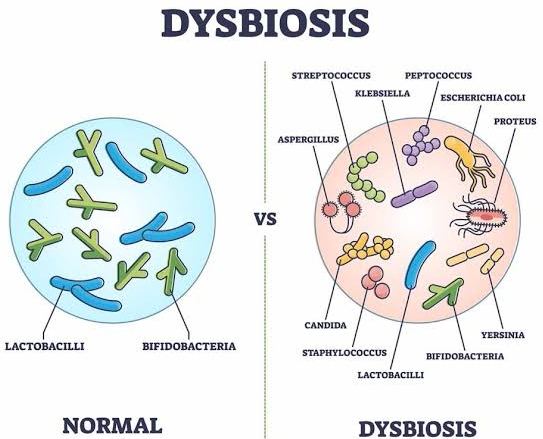
Over time, dysbiosis can contribute to inflammation and damage the protective lining of the intestines, leading to what is commonly called ‘leaky gut.’

Instead of serving as a strong barrier, the intestinal lining becomes more permeable, allowing substances that normally remain inside the gut, to enter the bloodstream. The immune system responds as it should to ‘invaders,’ increasing inflammation throughout the body to fight them.

Here’s where things become especially interesting.

The gut and brain are in constant communication through what scientists call the gut-brain. This two-way communication network involves nerves, hormones, immune signals, and chemical messengers. In fact, many neurotransmitters — including much of the body’s serotonin, often associated with mood —are produced in or influenced by the gut.

Our guts have often been labeled our second brain because of this gut-brain axis.

When the microbiome is healthy, these signals help support normal microbiome. When the microbiome is disrupted, those signals can be altered – potentially affecting mood, stress responses, cognition, and emotional well-being.

Researchers are finding growing evidence that disturbances in the gut-brain axis may play a role in conditions such as depression, anxiety, and other mental health disorders. While nutrition is not a cure for these conditions, it is increasingly recognized as an important piece of the overall picture.

For me, this research simply brings us full circle.

Every meal is an opportunity to either fuel inflammation or help calm it. An anti-inflammatory eating pattern doesn’t just support heart health or reduce aches and pains — it also nourishes the microbiome, strengthens the gut, and supports healthy communication between the gut and the brain.
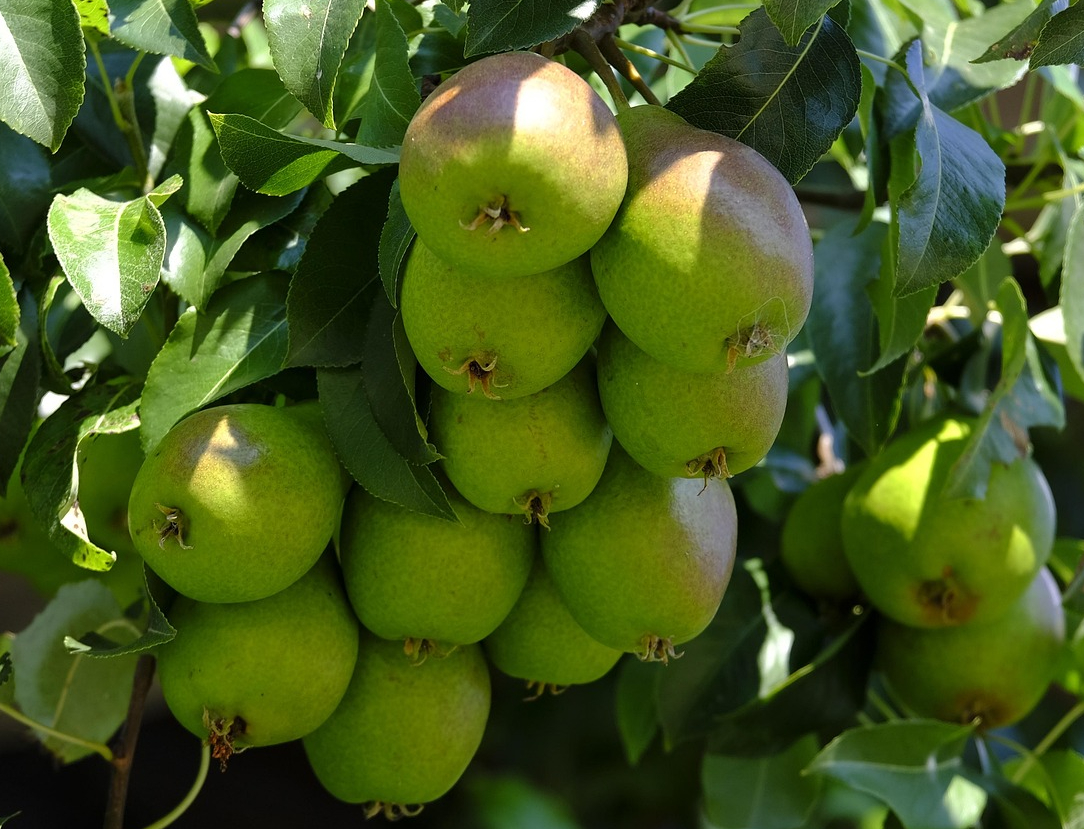
That’s another powerful reason why what we put on our plates matters every single day.

Small, consistent food choices made today, become tomorrow’s health.

In health –

Deidre

Autoimmune What?

You had me at, “What is an autoimmune disease explained in 5 minutes.” If you have 5 minutes, it’s worth absorbing Gabriel Arruda’s easy to understand explanation – because an understanding of how our natural immunity works is needed before plunging into the deep waters of autoimmunity.

Yes, I thoroughly covered how inflammatory foods and lifestyles can lead to autoimmunity in my first book, Toolkit for Wellness, but I wanted a fresh take.

A little animation helped, and I agreed with his basic approach, but not necessarily with his entire online program. Mr. Arruda presents one of the many ways autoimmunity can occur – I’ll share another one.

He took me back to my teaching days, using Pac Man as a symbol for white blood cells munching up the bad hombres floating around our bodies.

Otherwise, you can lean into Wikipedia’s explanation HERE: Autoimmunity – Wikipedia

Or another explanation HERE: Autoimmune Diseases: Types, Symptoms, Causes & More (healthline.com) 

Autoimmunity is when your body’s natural defenses somehow get scrambled and are no longer able to correctly identify foreign threats; instead the attack on invaders is misdirected onto self. Thus auto/self-immunity.

As mentioned last week, I an offering this discussion because we are in the middle of an explosion of people suffering with autoimmune diseases.

One might ask, “What’s happening to cause this? Spontaneous worldwide meltdown of our internal defenses?”

Well, you be the judge.

Clearly, an appropriate immune response is an intricate cascade of events that enlists organs and organ systems throughout the body. What we’re throwing at our bodies in terms of stress and chemicals has changed considerably in the last 40-50 years. What hasn’t changed is our genetic make up to handle these new factors.

I’ve read more than I want about the autoimmune crisis and there are at least 10 tabs open on the computer right now. That said, this article revealed so much new information that I’d like to summarize some key points for you:

-Favorite direct quote: “As such, autoimmune diseases could be the product of our own success as an industrialized species. This vexes researchers, because autoimmunity is not only one of the most prevalent disease categories but also fiendishly complex, a tangle of factors that scientists have yet to fully understand.”

-Doctors cannot agree on what constitutes an autoimmune disease. Right now, there are about 100.

-Unlike diseases such as cancer, there is no national data base for autoimmune diseases and, thus, no shared research, no coordinated data – it’s pretty much each disease subset is on its own.

-The rate of autoimmune disease uptick is far outpacing our DNA/gene’s ability to change and be the cause for such a shift.

-The diversity of our gut’s microbiome is a key element to our overall health and appropriate immune response. It’s been discovered that under-developed countries have an exceptionally low incidence of autoimmune disease along with a well-diversified gut microbiome. Whereas developed countries have less diversified microbiomes and have a high incidence of autoimmune disease.

-Studies of adults in 2003 and in fetal cord blood in 2005 revealed the presence of man-made chemicals including industrial compounds, pollutants, insecticides, dioxins, and mercury. The fetal cord blood study showed 287 different chemicals that were transmitted to those babies prior to birth.

-Americans report ever greater levels of personal stress. Who hasn’t taken a stress hit this past year? One last quote for the day: “The stressed-out individuals were more likely to be diagnosed with an autoimmune disease, more likely to develop multiple autoimmune diseases, and tended to develop autoimmune diseases earlier in life.”

Whew! That’s just the sprinkles on top of the cake, dear readers.

What started out as a simple assignment – “get the bad guys” – has been muddled by so many factors that have made identifying, what is foreign and what is self, almost impossible.

Next week, we’ll look at another common factor that can stimulate another cause of autoimmunity: leaky gut.

Don’t know about you, but I’m headed outdoors to harvest some organic veggies, sit under an umbrella, and soak up the sounds of nature.

If this post was useful to you, please share with others by clicking on the share button below and don’t forget to subscribe through the box on the left so you never miss an issue of FoodTalk4You!

In health,

Deidre