
Category Archives: Habit Building

Kindness – Part 2

Missing Piece

Jigsaw puzzles can be incredibly therapeutic.

As we sort through the scattered pieces laid out before us, they can become many things — a source of calm, a sense of control, and a way to create order and wholeness from chaos.

Consider how puzzles can help with:

Teaching discernment to a child as you point out variations in shape and color

Providing distraction and an opportunity for a sense of control as pieces are being fit together, and

Creating opportunities for celebration when that missing piece is discovered.

That missing piece can also become an entire mindset for successful and fulfilling living!

What?

Today’s brief post is centered around your viewing of this video by Orly Wabah, below, about the Power of Kindness.

There are numerous take a ways from her message, and with each viewing, I become inspired by a different aspect.

For today, may the knowledge that each of us is a piece of this jigsaw puzzle of life, and that we have a unique shape and role to play that – quite literally – holds the rest of the puzzle together.

Life needs each of us!

Orly describes how the realization of her neglected personal dreams had kept her from putting her unique puzzle-piece-self into the puzzle of life.

When she stopped listening to her detractors and the negative circumstances found in her life – and she started focusing on kindness – she began to change herself and the world.

Let me know what you think of Orly’s message. She mentions her project, Life Vest Inside – seen below – and has inspired people around the globe.

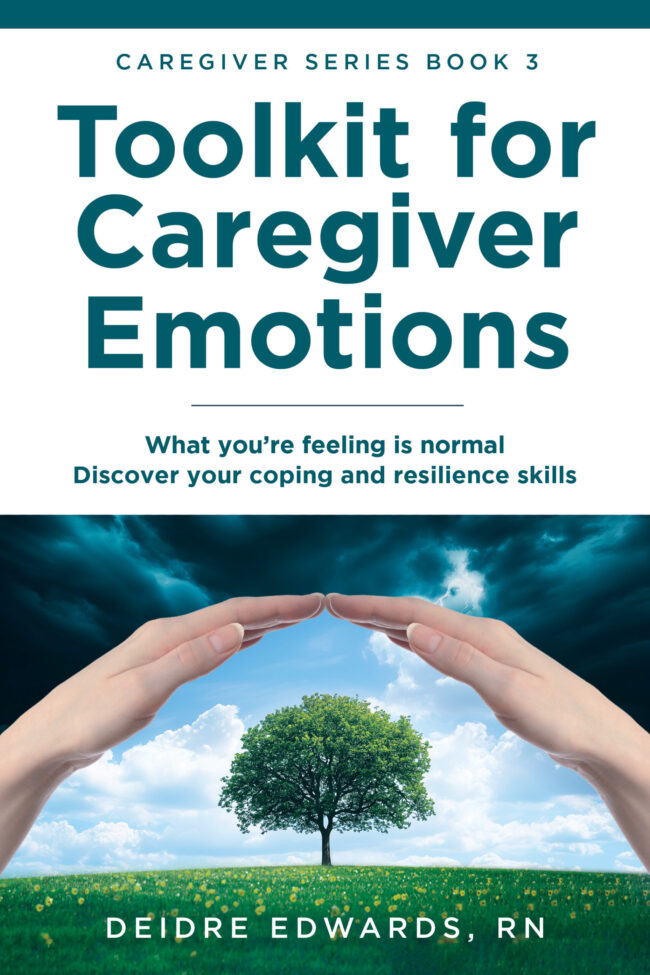
News break! Toolkit for Caregiver Emotions is inching closer to publication! We are polishing up the final interior formatting and the book cover is set! Here, for the first time – ta-da! – is a look at the third book in the Caregiver Series:

I’ll be reaching out to you soon with details about the launch — including how you can be part of it! These are exciting times, and I truly appreciate your patience throughout this roll out. I wanted to make sure this was the best it could be for you, and I believe it will be worth the wait. Plus, the free downloadable packet includes awesome bonus materials not found in the book!

Our subscribers can count on not being bugged with pop-ups or endless sales emails. When we send you something, it’s the link to our weekly blog – or occasionally – a thank you containing additional useful information. Reach out to me in the comments below or email me at Deidre@deidreedwards.com – your questions and comments are always appreciated!

Kindness – Part 1

Amazing!

It’s amazing how going to the emergency department with a loved one in the wee hours of the morning — and staying with them through a three-day hospital stay — can suck every ounce of energy out of me.

We had both become our own version of the walking wounded.

Even with improving outcomes already evident and more on the horizon, we just don’t bounce back — full speed ahead.

Today, back at home for two days, we were continuing to treat ourselves with compassion and low expectations.

Seated in my home office, my immediate goal was simply to clear out four days of emails — nothing more.

When I opened one from a favorite, trusted resource and followed the summaries and links, I found such inspiring content that it sparked the energy to begin creating a new series for you —focused on kindness.

Each of these missives will be brief because there will also be a video to watch or an exercise to follow that will flesh out my message.

That afternoon, there was zero energy in my body, mind, or spirit. Midway through deleting emails, I even looked up and said “Yes!”, which provided a little more forward motion, but – today – I needed something more.

I needed a warm, fuzzy hug to my soul.

What I discovered was just that. I found deep self-compassion, personal peace, healing, and inspired energy!

Here’s what to do: find a quiet space, click on this Loving Kindness Meditation, and experience a total reset in 13 minutes and 25 seconds.

Loving kindness meditation:

Hearing ourselves say the words of this meditation out loud provides another sensory way to absorb its meaning. I know you may want to refer to these words when not following the video, so Sheree has prepared a free printable download for you below.

Once you follow along with the meditation video, I hope you will agree that it can serve as an approach to regular warm, fuzzy hugs for ourselves and others.

In health –

Deidre

Our subscribers can count on not being bugged with pop-ups or endless sales emails. When we send you something, it’s the link to our weekly blog – or occasionally – a thank you containing additional useful information. Reach out to me in the comments below or email me at Deidre@deidreedwards.com – your questions and comments are always appreciated!

Activity vs Exercise 

Yes, but I’m active!

Time for true confessions.

I am strongly inclined to being active. I am not strongly inclined to formal exercise.

I walk fast – even from room to room at home. Outdoors, if I walk slowly to match the pace of someone else, it feels exhausting to me – add some speed, and I am happy.

My workspace at home is upstairs. I happily go up and down those stairs a dozen times a day or more.

Sitting for long periods without getting up? No! Keeping up with regular breaks to move around is easy!

Move heavy boxes and do yard work? Sure!

Touching toes? Done!

Planks? Can do!

Stand on one foot? Absolutely – but best with my eyes open! (see post on 8 April about Flamingos).

Planning my day around vigorous exercise at the gym, getting sweaty, and needing another shower … not so much since I moved into my new house.

But bone density issues and a rise in cholesterol numbers this past year do not lie.

I had allowed myself to hold onto the false idea that being active and nimble would, at least, keep the wolf on the other side of the door. Not so much.

The NIH put it this way (bold print is my emphasis):

Physical activity is defined as any bodily movement produced by skeletal muscles that results in energy expenditure … Exercise is a subset of physical activity that is planned, structured, and repetitive, and has as a final or an intermediate objective the improvement or maintenance of physical fitness. Physical fitness is a set of attributes either health – or skill-related.

And Britannica points out:

Exercise is a component of physical activity. The distinguishing characteristic of exercise is that it is a structured activity specifically planned to develop and maintain physical fitness. 

(Over the centuries…) Although the level of general physical activity has declined, most observers feel there have been increases in exercise participation in many countries since the late 1960’s.

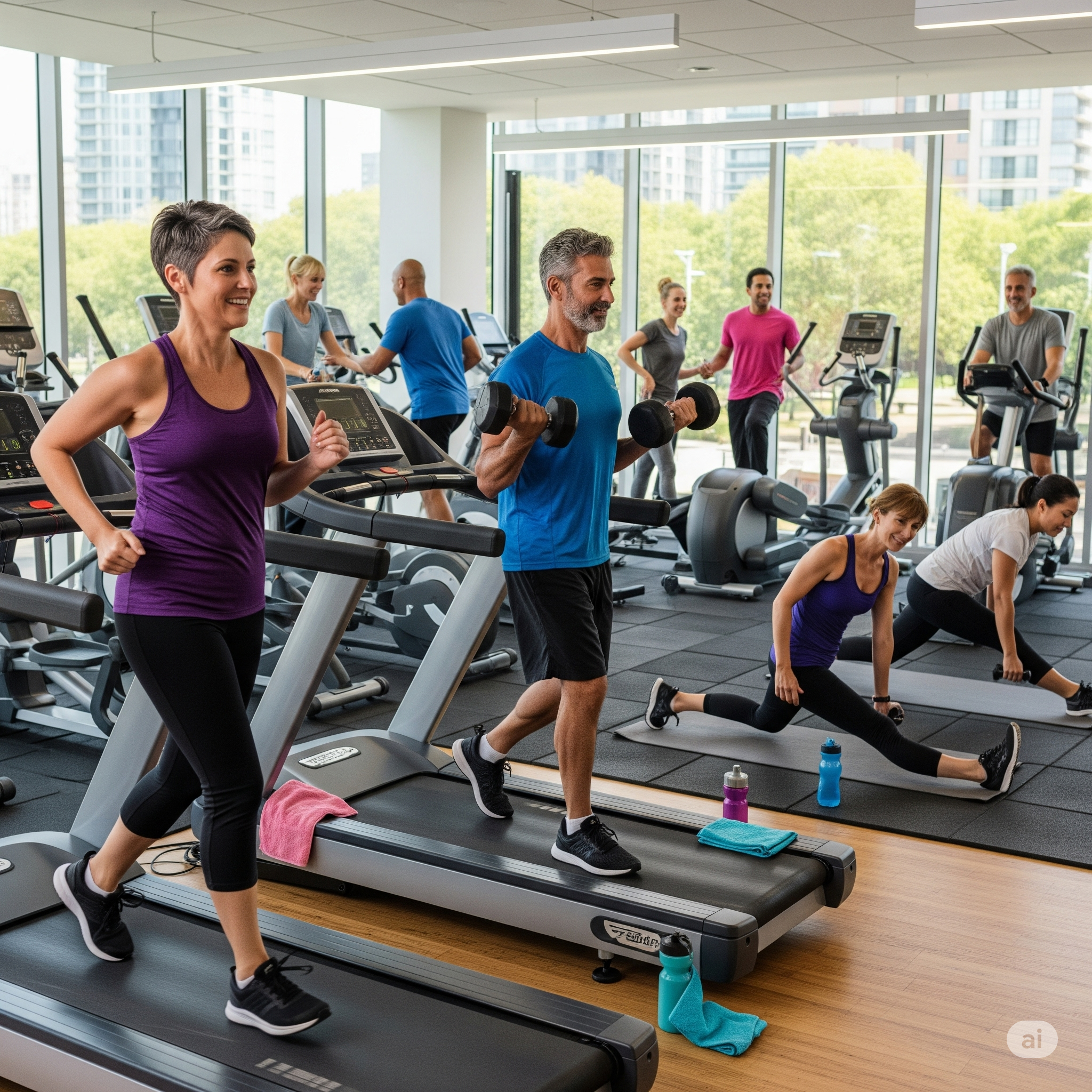
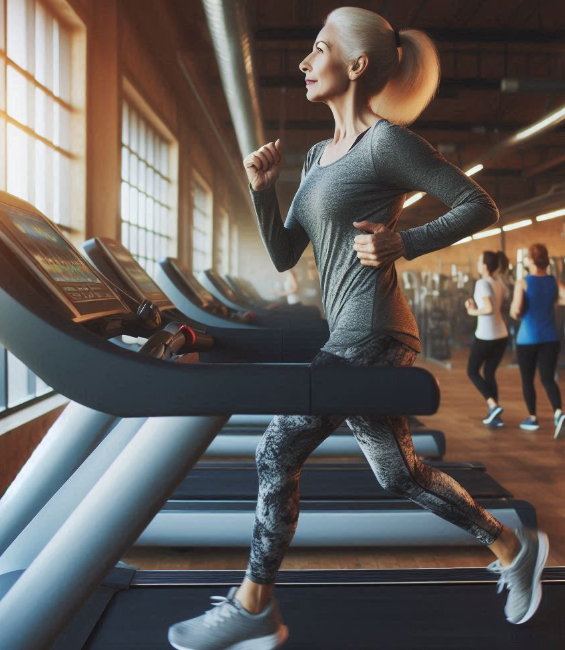
So, I’ve returned to the gym, and now I use visualization techniques to stay motivated —imagining myself knocking out cholesterol molecules with every elevated heartbeat on the treadmill, and strengthening my bones with each added weight or resistance exercise.

Bam! Bam!

Build! Build!

It feels like a construction zone. And it is.

Don’t be lulled into thinking being nimble, agile, and generally active will replace … ugh … getting sweaty at the gym!

I already needed to rinse off after that two-mile walk this morning – guess I’ll wrap up the day with a stint at the gym before heading to the showers.

Gotta slay more cholesterol and strengthen those bones!

In health and sweat –

Deidre

If you liked this post, you can share it by using the options under the MORE button below. Yes, but I’m active!

Dutch Dementia Care

It takes a village

Have you noticed the growing trend of planned urban developments in cities? These are neighborhoods intentionally designed so that housing, dining, entertainment, shopping, and even workspaces are all within walking distance.

This approach is becoming increasingly popular because it not only offers convenience for residents, but also helps reduce overcrowding in other parts of the city, by creating new amenities to support these communities.

With the silver tsunami of Baby Boomers hitting retirement age – coupled with the alarming rates of dementia and Alzheimer’s Disease on the rise – the Dutch have created an attractive alternative to standard assisted living facilities using the model of a planned community.

Here in the United States, I am familiar with a special form of assisted living called residential assisted living, which uses regular looking houses you would see in any kind of neighborhood.

My mom was fortunate enough to live in one for several years. Driving by that house, you would never know that six seniors lived there – each one surrounded by their own possessions in their own room – and being cared for by staff 24/7.

The Dutch have taken the residential care concept – and that of planned urban developments – to a whole new level

In this plan, all homes have six residents who need assisted living for dementia care. With fewer people and activity, a calmer home-like atmosphere is created.

As a former RN working in long term care facilities, I can remember how difficult it was for our confused patients to negotiate long, sterile corridors, and to take their showers in large, cold, tiled shower rooms, where sounds echoed off the walls – only adding to their agitation, confusion, and fear.

The creators of this dementia village in the Netherlands value their residents as people with goals and aspirations, not just people with a diagnosis of dementia.

Want to go for a walk? The pathways are safe; there is no way to get lost, and the perimeters are secure.

Want to go to a restaurant, a store, or the movies? The staff in each are trained in dementia care and know what to do.

They have created their own care village!

This is such a commonsense approach to a growing concern around the world. Part of the hesitancy of families to use long-term care involves the institutional feel of facilities. A village of homes with safe access to amenities just a walk away, honors the residents and can give comfort to the families.

Maybe some of our FoodTalk4You readers know of people in urban planning and long-term care planning who could study this approach.

In health –

Deidre

That’s our cue to share this post using the options under the MORE button below.

Sharing With A Purpose

There must be a lot of discontent at the workplace.

The self-publishing group I am using to get Toolkit for Caregiver Emotions launched on Amazon has an author Facebook page we use to celebrate milestones, build launch teams, and ask questions.

Just after I finished reading an advanced copy of a book about escaping the dissatisfaction of a typical job through personal discovery and finding a passion-driven career, I was invited to join the launch team for another book with a similar message, but a different approach.

Feelings of lack of fulfillment at work can become all consuming, creating a sense of drudgery and feeding poor attitudes. I have walked that path; have you?

How does anyone discover their passion and purpose?

Sages have long advised us to, “know thyself,” and, “to thine own self be true,” but many people are so focused on simply staying afloat, they rarely stop to consider whether the work that brings in their paycheck has any real connection to their true calling.

After taking a personality assessment or two …

Myers-Briggs Type Indicator, MBTI — Categorizes people into 16 personality types based on preferences like introversion/extroversion, thinking/feeling, etc.

DISC Assessment — Focuses on behavior styles, divided into Dominance, Influence, Steadiness, and Conscientiousness.

StrengthsFinder, now CliftonStrengths, — Identifies a person’s top talents and strengths.

Values in Action, VIA, Character Strengths Survey — Focuses on positive psychology and identifying a person’s key virtues and strengths.

People who want to hone in on their natural strengths to find a purpose, still need to spend time mindfully evaluating what brings them happiness and why.

‘What’ followed by ‘why’…’why’…’why’

There’s a one-two punch that can help people gain clarity in discovering their unique purpose based on their answers to a ‘what’ question followed by – multiple – ‘why’ questions.

For example:

  • What part of your workday was the most fulfilling?
  • If someone shadowed you for a day, what would they say you’re great at?
  • What do people often come to you for advice about?

It’s fun to do this exercise, because after answering the what question, each subsequent why question seems to peel off another layer until the core value is revealed.

Funny, the inspirational seeds that grew into my first book, Toolkit for Wellness, were born from my answers to the last question above – and to all the ‘whys’ that followed.

If you are searching for clarity – really, about anything – then ask a what question about it and then start teasing away all the fluff through why questions to get at the core thought.

For additional what questions, GO HERE and for more information about starting with what, instead of why, check this out.

What do you do to share this post? Use the options under the MORE button below. Why do it? Because sharing is caring! Why? Because I’m always learning cool stuff on foodtalk4you and my friends need help, too!

In health –

Deidre

It’s A Celebration – Flamingo Style!

Flamingos!

Are there still businesses that offer placement of dozens of plastic flamingoes in people’s yards? Maybe as a public celebration of a new baby, birthday, or just to ‘flamingo’ someone?

I haven’t seen that done in recent years.

In my neighborhood of mostly retired people, flamingos are usually a singular, random yard ornament.

This is all a lame segway to introduce an interesting article.

I found last week that led me to a study. Because of this, I am frequently standing on one leg, looking like a flamingo. 

Why? Have I flipped out?

No, I seem to still have all my marbles; but I am trying to maintain my ability to balance.

Apparently, humans experience significant declines in physical aging both after 44 and 60 years of age:

And one of the best ways to test the effects of aging on our bodies is to stand on one leg!

To quote the study’s conclusions:

“This study underscores the significance of the unipedal balance test in monitoring elderly subjects in the community, regardless of sex. The duration an individual, whether male or female, can maintain balance on one leg emerges as the most reliable determinant of aging, surpassing strength, gait, and other balance parameters.”

So, forget your grip strength and the length of your step, if you can stand on one leg for 10 seconds or longer without wobbling all over the place, you are still doing great.

If you are fully mobile and have full feeling in your feet, you may want to test your balancing abilities at home.  Begin by positioning yourself in front of a counter or the back of a sofa, allowing you to reach out and steady yourself if you lose your balance.

First try standing with feet and shoulders a width apart with eyes open, looking straight ahead. Maybe someone can be looking at a watch to time you or you can count out loud, (one, one thousand; two, one thousand, etc.). Are you standing steadily?

If so, close your eyes to see if you are still steady on both feet. If you can do that, then you can move on to try standing on one foot.

If not, it would be best for you to have someone there with you before proceeding.

Stand first on your dominant foot, keeping your hands relaxed at your side. A Lotus position used in yoga is not necessary – just lift your foot off the floor.

How’s it going? Did you get to ten seconds without major wobbling?

Now, try the other foot. Doing good?

Was one foot steadier than the other or were they the same?

If you can’t keep your balance for more than just a few seconds, then you’re done. It might be dangerous to proceed to the next part, especially if you are by yourself.

Bravo, if you are doing good so far! If so, here comes the acid test!

Repeat standing on your dominant foot with your eyes open, looking forward. Then, close your eyes. Yikes!

Now, try the other foot, first with eyes open to steady yourself, then close your eyes.

Whew!

I can rock eyes open – over thirty seconds and counting!

But eyes closed … five seconds was my max, with probably an average of three seconds after several tries! Good grief!

Eyes closed calls for heightened proprioception – that is knowing where our body is in space. Those skills diminish with age.

Sheesh.

I’m going to see if I can gain back some balance skills with eyes closed. Knowing that maintaining balance is vitally important, I will try to expand my skills and, hopefully, improve the results.

How did you do? Let me know in the comments. We can do a balance check-in in a month to see if we have gained skills!

Tomorrow is our birthday!

Yes, foodtalk4you will have eleven candles on its cake on April 9th! Eleven years of exploring things we can do to tap into the health we are designed to have – one meal, one breath, one movement at a time! Thank you to each of our loyal readers and subscribers! Your support makes this an enjoyable endeavor for both Sheree and me!

In health and balance –

Deidre

If this post was valuable to you, please share it using the options under the MORE button below. Thanks!

No Foolin’

In America, it’s April Fool’s Day.

Long associated with jokes, pranks, and Tomfoolery to make someone else look the fool, I want to assure you that this is no joke.

Chris Kresser’s weekly newsletter is inspiring today’s post about seafood consumption by children.

Seafood provides a host of nutrition including iodine, selenium, choline, and vitamin D, along with omega-3s, which are critical for brain development and function.

A well-studied important dietary component during pregnancy, seafood has not been the target of many comprehensive studies for children.

However, Kresser cited a study in the European Journal of Nutrition revealing that children consuming no seafood have a 35% higher chance of suboptimal social behavior compared to children consuming two portions every week. Children who regularly consume recommended amounts each week often demonstrate better emotional controls and focus.

Cost factors, availability, and awareness of mercury concentration in seafood may be influencing the inclusion of this food source into children’s diets, but we may be avoiding it at our peril. If you scroll way down this NIH resource, you will find this table showing how little seafood children in the U.S. are eating:

ABLE 3-12Weighted Seafood Meal Frequency, U.S. children, 2–19 Years

 n, Weighted0 Meals per Month, Percent (n)Less than 2 Meals per Week, Percent (n)2 or more Meals per Week, Percent (n)
Overall74,270,80843 (5,372)51 (6,631)6.4 (926)
Males (years)
2–57,908,05946 (698)49 (735)5.9 (103)
6–1112,925,78343 (945)50 (1,185)6.9 (164)
12–1917,022,52542 (1,131)51 (1,364)7.0 (199)
Females (years)
2–58,029,34839 (602)55 (828)5.9 (124)
6–1111,739,99843 (909)52 (1,183)5.7 (163)
12–1916,645,09644 (1,087)50 (1,336)6.2 (173)
Race/Ethnicity
Hispanic17,869,76644 (1,734)50 (1,936)5.4 (186)
Non-Hispanic Asian3,428,65431 (343)50 (574)19 (234)
Non-Hispanic White10,429,46336 (1,186)56 (1,896)8.1 (274)
Non-Hispanic Black38,447,67845 (1,708)50 (1,762)5.0 (159)
Other4,095,24743 (401)48 (463)9.1 (73)
Income (IPR)
Less than 1.325,389,48146 (2,488)49 (2,788)5.7 (325)
1.3–4.9937,715,36743 (2,448)51 (3,172)5.8 (455)
5+11,165,96036 (436)54 (671)9.8 (146)

NOTES: IPR = income-to-poverty ratio. Values in parentheses are unweighted sample sizes. Seafood frequency measured using a 30-day food frequency questionnaire based on the total number of meals per month for all seafood species. Respondents not reporting food frequency are not presented in this table; n = sample size. See NHANES Data Analysis Methodology in Appendix E.

SOURCE: NHANES cycle years 2011–2012 through 2017–March 2020.

The next table below shows serving size based upon age, the best and the good choices for seafood, and which kinds to avoid based upon concentration of pollutants (mercury).

Ask any teacher, kids are not learning as well, and their behavior is declining. Why?

Is consuming seafood the answer to this question?

Absolutely not.

But it may be one factor parents and grandparents can look at to improve the chances the children will have every opportunity for success in learning and socializing.

I often get on jags of preparing one kind of protein – usually the versatile and affordable cuts of chicken – and forget to mix things up a bit.

Omega-3s are great for all of us, so I am trying to be more mindful of including wild fresh caught Alaskan salmon on a more regular basis. It’s a matter of watching the sales; salmon this week, shrimp or white fish the next.

Maybe Taco Tuesday can become Fish Taco Tuesday!

In health –

Deidre

If this post was valuable to you, please share it using the options under the MORE button below. Thanks!

I Know A Place … A Very Special Place

My spot.

It beckons to me like sirens calling from the deep seas.

I always gladly yield to its call.

Come. Come outdoors. Come to ponder, to read, and to write. Do some soul work.

Ahhh!

I had just created that perfect spot in my former home. It became a mystic place in the freedom of the outdoors, which allowed equal freedom of my mind and heart.

Do you have such a spot? A place where you long to go that allows your mind to wander where it will, or to focus on deep truths that uplift and inspire you?

For me, such a place requires a table where books and papers can be spread out. Where my drink and food can be close-by.

Moving to my new home necessitated leaving that outdoor table behind, and while we have created lovely outdoor seating and conversation areas, I just hadn’t recreated my own special spot.

Until recently.

Yet unadorned with no potted flowers or decorations nearby, this humble space is beginning to become my spot. For there in the screened porch warmed by the sun, I can once again read, take notes, ponder, and create.

At least until the pollen season gets in full swing, painting everything yellow. Achoo!

Then we all head indoors until we can spray and wash everything before resuming our outdoor life.

Where is your spot? Do you go there often?

In health –

Deidre

Sit, Boo Boo, Sit!

We’re not talking about giving your furry canine a command. Rather, we’re talking about what many of us do too much: sit.

Chris Kresser’s weekly Friday email opened my eyes to a couple of things. We sit for too many hours of the day, and we are probably sitting the wrong way. 

Neither was news to me, but the ramifications and the corrective methods were.

Chris cited a major study released last November which followed almost 90,000 participants over eight years who wore devices measuring their activity. Researchers found that sitting more than 10.6 hours a day resulted in increased mortality due to heart failure and cardiovascular (CV) death.

Interesting fact – those who were sedentary (at least 10.6 hours of sitting a day) and who exercised the recommended 150 minutes a week still had higher rates of death, but at lower levels than the purely sedentary group.

The sedentary group had a 40% higher risk for heart failure and a 54% higher risk for CV mortality – whereas the sedentary/active group had a 15% higher risk for heart failure and a 33% higher risk for CV mortality.

Bottom line: yes, exercise is important, but breaking up periods of sedentary time should be the focus of those who are stuck sitting all day. Consider using a standing desk to break up long periods in the chair. Walk around when taking calls. Break up each hour with some water/restroom/walking time.

Which leads to the second part of his message: how to sit properly. Check the video below which beautifully demonstrates the ergonomics of sitting at a desk. Under six minutes long, I highly recommend you look at this.

While I am keenly aware of my posture (“pull that string!”) there can be a struggle while sitting for long periods. A portable standing desk option, below, has been helpful, but the video recommendation of how to sit using a standard office chair looks like it will be my main improvement – along with elevating my laptop and adding a wireless keyboard.

Decades ago, I tried a kneeling chair that promised improved posture, but my knees complained. Then there was the sitting ball, which is quite effective, but has its own issues. The chair featured on the YouTube video is intriguing – I finally found one on Etsy.

But I’ll have to wait until I win the lottery to get it – it’s expensive!

This new information, that exercise for people who sit too much only partially helps heart health, is motivating me to make a few changes.

In addition to a new desk set up, I am taking movement breaks much more seriously. A phone call with a friend provided me with time to take a long walk in the warm, fresh pre-spring air while chatting. The hourly reminder to stand now includes a trip downstairs for a glass of water.

What are you going to do?

I’d love to hear from you in the comments.

Sharing is caring – use the options under the MORE button below to share this post with friends and family.

In health –

Deidre

Brain or Body? Which One Controls You?

Who’s in charge?

I have long been a firm believer in the controlling power of the supercomputer sitting inside of my cranium.

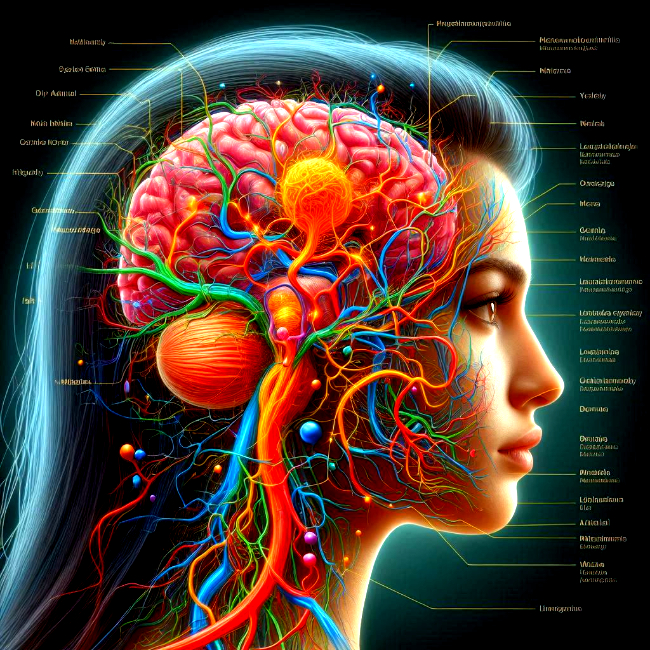
Our thought processes are key elements in living to our fullest potential; but is that the only source of guidance and power within our bodies?

For an average 150-pound person with a brain weighing about 3 pounds, is the 147-pound balance just there to carry around that computer?

While finishing the content editing for my next book, Toolkit for Caregiver Emotions, I am balancing my message about the methods we can use to manage our thoughts and emotions – with an equally important message of helping our bodies send uplifting and power-generating messages to our brains.

In last year’s post on September 10th, I shared about the daily habit of ‘pulling the string,’ followed by assuming a power pose for two minutes. These two simple actions set our bodies up to fill with personal power, strength, and optimism.

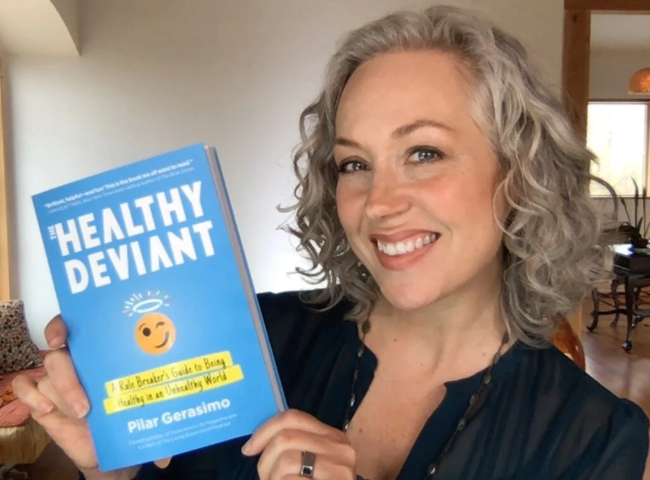
In reading the latest release by Janice Kaplan, What Your Body Knows About Happiness, I am being reminded of the wealth of information our bodies send our brains, and that our bodies are doing a lot more thinking than we once thought.

Case in point. Kaplan shares neuroscientist David Eagleman’s example of a baseball being thrown and hit. “When a pitcher throws a ball at 100 miles per hour, it takes about four-tenths of a second to get to the batter. Conscious awareness takes about half a second – which means that the ball crosses the plate before the batter quite literally – knows – it. If the body weren’t functioning without conscious input, nobody would ever hit a baseball.”

Eagleman says, “Your consciousness is like a tiny stowaway on a transatlantic steamship, taking credit for the journey without acknowledging the massive engineering underfoot.”

Kaplan builds her case for purposefully directing our bodies to avail ourselves of increased happiness and positive outcomes. She cites clinical studies which demonstrate how small cues from our bodies can direct our mental activities and perceptions.

One study by cognitive scientist, John Bargh, just blew me away. As study participants were individually entering the lab, they were greeted by the research assistant outside who was holding a drink and fumbling with her briefcase, trying to get to some papers. The participants were asked to hold her drink so she could free her hands.  Once inside the lab, they were given some forms with a description of someone, and they were asked how much they liked them.

What the volunteers did not know was that some of them were given a cup of hot coffee to hold briefly for the lab assistant, while others were given a cup of iced coffee to hold.

Here’s the amazing thing: those who held the warm cup gave positive ratings for the person being described on the form, saying they were warmer and kinder. Those who had held a cold drink found the person colder and less likeable.

This experiment has been repeated in different forms around the world, all confirming that the warm sensations from the cup of hot coffee primed volunteers to be more generous and more trusting.

I highly recommend her book, and you will be hearing more about what I am discovering in future posts.

In the meantime, if you a feeling cold and edgy toward others, wrap your hands around a warm drink to change your mental outlook.

In health –

Deidre  

You can share this post with others using the options under the MORE button below. Thanks.