
Category Archives: Habit Building

Oh, And One More Thing …

This One Thing

I just learned how to increase my endurance by 240X!

No potions. No app to install. No purchases necessary.

Intrigued?

On just two pages of a new book I’m reading about techniques used to develop your best self, I felt like I had been given the golden key that unlocks the treasure chest of all knowledge.

It starts with rats. I know – rats …

The author, while opposed to many aspects of animal testing, related the findings of an old study.

Back in the 1950’s, a Harvard-trained researcher named Curt Richter, conducted some studies through Johns Hopkins.

He wanted to see how long rats could swim under two different conditions.

In the first one, he let rats swim as long as they could before they drowned. They lasted fifteen minutes.
I know – lab studies …

In the second one, rats were allowed to swim up to the point where they looked like they were about to give up – around their threshold of fifteen minutes. At that point, they were removed from the water, toweled off, and allowed to briefly rest before they were returned to the water.

How long do you think they were able to swim?

Maybe just a few minutes? Another fifteen?

Shockingly, they swam for sixty – yes, 60 HOURS!

Two hundred and forty times longer!

What?

What had changed for those rats?

The researcher concluded that they had experienced one simple thing: HOPE.

They had experienced the possibility of a better future. They ‘knew’ there was a chance of that better future, and they kept swimming and swimming towards it.

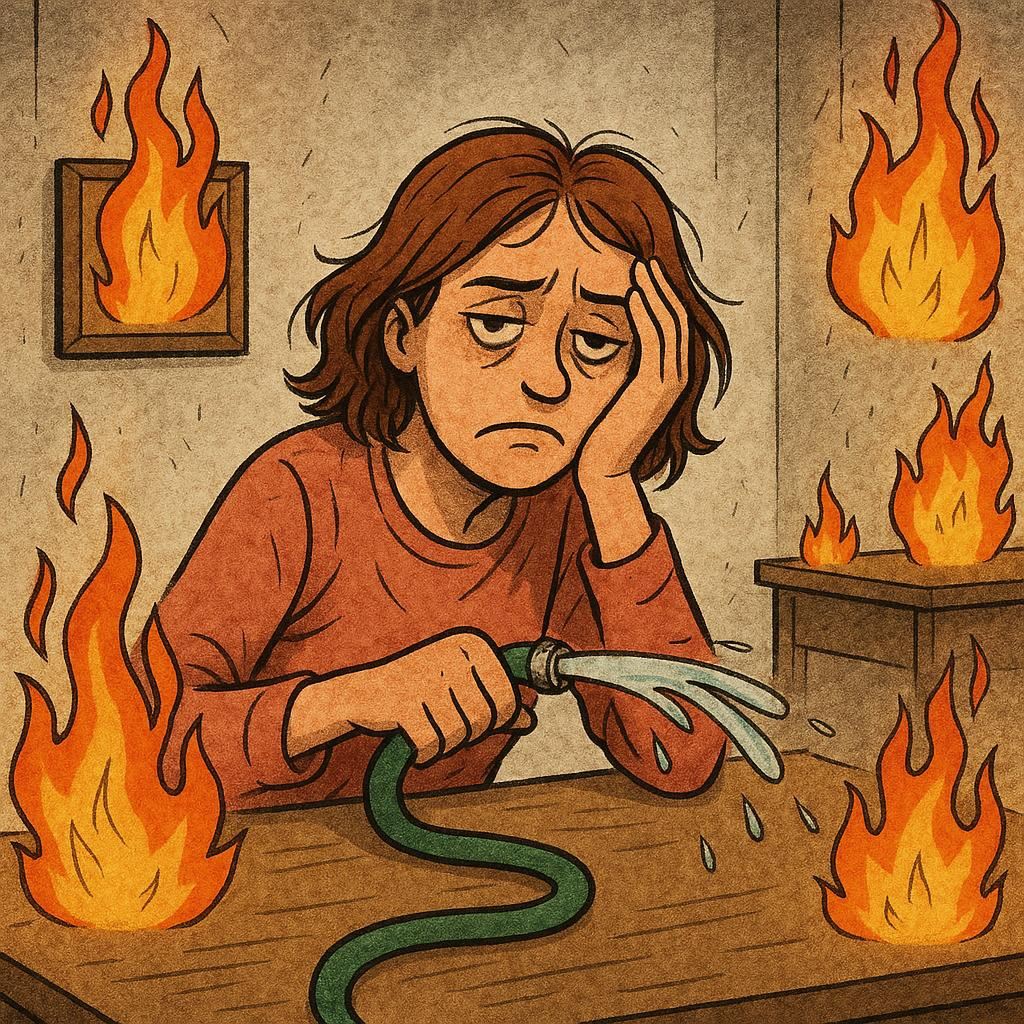
How’s your HOPE meter doing these days?

Hope is believing our future will be better than our present. Take that away, and we succumb like the poor rats in group one. Hopeless.

Whatever the muck we may be mired in, if we can sustain our HOPE, then our endurance is strengthened.
How do we create or find hope for a better future?

We need to SEE a better future and have GOALS that inspire us.
We need to believe that WE CAN take the steps needed to make our goals happen.

We need to have a PLAN to move forward with those steps – and be flexible enough to modify our plans to include different approaches that will ensure success.

Bringing your best self to each day’s starting line means you are committed to a brighter, better future.

You are going to show up!

With HOPE!

For success!

In health –

Deidre

NEXT Tuesday, August 19th, will mark the 100% full launch of Toolkit for Caregiver Emotions!

Yippee! Those of you who have pre-ordered, the eBook version will be ready to read that day! There will be lots of book promotional sites advertising the eBook on sale at $0.99.

In the meantime, the paperback is currently also at a discounted introductory price, so it’s a great time to pick one up for yourself or someone else who could use a helping hand with their caregiving emotions.

The honest, helpful reviews of readers are pure gold to authors, and I thank each of you who have chosen to take a minute to do that. Just a sentence or two can make a big difference. Thanks!

Promises Kept

Do you keep your promises?

I remember when, as kids, we would ‘pinky swear!’

Boy, that was the real deal!

As we grew older, we learned our word was our bond.

It’s a beautiful thing.

Promises kept to others.

But, what about making promises to yourself?

Do you hold them to the same standards? Or do you think you’re not worth it?

“Oh, I said I wasn’t going to eat that whole big serving next time we came to this restaurant, and look … oops!”

“I said I was going to exercise today and look … oops.”

These and similar statements are probably followed with negative self-talk – which chips away at our self-esteem.

I was at a workshop recently having to do with bringing our best selves to greet life each day.

One participant said, one area she wanted to work on, was in bringing her best self to herself.

She realized – while she was keeping promises to others, she was not keeping promises she made to herself.

We’ve all had an ah-ha moment with that one.

This is a gentle nudge to remind all of us that if we want to do well – bringing our best selves into each day – then we also need to bring our best selves to ourselves.

Now, on to tidbits –

Are we still making sure we are moving around each day?

At the start of our longevity series, I shared some statistics about how regular daily movement – coupled with exercise – is the number one thing leading the way to a healthier, longer life – even if you have ‘good genes.’

A new meta-analysis of 85 studies has clarified just how critical physical activity can be. I quote from Chris Kresser: “Adults who were consistently active, had up to 40% lower risk of dying from any cause, and a 30-40% reduction in cardiovascular mortality. Even better, starting exercise later in life still

provided significant benefits—a 20-25% lower risk of death compared to those who remained sedentary.”

He concludes, “From a Functional Medicine perspective, this supports movement as foundational to healthspan, not just lifespan. And while structured workouts help, what seems to matter most is consistency and enjoyment. Activities you love and can sustain—especially those done outdoors with others—are the most likely to stick.”

Computer time has ramped up for me during this early book launch. Toolkit for Caregiver Emotions is the topic of many an email and post on social media platforms!

So, my partner and I are inspiring each other as we do our online exercise routines each day as a blessed break from sitting in front of the screen. And, when the temps and 95% humidity decrease, we take walks!

It’s all because I promised I would. Pinky swear!

In health – Deidre

Feeling Hot, Hot, Hot!

It’s too darn hot!

Ninety-five percent humidity can take its toll!

It is summertime here in the Northern Hemisphere, and finding cooler ingredients and cooking methods is a priority.

Got meat? Grill it outside, please – no added heat in the kitchen!

For the rest of the meal? I keep turning to salads.

Cool, crisp, full of veggies salads.

No label reading is needed for these whole foods.

Until …

Maybe we think using bottled dressing would be an okay shortcut?

Truth be told – I have succumbed to the sirens of bottled dressing from time to time – even the pricey ‘good ones’ touting no chemicals – but they break all the rules for homemade goodness and freshness.

I know folks who always splash on just enough oil, balsamic vinegar, salt, and pepper to do the job.

That sort of works for me in the winter, but …

Lately, I’ve been into whole meal salads featuring high protein, gluten-free pastas!

First, we need some flavorful salad dressing to pull it all together!

So, grab a small mixing bowl and add as many of these ingredients as possible – I didn’t have the shallot, or enough lemon juice and it turned out fine!

Dressing

½ cup extra virgin olive oil

¼ white wine or champagne vinegar

2 Tablespoons lemon juice

2 teaspoons Dijon mustard

1 Tablespoon fig preserves (honey will do nicely)

1 small shallot finely chopped

2 cloves garlic, finely chopped

½ cup mixed fresh herbs: dill, oregano, basil

Salt and pepper to taste

A sprinkle of chili flakes, if desired

Whisk the ingredients well and set aside.

Then, cook 1 lb. or 1 box of salad pasta of choice to al dente. I like using chickpea or red lentil pasta for the protein boost, which makes this salad a full meal.

Once cooked to al dente, drain the pasta and toss with the dressing so all those yummy flavors can coat each piece!

Assemble a montage of ingredients in an over-sized salad bowl such as:

Two heads of Romaine lettuce, sliced

½ of a head of Radicchio, sliced

A sampling of nitrate-free salami, pepperoni – I use turkey based when available – sliced

1-2 cups of cherry tomatoes, halved

A variety of olives, torn or sliced

Bell pepper, chopped

2-4 Tablespoons of sliced pepperoncini

A cup or more of fresh basil leaves, torn

A cup of mozzarella cheese balls – these may be halved or quartered if they are not mini size

A cup of provolone cheese, cubed

Shaved Parmesan to taste

As a concept recipe, I never always have all the ingredients, so types and quantities of ingredients will vary.

Once the salad is assembled and tossed, add the pasta with its dressing and toss thoroughly.

Served fresh with the pasta still warm, or cold from the refrigerator, this is a satisfying meal!

If we have some grilled meat, I will thinly slice the hot meat and arrange the slices on top of each serving of salad.

Bring on the iced sangria!

In health –

Deidre

Dear Readers:

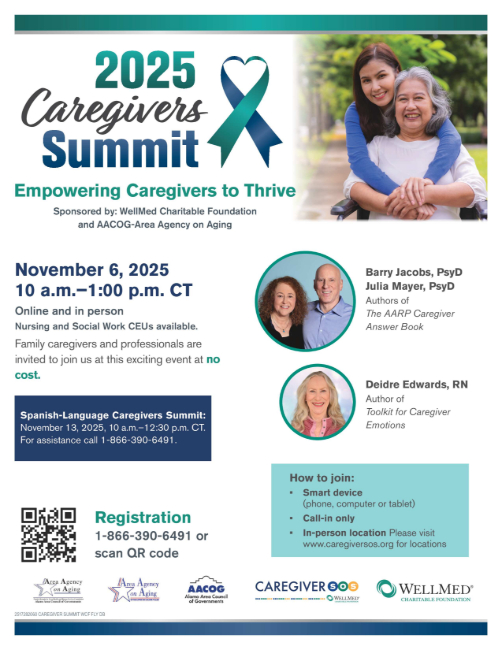
Be a surprise blessing to a friend or family member who is a caregiver by sharing this link with them to Toolkit for Caregiver Emotions. Better yet, buy a copy for them as a gift! Also, the eBook is on pre-order for $0.99 with delivery on August 19th!

Longevity 5

Deep Z’s

We rejoin our bewildered hero regarding her data showing subpar minutes spent each night in deep non-REM sleep.

What to do?

Something about sleep hygiene?

We’re not talking about cleaning up your dreams – we’re going to have a serious conversation about how we spend our time before going to bed and what our sleeping environment should be like.

Sleep experts agree that there are things we can do to optimize our chances for a good, restful sleep. Their suggestions all make sense but may necessitate change on our behalf from ingrained habits.

Change? I can feel resistance already!

Just keep an open mind and ask yourself, “Are we on the same team with our body or not?”

Do we want strong bones, muscles, and immune systems? Not getting enough good sleep may make us more prone to physical and mental health issues. Just saying.

For good sleep hygiene, it is recommended to:

Establish a regular sleep-wake schedule every day of the week. Avoid major swings in your routine on your days off.

Limit caffeine, alcohol, large meals, and strenuous exercise several hours before bed.

Keep your sleeping space dedicated to sleep and intimacy. Watching TV in bed, trains your brain to stay alert, not rest. Moving from a separate space for screen time to your sleeping space helps signal your brain that it’s time to sleep.

Ensure your sleeping space is dark, quiet, cool, and free from electronics.

Bedtime routines that relax you before sleep, also help signal the body sleep is coming. Switch off the TV thriller or stop scrolling social media at least 30 minutes prior to bed and relax with music or take a warm shower.

Blue light stimulates our brains into daytime alertness, so taking your eyes off the blue screen of any electronics helps the brain to realize it’s nighttime. Be sure to turn on your phone’s red-light filter well before your bedtime routine even begins – so if you accidentally look at it, it will not be as disruptive.

We control what we can because there are things we cannot control. Let’s keep in mind deep sleep tends to decrease with age, and sleeping disorders such as sleep apnea can reduce deep sleep.

While there is no way to make ourselves sleep deeper, we can increase our chances of sleeping well by making modifications such as these.

I’ve already activated the red light filter on my iPhone so I can turn that feature on after sunset. While the screen may be safer to look at, it’s not conducive to long looks, so my habit of random scrolling may painlessly disappear.

To activate the red light filter, follow these instructions:

I have not gotten around to getting new blackout curtains for the bedroom since moving; but now, they are a priority.

Our subscribers can count on not being bugged with pop-ups or endless sales emails. When we send you something, it’s the link to our weekly blog – or occasionally – a thank you containing additional useful information. Reach out to me in the comments below or email me at Deidre@deidreedwards.com – your questions and comments are always appreciated!

Don’t miss the next post! Subscribing is easy and hassle-free. Just one email every Tuesday morning with the link to the latest post. Scroll down from the top of this page on the left side of your device to fill out the subscribe form. Thank you!


In health –

Deidre

Longevity Part 4

Getting your zzz’s on?

Well, I couldn’t wait. I have sleep data! Do you?

At home, we’re both wearing our Apple watches to bed – remember to charge them before retiring – just saying!

We feel like Monty Python in search of the Holy Deep Non-REM Sleep Grail!

As mentioned last week, the deep sleep part of our sleep cycle is important for healing, repair, and “taking out the trash” – ridding our bodies of metabolic waste. Scientists are seeing a correlation between decreased minutes spent during deep sleep and a buildup of beta amyloid plaque as seen in Alzheimer’s Disease (AD).

AD is a complex neuro-degenerative disease that is being studied from so many angles – and connecting dots from different correlations may nudge us toward a cure and, hopefully, prevention.

The goal of examining our sleep cycles here at FoodTalk4You is to better understand sleep’s restorative power — so we can improve our sleep quality and potentially prevent disease.

Let’s summarize what the sleep cycles are that we normally go through approximately every 90 minutes:

Stage 1: This brief, drowsy stage marks the transition to sleep, when your breathing and heartbeat start to slow down.

Stage 2: In this stage of light sleep, your breathing and heart rate slow even more. Your temperature drops and your muscles relax. Stage 2 sleep lasts longer in each cycle throughout the night. About half of your total sleep every night is spent in this stage.

Stage 3: Stage 3 sleep represents the deepest sleep of the sleep cycle, when brain waves are at their slowest in frequency and highest in amplitude. Also called non-REM sleep.

REM/Rapid Eye Movement: As the name suggests, your eyes move quickly beneath your eyelids during REM sleep. Your brain activity is like that of a person who is awake. However, your muscles usually do not move. Experts believe most of our dreams happen during REM sleep.

It’s normal to become awake at various intervals during the night. We might not remember having woken up and we ideally fall right back to sleep.

The Apple Watch labels its categories: Awake, Core (Stage 2), REM, and Deep (Stage 3/non-REM)

Check out how these stages ideally look:

Here’s how that translates to an Apple Watch:

Practically drooling with anticipation, I looked at my first night’s recorded results:


Is 45 minutes enough deep sleep? Am I doing my brain any good, please?

Well, grasshopper – not so much.

We need around 25% of our 7-ish hours of sleep time to be deep sleep – or 105 minutes. It’s totally okay to have our deep sleep happen over the course of several cycles.

Which begs the question – how do I increase my deep sleep time? Tell me – I’ll do it!

It boils down to sleep hygiene: what we do prior to retiring for sleep and what our sleep environment is.

That, we’ll get into next week.

Wait! What?

Yes, this is the cliffhanger that encourages you to come back next week for more! Until then, let’s keep collecting our data.

Until then, a word from our sponsor:

Toolkit for Caregiver Emotions is in the hands of my launch team for reading and leaving reviews on Amazon! Let me know if you would like to help by leaving a comment below or by emailing me at Deidre@deidreedwards.com and I will send you all the details – no purchase required! Reviews are the key ingredient to getting books before the eyes of those who are looking for them.

Now, how am I supposed to sleep?

In health –

Deidre

Longevity Part 3

Deep sleep is brain detox!

Sleep is when your brain takes out the trash – and some of us are trash hoarders!

You see, there’s a system of plumbing in the brain called the glymphatic system, which piggybacks onto the brain’s blood vessels and pumps cerebral spinal fluid through the brain to wash away waste.

This glymphatic system does its best work not just when we sleep, but when we are in deep non-REM sleep.

We know too well how challenged we feel mentally after a restless night. Those symptoms are telling.

The meaning and importance of deep sleep needs to be more on the forefront of our thinking. The University of Rochester Medical Center put it this way:

“Because the accumulation of toxic proteins such as beta amyloid and tau in the brain is associated with Alzheimer’s disease, researchers have speculated that impairment of the glymphatic system due to disrupted sleep could be a driver of the disease. This squares with clinical observations which show an association between sleep deprivation and heightened risk for Alzheimer’s.”

Yikes!

We recently shared Dr. Topol’s personal conclusions from his study of superagers – emphasizing how he has rebalanced his exercise routines to maximize benefits for his longevity. He is now asking: “What if the key to protecting your brain isn’t more sleep — but the right kind of sleep?”

Are you tracking your sleep cycles?

Dr. Topol is … times two! He uses both an Oura ring and a smart watch to monitor his sleep because he has discovered the two readings do not always match.

Well, my smart watch will have to do for now. I have always taken my watch off at night to recharge it – now I will recharge earlier in the evening so I can monitor my sleep.

Anyone want to join me? Or are you already wearing a monitoring device at night?

I’d love to hear the results we all get.

Finally, most sleep gurus agree that while we hear a lot about 8 hours of sleep being ideal, many of us have found a sweet spot with 7 hours.

Okay – we’ll circle back together on this in a week or two – drop a comment below to share your findings.

In sleeping health –

Deidre

UPDATE: With Sheree’s and my summer vacations and family get together’s, we’re trying to get our posts “in the can” and ready to be sent to you several weeks in advance. By the time you read this, Toolkit for Caregiver Emotions may be in its soft launch phase, hopefully, being read and reviewed by my launch team.

It’s not too late if you would like to help me launch my book in a way that will help others take notice of it. Drop a comment below or reach out to me at Deidre@deidreedwards.com if you would like to get launch team information along with a free PDF copy. Thanks!

Longevity – Part 2

HABIT STACKING

If I have to do one more thing to keep my house running properly, I’m going to scream! Then I’m going to declare bankruptcy!

Change the water filters – Brita and refrigerator. Cha-ching! Hire someone to clean out the drier vent. Where’s my money tree?

Clean the air filters. Clean out the bugs from the porch light covers -eww!

Replace the smoke detector batteries without falling off the ladder!

Now, I’m supposed to exercise more? There are only 24 hours in the day! When do I get to live?

Easy, grasshopper.

Aside from taking walks and going to the gym, there are helpful things we can do to assist in getting more mobility habits into our daily routine.

How? By habit stacking – pairing a simple movement into what we are already doing.

Dana Santas, a strength and conditioning specialist, believes that while reduced muscle mass, stiffer joints, and longer recovery times do come with age, losing mobility does not have to be lost as well.

She says: “Aging itself doesn’t automatically limit your mobility — lack of movement does.”

In other words: you lose it if you don’t use it.

Lack of mobility will exacerbate muscle loss and stiffer joints.

So, with that motivation, here are a few ideas that you can use to sneak in movement without taking substantial time – because you are habit stacking!

First thing while waking up: take six long deep breaths before getting out of bed to get oxygenated and establish a calm beginning before your mind starts to whirl. Emphasize the exhale to get rid of stale air and toxins.

Standing at the sink to wash your face: drink a glass of water first which will jump start digestion and make up for not hydrating while you sleep.

Making your bed: rest your hands on the edge of the bed to do a few squats.

Brushing your teeth: practice balance skills standing on one foot and then the other, during those two minutes, OR step back to a wall or door jamb and do wall sits 30 seconds on/30 seconds off, twice.

Waiting for coffee to finish or water to boil: do head and neck stretches by gently looking up/down, right/left until you notice increased comfort and range of motion. Add arm circles to help open your chest.

Just after putting on your shoes: do a few step back lunges for each leg.

If working all of these into your daily routine is too much at once – just start with one or two and work up from there.

Now that I have been doing most of these for years, brushing my teeth just means standing on one foot now! Brewing coffee means gentle stretching.

I will add the lunges until they are firmly identified with putting on my shoes.

In health and mobility –

Deidre

UPDATE: Toolkit for Caregiver Emotions, has completed the formatting process and is now in the final stages of production before we enter the … shhhh! … STEALTH LAUNCH period! The stealth launch is when my LAUNCH TEAM will read and review it before the formal unveiling six weeks later! Anyone interested in more details or who wants to join the launch team, just drop a comment below or send me an email at Deidre@deidreedwards.com. Thanks!

The Kindest Thing

Here you thought I had written the last about kindness a couple weeks ago, but something came my way I just had to share.

This inspiration came from a quote James Clear included in his 3-2-1 Newsletter. His weekly missive is golden and inspires my work and life habits to this day. You should check it out.

James Clear, as it would have it, was the one who inspired me to start foodtalk4you and shared how to do it! Thanks, James!

Without further ado, here is the quote from an interview that brought tears to my eyes:

Investor Rick Buhrman on the kindness of mastering your craft:

INTERVIEWER: What is the kindest thing that anyone’s ever done for you?​

BUHRMAN: … our oldest son, Theo, who just turned seven, spent the first six months of his life in several NICUs. He was eventually helicoptered to Indianapolis at Riley Hospital for Children. And while we were living in that NICU for almost a half a year we saw a lot of kids who passed away. Most of those kids were not as sick as Theo was.

I don’t know exactly why Theo survived, but I know that a major part of how he survived was because for several decades leading up to that moment, numerous nurses, nurse practitioners, respiratory therapists, doctors, surgeons had committed themselves wholeheartedly to mastering their craft. I can give you tons and tons of examples of these people. And I know that in the moment, it wasn’t necessarily viewed as kindness.

But maybe in some sense, the kindest thing that all of us can do is to pursue something radically that in some way is in service to others, because you just don’t know how it’s going to change the trajectory of human life. And so for all of those medical practitioners, none of whom I’m sure are listening to this, I owe everything to, because they gave me the gift of being Theo’s dad.

Source: Invest Like the Best

If you are pursuing or have pursued “something radically that in some way is in service to others” – thank you so much!

Medical professionals, teachers, ministers, farmers, scientists, researchers, police and emergency personnel – the list goes on and on. The librarian who helped you may not have saved your life, but the book you were guided to may have changed the trajectory of your life.

May we all be reminded to acknowledge others’ dedication to years of training and diligent study to be able to apply their expertise in making our lives better – or even happen at all.

What a beautiful thought: being in the trenches honing your helpful craft is really one of the kindest things you may ever do.

Have you ever thought about kindness that way before?

In health and feeling inspired to press on with getting Toolkit for Caregiver Emotions out there

– Deidre

“Oops! After joyfully creating a thank you letter to you – our dear subscribers – and putting it into the system that sends them out, we awoke red-faced the next day when realizing that the part of the program that personalizes each email with the recipient’s name was not properly set up. 

As a result, readers were addressed by “Dear [First name or Friends]”. Good grief. Our trusty editor, Sheree, dove back into the mailing program to straighten out the glitch and she resent the letter to all of our subscribers, properly addressed!

Sorry for the confusion. Sheree probably has no hair left, I’m sure. Next time you get a note from us, it will be addressed to YOU! 

Patience

“What do we want?”

“Patience!”

“When do we want it?”

“NOW!”

I, and so many of you, have been patiently – and not-so-patiently – waiting for Toolkit for Caregiver Emotions to make its appearance.

My older, wiser self knows that sometimes delays are for the best. This is one of those times. I regret the false starts, but the version that will be published this summer far outshines its earlier iterations.

When dealing with caregiver emotions, I just had to do my best by making this important book as complete as possible. It was living on that roller coaster of caregiver emotions that was the most challenging part of my journey in trying to give my best to my husband while he was in hospice.

While there is no one story to the caregiving experience, there are many common threads to the unique tapestry of what we experienced. Whether it’s a temporary caregiving situation involving recovery or a long-term one, caregiver’s emotional responses can often be triggered after just a day of caregiving.

Later this month, when I am holding a proof copy of the Toolkit for Caregiver Emotions book, I will be sending out links to people who want to join being in on the excitement of the launch team! Participants will have a behind-the-scenes view of the launch process and can assist in its success by:

Buying a copy of the book at a special limited time discount and leaving a review on Amazon, or

Reading a free PDF of the entire book and leaving a review on Amazon, or

Reading a free 2-page summary and leaving a review on Amazon

Reviews are crucial for the actual launch of the Kindle version (seven weeks later) because advertising and promotional sites want to see lots of reviews, and people searching for books look at reviews before making the decision to buy.

Reviews can be as simple as five stars; but it’s best to also leave an honest review in words. I will give you a couple of ideas on how to painlessly write a very short review using a template.

If our FoodTalk4You readers think they might be interested in supporting the launch of Toolkit for Caregiver Emotions, please leave a comment or email me at Deidre@deidreedwards.com for more information.

Below is a PDF containing a collection of snippets taken directly from the book. I hope you enjoy it!


In health –

Deidre

Kindness – Part 3

Listen – It’s a thundering herd of hard-charging RAK!

Stressed out?

On your last nerve?

Depressed?

Your ‘get up and go’ is gone?

What we need is some RAK!

You know … RAK: Rampaging Alpaca Knights
A secret society of armor-clad alpacas who charge into battle wielding pool noodles and spreading chaos — and cuddles — wherever they go.

Well, maybe not. But that sounds really cool!

We’re wrapping up the kindness series with the benefits of kindness on the whole body-mind-spirit – and that includes making a habit of Random Acts of Kindness (RAK).

I love learning the science behind most anything. Like when I share in my next book, Toolkit for Caregiver Emotions, about how naming the emotions we are feeling helps to tame them – all because a different region of the brain is being fired up to find the correct label we want.

So here we go! Here’s an excellent round up of why being nice to others not only helps them, but also helps us!

The science behind the benefits of being kind:

Recipients of kindness can feel loved.

Recipients and givers of kindness can experience a sense of awe when they think about profound acts of love or virtue.

Whether you are a recipient or giver or merely just a witness, you can feel the benefits of an increase in oxytocin. Oxytocin is commonly called the “love hormone” and this helps to lower blood pressure, improve overall heart health, increase self-esteem and optimism.

Kindness can increase the feeling of strength and energy due to helping others.

Kindness can also make one feel calmer.

Less depressed.

Increased feelings of self-worth.

For those that volunteer their time or money for charitable causes, they often have fewer aches and pains.

Kindness is most similar to a medical anti-depressant. Kindness pushes your body to produce serotonin, which is commonly known as the “feel-good” chemical that provides healing and calming feelings.

Kindness decreases pain, by generating endorphins (the brain’s natural painkiller).

Stress, it has been shown that people who are more kind, have 23% less cortisol (the stress hormone) and age slower than the average population.

Anxiety – The University of British Columbia did a study on a group of highly anxious individuals in which they performed at least 6 acts of kindness a week. After one month, there was a significant increase in positive moods, relationship satisfaction, and a decrease in social avoidance in socially anxious individuals.

Depression is reduced, mortality is delayed, and well-being and good fortune are improved when we give of ourselves.

Lowering blood pressure from giving acts of kindness, creates emotional warmth, which releases a hormone known as oxytocin. Oxytocin causes the release of a chemical called nitric oxide, which dilates the blood vessels. This reduces blood pressure, and therefore, oxytocin is known as a “cardioprotective” hormone. It protects the heart by lowering blood pressure.

Sources: Cassidy & Shaver, 2008; Mikulincer & Shaver, 2007; Keltner & Haidt, 2003; The Random Acts of Kindness Foundation, n.d; Stephen Post, Case Western Reserve University School of Medicine.

————

Don’t you find this to be true?

I’ve found that when I shift my focus away from myself, even for a moment, doing something kind or helpful for another person — or even an animal — ends up benefiting me almost as much as it does them.

Watch Mark Kelly, below, as he shares how his habit of Random Acts of Kindness spread to his office cohorts. You will adore his Irish accent!

In health and in search of some alpacas with pool noodles –

Deidre

Next week, I’ll be sharing a few sneak peeks from my new book, along with an invitation for anyone interested in helping out with the launch process to get involved.

Our subscribers can count on not being bugged with pop-ups or endless sales emails. When we send you something, it’s the link to our weekly blog – or occasionally – a thank you containing additional useful information. Reach out to me in the comments below or email me at Deidre@deidreedwards.com – your questions and comments are always appreciated!