
Category Archives: Stress Reduction

The Silence of Youth Caregivers

Hidden

There is an estimated 5.4 million of them in America alone. You see them every day, yet you do not know who they are or, really, that they even exist to any great degree.

These people are losing their youth, their chance to grow and excel, their chance to form relationships with their peers, and their path to the future is shrouded in the mists of uncertainty and missed opportunities.

They have no voice – at least, until recently.

We at foodtalk4you want to add to the conversation to try and increase awareness – not only of their struggle – but to edify the rest of America and the world that there’s work to be done to help these people.
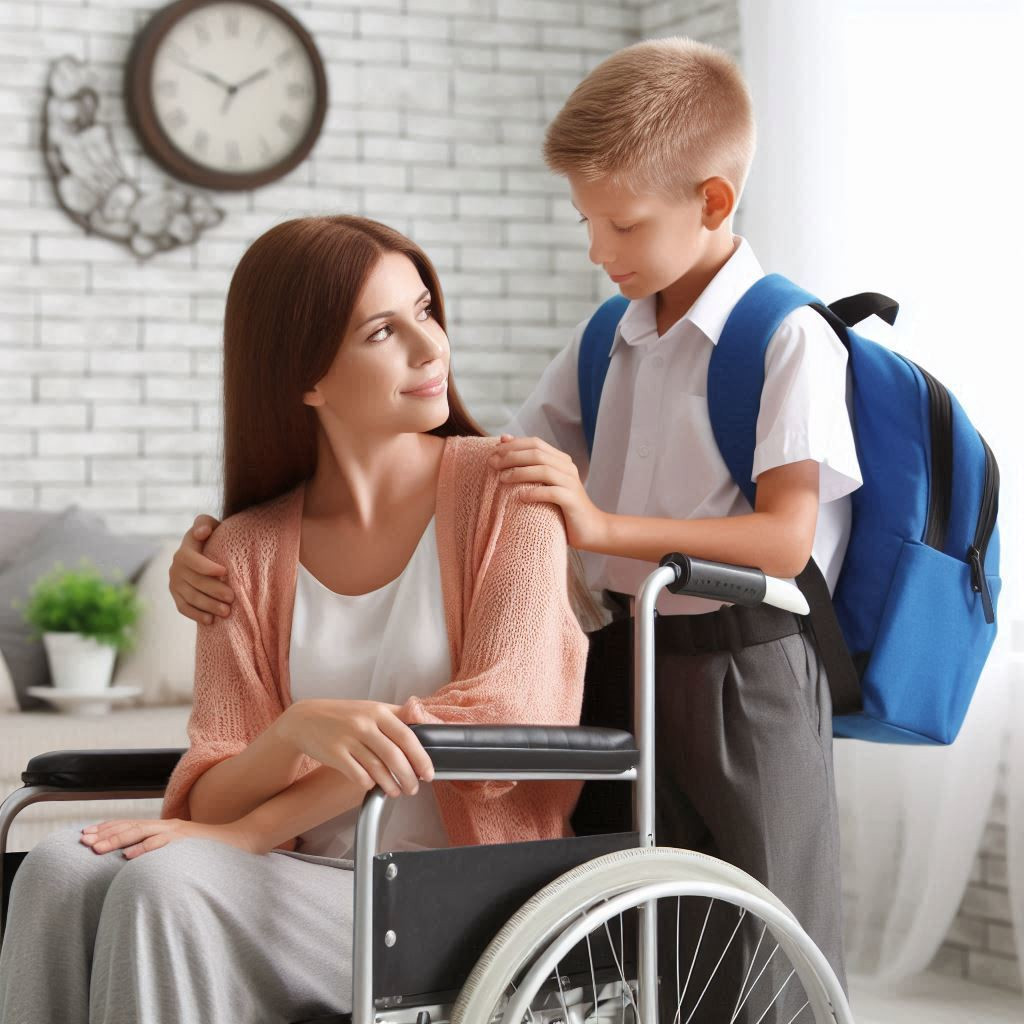
Who are they that are sacrificing so much in the name of family love?

Children and youth who are primary caregivers for family members.

Whether it springs from multi-generational households extending normal familial love – to loved ones in need or single parent homes struck with adult disability or disease – legions of children and youth are caught up in a process robbing them of the precious years to be a kid.

Can you imagine the fatigue and weight of responsibility experienced as an adult caregiver being shouldered by a fifth or sixth grader trying to gain skills in basic reading, writing, and math concepts?

How about a sleep-deprived and emotionally distracted caregiving teen trying to grasp the basics of Earth Science or Algebra II?

Opportunities for playing outdoors, being in group sports, going to or having parties, being a part of after school activities and sports – all pass these children and youth by.

Opportunities that will never come again.
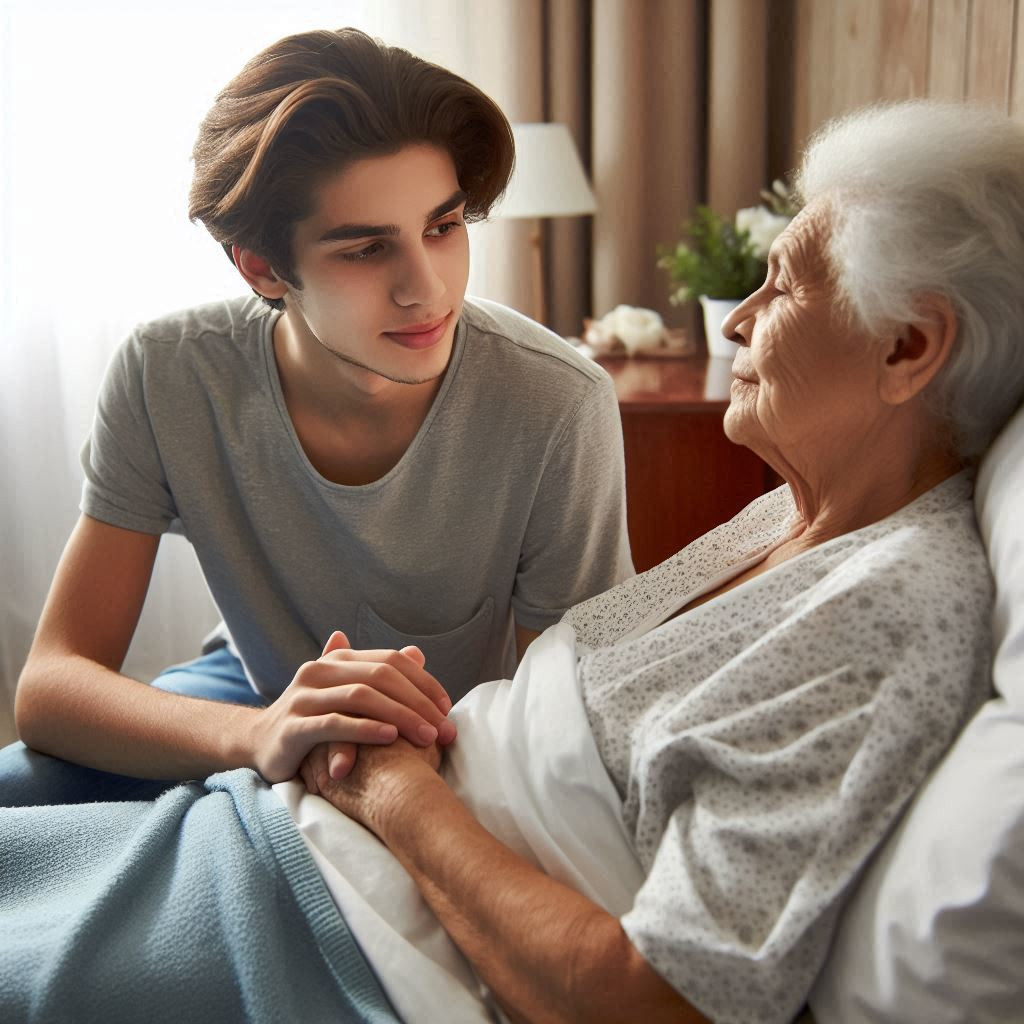
All because they can’t leave the side of their physically and/or psychologically challenged family members who need these angel caregivers for their survival.

You can click on this link for more information.

There you can scroll through to read short articles, links to features on the Today Show, and more.

The goal is to 1) create awareness, 2) create advocates for change, and 3) to be a part of that change.

You may be living next door to a child/youth caregiver and not know it. Could you help out?

Are you involved in education? Can you be a part of identifying these young caregivers and guiding them to the assistive resources available in your community?

Are you in medicine? Do you know who is the primary caregiver of your patients? Can you assist them in finding help?

As voters, we can ALL start conversations with our representatives to bring the plight of caregiving children and youth to the forefront of policy changes.

Sharing is caring. Use the options under the MORE button below to share this message for those who are able to help.

In health –

Deidre

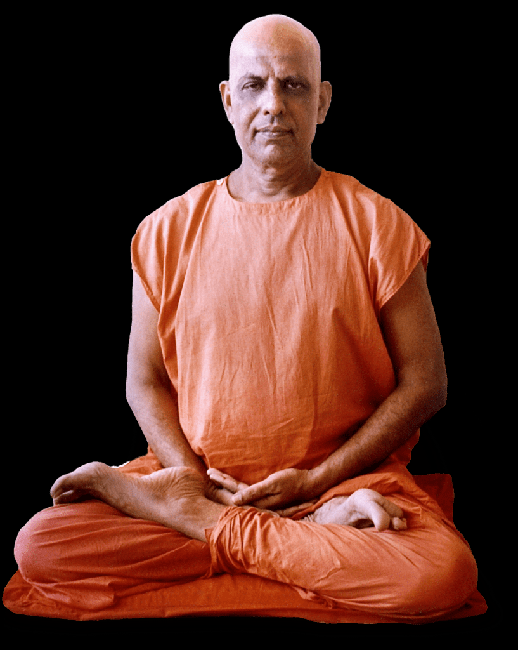
Namaste

A wonderful thing happened while plowing through accumulated emails at the start of my writing workday.

Chris Kresser’s Friday newsletter held a gem for me that I can’t wait to share with you. Chris is deeply involved in functional medicine, and it’s always a delight to learn from him.

Today, he shared a link to Tara Brach’s guiding her YouTube viewers through a 19-minute meditation that eased me into a higher realm of calm than I had experienced for a long time.

This calmer state is helping me handle the slowdowns and uncertainties I spoke of last week, while still gracefully moving forward with what I can control.

It’s been a long time since I last attended a yoga class that would allow me to extend the deep sense of calm I gained today — all the way through to my very muscles – but following along with her video put an inner calm within reach, right in my home office.

If self-compassion is something you are seeking to bolster, Tara leads another shorter, guided meditation called, The RAIN of Self Compassion that may assist you. 

She concludes that video with a quote from Bapuji, an Indian master who said:

“My beloved child, break your heart no longer. Each time you judge yourself, you break your own heart. You stop feeding on the love which is the wellspring of your vitality. The time has come – your time to live, to celebrate, and see the goodness that you are. Let no one, no thing, no idea, or ideal obstruct you. If one comes, even in the name of truth, forgive it for its unknowing. Do not fight – let go and breathe into the goodness that you are.”

It’s short and sweet today in hopes that you will take a few minutes to lift and love yourself by following one or both guided meditations.

As always, if you found today’s post of value to you, share the goodness with others using the options under the MORE button below.

In health –

Deidre

Delay is Not Denial

Patience, grasshopper!

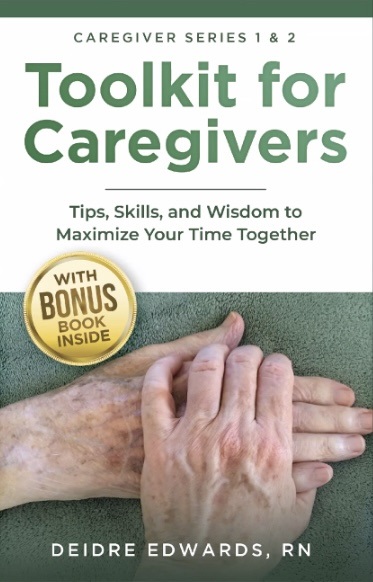
By the time you read this, it’s quite possible I will have an exact publishing date for the third edition of my Toolkit for Caregivers!

I only wish the date this instant.

This has been, what … over a year in the making – maybe longer? Don’t remind me.

Personal slowdowns, coupled with glacially slow turnaround times with those helping me have challenged my desires for, “do it right now”! Slowdowns have been my personal gadfly – needling and buzzing around me – a constant reminder there is a timing and a rhythm beyond my control.

But you know what?

Those slowdowns have helped me produce a better product for readers with offerings of more helpful materials to access – all to reach and support family caregivers everywhere.

The book launch is coinciding with a redesigned sales page on Amazon and a brand-new business website I haven’t even seen yet. So many moving parts, but all for a good cause.

This leads to a life lesson I want to share with you, plus a request for you to consider.

Life lesson:

Delay is not denial. Ofttimes, the circumstances improve because of the delay.

Case in point, I was encouraged to not replace my car right away, to take my time and consider all the options. With a bit of a pouting attitude – because I wanted a particular car right now! I waited and looked at other options and got opinions from others.

When I got a text alert yesterday that the car dealership was offering a tremendous incentive to buyers that would help make my (delayed) purchase so much better, I thanked my lucky stars I had not purchased it a month ago.

When faced with delays, I remind myself there’s still something to learn, do, or prepare for.

Request for you:

The publishers and I are moving the new edition of Toolkit for Caregivers into the already existing slot of its current edition, so the reviews will not be lost. But – new reviews and sales are crucial to put Toolkit for Caregivers in view of potential readers.

This is how you can help. Whether you have purchased the previous edition or not, the eBook will be on a $.99 special for a few days during the launch. You can help by doing one or all of these:

1) Get it for $.99.

2) Leave a star review.

3) Leave a brief, honest, written review.

I will be posting links and more information for you here next week. There will be a one-page synopsis available to you, if you do not have time to read the book right away.

The eBook will have a full-color interior; and the paperback will, initially, be available with a black and white interior.

My dream edition with a full-color interior will be forthcoming. It’s a complicated process, but it will happen.

Patience, grasshopper.

In health and with deep appreciation for your support,

Deidre

PS: Every week, requests for Toolkit for Caregiver Emotions reach me. Rest assured; I am working on getting that manuscript to the editors as soon as possible.

Still Grateful and Breathing

Remember my previous post about various breathing techniques, including Box Breathing and Emptying Breath?

Last week while scrolling through an author platform, I discovered an interesting book that called to me like sirens out of the deep. Written by a neonatologist, Edgar Reynoso Vanderhorst, MD, this book was about a holistic approach to health that included breathing techniques, and even tied into last week’s gratitude post featuring David Steindl-Rast.

In Wellness: Optimizing Yourself,  Dr. Vanderhorst mirrors Steindl-Rast in seeing the link of regular personal habits of gratitude to creating a more compassionate world.

How does this all tie together?

As I have written here before, positive thinking not only changes the hormonal chemistry of our bodies, but also influences the very structure and receptivity of our cells to positivity.

To paraphrase Steindl-Rast, gratitude comes from a place of satisfaction and a feeling of ‘enough’ rather than from a reminders of scarcity. Being grateful extends to better social connections that include respect and wanting the best for others.

Putting these together, we can see that transforming our own peace naturally leads to uplifting our interactions and concerns for others.

Dr. Vanderhorst has graciously agreed to share his thoughts with us on one aspect of wellness to combat the pull to our increasing stress response to today’s world.

His message to foodtalk4you readers:

“By incorporating simple breath practices, we can stabilize our minds, cultivate calmness and access our innate ability to choose how we respond to the world.

Physiology tells us, activating our parasympathetic nervous system reduces heart rate, oxygen consumption, and cortisol levels – a state described as calmness, which is what happens when we meditate.

Achieving this state can be simple. I developed a technique for myself that I implement daily to increase my awareness of the present moment that helps me navigate daily chaos in a more controlled way. I call this technique, “The Vanhorst Technique,” (meditation technique), which consists of simply taking a deep 4-second inhale, holding for 2 seconds, followed by a slow 6-second exhale, and holding for 2 seconds, repeating this cycle five times and working up to 10 minutes.

I usually practice this technique in the morning while lying in bed or when I’m in an emergency that requires my focused attention.”

Just yesterday, we witnessed horrible images of violence taking place at a political rally in America. Clearly, we need to have calming techniques ready to always use.

We can light only one candle to give light to a dark world, dear readers, and that’s our own.

Calming down with a breathing technique and staying in the moment to find what we are grateful for – even in an unpleasant situation – can help brighten our inner candle and set us up for a mindset that creates a listening ear, a reasoning mind, and helps us appreciate differences in the people around us.

In health – Deidre
Let me know in the comments below how you use breathing and reminders of gratitude to reframe your inner self.

Spread the inspiration by sharing this post using the options under the MORE button below and please become a subscriber by scrolling to the bottom of your screen or looking at the top of your computer to fill out our simple form.

Stop. Look. Go!

Our parents’ simple, sage advice may well be the secret to life!

In his TED Talk, David Steindl-Rast presents the ultimate brief on happiness, and how living gratefully is the key to any circumstance.

With over 9 million views, his less than 15-minute talk represents a paradigm shift that transforms personal happiness – and, ultimately, world peace!

It all started with my quest to learn more about his quote:

“It is not happiness that makes us grateful,

but gratefulness that makes us happy.”

Ever notice how some people carrying the weight of the world can often seem to be the most content, while others who have food, shelter, and good health seem to be burdened and unhappy?

What’s up with that?

Could be gratitude.

It’s a chicken and the egg kind of thing. Which comes first?

Listen to David Steindl-Rast to learn how happiness does not come before gratefulness. It’s the other way around.

The “secret sauce” is in his simple formula of:

Stop

Look

Go

Stop the merry-go-round to be in the present moment. Is that hard to do? Sometimes I instruct myself with an audible, “STOP!”

Then, look around, and be open in your senses – absorb the sight, sound, smell, taste, and feel of the moment and enjoy the good that you can find.

Be open in your heart to the opportunity of that moment for you. Sometimes that opportunity is something difficult, very difficult, but it’s an opportunity for you to grow.

The final step is simply – go.

Take the life opportunity of that present moment and go forth to really do something.

The last five minutes of his message is pivotal for both personal and world happiness, starting with:

“…if you are grateful, you are not fearful, and if you’re not fearful, you are not violent.”

I want to quote his entire summary.

I want to make a poster of it to read and internalize every day.

If you are looking for a positive word, something to start a dialogue, or the path for your next step, take a few minutes to listen to his message.

In health and filled with gratitude –

Deidre

Spread the inspiration by sharing this post using the options under the MORE button below and please become a subscriber by scrolling to the bottom of your screen or looking at the top of your computer to fill out our simple form.

Gone Fishin’

When we first moved to Eastern North Carolina in 1980 from California, there was some culture shock.

People, unknown to me, would give a friendly wave when passing by.

There was the whole southern drawl thing – which I adored and secretly tried to emulate for a time.

“Bless his heart” took on a new meaning.

I grew to love collards, okra, and assorted greens.

Barbeque did not mean sliced grilled beef with red sauce.

Iced tea came SWEET!

There was one other cultural phenomenon that irritated us at the time that is hardly ever seen anymore.

Namely, businesses shuttered their doors the first week or so of July. Period.

Gone fishin’.

Need a car part? Catch us sometime around the 8th.

How about plumbing supplies? Nope. Closed for the week.

If you needed an oil filter, a fitting for under the sink, or much anything else, you were simply out of luck.

In those days, folks in the area took their family vacation time and the Fourth of July very seriously, indeed.

We look back at those precious, seemingly backward and inefficient times while shaking our heads.

Maybe we shouldn’t.

This girl is going to hang out the “Gone fishin’” sign and skedaddle to Hot-Lanta to take in some family time, attend a Braves’ game, and watch some fireworks!

In health –

Deidre

Life Under the Parachute

The image remains clear in my mind today.

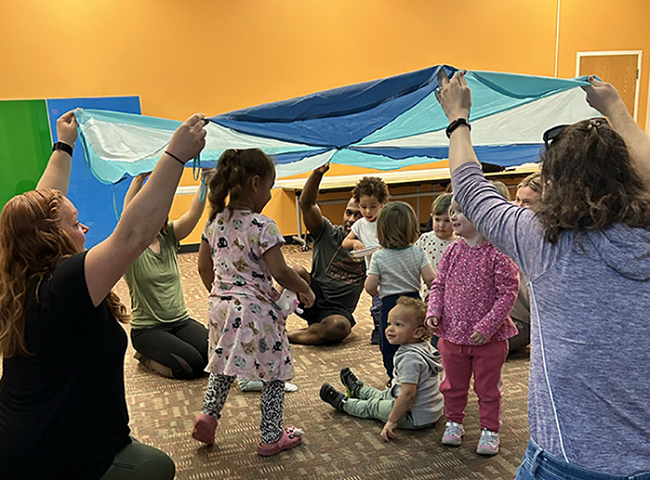
I was a videographer recording footage for a sales presentation for a company that runs long-term care facilities, for severe and profoundly handicapped children. The kids and their helpers were in a gymnasium, standing in a circle – and each one had a grip on the edge of a small parachute.

“Up!”

Their arms went to raise the parachute as they watched it billow into a dome, and then gradually float back down to the floor when they dropped their arms. Up and down. They laughed and giggled with delight.

Sometimes, a worker would take a child with them into the center of the parachute just as it was starting to billow. Then, before it deflated, they would rush back out! Such fun!

As a caregiver, I felt like that parachute had settled down on top of me and my loved one. We could not get out. There were no giggles.

We all experience situations when we feel like we are living under that deflated parachute with no way out.

There was a phase when I privately punched and railed at that parachute, as it limited – not only my physical space – but also my view of the future.

Punch. Punch. Punch.

Then I realized there was a choice to make.

I could keep fighting to get a beautiful open sky of possibilities above me, or I could look more intently at my new world – under the parachute – to discover the depth and wonders of what was at arm’s length.

Grab a magnifying glass and study the shape, size, texture and design of a leaf or a flower. There are worlds smaller than that under the surface you are studying!

Just because we are denied the vastness of a journey to … anywhere … does not mean there is not an equally large world available to us close by.

While the patisseries in Europe may miss seeing you this year, you can learn more about baking that luscious treat yourself at home.

If that hamster cage is getting smaller and smaller as you run your daily course, make sure to value and celebrate yourself – even during the briefest of respites.

Life, I believe, is a mind game from within that requires great control over our daily actions and responses.

Life under the parachute, especially, demands an awareness of possibilities and mindsets which, in turn, requires daily, hourly, or moment-by-moment resets in thinking – to avoid the slippery slope of despair.

When my thinking was right, I learned to stop punching, and began to stretch and move more gracefully under that parachute.

A quote by William James came my way today that may inspire you:

“Acceptance of what has happened is the first step to overcoming the consequences of misfortune.”

I value your comments and encourage you to share this post using the options under the MORE button below.

In health –

Deidre

Which Came First, The Chicken or The Egg?

Continuing Education requirements were beckoning me to ramp up my learning for the biennial renewal of my nursing license.

I am taking a deeper dive into topics I already like, (ex.: probiotics), and am gleaning some new information from other areas of interest.

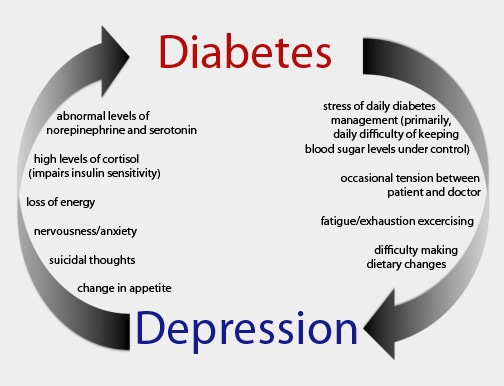
The course about the frequency of depression among people with diabetes promised to offer something that could be of great value to foodtalk4you readers.

Did you know depression is the leading cause of disability in the world?

I learned that people with diabetes are 1.5 times more likely to also have depression. And yet, depression is only treated in about a third of those with diabetes.

Also, mothers in one study who had gestational diabetes, (diabetes symptoms showing only in pregnancy), had a twofold increase in post-partum depression than those without diabetes.

Back to the original question, which came first? Is there a link between depression and diabetes?

Well, we can’t answer that one today, BUT we can be on the lookout for signs of depression when diabetes is on board.

Why would that be important other than general quality of life?

The daily management of diabetes through self-care is jeopardized when depression is also present. Living a life with depression and diabetes is reflected in poorer outcomes, complications, and earlier death.

Can you see this added diagnosis in yourself, in a friend, or loved one?

A condition called diabetes distress is the emotional response to living with diabetes when the following are experienced:

  1. less than optimal self-management of diabetes
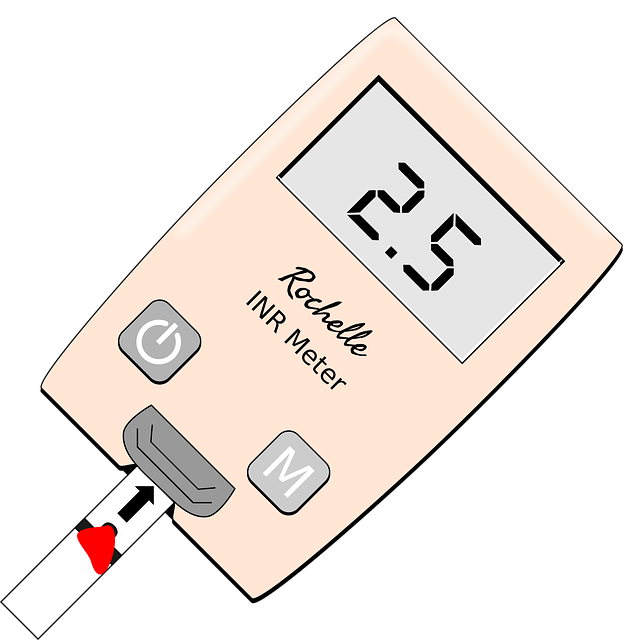
  2. elevated A1-C levels (blood level reflecting long-term blood glucose levels)
  3. more frequent episodes of severe, low blood sugar
  4. decreased quality of life

Those with diabetes and depression might experience:

  1. anxiety and guilt about their inability to self-manage their condition,
  2. fears about long-term effects,
  3. constant concerns about food and eating – all the while knowing daily ups and downs of blood glucose levels can generate feelings of fatigue and anxiety anyway.

If you or someone you know is experiencing a decline in successfully managing their diabetes and their quality of life is being affected, the health care provider should be alerted to the possibility of depression.

The good news is, there are so many therapies that can address depression. Some may be as simple as connecting with others socially, to prescriptions that will ease the symptoms and not aggravate diabetes.

Addressing what may be a hidden depression for someone with diabetes, could be a double blessing for them because their diabetes can be better controlled when their depression is controlled.

That’s a win-win.

It’s easy to share this post using the options under the MORE button below. Thanks for reading.

In health –

Deidre

Heal Thyself

How often do we read about some high-profile guru dispensing advice about … just about anything … who fails to follow their own suggestions and burns out in flames?

While I am not a high-profile guru to be sure, I do self-checks to verify that I am modeling my beliefs in balance, harmony, and all the aspects of self-care expressed here at foodtalk4you.

Lately, there have been too many spinning plates, and I have felt like a circus juggler trying to keep all those plates balanced on their poles.

Most of the, seemingly, high-priority projects have been of my own creation: writing and speaking deadlines, book relaunch deadlines, Garden Club, and other neighborhood obligations. Car problems just plopped into my lap, uninvited to boot.

Then there are the personal, family, and dear friend concerns and events that are most important of all.

I paused the other day when given another choice to maintain an obligation over the summer or to step back.

This was a seminal moment, and with a great sense of power for my self-care, I said, “No.”

So it is, dear readers, I am keeping my message this week brief.

My thirteen-month-old grandson naps upstairs, while we enjoy an amazing and rare, full-family visit for two weeks.

I am choosing family above all this week.

There are pressing issues and deadlines that will gradually be tackled in these next two weeks; but I think it a worthy, albeit short, message to share with you the need for life balance is critical.

Are you on a precipice? Do you feel yourself nearing a ‘splat?’

Our undone projects would probably go on if we dropped dead. Why do we need to die to take a break?

Maybe we cannot take an extended leave, but a mental health day/morning/hour to reset can do us all a world of good.

Next week, I hope to share some very exciting news! Until then, breathe and choose what is the most important of all for you.

In health –

Deidre
Happy Hour!

A listener to my webinar, Unique Tips for Family Caregivers That Will Amaze You, recently confided in me that my tip to, “bring the party home,” in a caregiving setting – imparted a special message to her even though she was not currently a caregiver.

She and her husband both work; and apparently, they have been morphing from working, to doing their evening time routine without any fanfare. No pause. No exchange of thoughts.

When she heard me describe how happy hour was such a lifeline to both me and my loved one, and how it gradually changed over time but was always maintained, she got to thinking about her own life.

That very night, she asked her husband to stop what he was doing so they could sit on the front porch together for just a few minutes. To pause. To reflect on their day.

Ten minutes.

No alcohol.

Soda and iced tea.

They got out of their respective work selves to just be them. Together. Having a moment.

She practically had tears in her eyes as she related to me how this simple idea – although golden for caregivers – transformed their evening and blessed their relationship as well – and is really a golden idea for everyone.

So, remember happy hour – every night.

Alone? Call a friend over.

Want to socialize a bit extra? Call some more friends over.

Fancy charcuterie trays are optional. A bowl of gluten-free pretzels will do nicely.

Also optional is alcohol. Hot or cold coffee, tea is great, or try sparkling water with a splash of fruit juice.

Want to be alone tonight? Find a special spot to relax, reflect, and to tie up the busy day before jumping into dinner prep.

No cell phones.

Just sayin’.

In health –

Deidre

Someone you know needs a little happy hour in their life – share this post with them using the options under the MORE button below.