
Category Archives: This -n- That

Rolling The Genetic Dice

Did you get Dad’s green eyes? How about Mom’s curly hair?

It’s always interesting to see how children turn out – who they will favor and what they will look like.

All lighthearted musings for most of us.

What if there was a 50/50 chance you could have inherited an incurable, always fatal disease from one of your parents?

What if that parent didn’t clearly show anything very out of the ordinary and didn’t even know they had that disease?

Would you even want to know if you inherited it?

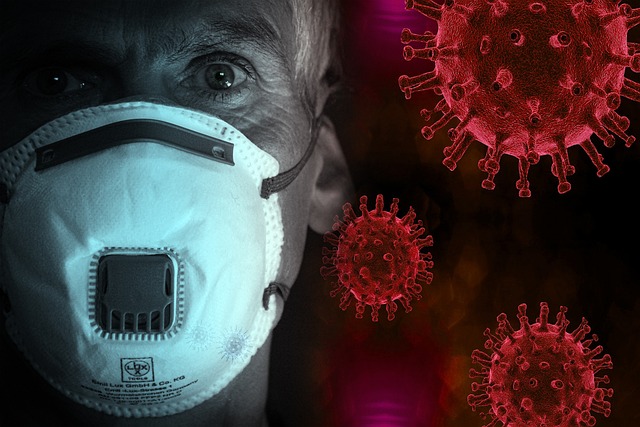
That’s just a few of the endless questions family members of loved ones with Huntington’s Disease (HD) ask themselves.

With approximately 41,000 Americans symptomatic for HD and 200,000 at risk of having inherited the disease, there is a chance you might not know much about this disease.

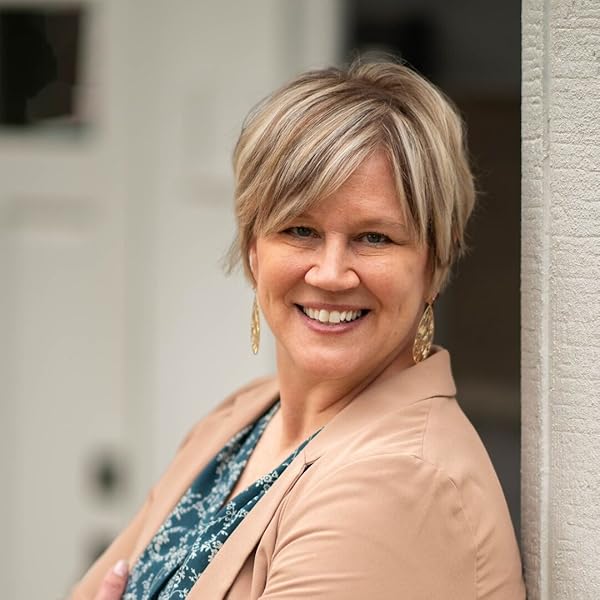
Because of two of my new author friends, Sarah Foster and Lori Jones, my eyes have been opened to the poignant minefield of how this disease can unfold in individuals and in the families that surround them.

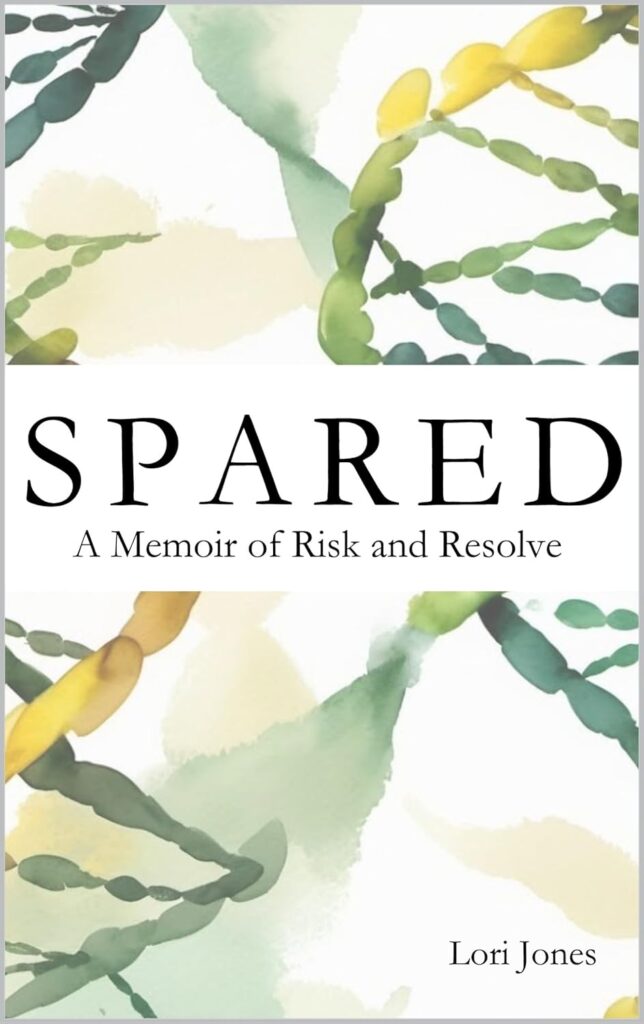
Reading this quote from Spared: A Memoir of Risk and Resolve by Lori Jones, you can begin to appreciate the weight of an HD diagnosis:

“Often called “the world’s cruelest disease,” according to the Huntington’s Disease Society of America, HDSA, Huntington’s disease is described as, “having ALS, Parkinson’s, and Alzheimer’s simultaneously.”

This article from HDSA contains part of Sarah Foster’s story:

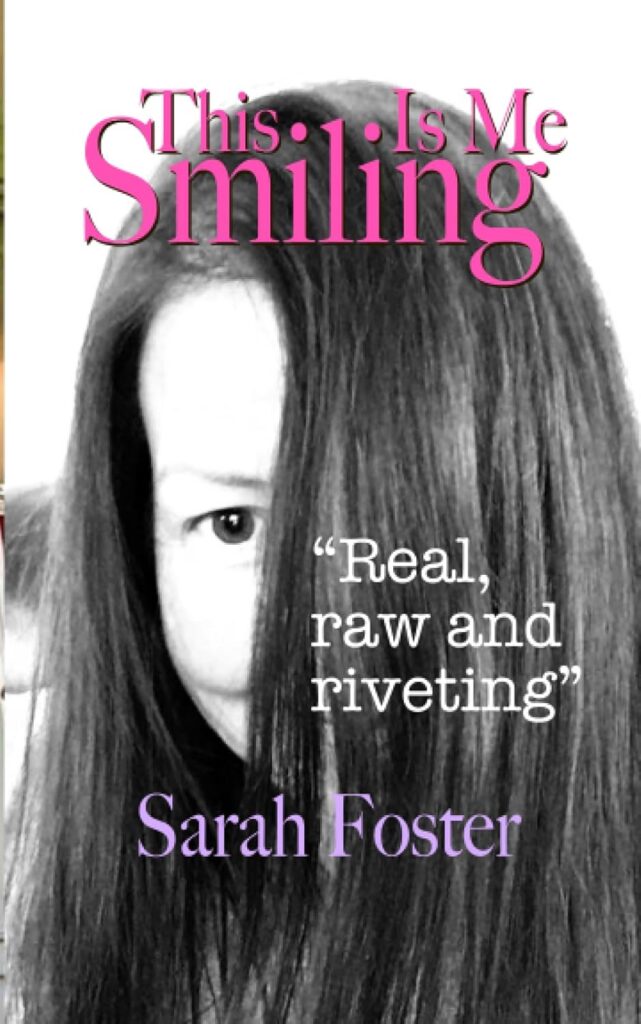
Sarah Foster has written two books, Me and HD (2015) and This Is Me Smiling (2025). In both, she holds nothing back in recounting her decision to get tested for HD; how her diagnosis confirmed her mother’s own – untested – diagnosis, and the ever-changing landscape of living with HD.

When Sarah shared this article from the BBC:

I joined the jubilation!

To quote:

“An emotional research team became tearful as they described how data shows the disease was slowed by 75% in patients.

It means the decline you would normally expect in one year, would take four years after treatment – giving patients decades of ,”good quality life,” Prof. Sarah Tabrizi told BBC News.

The new treatment is a type of gene therapy given during 12 to 18 hours of delicate brain surgery.”

Clearly, with this lengthy brain surgery, treatment will be incredibly expensive – but there now is a treatment they can work with!

Yay, science!

Yay, to funding researchers!

If you know of someone with HD or not, both author’s stories deserve to be read and understood because their stories are a part of our collective humanity.

In health –

Deidre


Finally! The Book Signing!

Telling the Story!

But first – a message from Deidre and Sheree. We thought we could do it. Get enough posts written and ready to publish in advance of Sheree’s major surgery and my book release to carry us through the thick of things. There’s a saying about “best laid plans” …

What was not on the radar was a life-threatening surgical complication that necessitated yet another serious surgery and lengthy recovery for Sheree.

Thankfully, she seems to finally be on the mend. I can tell – Sheree’s practically begging me to send her some more posts to put in.

So, here we go – a short message of a recent event for me and a hint of what is to come for our foodtalk4you readers.

During a recent book signing event, I shared with a roomful of people from my neighborhood how I came to be a caregiver and then an author. Hint – the teacher in me could still teach others; but this time it is through books and the speaking presentations I am able to give. The messages I share come from having been a caregiver to a loved one.

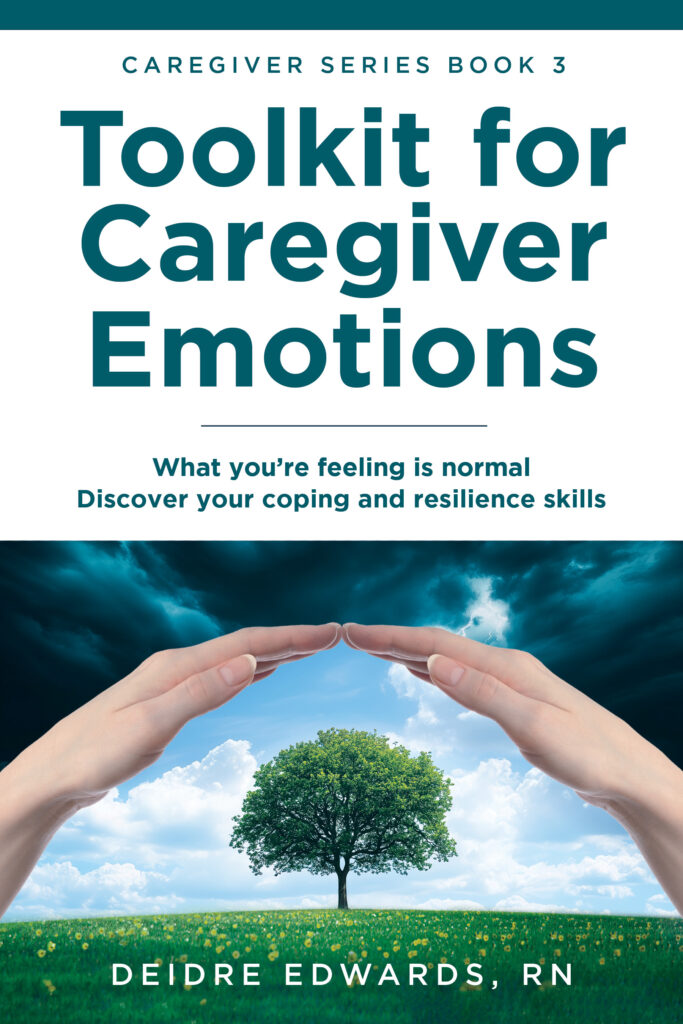
It was tough selecting just the right passages from my latest book, Toolkit for Caregiver Emotions, that would both give an idea of what was inside the book and also tell a cohesive story.

I think I was able to paint the story correctly, and the audience seemed engaged and excited to implement the coping strategies and techniques they heard about, practiced together, and will finish reading about in their copies of my book.

After door prizes, I signed a lot of books!

That’s my story.

Now, what’s to come for you, my dear readers, will include several opportunities for you to learn about some new releases from authors you might not know.

I have reviewed so many new releases these past few months and several of them are superb. I will be sharing books containing stories of resilience, struggles and recovery, hope found in grief, and so much more!

There will be a Reader’s Corner post every so often, interspersed with our usual array of health tips, recipes, and some of the latest on how to bring your best self to each new day.

In health –

Deidre

A note from Sheree: I just wanted to thank everyone who thought about me, sent good wishes, and prayed for my recovery. I believe I am on the healing side of things, which has proven to be much longer than anyone expected. I appreciate every one! God bless …

Honesty

Everything I write is honest, from the heart, and from a mind seeking truth in all things.

So, being honest with myself and taking that truth to you, I am finding another teaching/sharing moment! Always a win!

I am putting into action more of what I preach – namely, knowing when it’s time to step back, take a breath, and prioritize my energies, and those of Sheree.

With our FoodTalk4You editor, Sheree preparing for surgery in a couple of days, (as I write this in mid-August), and with me involved with the book launch, preparing for a book signing later in September, and practicing for the Caregiver Summit presentation for November – I’m spinning all the plates I want.

Therefore, this is a short post containing a reminder to us all that it’s okay to pause, recharge, and concentrate in a better way on fewer things.

Next week, we hope to be back up to speed.

Is it time for you to reassess where your energies are going? How can you make the adjustments to give yourself space?

In health – hopefully – working and living smarter –

Deidre – and Sheree (who will be rehabbing in September)

Save The Date!

With our editor, Sheree, recovering from surgery as you read this, I am sending her this post in mid-August so she can get it set up to send out in advance of her surgery. Wishing you well, sweet friend! Speedy recovery!

It is with great pleasure that I announce I will be speaking at a special conference designed for family caregivers!

Sponsored by the WellMed Charitable Foundation, along with their podcast Caregiver SOS, and with Alamo Area Council of Governments – Area Agency on Aging, Drs. Barry Jacobs, and Julia Mayer will be the morning speakers and I will be presenting in the afternoon.

WellMed does so much to support family caregivers, and I have appeared on their Caregiver SOS podcasts several times. Area Agencies on Aging, nationwide, offer tremendous resources for family caregivers.

My presentation is, “Strong Enough to Care: The Caregiver’s Trifecta for Surviving and Thriving,” in which I will highlight how prioritizing yourself, accepting help, and daily self-care can save your sanity – and your spirit.

This is a FREE event that is online and in person! All you need to do is register using the QR code or by calling 1-866-390-6491.

The in-person locations are located in:

San Antonio

Corpus Christi

Brownsville

Harlingen

McAllen

Dallas

Two locations in the Orlando, Florida area

So, dear readers, please share this with your friends, family, house of worship – or anywhere! And if you are a caregiver or someone who supports a caregiver, register for this event!

CEUs are available for nurses and social workers.

A similar Spanish Language Caregivers Summit is also happening on Thursday, November 13, 2025, 10 am – 12:30 pm CT. Different speakers – same great impact to help family caregivers!

In health, and with love and prayers for Sheree’s recovery!

Save the date! Thursday, November 6, 2025, 10 am – 1 pm CT

Deidre

Longevity 5

Deep Z’s

We rejoin our bewildered hero regarding her data showing subpar minutes spent each night in deep non-REM sleep.

What to do?

Something about sleep hygiene?

We’re not talking about cleaning up your dreams – we’re going to have a serious conversation about how we spend our time before going to bed and what our sleeping environment should be like.

Sleep experts agree that there are things we can do to optimize our chances for a good, restful sleep. Their suggestions all make sense but may necessitate change on our behalf from ingrained habits.

Change? I can feel resistance already!

Just keep an open mind and ask yourself, “Are we on the same team with our body or not?”

Do we want strong bones, muscles, and immune systems? Not getting enough good sleep may make us more prone to physical and mental health issues. Just saying.

For good sleep hygiene, it is recommended to:

Establish a regular sleep-wake schedule every day of the week. Avoid major swings in your routine on your days off.

Limit caffeine, alcohol, large meals, and strenuous exercise several hours before bed.

Keep your sleeping space dedicated to sleep and intimacy. Watching TV in bed, trains your brain to stay alert, not rest. Moving from a separate space for screen time to your sleeping space helps signal your brain that it’s time to sleep.

Ensure your sleeping space is dark, quiet, cool, and free from electronics.

Bedtime routines that relax you before sleep, also help signal the body sleep is coming. Switch off the TV thriller or stop scrolling social media at least 30 minutes prior to bed and relax with music or take a warm shower.

Blue light stimulates our brains into daytime alertness, so taking your eyes off the blue screen of any electronics helps the brain to realize it’s nighttime. Be sure to turn on your phone’s red-light filter well before your bedtime routine even begins – so if you accidentally look at it, it will not be as disruptive.

We control what we can because there are things we cannot control. Let’s keep in mind deep sleep tends to decrease with age, and sleeping disorders such as sleep apnea can reduce deep sleep.

While there is no way to make ourselves sleep deeper, we can increase our chances of sleeping well by making modifications such as these.

I’ve already activated the red light filter on my iPhone so I can turn that feature on after sunset. While the screen may be safer to look at, it’s not conducive to long looks, so my habit of random scrolling may painlessly disappear.

To activate the red light filter, follow these instructions:

I have not gotten around to getting new blackout curtains for the bedroom since moving; but now, they are a priority.

Our subscribers can count on not being bugged with pop-ups or endless sales emails. When we send you something, it’s the link to our weekly blog – or occasionally – a thank you containing additional useful information. Reach out to me in the comments below or email me at Deidre@deidreedwards.com – your questions and comments are always appreciated!

Don’t miss the next post! Subscribing is easy and hassle-free. Just one email every Tuesday morning with the link to the latest post. Scroll down from the top of this page on the left side of your device to fill out the subscribe form. Thank you!


In health –

Deidre

Longevity Part 3

Deep sleep is brain detox!

Sleep is when your brain takes out the trash – and some of us are trash hoarders!

You see, there’s a system of plumbing in the brain called the glymphatic system, which piggybacks onto the brain’s blood vessels and pumps cerebral spinal fluid through the brain to wash away waste.

This glymphatic system does its best work not just when we sleep, but when we are in deep non-REM sleep.

We know too well how challenged we feel mentally after a restless night. Those symptoms are telling.

The meaning and importance of deep sleep needs to be more on the forefront of our thinking. The University of Rochester Medical Center put it this way:

“Because the accumulation of toxic proteins such as beta amyloid and tau in the brain is associated with Alzheimer’s disease, researchers have speculated that impairment of the glymphatic system due to disrupted sleep could be a driver of the disease. This squares with clinical observations which show an association between sleep deprivation and heightened risk for Alzheimer’s.”

Yikes!

We recently shared Dr. Topol’s personal conclusions from his study of superagers – emphasizing how he has rebalanced his exercise routines to maximize benefits for his longevity. He is now asking: “What if the key to protecting your brain isn’t more sleep — but the right kind of sleep?”

Are you tracking your sleep cycles?

Dr. Topol is … times two! He uses both an Oura ring and a smart watch to monitor his sleep because he has discovered the two readings do not always match.

Well, my smart watch will have to do for now. I have always taken my watch off at night to recharge it – now I will recharge earlier in the evening so I can monitor my sleep.

Anyone want to join me? Or are you already wearing a monitoring device at night?

I’d love to hear the results we all get.

Finally, most sleep gurus agree that while we hear a lot about 8 hours of sleep being ideal, many of us have found a sweet spot with 7 hours.

Okay – we’ll circle back together on this in a week or two – drop a comment below to share your findings.

In sleeping health –

Deidre

UPDATE: With Sheree’s and my summer vacations and family get together’s, we’re trying to get our posts “in the can” and ready to be sent to you several weeks in advance. By the time you read this, Toolkit for Caregiver Emotions may be in its soft launch phase, hopefully, being read and reviewed by my launch team.

It’s not too late if you would like to help me launch my book in a way that will help others take notice of it. Drop a comment below or reach out to me at Deidre@deidreedwards.com if you would like to get launch team information along with a free PDF copy. Thanks!

Longevity

Nothing like good jeans!

Wait! Not those jeans – I mean genes.

We all want good genes so we can live long, healthy lives, right?

I’ve used the expression, “keeping the wolf on the other side of the door,” to describe how we can avoid inherited tendencies for disease by adopting life-style choices favorable to health.

This is another way to describe regulating our gene expression. The study of changes in gene expression not caused by changes to the DNA itself is called epigenetics.

Very heady stuff – and certainly hopeful for those with genes leading to health issues.

Dr. Eric Topol, a leading cardiologist who is now working with the California-based Scripps Research Translational Institute, enrolled people who were healthy and 85 years old and older in a research project, (“A Doctor’s Science-Backed Formula for Aging Better,” May 8, 2025, at the WSJ) that is now twenty years old.

In addition to their advanced age, participants had none of the common age-related diseases of cancer, heart disease, and neuro-degenerative disease.

He was studying the genes of these ‘super-agers’ to determine if they had genes that would lead to any enhanced abilities to maintain their health longer.

Meh. Not so much.

Their genes were not remarkable for anything that would set them apart from others!

But they were different from others of similar ages in that they were thinner, exercised more, and were better educated. They maintained an active lifestyle – even at advanced ages.

This has caused Dr. Topol to modify his lifestyle in the areas of exercise, sleep, and diet. Today, we will touch on exercise.

Dr. Topol is almost 71 years old and wants to be a super-ager. He is making the biggest changes with his exercise routine. Citing his study, he sees exercise being the #1 most important thing we can do to favor a long, healthy life.

Previously, he relied heavily on aerobic exercise; but these studies showed that resistance training was also a key ingredient. He now incorporates resistance training using bands to round out his routines – along with balance and strength training.

See our recent article in FoodTalk4You about simple balance training (Flamingo Style – April 4, 2025).

Because of these modifications, he says he is stronger and fitter than he has ever been.

Not long ago, a Physical Therapist on the Today Show video spoke about four target categories of exercise that will improve strength and mobility as we age:

Endurance – as in walking with the goal of gradually increasing distances.

Flexibility – which will help with common complaints of low back pain. Accomplished with simple stretches.

Balance – take standing on one foot and adding arm movements.

Functional Strength – through squats and lunges.

You can view examples of each exercise by clicking on the link above.

We will be covering more about Dr. Topol’s findings, and how Dana Santas – a health and wellness expert from CNN – has simplified adding exercise into daily life in the coming weeks.

In the meantime, your’s truly got up and left writing this post to go to the gym, where I chanted, “This is endurance,” as I worked up a sweat on the treadmill! Along with, “Take THAT cholesterol!” and, “Go stronger bones, go!”

Following my own advice and feeling in control!

In health –

Deidre

Patience

“What do we want?”

“Patience!”

“When do we want it?”

“NOW!”

I, and so many of you, have been patiently – and not-so-patiently – waiting for Toolkit for Caregiver Emotions to make its appearance.

My older, wiser self knows that sometimes delays are for the best. This is one of those times. I regret the false starts, but the version that will be published this summer far outshines its earlier iterations.

When dealing with caregiver emotions, I just had to do my best by making this important book as complete as possible. It was living on that roller coaster of caregiver emotions that was the most challenging part of my journey in trying to give my best to my husband while he was in hospice.

While there is no one story to the caregiving experience, there are many common threads to the unique tapestry of what we experienced. Whether it’s a temporary caregiving situation involving recovery or a long-term one, caregiver’s emotional responses can often be triggered after just a day of caregiving.

Later this month, when I am holding a proof copy of the Toolkit for Caregiver Emotions book, I will be sending out links to people who want to join being in on the excitement of the launch team! Participants will have a behind-the-scenes view of the launch process and can assist in its success by:

Buying a copy of the book at a special limited time discount and leaving a review on Amazon, or

Reading a free PDF of the entire book and leaving a review on Amazon, or

Reading a free 2-page summary and leaving a review on Amazon

Reviews are crucial for the actual launch of the Kindle version (seven weeks later) because advertising and promotional sites want to see lots of reviews, and people searching for books look at reviews before making the decision to buy.

Reviews can be as simple as five stars; but it’s best to also leave an honest review in words. I will give you a couple of ideas on how to painlessly write a very short review using a template.

If our FoodTalk4You readers think they might be interested in supporting the launch of Toolkit for Caregiver Emotions, please leave a comment or email me at Deidre@deidreedwards.com for more information.

Below is a PDF containing a collection of snippets taken directly from the book. I hope you enjoy it!


In health –

Deidre

Kindness – Part 3

Listen – It’s a thundering herd of hard-charging RAK!

Stressed out?

On your last nerve?

Depressed?

Your ‘get up and go’ is gone?

What we need is some RAK!

You know … RAK: Rampaging Alpaca Knights
A secret society of armor-clad alpacas who charge into battle wielding pool noodles and spreading chaos — and cuddles — wherever they go.

Well, maybe not. But that sounds really cool!

We’re wrapping up the kindness series with the benefits of kindness on the whole body-mind-spirit – and that includes making a habit of Random Acts of Kindness (RAK).

I love learning the science behind most anything. Like when I share in my next book, Toolkit for Caregiver Emotions, about how naming the emotions we are feeling helps to tame them – all because a different region of the brain is being fired up to find the correct label we want.

So here we go! Here’s an excellent round up of why being nice to others not only helps them, but also helps us!

The science behind the benefits of being kind:

Recipients of kindness can feel loved.

Recipients and givers of kindness can experience a sense of awe when they think about profound acts of love or virtue.

Whether you are a recipient or giver or merely just a witness, you can feel the benefits of an increase in oxytocin. Oxytocin is commonly called the “love hormone” and this helps to lower blood pressure, improve overall heart health, increase self-esteem and optimism.

Kindness can increase the feeling of strength and energy due to helping others.

Kindness can also make one feel calmer.

Less depressed.

Increased feelings of self-worth.

For those that volunteer their time or money for charitable causes, they often have fewer aches and pains.

Kindness is most similar to a medical anti-depressant. Kindness pushes your body to produce serotonin, which is commonly known as the “feel-good” chemical that provides healing and calming feelings.

Kindness decreases pain, by generating endorphins (the brain’s natural painkiller).

Stress, it has been shown that people who are more kind, have 23% less cortisol (the stress hormone) and age slower than the average population.

Anxiety – The University of British Columbia did a study on a group of highly anxious individuals in which they performed at least 6 acts of kindness a week. After one month, there was a significant increase in positive moods, relationship satisfaction, and a decrease in social avoidance in socially anxious individuals.

Depression is reduced, mortality is delayed, and well-being and good fortune are improved when we give of ourselves.

Lowering blood pressure from giving acts of kindness, creates emotional warmth, which releases a hormone known as oxytocin. Oxytocin causes the release of a chemical called nitric oxide, which dilates the blood vessels. This reduces blood pressure, and therefore, oxytocin is known as a “cardioprotective” hormone. It protects the heart by lowering blood pressure.

Sources: Cassidy & Shaver, 2008; Mikulincer & Shaver, 2007; Keltner & Haidt, 2003; The Random Acts of Kindness Foundation, n.d; Stephen Post, Case Western Reserve University School of Medicine.

————

Don’t you find this to be true?

I’ve found that when I shift my focus away from myself, even for a moment, doing something kind or helpful for another person — or even an animal — ends up benefiting me almost as much as it does them.

Watch Mark Kelly, below, as he shares how his habit of Random Acts of Kindness spread to his office cohorts. You will adore his Irish accent!

In health and in search of some alpacas with pool noodles –

Deidre

Next week, I’ll be sharing a few sneak peeks from my new book, along with an invitation for anyone interested in helping out with the launch process to get involved.

Our subscribers can count on not being bugged with pop-ups or endless sales emails. When we send you something, it’s the link to our weekly blog – or occasionally – a thank you containing additional useful information. Reach out to me in the comments below or email me at Deidre@deidreedwards.com – your questions and comments are always appreciated!

Kindness – Part 1

Amazing!

It’s amazing how going to the emergency department with a loved one in the wee hours of the morning — and staying with them through a three-day hospital stay — can suck every ounce of energy out of me.

We had both become our own version of the walking wounded.

Even with improving outcomes already evident and more on the horizon, we just don’t bounce back — full speed ahead.

Today, back at home for two days, we were continuing to treat ourselves with compassion and low expectations.

Seated in my home office, my immediate goal was simply to clear out four days of emails — nothing more.

When I opened one from a favorite, trusted resource and followed the summaries and links, I found such inspiring content that it sparked the energy to begin creating a new series for you —focused on kindness.

Each of these missives will be brief because there will also be a video to watch or an exercise to follow that will flesh out my message.

That afternoon, there was zero energy in my body, mind, or spirit. Midway through deleting emails, I even looked up and said “Yes!”, which provided a little more forward motion, but – today – I needed something more.

I needed a warm, fuzzy hug to my soul.

What I discovered was just that. I found deep self-compassion, personal peace, healing, and inspired energy!

Here’s what to do: find a quiet space, click on this Loving Kindness Meditation, and experience a total reset in 13 minutes and 25 seconds.

Loving kindness meditation:

Hearing ourselves say the words of this meditation out loud provides another sensory way to absorb its meaning. I know you may want to refer to these words when not following the video, so Sheree has prepared a free printable download for you below.

Once you follow along with the meditation video, I hope you will agree that it can serve as an approach to regular warm, fuzzy hugs for ourselves and others.

In health –

Deidre

Our subscribers can count on not being bugged with pop-ups or endless sales emails. When we send you something, it’s the link to our weekly blog – or occasionally – a thank you containing additional useful information. Reach out to me in the comments below or email me at Deidre@deidreedwards.com – your questions and comments are always appreciated!