As people endeavor to write something nice on Facebook – read, not controversial – there are many posts going around giving others a chuckle or a moment of amazement. The “how old were you when you found out …” posts are giving many of us a smile. Very often, the answer is, “just now,” and we scratch our heads wondering how we managed to miss that.
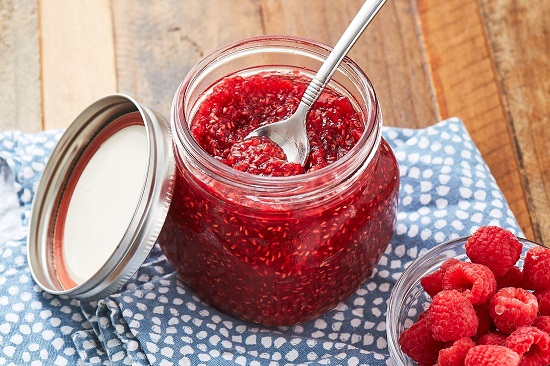
I was ten years old when I found out there was a “p” in raspberry. That revelation totally rocked my boat. Welcome to the wonderous world of silent letters, Deidre.
There was a contestant on a recent baking show challenge who pronounced the “p” in raspberry. He managed to say “raspberry” with its “p” smoothly and naturally.
Gotcha! You just tried it! When I do it, the “p” sounds forced.
Okay, I’m going to throw in here for once. This is Sheree, the editor, by the way. I just make things pretty around here.
I was twelve when I found out Captain Janeway did not really exist; and therefore, I was never going to be a star ship captain, leaving earth to go where no one has gone before. Yes, I was a little naive as a child, I must admit.
I do think, however, Captain Janeway probably did consume lots of iced coffee on her adventures!
Well, how old were you when you found out how to make good iced coffee?
For me, the answer was, “Today!”
The tannins found in iced tea are major culprits for causing my acid reflux issues. Try going through the summertime in the South without iced tea. It’s bad enough I stopped drinking sweet iced tea.
Another favorite for when the temperatures and humidity soar is iced coffee, but there’s an art to creating the perfect glass of iced coffee that had previously eluded me.
#1 rule I discovered long ago was, you can’t take fresh brewed hot coffee, let it cool, and pour over ice.
#2 rule was that it must be cold-brewed
Cold-brewing is a start but throwing ground coffee into a pot of water and sticking it into the refrigerator overnight made a brew that was not smooth.
While taking a lovely and well-socially-distanced vacation to Myrtle Beach, SC, at the end of June, I ate out only twice. Both times were at the Blueberry Grill, sitting outside on their gorgeous patio resplendent with flowers and man-made misted breezes.
Ahhh …
The morning was way too warm for hot coffee, so I tried their iced coffee. When the waitress set my glass down, it looked just like my companion’s iced tea. It was light and clear, just like the iced tea. Well, I was astounded at the smoothness of this iced refreshment!
Since returning home, I have been on a quest to duplicate this wondrous brew; and I’m getting closer and closer to my ideal. If my readers can improve upon this method, I’m all ears, but this is what I have developed.
ICED COFFEE
2 scoops of ground coffee – my scoops are about 2 ½ Tbs
3 cups filtered water
Method
Place ground coffee in container and add water. Period. Wait one hour.
Pour brew through a paper coffee filter into another container.
Add cream if desired. Pour over ice in tall glasses. Enjoy!
Want sugar? Hmmm. Try it without first. This is so smooth you may not need to cover it up with sugar.
That’s how I learned to drink coffee black: start with a goodcup of coffee!
By subscribing to foodtalk4you, you will receive a thank you gift of “25 Easy Tweaks,” and links to each new post in your email.
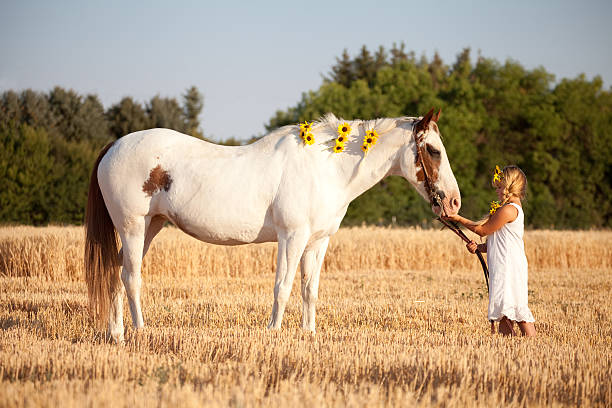
Giddy up! Come on Ol’ Paint! Let’s go! Giddy up! There’s a nice juicy carrot back at the barn …
Ol’ Paint does not seem to be moving.
Carrots aren’t effective motivators lately.
Even the sound of the whip snapping in the air does not keep Ol’ Paint motivated.
Can you relate? I can. I’m Ol’ Paint!
Early on during the stay-at-home orders, I was relishing digging into much over-looked projects. As a solo stay at homer, the honey-do list is written my me and handed to me.
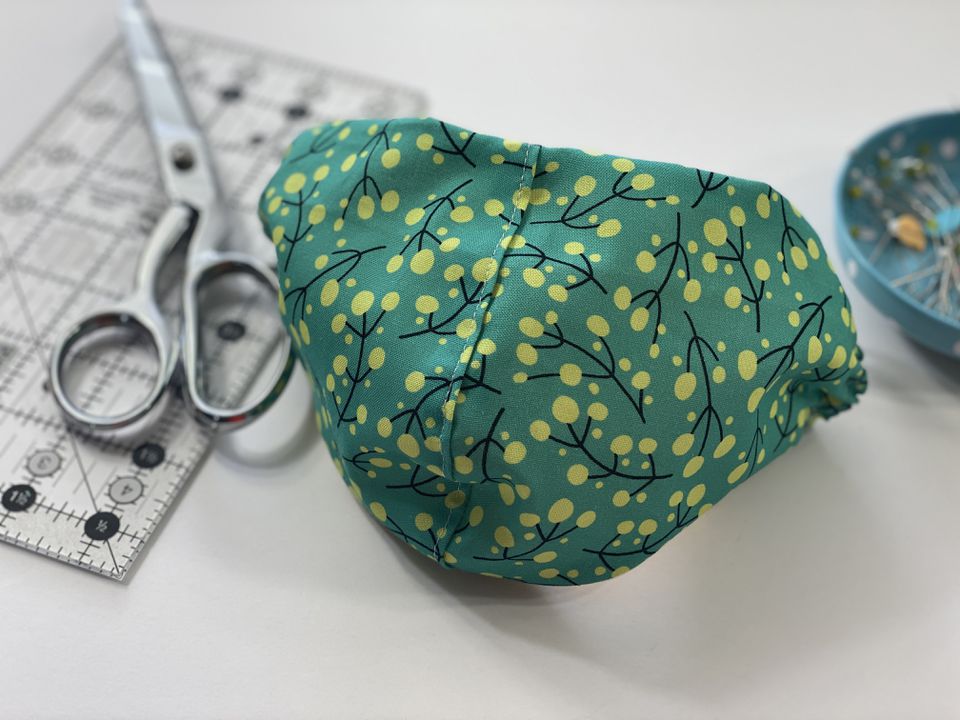
Scrub this; organize that; sew masks; start “farming” – throw action-oriented posts up on Facebook.
Life’s a breeze filled with motivation and lots of carrots.
Now? Meh. Not so much.
I think I’m beating a dead horse.
Mind games of holding that first cup of coffee hostage until I did daily morning planks, used to be a thing that created success – especially when I texted the accomplishment to my plank buddy.
Now? I’ll do those planks when I am good and ready, thank you!
Rebellion! Total rebellion!
What’s going on in my mind – and possibly yours as well – is a deep-seated need to control; and with so much control having been taken away, there’s some rebellion going on trying to seize it back.
We see this publicly on the news each day. I will not open that can of worms by engaging in exhaustive social commentary. However, I gladly wear my mask and am only carefully tippy-toeing into Phase 1 – just sayin’.
But personally? The zest for accomplishments, productivity, and physical movement is difficult, if not impossible, to sustain.
While I’m not flat lining in life, the giddy up feelings are fleeting. I want to be more, do more, and self-start with more ease. What to do?
If Ol’ Paint doesn’t want to move down the same path and be rewarded in the same way, we need to find out why. What are other options? How can the reward change? Is a different schedule needed?
A good place to start might be getting the 80,000-foot view. Look at the bigger picture from way up high.
What do you see?
Loneliness?
Forced change of travel?
Boredom?
Fear?
Self-doubt?
Lack of motivation?
Lack of daily patterns?
Inability to see beauty?
You are probably thinking of twenty more to add to this list.
Clearly, for me at least, the old motivators are either not there or they look a lot different now. If you are not alone within your four walls, this could become a meaningful group/family activity. The 80,000-foot view could surprise.
So, if Ol’ Paint is having a hard time making it along the way, get off his/her back to lighten the load first. Then, reconsider how many hurdles your horse must jump each day to feel a sense of accomplishment.
We are all in uncharted territory. The stress still spins in the background whether we know it or not. Sleep habits are frequently thrown off – especially if we are not being expected to attend a Zoom meeting at 8:00-9:00-10:00 in the morning. Maybe even if we are obligated to be on screen. It’s a daily lesson in self-discovery with an over-arching message of needing to be easy on ourselves.
Take some weight off Ol’ Paint.
There is one universal truth that still applies during this trying time. To lessen our own angst, we can look away from our own needs to the needs of others. Shake that deer-in-the-headlight feeling that seems so prevalent and reach out to someone else each day. Something other than Facebook.
Preferably, call a friend or associate just to say hello and to check on them. Send a card in the mail. You remember the mail? It still comes and don’t we get excited when something other than a bill or an ad is in the box? Brighten someone’s day with a simple contact.
You’ll find that such caring for others will make you feel better as well.
Is a friend not able to go inside the doctor’s office or hospital while their loved one gets medical treatments? Offer to meet them in the parking lot while they wait! You can social distance 6 feet away through open car windows while wearing masks.
Spreading joy to others bounces right back to us!
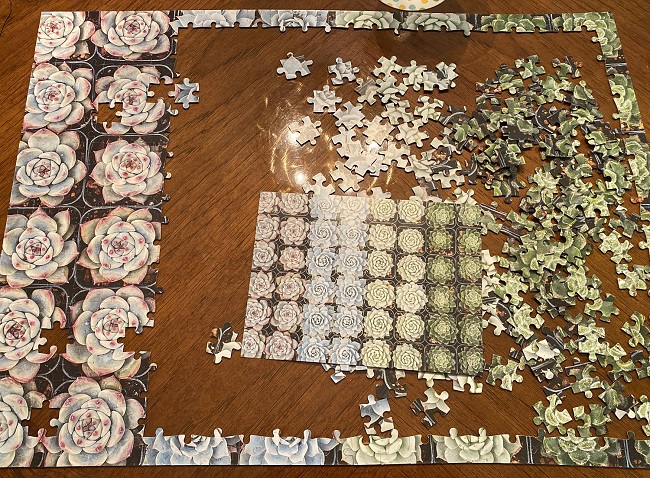
Easy access to concentration skills had eluded me lately. Reading a fascinating, yet technical, article is somehow just not withing my grasp. But I have been given a different kind of concentration to do. A Mother’s Day gift of an exquisitely alluring two-sided picture of succulents has totally captured my imagination. I can’t help clapping in the air when I put pieces together and finish a section.
Part of my fear-like concerns during this time is how all this isolation will affect my mind. Being able to conquer this puzzle, figuring out how to use a new sewing machine to craft masks, and figuring out how to plant a garden have all given my brain a run for its money.
That’s another point. I am profoundly grateful to my children who are keeping close tabs on me. Calls, texts, Facetime, Marco Polo (a new one for me!), and gifts of cards, puzzle, and a sewing machine are not only keeping me thinking, functioning, and happy, but are helping to close the gap we all are feeling across the miles with no travel in sight.
Today’s food for thought is to:
Reflect on your situation from the 80,000-foot perspective
Shifting focus away from your concerns to become a bright light for someone else will ease everyone’s pain
Be easy on Ol’ Paint
’m wearing gym clothes this rainy day with the doable goal of exercising every time I move. High steps, squats, weights in hands to work arms and abs. The Beach Boys music really gets me stepping and moving in creative exercise ways! Stayin’ Alive by the Bee Gees is a favorite to power me through planks!
In health-
Deidre
Sharing these posts with friends is another way to reach out! Ol’ Paint is learning about Facebook Live, so stay tuned for regular short missives. Like Foodtalk4you on Facebook so you won’t miss out, AND like Toolkits for Health on Facebook where I’ll soon be doing short Live events to help Caregivers.
We appreciate your comments, feedback, and sharing of our posts. Make sure to click on the subscribe button so you won’t miss new posts on Foodtalk4you. Thank you!
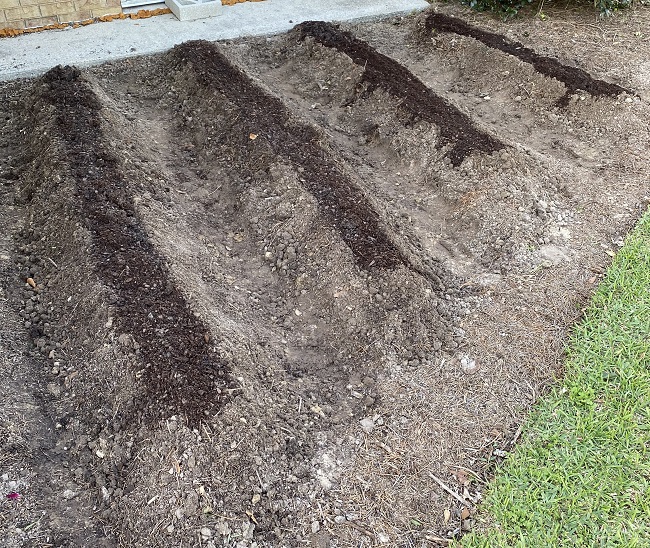
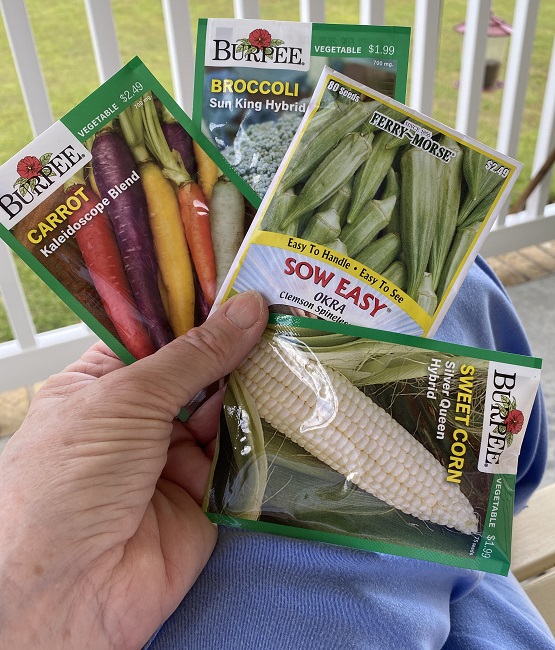
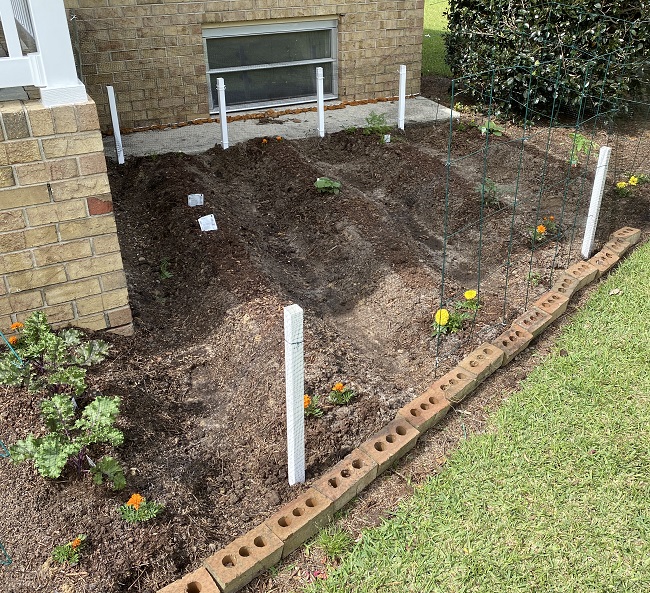
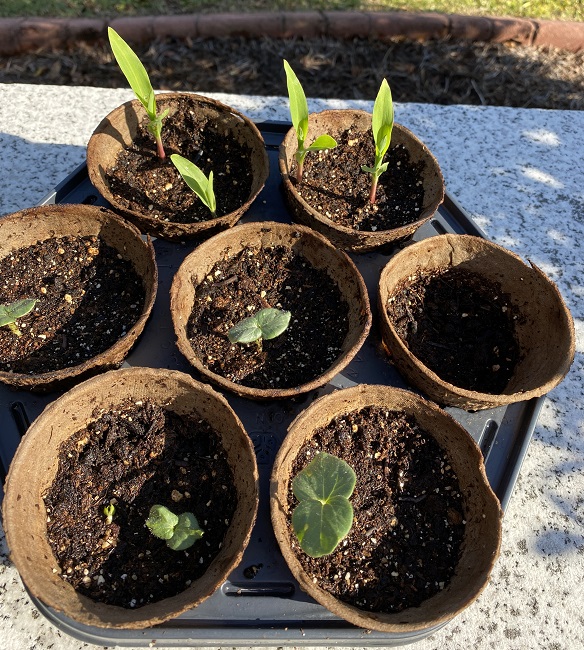
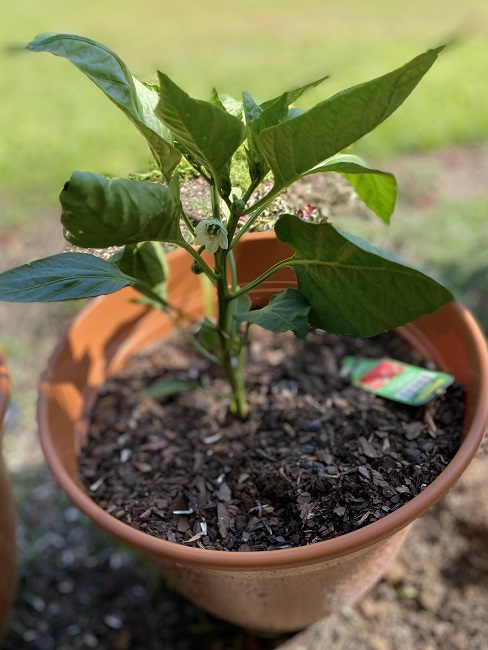
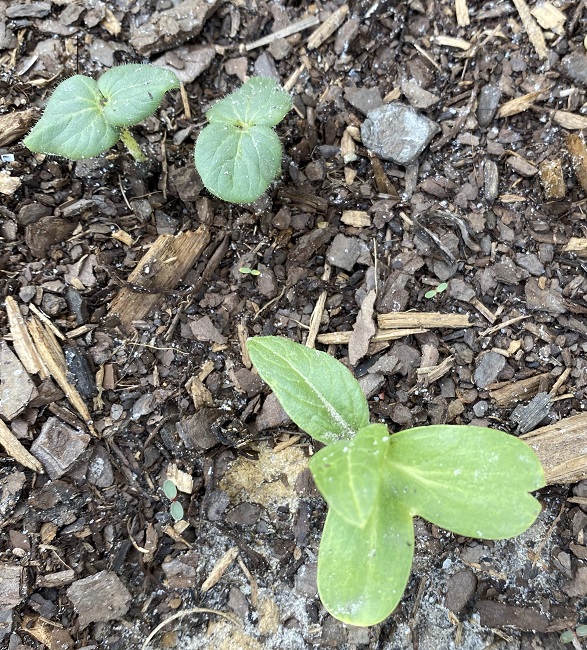
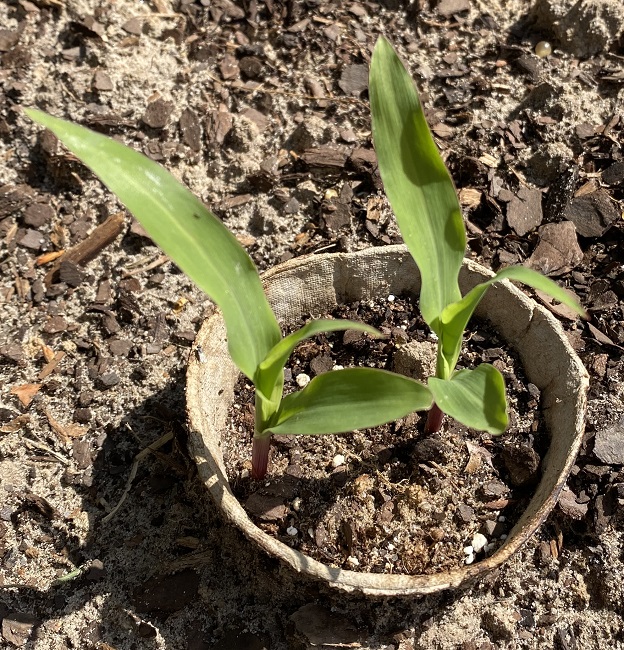
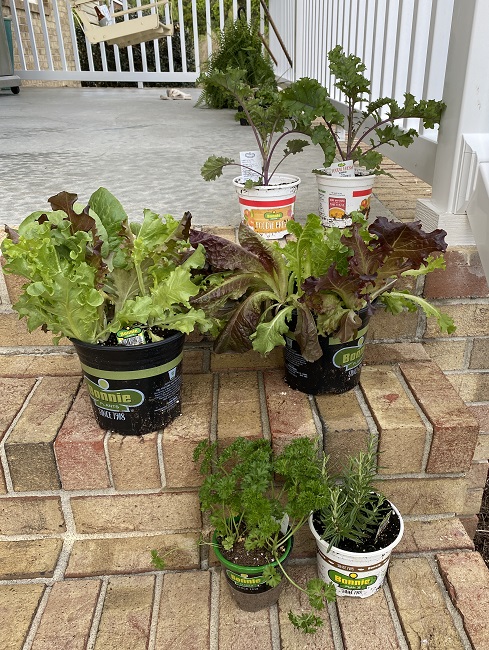
What has compelled me to take up farming? Well micro-framing, to be accurate!
I have a friend who lives in a more rural area than I, whose garden looks like four long rows in a sophisticated agricultural operation of thousands of acres.
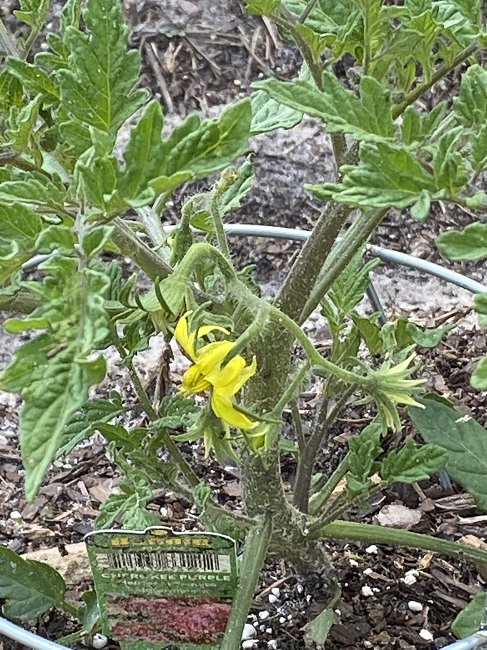
Me? A summer garden might have a tomato bush; but I don’t do summer gardens. Why? Formerly, working as a teacher, summers were my big time off, so we traveled. No time to tend a garden.
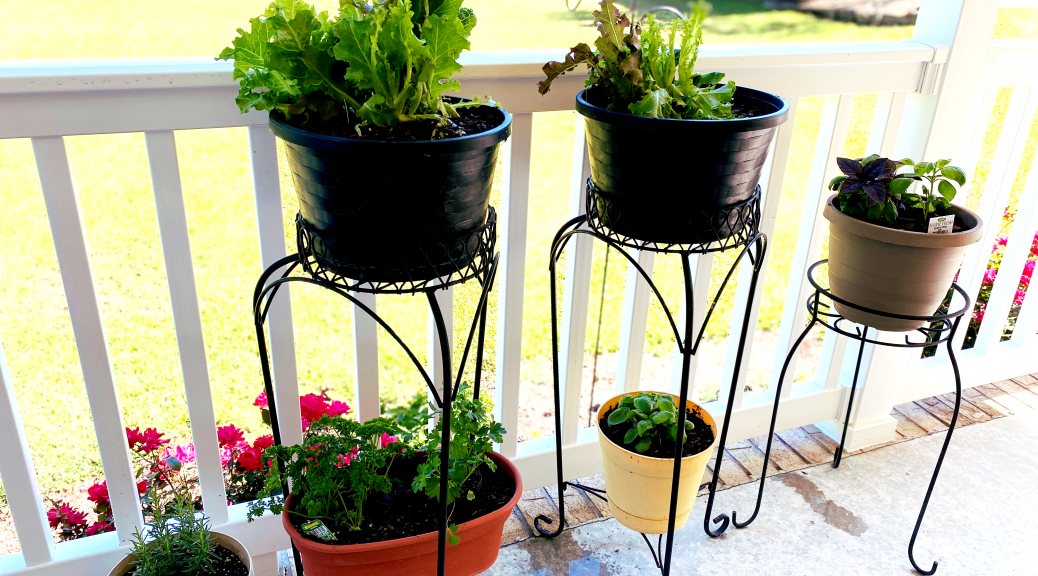
Once retired, my big deal was growing basil, mint, and parsley as container plants on the porch. My helpful neighbor could water the herbs without much trouble; we often trade off patio plant watering during vacations.
But serious, food growing gardening? Not me … until 2020.
Ah, 2020 – the year that held such promise. The year of such positive anticipation. Things coming together; hard work paying off. Reaching dozens, hundreds, thousands of others with my message. Plans in place. Getting out of that comfort zone. Growth. Vitality!
Not.
Somebody hit the PAUSE button.
Errrt. Brakes on worldwide.
Everyone buys toilet tissue. Shelves are empty of anything related to cleanliness. My plan for world domination in the realm of helping caregivers comes to a screeching halt.
Were all our dreams dashed?
Still speaking from mid-COVID stay-at-home orders, I think not. Why? Because, despite the immediate cancellation of my workshops and speaking engagements, I felt liberated. Whew. A day off. Well, a week off. Okay, almost 2 months off – so far.
A retiree’s situation is not everyone’s situation. These long weeks and months have spelled endless and dangerous toil for some; profound stress and heartache for others, and death to over 75,000 Americans and over 1.2 million people worldwide.
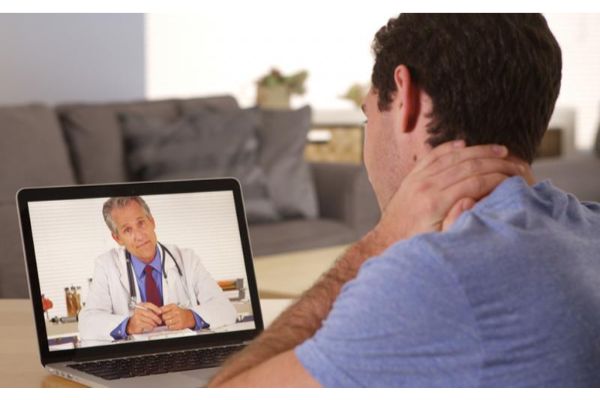
Everyone is re-evaluating on all levels. What is important? Could this telemedicine and tele-education be a significant part of our future going forward, even when restrictions are lifted? Do we all want to keep driving to the office every day? Maybe family time and family dinners are something we want to keep?
The merry-go-round stopped for many of us non-essential stay-at-homers. We stopped the relentless pursuit of the future as we just tried to navigate the day at home.
All of a sudden, we were toppled off of the top of Maslow’s Hierarchy of Needs and Self-Actualization (achieving one’s full potential including creative activities) to the bottom where Physiological Needs (food, water, warmth, rest) are of paramount importance.
Some hoard toilet tissue thinking a basement full of Charmin will protect them from the unknown. Many of us search for something helpful to do. Masks and other forms of PPE/personal protective equipment are being generated from home sewing machines and 3D printers across the nation. School aged children continue to be fed from school buses making their daily rounds not to pick up children but to nourish them. Graduating seniors are honored by school administrators and teachers making personal home visits to deliver yard signs celebrating their accomplishments until a proper graduation ceremony can take place.
There is a need to be in control because so much control has been taken away from us. We can’t count on anything for sure except our own efforts.
So – many are turning to gardening.
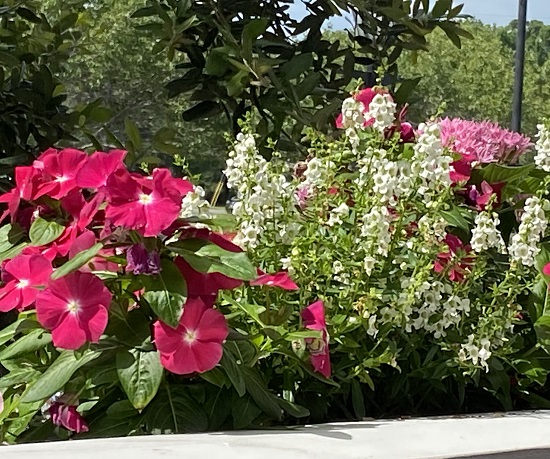
Gardening for future food – not just herbs or pretty flowers. While I hope and pray the agricultural system will rebound from COVID-sick employees, there is always the possibility for future food insecurities. Just this past week, we learned of the arrival of Giant Murderous Hornets that decimate bee populations. No bees … no food.
My little garden won’t feed the masses; it will most likely only give me enough to eat and share with my neighbor in late summer, but it is giving me something I can (mostly) control – Giant Murderous Hornets aside.
How can a garden help us deal with the isolation, the lack of control, the depression, and the “ennui” as the French say?
Aside from the obvious fresh air, exercise, and sunshine, there’s a bounty of goodness that can come from gardening:
Wonder
Grounding
Control
Partnership
Appreciation
Amazement
Anticipation
Gratitude
Patience
Dedication
Creativity
Effort
Reward
Sharing
Planning
Preparation
Self-reliance
Community
That’s just off the top of my head.
So, what’s in your garden?
In health-
Deidre – the new farmer
We appreciate your comments, feedback, and sharing of our posts. Make sure to click on the subscribe button so you won’t miss new posts on Foodtalk4you. Thank you!
Seems as though our bright, hopeful, shiny new year has
been put on pause. If it were a computer, we’d unplug it for ten seconds and try
again.
Just press the reset button, please!
Friends around the world have already been caught up
in this novel coronavirus, COVID-19, and have been touched by the suffering.
Whether physical, mental, emotional, or financial – the burden, inconvenience, and
sorrow are all going to be felt for a protracted period of time worldwide.
In my town, we were just getting back on our feet from
a devastating hurricane two years ago. In other areas around the globe, wounds
are still fresh from fierce fires, floods, or devastating tornadoes.
As the virus creeps across America and starts to
threaten us close to home, we are seeing the value of laying low and sheltering
in place.
Work from home. Learn online. No more events that draw
crowds. Just this weekend, at least five of my activities were cancelled until
further notice.
We are a mobile society. We go and do all the time.
If possible, we are being asked to avoid crowds and to
stay home. I totally applaud this approach as it is the only way we can be proactive
– to get ahead of the eight ball – rather than waiting to react after
it is too late.
How this laying low is going to further disrupt
families with children and parents who still must work away from home is
mind-boggling.
If we must press this RESET button then, let’s embrace
it.
Are there neighbors who need help with childcare? Is
your elderly neighbor lonely, isolated, and in need of food?
If we each take care of our own little spot, then we
can all move forward in a better, healthier, and unified way.
Personally, how are you resetting yourself?
I’m feeling such a calmness, as even enjoyable obligations are being released. This
is a time of just being … and it can be refreshing.
Meditate, read, talk to others at home more, call
friends and relatives, or putter in the garden.
This is my chance to declutter my environment – this
is the “round tuit” I’ve been looking for. I’m “getting around to (doing) it” now.
Pull out clothes I no longer wear; organize some drawers; get rid of outdated
magazines, and anything else that might lighten my visual load at home.
As it is a holy season for two faith communities, I am
reminded of the image of the first Passover when the faithful were hunkered
down at home waiting for the plague of death to pass over their homes during
the night.
Our season of staying home, being watchful and careful
and praying for this virus to pass by us, will last longer than one night.
Being smart in our activities – mindfully following
guidelines, helping those around us, and keeping calm are tasks we all can
master – together.
We can press this RESET button in unison-
Deidre
Don’t miss even one FoodTalk4You.com newsletter! Look for the sign up to the left of this page above.
To fill the “one bite at a time promise” for this post, I
was going share a recipe or a cooking tip, but on the way…
Grief struck. Abject sadness. Tears. Quiet sobs.
It will be two years this May since I bid my husband goodbye,
until we would meet again.
Grief never ends, and it rears its sad, sometimes choking,
presence at unexpected times.
It was a beautiful day. I happily cooked breakfast for my grandkids
whom I watched that week. I had slept well enough – although there was a
dream about my husband’s last moments – but I’ve had those before with no
discernable aftereffects.
Surely, this episode of overt grief will pass; it usually
always does – but there was a different quality to this – something … sadder … deeper.
Thoughts of sharing recipes are replaced with the need to
breathe and not break into tears with full-blown sobbing in front of
grandchildren before they leave for school.
Get out.
Pull myself together.
Walk the dog.
Get into the car and drive somewhere in this unfamiliar town
I’m visiting.
Be pro-active.
Help myself.
“Yes, Ma’am!”
So, I dutifully checked off all the things that had helped
in the past, and by the time I got home, I was much the same …
This was new grief territory for me. Have you experienced
something like this? Just when you think you have that “grief thing” pretty
well-experienced, some new reaction pops up to blind-side you?
I moved on to reach out to a friend who provided the phone
support I needed, but still …
Taking the smallest measurable amount of a prescription
nerve pill helped get me across the line from lingering deep sadness to genuinely
okay. Taking any medication is a last resort for me and many of my readers.
Knowing how to self-reboot is important. Notice that
rebooting went through several stages. Did I feel like leaving
the house – walking the dog – driving to a store?
Absolutely not.
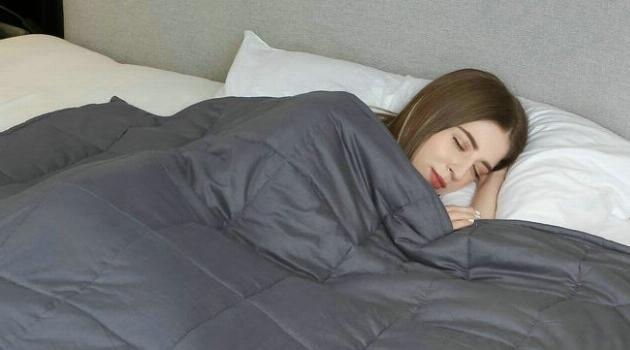
I felt like diving under my weighted blanket for the rest of
the day.
But take the necessary steps I did. Don’t wait until you feel
like helping yourself. That might not happen.
“Oh, you’re sad! Take an anti-depressant … take a nerve
pill.”
We must be careful. Being sad is a normal part of life – the
ebb and flow of normal human experience. Knowing when some extra help is needed
is crucial for the balance we all hope to find.
Self-awareness will guide us to know when extra help is needed. For the grief process, a national group called Grief Share holds meetings across America. Our local chapter is even expanding its group sharing opportunities to meet the needs of the growing number of people dealing with grief.
Perhaps you may be having too many of those days with a
black hole of grief that cripples your participation in the world. Just one
day was more than I ever want to have.
Join me into looking for a Grief Share meeting nearby and
making the time in what may be a jam-packed schedule to put your needs first.
We’ll share recipes next time. I’ve got a meeting to go to.
In health-
Deidre
Don’t miss even one FoodTalk4You.com newsletter! Look for the sign up to the left of this page above.
We promise posts about better health one bite … one breath …
one movement at a time.
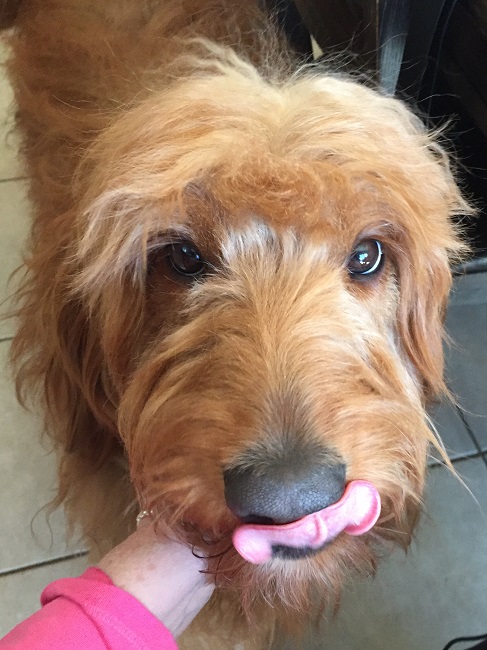
Oh look! It’s the Golden Doodle Oodles!
Last week, the post “Ooodles of Doodles” shared a daily
living philosophy of being in the moment, and how easily our pets remind us of
that. File that one under “breath.”
Today is about movement – or lack thereof.
Wait!
This is not about cracking the whip to guilt us all into jogging.
It’s about that time of day that is the key restorative time
for our bodies. The time of day, if we don’t do this one key thing, our health
will come down like a house of cards.
Sleep.
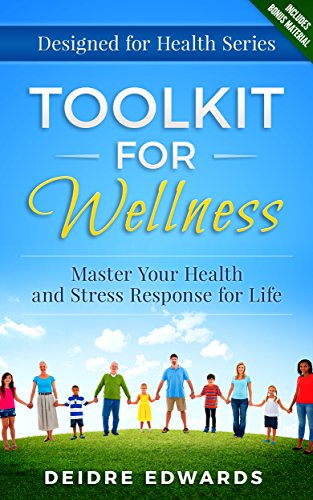
Check out the Toolkit for Wellness’s chapter
on sleep to learn of how sleep deprivation ramps up hunger for starchy carbs,
as well as how it can impede response to insulin.
Do you find sleep comes more easily if you are buried under
a mountain of blankets? It may be more than just the cold that’s causing you to
dive deep into the down comforters or quilts. It’s the weight.
Weight?
Yes. Turns out that all those blankets weighing you down are
– weighing you down. Their cumulative weight is stimulating deep touch pressure
receptors in your muscles, giving you the benefits of an all-night hug.
Hugs cause a release of the hormone oxytocin which may have
benefits for depression, anxiety, and other problems. In general, oxytocin
leaves you feeling calm, tranquil, and loving. Ahhh. Some articles I’ve read
have cited a positive effect on serotonin and melatonin release with using
weighted blankets; both hormones positively effect quality of sleep.
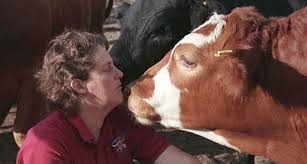
Temple Grandin
Perhaps you are aware of Temple Grandin – author, speaker, professor
at Colorado State University, and PhD in animal science – whose life story was
made into a movie? She developed a “squeezing machine” that would surround her
with a hug, causing deep touch pressure, and would alleviate her anxiety
attacks.
Temple Grandin’s Squeeze Machine
Dr. Grandin is on the Autism Spectrum. Her story is fascinating, and you can learn more about this amazing woman HERE.
For years, many people with ASD have relied on weighted
blankets to sooth them through feelings of crisis and anxiety. Now, weighted
blankets have gone mainstream.
I’ve always enjoyed a little extra weight on me when
sleeping. Doesn’t matter if it’s in the heat of summer; sleeping just under a
sheet has never been an option. I sort of feel like I’m going to float away.
Maybe I’m on the spectrum? Doesn’t matter.
I recently had the chance to use a weighted blanket. Wow! There’s
such a feeling of being grounded, safe, snug, and relaxed. My restless legs did
not move. It’s something I might consider purchasing.
If you are having issues with not getting a restful slumber,
I highly recommend you consider trying one, if your physician agrees.
There are several medical conditions and personal phobias
that would preclude your using a weighted blanket. Diabetes, skin issues,
circulatory problems, pregnancy, and others– ask your doctor first, just to be
safe.
And more is not better. The added weight is achieved through
small pockets of plastic pellets, glass beads, flax seeds, or other materials. The
rule of thumb is to use a blanket that is 10% of your body weight plus two
pounds. If you get too warm when sleeping, then forget selecting the two extra
pounds. If menopausal hot flashes are a bother, forget buying the weighted
blanket at all.
Note: There is a danger if using on infants or small
children. Always consult your pediatrician first.
Weighted blankets come in all sizes. The one I tried was like
a throw blanket and was enough to cover my core body but leave my feet free if
I stretched out. They are widely available online and in stores.
The only negative I can imagine if someone used a weighted
blanket regularly, is not being able to adapt to not having a one when
traveling. Trust me; you don’t want to put one into your carry on. Heavy.
Yours in health –
Deidre
Don’t miss even one FoodTalk4You.com newsletter! Look for the sign up to the left of this page above.
At my home, I answer only to myself. Sneezes are caused by
the pollen of spring or the dust bunnies born of my own housekeeping neglect. Leaving
home is never a bother – pack and go – no concerns except providing for withering
houseplants.
At my daughter’s, I am blessed with grand-cats. Feline
independence can be charming. Watching this sister-pair explore and tame their world
is both, a relaxing and amusing pastime. One quick to purr, and one who is a
great gecko chaser. These two send my daughter off to work from the driveway
and manage to frequently greet her from the doorstep at day’s end.
At my son’s, I am blessed with a grand-dog, and her,
frequently-visiting, litter-mate from across the street. Blurs of fur streaking
through the house in total glee of brother and sister antics fill our eyes. Two
shades of Golden Doodle delight. All gentleness and ever-present love.
Sneezing is high on the list today as my grandkids and I had
to wage war on fur balls and the resulting dust gathering in them. So much
sneezing! Ahhh-choo! Amazing how these hypo-allergenic dogs still shed enough
to alter air quality.
But all’s good now.
Who would mind a little extra effort if it afforded a daily
gaze into eyes filled with love and adoration – to that wagging tail signaling delight
at seeing you – to that softness of fur as you stroke and pat a creature that
accepts you just as you are? Or to that purring we interpret as total contentment
in our arms?
While it’s nice to not have to worry about what to do with a
beloved pet when I exit the house or leave for a trip, there is something I’m
missing by being animal-free. But there’s one lesson I’m definitely taking home
with me as I leave my furry grand-dog.
Our four-legged friends are the perfect example of how to
live in the present.
Granted, their realms of responsibilities are not the same
as ours. While we may stress about earning enough money to afford their kibble,
they’re only anxiety is getting their bowl filled if we neglect their exact mealtime.
Overall, our precious, furry friends seem to be models of
living in the present.
Wisely, this is the only thing anyone or anything can affect.
Make this moment the best and enjoy it!
Be your best self – right now.
In health-
Deidre
Don’t miss even one FoodTalk4You.com newsletter! Look for the sign up to the left of this page above.
It’s going to be great to see reminders of 2020 blessings
when I sit down for the New Year’s Eve Blessings Review less than twelve months
from now.
Are you dropping slips of paper into your Blessings Jar for 2020 yet? See the post about that HERE.
Lacking a Blessings Jar to review 2019 activities, I
decided to scroll through Fooktalk4you posts from this previous year.
As a result, I can share this past Year in Review:
The Purely Positive
We hit an all-time high last year! Twenty-six posts!
That makes an average of one post every other week! The results of major
life-changing events smoothed out to allow for a more consistent effort on my
part.
Readership for Foodtalk4you is up. We started a
welcome package for all new subscribers, and a thank you gift to all, including
our first, original followers.
My business site, DeidreEdwards.com, was launched as a central location for information about Foodtalk4you, my books, and seminars.
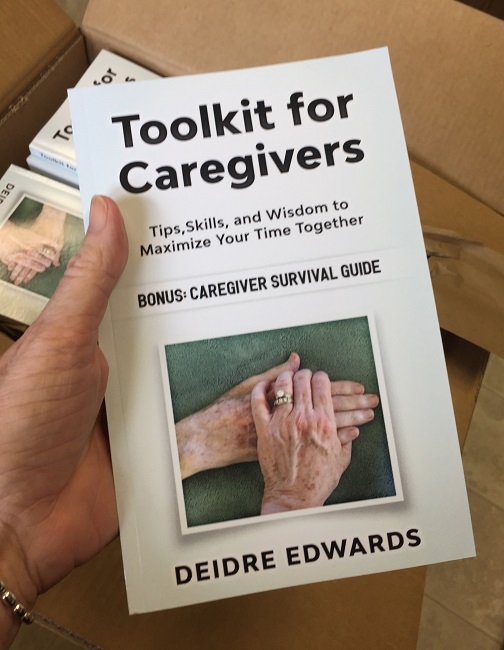
Two additional books were published – under one cover –
as Toolkit for Caregivers. Readers are finding the tips, skills,
and ideas to be just what they need as they traverse the often-troubled waters
of being a caregiver to a loved one.
Agencies and resources were contacted that could help
spread the word about Caregiver Workshops to those who need it. Very soon, a presentation was given to a group
of Stephen Ministers to help give them insight into caregiver’s emotional
concerns and how they might help them address those needs.
My first live TV interview was a success! You can see that HERE.
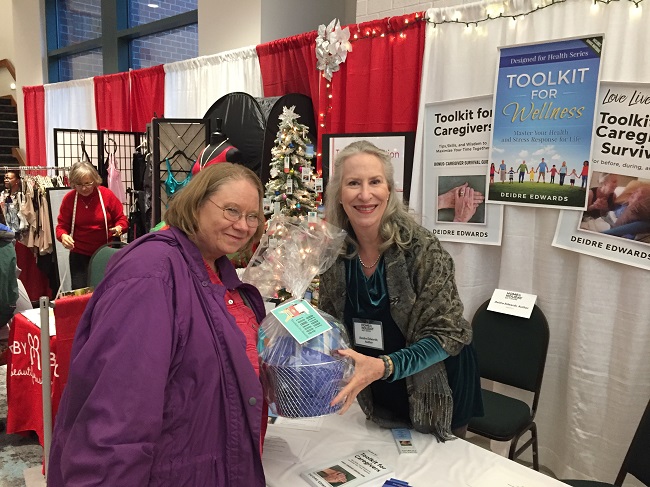
The 2019 Holiday Gift Show booth proved to be a hit,
and I was so pleased at least half of my book sales were as gifts to friends,
neighbors, or family. I’m so happy to share my experiences and knowledge with caregivers,
and those who seek a healthier lifestyle, and all I had to do is look around me.
Several Caregiver Workshops have been booked for the
first quarter of the new year. Sheree, my editor, worked on making an awesome
PowerPoint to go along with my presentation.
What Needs Tending and Tweaking
This is where I start to use my Word of the Year – POLISH.
Always wanting to improve for my Foodtalk4you readers, I will strive for weekly posts of a more consistent length.
That polishing elbow grease will be liberally applied
to book marketing, which has been my weakness. Writing books is not a problem
for me, but mastering the marketing they need in order get into reader’s hands
has been lacking. I may even seek an agent and a publishing house.
One of the priorities for my Caregiver Workshops is to
get into area community colleges, which is already in the works! That could
mean continuing education points for students and attendees. My first
out-of-state goal will be to hold workshops where I often travel.
Saturating my local market with information about
Caregiver Workshops will require consistent outreach, public appearances, and
expanding media formats. I’m going to attend a local workshop about marketing
and media to learn how to do it.
Onward and upward!
Personal Insights from 2019
I accomplished a fair amount of reaching others by
sharing ideas with them, but I have just scratched the surface. Clearly the
next steps of “Polishing” will help fulfill the destiny that last year’s projects
deserve.
Stepping up to the plate with my best effort daily is
what is needed.
I feel ready for the job.
______
To register for a Caregiver Workshop to be held at Craven Community College in New Bern, North Carolina, go to this LINK.
There are three workshop dates currently on the books with different selections to meet the needs of caregivers’ schedules. College students can even earn .25 CEUs for attending.
Not relating to the country, but the verb and the
resulting noun.
Polish something to make it gleaming. Note the fine
polish.
The 2020 Word of the Year just floated into my mind
sometime during the scurry and flurry of activities in December.
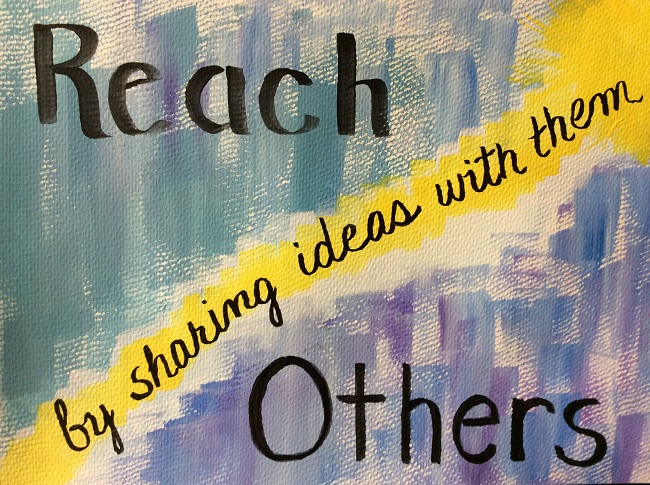
I put several irons to the fire in 2019 to “REACH others by sharing ideas with them.”
My focus this year is to POLISH each activity with
care to reveal its deserved luster and outreach.
There is focused and intense work in polishing
something. Consistent effort, pressure, polishing cloth and compound – all
judiciously applied to make an object gleam – or make a project fulfill its
destiny.
This is easily guiding my actions from timely home
renovations; using my talents in the best way to maximize benefits for others;
business marketing and even tidying up.
Just getting something done or out there is not
enough. Am I polishing my efforts to get the best results? There may be changes
– oh, dear! That dreaded word.
It’s okay if the change makes things better … more polished
… the best version of itself.
Has your new personal Word of the Year come
floating into your consciousness?
Write it down.
A post-it note will do – or something more elaborate
to put in a prominent location as a beautiful reminder of your year’s intent.
A Word of the Year approach has far surpassed
the fruitless exercise of New Year’s resolutions for me.
Try it.
Let one thought pervade all your activities this year –
you’ll note great results because it’s a mindful approach to tweaking some
aspects of your life.
No deadline – just a gentle leaning in and a refocus
each day.
That’s the first idea.
The second one is going to become a new tradition for
me that I hope sparks your imagination, as well.
We’ve all heard of gratitude journals. Do you write
down something each night that brought gratitude to your heart that day? It’s
been cited as being a practice that promotes a more positive frame of mind.
It’s just that I have so many journals around, I did
not want another – and my bedside table does not need one more book on it.
If you can relate, perhaps the approach a
dear friend just shared with me may inspire you as well!
As a cancer survivor, my friend participates in a Live
Strong support group of fellow survivors. One of them shared the idea of a “good
things” or “blessings” jar with her. As with any good idea, I am passing it on
to you, my readers.
A new year lays out before us. Good and bad will
happen. How about noting the good things each week – or more often – collect
them in a jar, and review the blessings each New Year’s Eve?
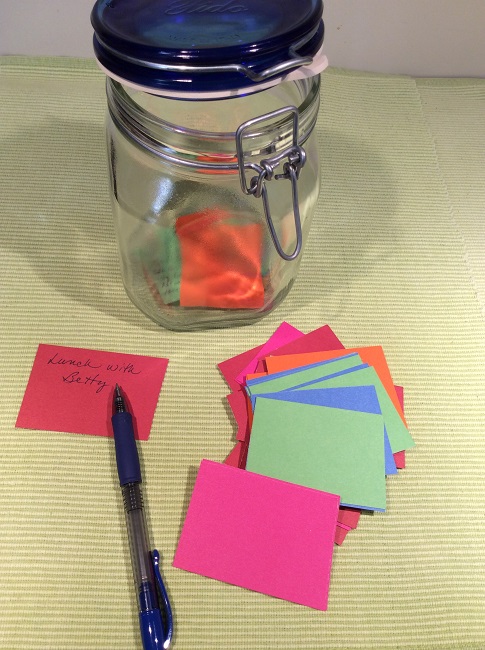
Now residing in my kitchen is a jar equipped with a
pen and baggy of blank blocks of paper ready to have the good things noted and
deposited inside. See how I’ve set up my new habit in a way that will ensure
success? No searching for a pen or a piece of paper. All set.
There are already several entries! The first was
reconnecting with my dear friend on the phone to start the new year!
Take a picture of your jar, or Word of the Year
picture/post-it note, and send it to me at foodtalk4you@gmail.com.
I’ll share it on FoodTalk4You!
Wishing each of my readers much peace, love, natural health, and renewed focus on the positive in all you do in 2020!
Don’t miss even one FoodTalk4You.com newsletter! Look for the sign up to the left of this page above.
There’s always a new cliff to jump off. We are hounded by diet philosophy mongers all the time. New buzz words rain down on us until we are buried under an avalanche of do this, do that.
I just want to feel good, keep excess pounds off, maintain a stable blood sugar, keep my bones strong and muscles functioning, avoid poisonous food or activities to allow my body to be naturally disease free, and … something else to be mentioned in a minute.
That’s why I avoided labeling my approach to eating in Toolkit for Wellness as anything other than anti-inflammatory. Labels can be problematic.
It’s just not food either. We are a complex whole. Deprivations or excesses in one area of our life puts everything else out of kilter.
Added to the fact that none of us has ever been this old before …
What worked in our thirties might not work for us in our forties – etc., etc.
Therefore, we seem to always be adjusting to make things balance out. Never a dull moment. Every day sees us coping with physical changes we may not know are even happening.
Which brings me back to my other goal. Usually commercial ads about this are aimed just at the senior sector of our population; but this issue traverses all age categories. It’s something that even concerned my high school students. What is it?
Regularity. Constipation.
Poo.
It’s a topic that’s vital even to infants (I remember my constipated babies – what anguish for everyone) and to everyone, every day – for as long as we live.
Again, it’s a complex topic. The standard approach is:
Drink enough fluids
Get enough exercise
Eat enough fiber
Control stress (that’s my addition)
Chronic constipation can set us up for hemorrhoids, irritable bowel disease, and colon cancer. Also makes for feelings of discomfort and general malaise. Not fun.
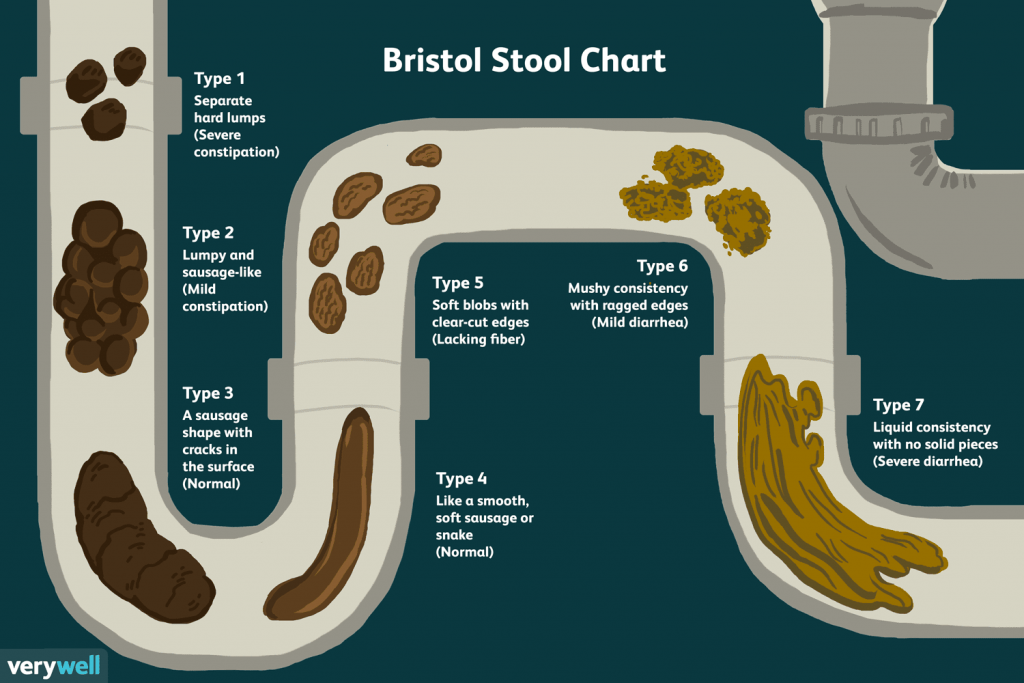
There are even issues beyond constipation – this is going to get a little graphic, here – there are issues about the quality or texture of the Bowel Movement (BM).
Let’s delve into this dinner-table-taboo topic with the Bristol Stool Chart
It is possible to be as regular as clockwork, but terribly constipated.
Where are you on this scale?
After going gluten-free and restricting starchy carbs for several years – and feeling so much better – I seemed to enter a new phase of regularity with constipated results. (Talk about airing dirty laundry … but folks, I’m doing this so we can learn).
Were the several years of caregiver stress – followed by widowhood – a factor? Certainly.
But this was no way to live. What could I do? Join the Metamucil-for-lunch bunch? Nooooooo!
After much trial and error, the results are in! LOL
As I sought to restore balance within my body, I have come to soften some of my previous approaches:
Gluten-free remains a priority (helps me avoid most sweets at gatherings and unnecessary bread-y starch)
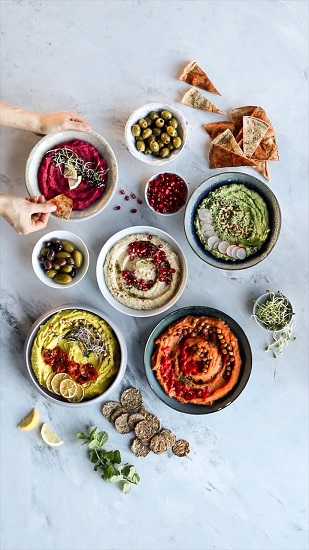
I am opening the door to some legumes in regular consumption of hummus and chili beans
Eating some 5% fat, plain Greek Yogurt each day, which feeds the microbiome in my gut
Eating the whole grain goodness of quinoa – a gluten-free ancient grain that is so versatile hot or cold, sweet/savory/or plain
Sauteed, unbreaded okra slices, seasoned with Montreal Steak Seasoning, are a frequent fare and will “cure what ails you”
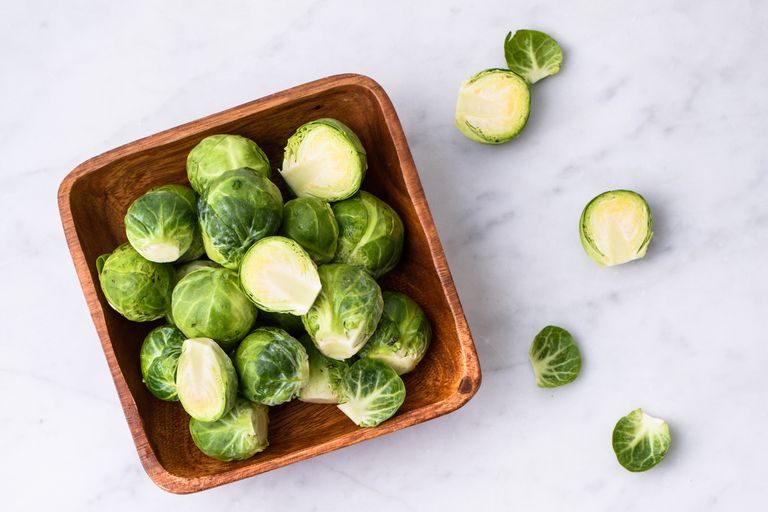
Eating Brussels sprouts year round
Modifying my super-low-carb approach by adding a slice of whole-grain, gluten-free bread to my morning or lunch open-faced sandwich (Sam’s brand found at Walmart on the top shelf of their bread isle is my absolute favorite)
The final improvement has come – for me – through the additional, though small, addition of starchy carbs. My research today is showing, as well, that the avocado mash on my morning or lunch time toast is boosting helpful fiber, as well.
So, let’s look at fiber. Most people are getting about half what’s needed. Women should be getting 25 grams of fiber a day and men should be getting 38 grams.
Everything you ever want to know about fiber can be found HERE and HERE!
As a timesaver, let me summarize:
Fiber is the part of food not broken down or absorbed during its journey through the digestive system.
There are two types of fiber categories: soluble and insoluble.
Soluble Fiber
Soluble fiber binds with fatty acids and helps flush them out of the body – thus lowering bad cholesterol – and blends with water forming a gel-like substance in the gut, which helps lower blood sugar spikes.
Insoluble Fiber
Insoluble fiber helps to act as a bulking agent that speeds the passage of waste.
Together, both kinds of fiber slow digestion so that the sugar/glucose from food is absorbed more slowly – thus stabilizing blood sugars.
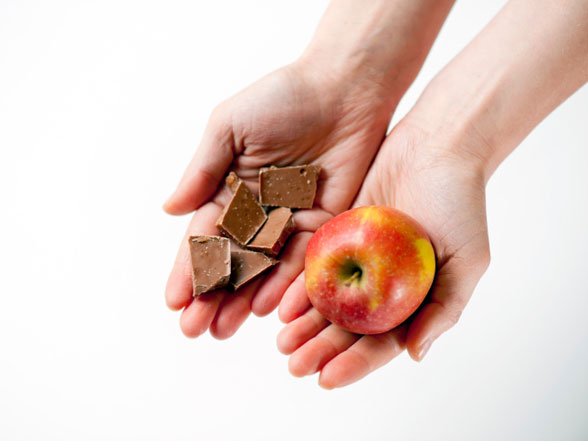
It’s the difference between eating a piece of candy or eating an equal amount of sugar/glucose in a fiber-filled raw apple. The candy will cause swings in blood sugar as the glucose is rapidly absorbed, insulin is needed, and blood sugar drops as insulin’s effect occurs. The apple will cause a slight rise in blood sugar over time because the fiber slows down the sugar/glucose absorption and the insulin demands are much lower.
Candy vs apple
Then, there are different actions that fiber can take.
Some soluble fibers are fermentable and serve as fuel for the (good) bacteria in our gut. The over 100 trillion bacteria found mostly in the large intestine are ground-zero for zillions of chemical, hormonal, and nerve reactions and communications happening in the body. Research is showing that dysbiosis in the microbiome of our gut (the good bacteria) is resulting in or is a contributing factor to auto-immune disease and much more. Feeding these friendly warriors is very important to good health.
Fermentable fibers are found in beans and legumes. The byproduct of this fermentation is gas. Great.
Then there’s viscous fiber that forms a gel when blended with water. This gel slows down the digestive process which allows for a feeling of fullness and satiety for longer periods.
Think chia seeds in water. Think okra.
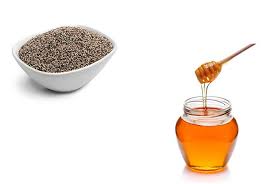
This viscus/soluble fiber is also found in legumes, asparagus, Brussels sprouts, oats, and flax. Just a tablespoon of chia seeds in water and flavored – or not – with a dab of honey will turn into a gelatinous treat that will hold you all night and “do your body good.”
Many of you may not have heard of this next one: Resistant starch. Used to be that I’d just shut the door at any idea of consuming starch. Starch is the main carbohydrate in the diet. Think potatoes, foods made with flour, and rice.
Resistant starch is a carbohydrate that functions like fermentable fiber in the gut. Have I grabbed your attention yet?
Yes. Under the right conditions, this starch (boo!) resists digestion and passes through the digestive system unchanged (yay).
Resistant starch improves digestive health; improves insulin sensitivity; lowers blood sugar; and helps to decrease appetite.
Resistant starches can be found in:
Green bananas (sure)
Legumes (think pinto beans…and gas)
Cashews (yay!)
Raw oats (Trail mix?)
…and…drum roll…
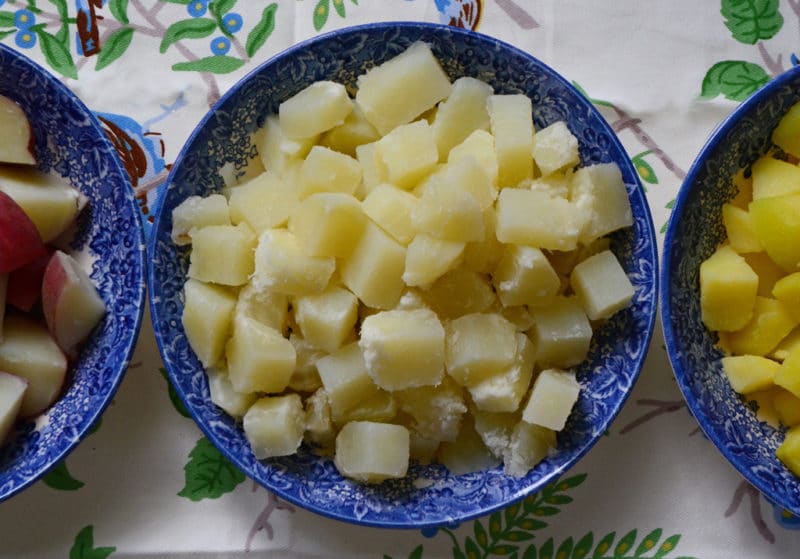
Cooled cooked white potatoes and white rice!
What? Yes! Think cold potato salad. Think white rice in salad. Heck- think sticky rice in nori rolls!
Ah, but remember the balance.
Deidre from Foodtalk4you is NOT saying to sit down to a bowl of potato salad.
What I am saying is that there are options that should be used to strike a balance, and that having a 3 or for 4 Bristol Stool result in the bathroom can be a measuring factor for that balance.
‘nuf said
In health-
Deidre
PS: Don’t forget to sign up for our newsletter on the left-hand side!