

Food and Mood
This goes way beyond a few bites of cold, yummy watermelon on a hot day putting smiles on everyone’s faces.
We’re talking about the cumulative effect of our food choices over time. Those choices shape the microbiome in our gut, which communicates continuously with our brain through chemical signals.

One of the things I enjoy most is continuing to read nutrition and health research – discovering that many new findings bring us right back to a familiar truth.
A recent article, Microbiome and Depression, by Debra Rose Wilson, below, and Leslie Binford, in the American Nurse Journal (June 2026), did exactly that. It reinforced the common theme we’ve shared here at Foodtalk4you for years: eat an anti-inflammatory diet.

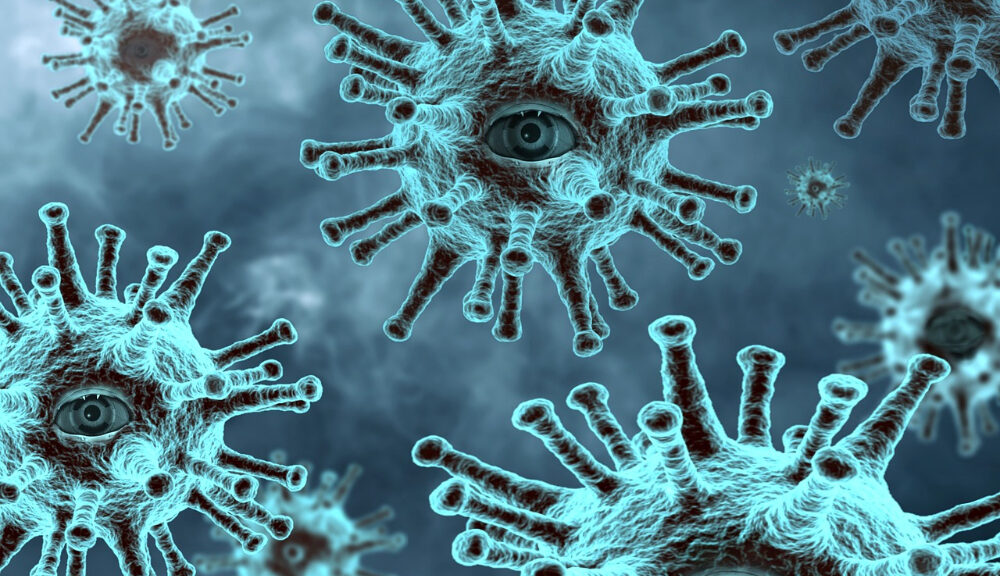
Your microbiome is the community of trillions of bacteria and other microorganisms living primarily in your intestines. While that may sound unsettling, these tiny organisms are essential partners in good health. They help digest food, produce vitamins, support the immune system, protect the lining of the gut, and even influence the way our brains function.

When our diet is rich in colorful vegetables, fruits, whole foods, healthy fats, and fiber, beneficial bacteria thrive. But a diet high in ultra-processed foods, excess sugar, and unhealthy fats can upset this balance, allowing harmful bacteria to flourish. This imbalance is known as dysbiosis.
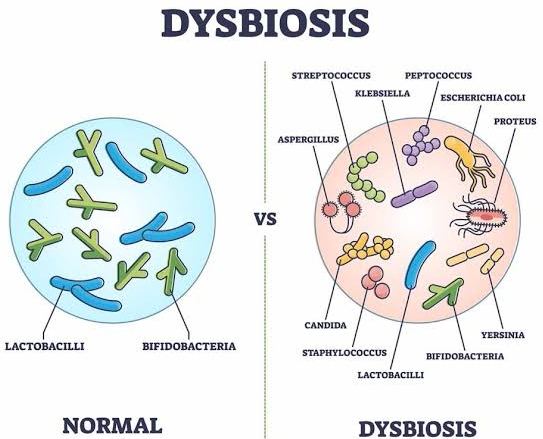
Over time, dysbiosis can contribute to inflammation and damage the protective lining of the intestines, leading to what is commonly called ‘leaky gut.’
Instead of serving as a strong barrier, the intestinal lining becomes more permeable, allowing substances that normally remain inside the gut, to enter the bloodstream. The immune system responds as it should to ‘invaders,’ increasing inflammation throughout the body to fight them.
Here’s where things become especially interesting.

The gut and brain are in constant communication through what scientists call the gut-brain. This two-way communication network involves nerves, hormones, immune signals, and chemical messengers. In fact, many neurotransmitters — including much of the body’s serotonin, often associated with mood —are produced in or influenced by the gut.
Our guts have often been labeled our second brain because of this gut-brain axis.

When the microbiome is healthy, these signals help support normal microbiome. When the microbiome is disrupted, those signals can be altered – potentially affecting mood, stress responses, cognition, and emotional well-being.
Researchers are finding growing evidence that disturbances in the gut-brain axis may play a role in conditions such as depression, anxiety, and other mental health disorders. While nutrition is not a cure for these conditions, it is increasingly recognized as an important piece of the overall picture.
For me, this research simply brings us full circle.

Every meal is an opportunity to either fuel inflammation or help calm it. An anti-inflammatory eating pattern doesn’t just support heart health or reduce aches and pains — it also nourishes the microbiome, strengthens the gut, and supports healthy communication between the gut and the brain.

That’s another powerful reason why what we put on our plates matters every single day.
Small, consistent food choices made today, become tomorrow’s health.
In health –
Deidre