
Category Archives: Anti-Inflammatory Foods

Brain Food – Part 1

Brain fog? Shorter concentration? Decreased ability to coordinate several processes to reach a goal? The focus here is not determining if Granny needs assistance. It’s about where we all are right now.

Age-related diseases are more of a concern now as people are living longer than any previous time in history. But, waiting until someone is ninety-five years old is too late to start building brain function.

Brain health is developed before we’re born and continues throughout our lifetime. Neglecting the promotion of brain health in childhood, adolescence, and adulthood spells disaster, not only later in life, but even earlier.

This topic is central to my studies and what I share on foodtalk4you. Much of what I am sharing in this series is derived from a nursing license renewal class I recently took: Brain Food: The Role of Nutrients in Memory and Cognitive Function by Annell St. Charles, PhD, RD, through the Institute for Natural Resources.

What and how much we eat are key factors in our brain health.

Many of us quake in our boots every time we forget something. The specter of Alzheimer’s disease seems to threaten us on every level. Epidemiological evidence is showing; however, that diet choices available to each of us every day can be key factors in reducing the risk for Alzheimer’s disease (AD).

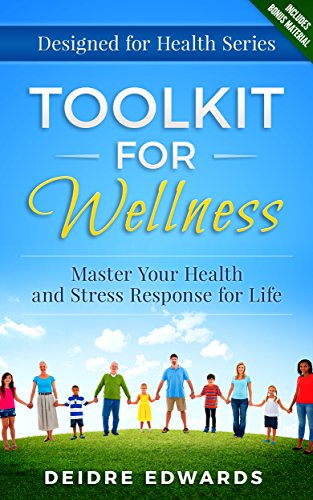
Foods good for our cognitive function share the effects of being antioxidant and anti-inflammatory. I wrote about an anti-inflammatory approach to eating and life itself in my first book, Toolkit for Wellness.

Research is finding some aspects of mild cognitive impairment (MCI) can be found in healthy young adults but do not become apparent until later in life. With brain maturity peaking in the 30s or 40s, there is ample time to boost brain health in the young and to continue throughout our lives.

A big predictor in developing late-life dementia is

1) mid-life obesity and

2) lower cognitive performance earlier in life.
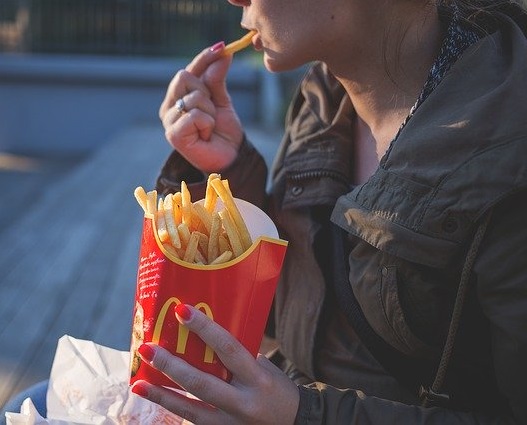
Obesity brings on a cascade of body issues that play into body-wide inflammation and metabolic challenges. The overeating habit of poor quality of food is sweeping across America and other parts of the world under our fast food influence.

Obesity is preventable, and yet is becoming the scourge of modern society. Stress eating during this pandemic is probably at an all-time high – but our circumstances do not make it alright.
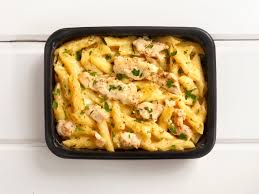
As I explained in my book, fast food and pre-packaged foods are all designed for us to eat more. Large food conglomerates employ people to find that sweet/salty spot, which will make consumers want to come back for more.

Sugar does not satisfy or quench. Sugar makes us want more sugar. It’s as simple as that.
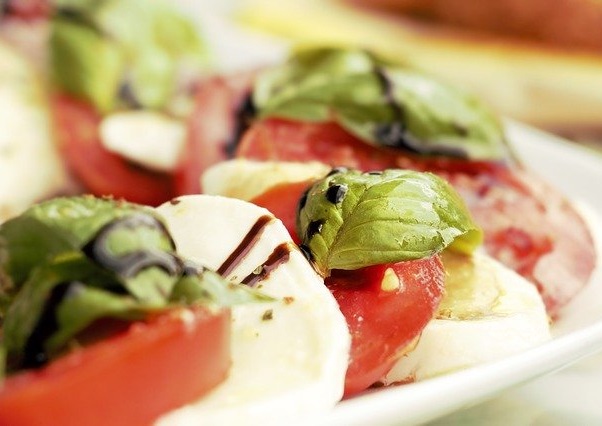
What to eat? Nutrient dense foods as found in the Mediterranean diet will supply the nutrition our brains and bodies need for optimal health. Whereas, nutrient-poor diets rely on consuming highly-processed food, which lack the antioxidants and anti-inflammatory elements needed for brain/body health.
Diets favoring nutrient-poor foods are affecting the size of our brain part associated with learning and memory – the hippocampus. Of note – both long-term and short-term consumption of foods high in saturated fats have resulted in changes in brain function. Think how this plays out in children consuming a fast-food biscuit on their way to school each day.

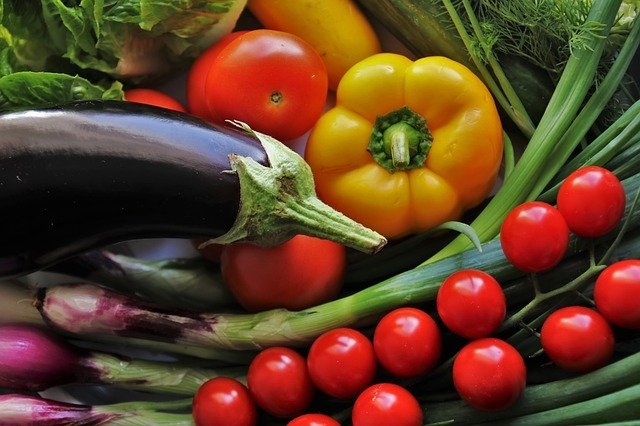
A higher intake of fruits and vegetables will help prevent and reverse age-related deficiencies by decreasing inflammation and oxidative stress.

In sum, look for the following to select nutrient-dense food:

  • Go for the color in fruits and vegetables
  • Aim for fiber-rich foods
  • Seek lower-fat dairy
  • Switch to lower fat cuts of meats
  • Eat more poultry, fish, eggs, beans, nuts, and seeds

The colorful plant food choices will ramp up protective phytochemicals that have been shown to be protective for the brain and nervous system. Talk about brain food – plant-based foods rock!

Rome wasn’t built in a day. A consistent effort in making tiny changes is a sustainable approach to build sustainable health. Choose one meal to improve each day.

On a personal note – I’m into my second week of daily, sweat-producing exercise and am loving it! Contrary to what one might think, my appetite is less than before starting this program. I needed the structure of a program and I chose to join something online. My neighbor does it for free as she taps into an endless array of YouTube routines each morning.

Everything works together – exercise energizes and creates a positive frame of mind. A better outlook will boost us all into making better choices. We can do this!

In health-

Deidre

Want to make sure you don’t miss a jam packed post from FoodTalk4You? Make sure to fill out the subscription box to the left of this page for more fantastic articles focused on improving your good health!
The Birth of a ‘Mater Sandwich

In the American South, there are moments in midsummer of sublime satisfaction when the tomatoes start to ripen and are plucked off the vine. The moment comes only after impatient sweet anticipation while crafting the perfect ‘mater* sandwich.

To the rest of the English-speaking world, it is a tomato* sandwich.

Humble and pure, two slices of mass-produced factory bread smeared with the region’s favorite mayonnaise, a slice or two of vine-ripened tomato, with some salt and pepper, create summertime heaven on earth for many.

My favorite gluten-free bread does not live up to this image – not even a little bit. Plus, I can hardly remember when I have eaten two slices of bread at once anyway. Just too many carbs.

The mid-night visitation of belly angst from glutenous bread is just not worth it.

What to do?

There are rare times throughout the years – certainly not in 2020 – when eating at a fine restaurant with its own version of predinner slices of sourdough bread, I would indulge just so I could dip my fragrant bread into some of their fine olive oil with pesto.

I suffered no ill effects from such gluten indiscretions. Hmmm. Did the glorious atmosphere of the festive meal simply sweep side-effects away? Or was there a reason here?

Sourdough bread is a fermented food! Duh. If I made the stuff, I might have put two-and-two together.

It is fermented from lactobacillus cultures (great for the gut probiotics); but unfortunately, the cultures do not survive the baking process. However, a helpful byproduct is created: lactic acid.

Turns out, lactic acid lowers the naturally occurring phytates in grain-based bread. I refer you to page 105 of my first book, Toolkit for Wellness, where you will learn, phytates block our ability to absorb minerals from the food we eat.

So, for my tomato open-faced sandwich, the occasional bread indiscretion is well-tolerated on sourdough bread.

Let me show you what I did:

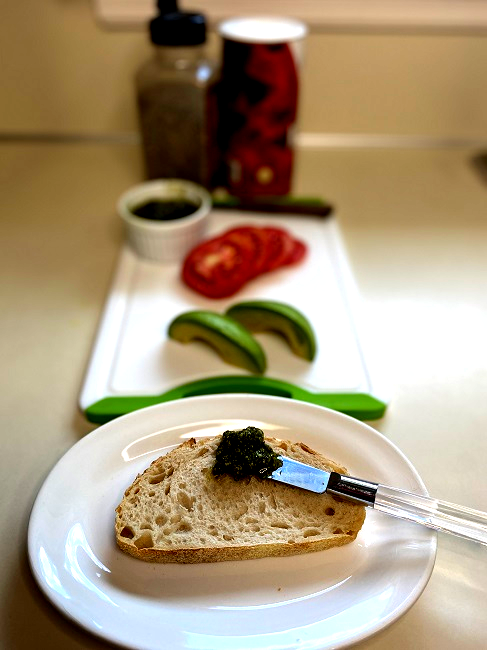
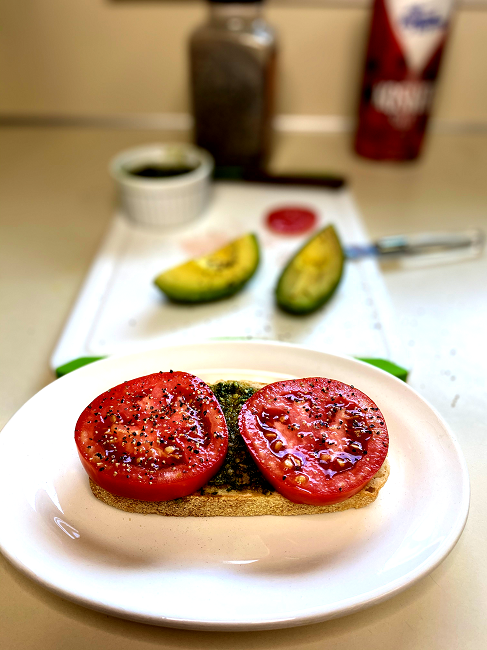
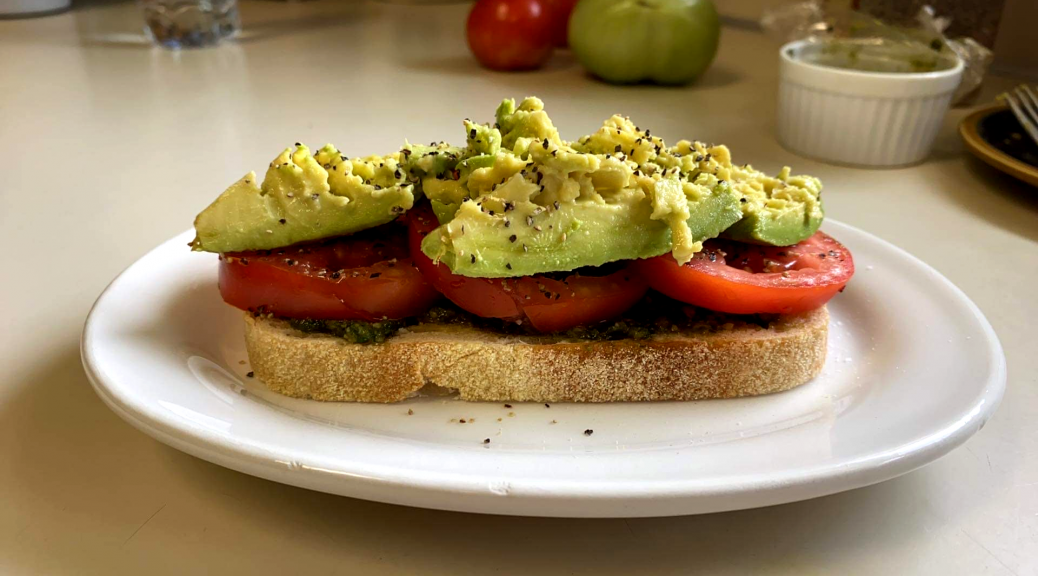
Spread some fresh homemade basil pesto onto a slice of lightly toasted sourdough bread.

Here’s the recipe for the pesto:

Sweet Basil Pesto

Pesto can be a great spread on crackers or bread, or as a great way to zip up the flavor factor in veggies, seafood, or an omelet!

Ingredients

2 cups/500 ml fresh sweet basil leaves, packed

½ cup/125 ml Parmesan, Parmesan-Reggiano, or Romano cheese, grated

½ cup/125 ml extra virgin olive oil

1/3 cup/75 ml walnuts or pine nuts (activate nuts first!)

3 cloves garlic

Salt and fresh ground pepper to taste (I use not quite a ½ tsp/2.5 ml of Kosher Salt and about the same of black pepper)

Method

Using a food processor, pulse the nuts a few times.  Add the garlic cloves and pulse some more.  Add the basil and pulse until in fine pieces.  With the food processor fully on, slowly pour the olive oil through the shoot.  Stop to scrape the sides down and add the grated cheese.  Pulse until combined.  Add salt and pepper and pulse a few more times.

The pesto is ready to use.  I store mine in small jars and float additional olive oil on top as a seal. 

Back to the sandwich: Add slices of fresh-out-of-the-garden tomato with salt and pepper to taste.

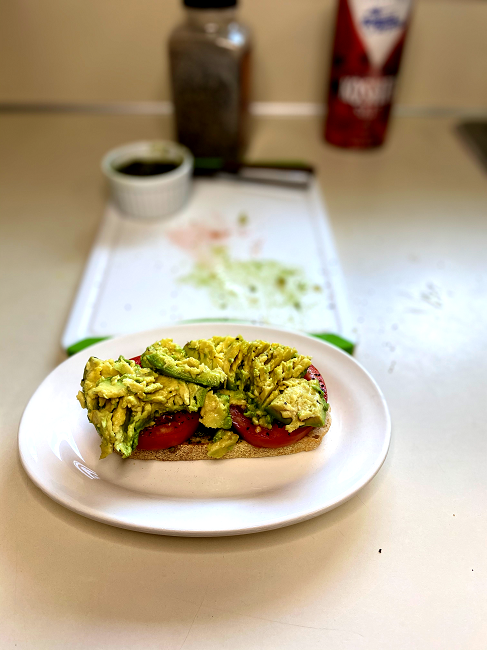
Add slightly mashed avocado on top with salt and pepper to taste. Smashing the avocado first helps it stay in place better.

There you are.

  • Less bread overall, but great bread that is even good -ish for you.
  • Pesto for fragrant greenness with
  • Health-promoting garlic
  • Olive oil for healthy monounsaturated fat and,
  • If using walnuts, omega-3s fatty acids as another anti-inflammatory
  • Fresh tomato – high in heart healthy lycopene as well as vitamin C, K, potassium, and folate

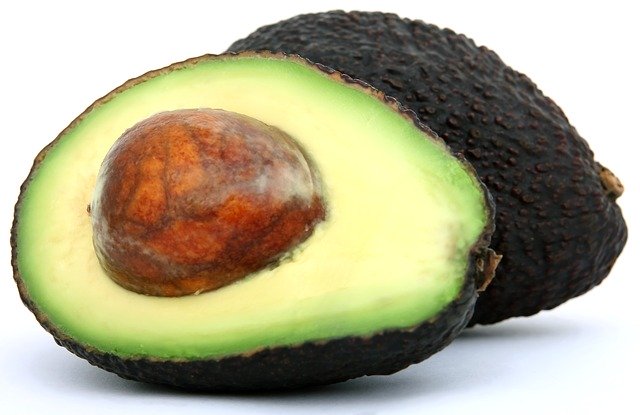
The addition of avocado finishes turning this tomato sandwich into a powerhouse meal. As a transplant from California, this girl loves avocados!

  • High in vitamins and minerals (remember, the sourdough bread helps our bodies absorb those minerals), avocados are naturally low in sugar and high in fiber. In fact, a great snack is one half of an avocado – keeps you full thanks to the fiber. Avocados do have fat, but it’s monounsaturated fat which is a good fat that helps lower cholesterol – when eaten in moderation.

There you have it! Something delicious and satisfying, with a yummy factor through the roof.

Many of our readers are in countries using metric math. My apologies for having ignored your needs before. An author friend of mine living in Greece was inquiring about measurements for last week’s post about iced coffee.

My coffee scoops are 12 grams each; so, a totally of 24 g coffee is used. The filtered water would be 750 ml.

If you are enjoying foodtalk4you posts, please share with a friend, and remember to like us on Facebook. Please click on the subscribe button so you won’t miss any posts from foodtalk4you.

Thanks!

In health-

Deidre

A Dickens of a Time As This

So many thoughts are being spun about our current predicament. See if these words are not spot on:

“It was the best of times, it was the worst of times, it was the age of wisdom, it was the age of foolishness, it was the season of light, it was the season of darkness, it was the spring of hope, it was the winter of despair, we had everything before us, we were all going direct to heaven, we were all going direct the other way – “

Little did we know, sitting in English Lit class so long ago, this prose penned in 1859 by Charles Dickens as the opening of Tale of Two Cities would apply to us in 2020 in such profound ways.

Just one day of following the news feed will see his words pop off the page as the conferences, sound bites, interviews, statistics, reflections, and insights parade across our screens.

Everyone has become a philosopher of late; I will not try to add to the fray of who says it best. But we would be all amiss if we were not looking at our personal values through a wiser lens.

What is important, lasting, and of value?

Stocks, 401-Ks, and wages may decline or even vanish.

Time is my only commodity.

I do not even know how much of it I have. My portfolio could be fat or completely running out.

Doesn’t really matter. The only time I have is this second. How will I spend it?

How are you spending yours?

Food for thought.

Now, for a different kind of food talk. Since we are all pretty much cooking 3 meals a day lately, there will be several recipe ideas in the coming posts.

Facing fewer trips to the grocery stores prompted my concerns about fresh vegetables. As a card-carrying broccoli fanatic who can consume an entire head of steamed broccoli at one sitting, I was more than a little concerned about how I could stretch my broccoli purchases.

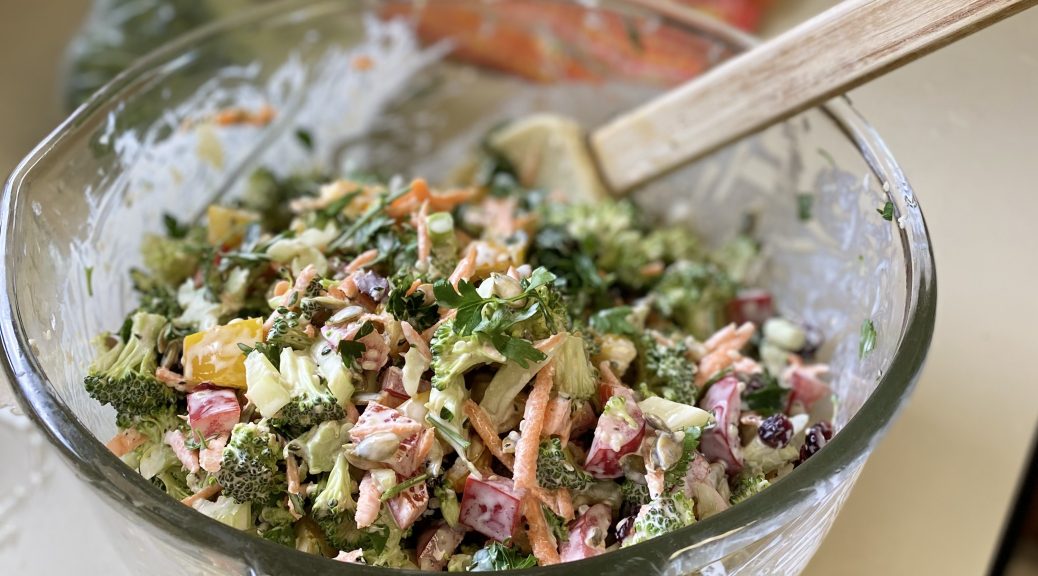
The answer came in the form of broccoli salad. Raw veggies fill us up faster than cooked – and retain their nutrients – not to mention the fiber factor is ramped up.

Before the recipe, let’s look at an optional ingredient to these salads: cold, cooked rice. Why? Well there’s some magic involved…

First remember, moderation in all things.

You are going to learn a cleaver hack can circumvent the carbohydrate load of (starchy) rice – BUT, even if employed, it can be overdone to our detriment.

You may already be taking a probiotic supplement or may be consuming fermented foods alive with healthy bacteria to boost the population of good bacteria in your colon. Great.

Have you heard of pre-biotics?

A pre-biotic is the non-digestible part of food – think fiber and in this case, starch – that goes through the small intestines unchanged only to land in the large intestine/colon where it is fermented and used as food for the bacteria living there.

Well-fed good bacteria equal a happy gut. Happy gut equals happy body.

Seems the starch in hot-off-the-stove rice or potatoes will act like any other carbohydrate: turn into sugar, cause blood sugar spikes coupled with the need for more insulin to process, and will contribute to weight gain.

Enter cold rice or potatoes (potato salad), and the starch goes through the small intestine unabsorbed – no blood sugar spikes – and arrives in the large intestine/colon ready to feed the troops in the fermentation process. Yay.

Do not sit down to a large bowl of potato salad by yourself. Cold pizza probably won’t work either.

Moderation!

Now – on to the recipe full of goodness that will contribute to a healthy gut, leave you full and satisfied, and will stretch out the broccoli – or Brussels sprouts – to last between less frequent trips to the store.

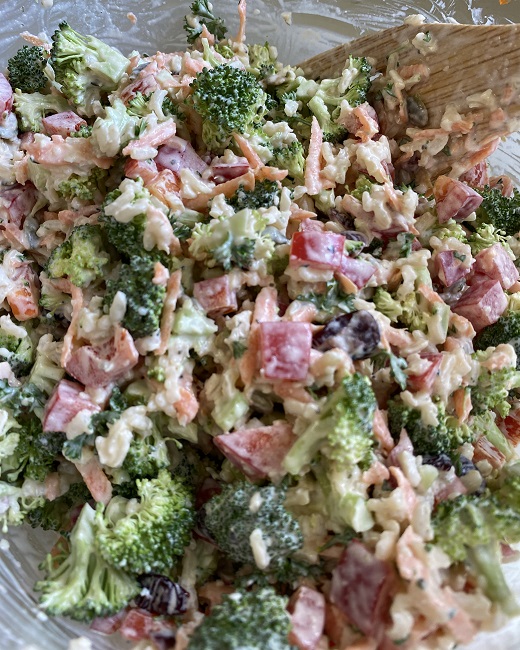
Broccoli Salad With Options

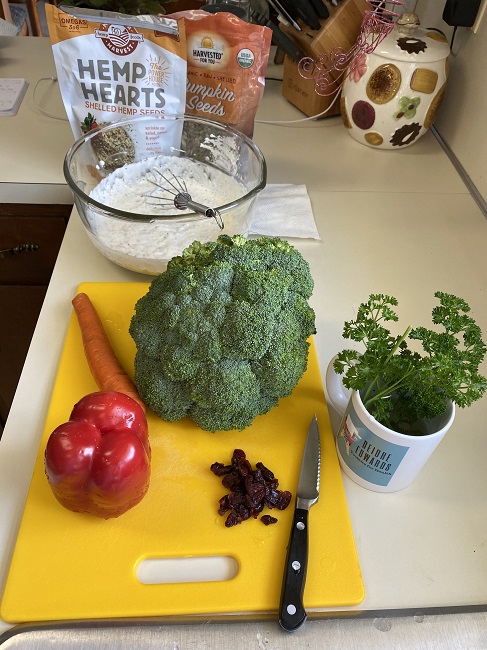
Ingredients for salad

1 small broccoli crown or a combination of broccoli and Brussels sprouts – cut broccoli up into small florets, and cut Brussels sprouts in half, lengthwise, and thinly slice horizontally

1 large carrot, grated

Fresh parsley, chopped

1 Bell pepper – red ones have more Vit. C – diced

Handful of pumpkin seeds

Optional salad ingredients:

Handful of dried cranberries

1 cup cold, cooked rice

Parmesan cheese, grated

2 stalks celery, diced

Ingredients for dressing

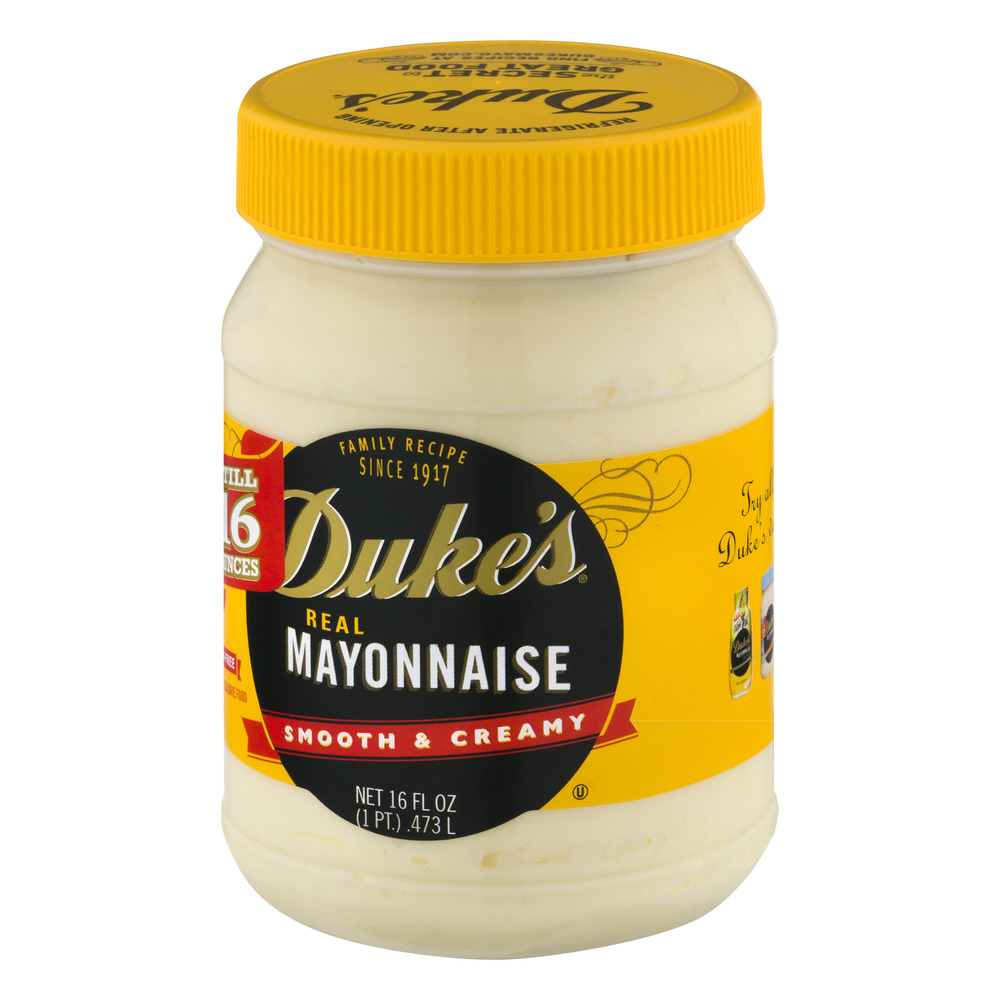
Duke’s mayonnaise – quantities vary … sorry. How big is a large dollop? I do not like super-creamy green salads. I use just enough to glue things together. Remember: moderation.

Sour cream – about the same amount as the mayo

Juice from ½ lemon – this I know for sure!

Salt and pepper to taste

¼ cup hemp seeds

Splash of milk of choice to thin the dressing

Method

Using a large mixing bowl, make the dressing first. Throw everything in and stir to incorporate. The amount of dressing you have along with your personal preference of salad wetness will guide how much broccoli and/or sprouts you will use overall.

Prepare the salad ingredients and add to dressing, stirring to combine after each addition.

This probably benefits from some chilling time to meld the flavors, but it is not necessary.

I like serving this with halved cherry tomatoes.

———————————————————-

Done and done. A little goes a long way. My quarantine go-to salad. Ingredients vary. Last week, I had no Bell peppers or carrots, so I added the celery and created an all green version. Parmesan is a nice flavor enhancer as well – add only if you need to ramp up the saltiness.

A big shout out to my dear friend and editor-in-chief, Sheree Alderman, who is making a gradual comeback after a host of life-challenging conditions and surgeries. Love you, girl! We are in this together!

Click on the subscribe button at the bottom or scroll back to the top left of the screen to make sure you do not miss a single post from Foodtalk4you. When you do, you will receive our Thank You gift on things you should be doing to protect your health.

In health-

Deidre

The Oatmeal Verdict is Still Out

As readers know, my house is gluten free by choice, not absolute necessity. There are times when an indulgence will happen – as in great crusty restaurant bread … mmm … but that’s a rare happening – especially now when we are, basically, staying home for every meal.

Passing on fluffy, yeasty “air rolls” our kids used to smush into gluten-y nuggets at restaurants is not hard at all. Easy-peasy.

But gluten-free oatmeal? Sounds safe. Maybe.

I was all set to extol the virtues of my new “gruel,” which has done an admirable job of sustaining me throughout the mornings recently, when I noticed – yet again – some unhappy hip and knee joints.

What’s this? No more oatmeal?

The jury is still out. Last time I got on an oatmeal jag, the same thing happened.

Was that a fluke? Is this a fluke?

I don’t know folks. The verdict on this one has not been pronounced for me.

But so many people simply love oatmeal and eat it on a regular basis. A friend of mine adores his bowl of steel cut oats with cinnamon, milk, and a hint of stevia each morning. Satisfying and somehow grounding – a great way to start the day.

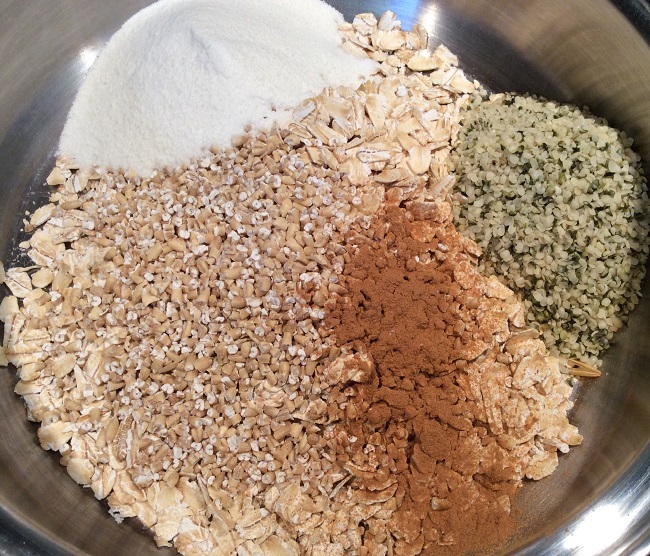
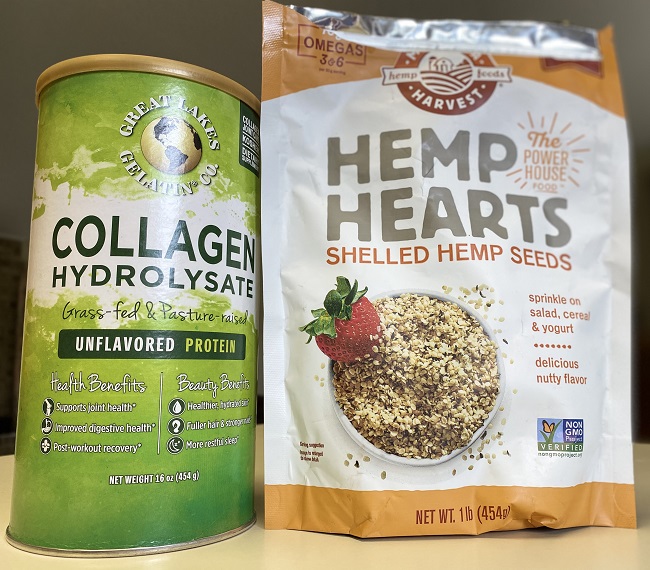
So … occasionally, I will concoct my oatmeal potion. Taste buds do cartwheels and energy levels stay steady. Regular readers know I would have to ramp up the nutrition and sugarless flavor components using the usual suspects: hemp seed hearts, collagen, vanilla, and cinnamon.

Let’s whip up a batch of Super-Powered Oatmeal!

Super-Powered Oatmeal

Serves 2-3 (So hearty, you don’t need as much!)

Ingredients

½ cup gluten-free oatmeal

½ cup gluten-free steel cut oats

¼ cup hemp seed hearts

3 Tbs collagen hydrolysate

Pinch of salt

Cinnamon

Vanilla

1 ½ – 2 cups almond milk

Method

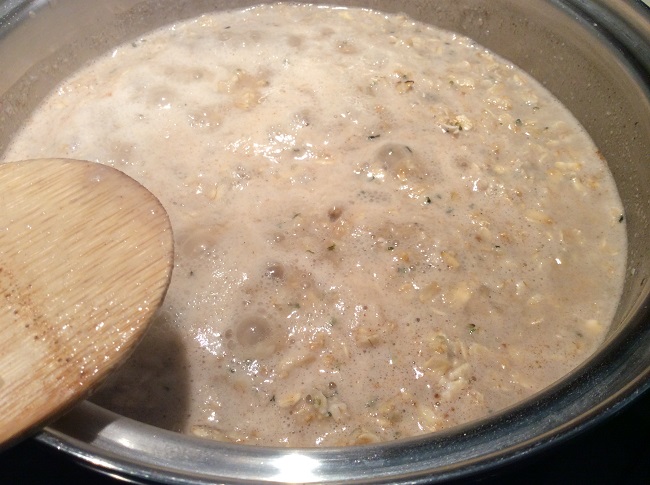
Throw it all in a small pan; cook on medium until bubbly; reduce heat and continue to cook, stirring occasionally. Purists may want to add the vanilla at the end.

Variations on milk depend upon how creamy you want your cereal and on how much steel cut oats you use.

Geez, who really measures this stuff? I usually put all the oats into a one cup measure and eyeball equality. This is in the morning while sipping my first cup of coffee, after all.

If you have not whipped that sweet tooth into shape, a modicum of sugar may be added to the pot – really, with all the vanilla and cinnamon – maybe a teaspoon could be used – that’s it.

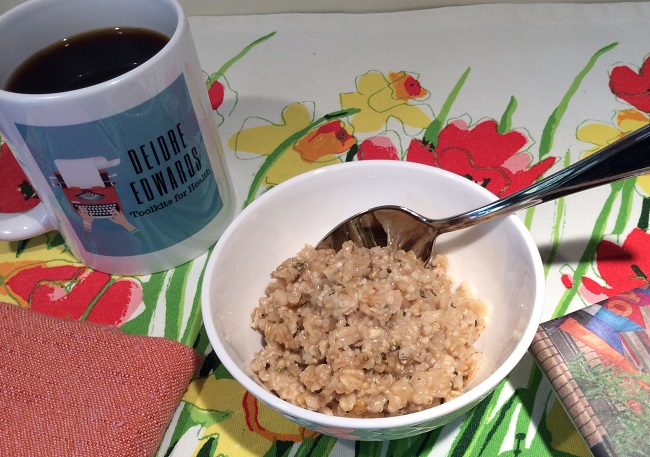
Find a cute small bowl to add to the experience. You just don’t need a huge serving. Why?

Okay, kids. Back to home school. Quiz time.

What’s in hemp seeds?

Right! Omega 3 fatty acids! Quoting from pages 74-75 in my first book, Toolkit for Wellness:

Number two on everyone’s list is Omega 3 – the long chain fatty acid of EPA, eicosapentaenoic acid, and DHA, docosahexaenoic acid, which are found in wild fish and grass-fed meat.

A summary of its benefits include:

  • Decreasing cancer rates
    • Decreasing auto-immune responses
    • Increasing insulin sensitivity
    • Decreasing insulin resistance
    • Decreasing nerve degeneration processes
    • Promotes healing of the gut

Hemp hearts also have a whopping 10 grams of protein to every 3 tablespoons.

Next question: Why collagen?

Three tablespoons of unflavored collagen hydrolysate have over 16 grams of protein and all the essential fatty acids – remember science class: building blocks of protein – that you need to power up your body. That’s why Ms. Deidre adds collagen to so many things to ramp up the nutritional profile.

Well, Ms. Deidre, why are you always using cinnamon?

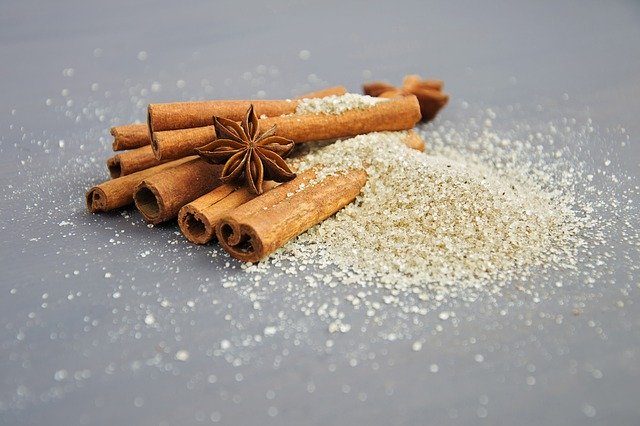
Good question! Don’t you remember on page 161 of your Toolkit for Wellness textbook, cinnamon not only helps mimic sweetness, but it also is loaded with antioxidants, calms inflammation, helps reduce insulin resistance, and helps with blood sugar levels?

When combined with vanilla extract, a non-sugary sweet factor can be achieved that will not scramble blood sugar levels or brains.

That’s a win-win for all home-schooling families. No squirrely kids! Yay!

In health-

Deidre

We welcome all new subscribers and hope that you are enjoying your new subscriber gift, “25 Easy Tweaks for Better Health.”

Claim your new subscriber gift by scrolling to the bottom of your phone screen and clicking on the SUBSCRIBE button. If you are using a computer, the SUBSCRIBE button is on the left side near the top of the screen.

The Bunless Greek Burger

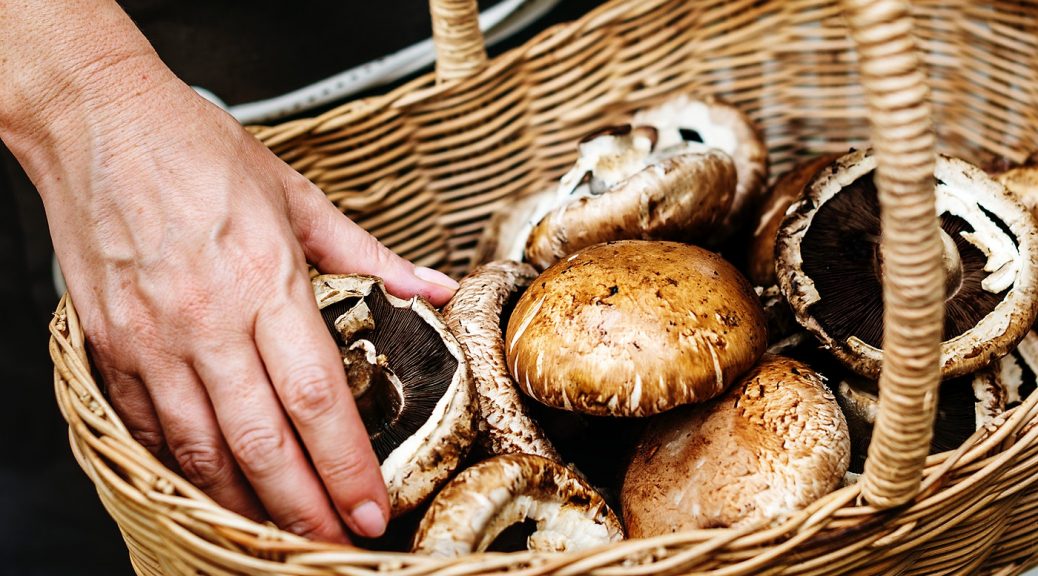
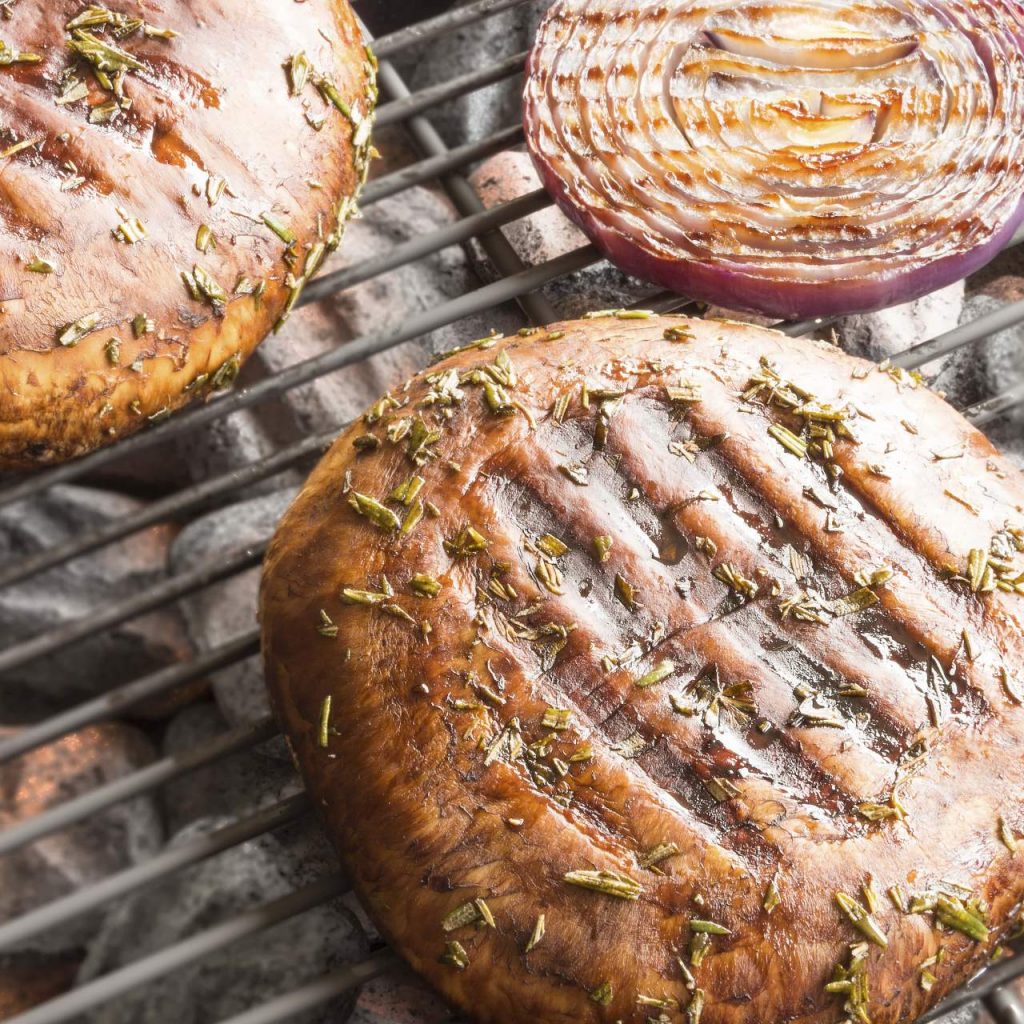
Grilled Portobella Mushrooms

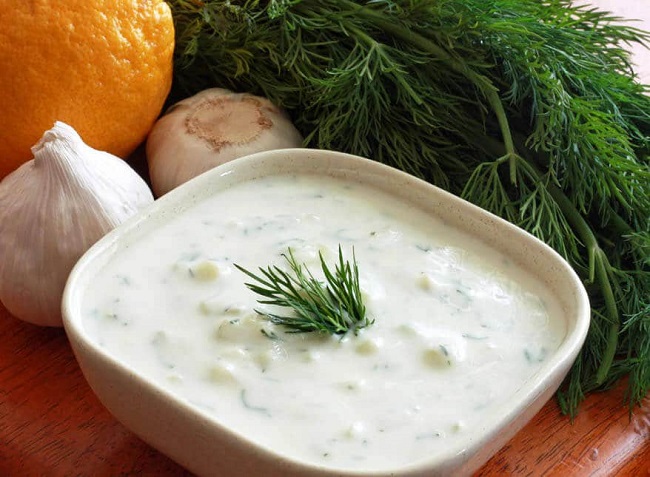
As a follow-up to the Tzatziki Sauce recipe HERE, I want to share a recipe that just happened to come my way. When “bun-less burgers” are featured, there’s usually a portobello mushroom on either side of the burger.

Looks good in pictures, but when I tried it, I ended up with super juicy buns that were not at all what I had in mind. Mushroom juice dripping everywhere and fingertips breaking up the “bun.”  Even as a lover of mushrooms, the experience grossed me out.

So, when Greek Turkey Burgers with Portobello Buns popped up in my in-box, the only thing that caught my attention was “Greek.” Sure enough, I was not disappointed. Another place to enjoy Tzatziki Sauce!

The original recipe may be found here: EATING WELL

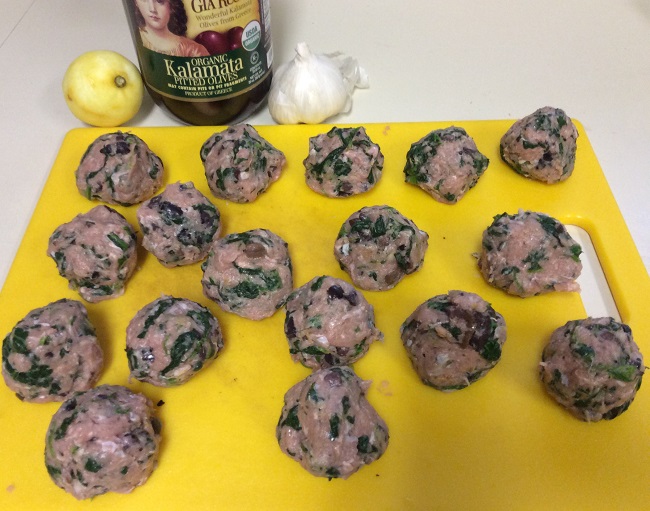
I chose to transform these burgers into meatballs which better support my serving size needs. Turkey is an agreeable alternative to the normal beef and is the perfect compliment to the other Greek-themed ingredients.

Without further ado, here’s my new favorite meatball recipe:

Greek Turkey Meatballs

Ingredients

1 pound lean ground turkey

1 cup frozen spinach, thawed and squeezed dry

1/3 cup Kalamata olives, chopped

1 ½ tsp lemon zest

1-2 cloves garlic, minced

½ tsp dried oregano

Salt and pepper to taste

½ cup chicken broth or water

Tzatziki Sauce for serving

Method

Combine all ingredients in a large glass bowl using gloved hands to mix well. With a large cookie dough scoop, press the meat mixture into the scoop using the side of the bowl. Release meatball into your other hand to round out the flat side; place onto a plate and repeat until all meatballs are formed.

Use avocado oil to coat a large skillet on medium-high heat and brown the meatballs on all sides. Brown meatballs in batches, if necessary, to prevent over-crowding during the cooking process. Return all browned meatballs to the pan, lower the heat, add broth or water, cover, and simmer until cooked through.

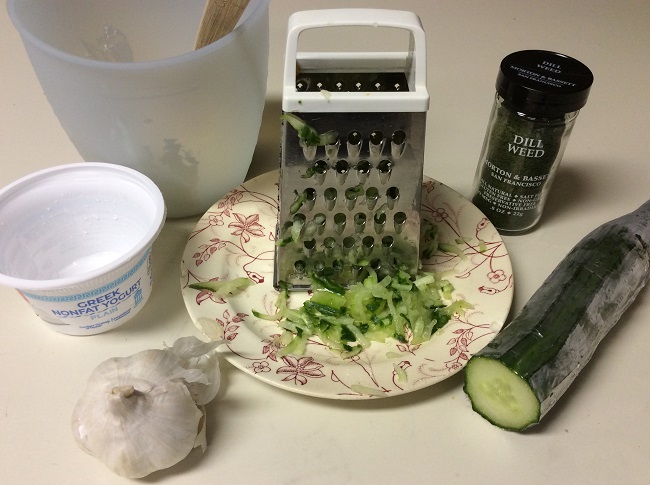
Tzatziki Sauce

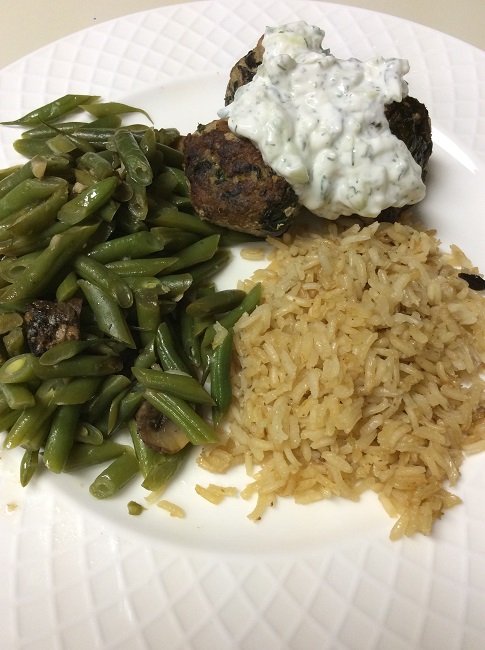
Serve with Tzatziki Sauce. These go well with rice and a side salad.

This recipe checks so many boxes for flavorful, nutritious ingredients. Hope you enjoy it.

In health-

Deidre

We welcome all new subscribers and hope that you are enjoying your new subscriber gift, “25 Easy Tweaks for Better Health.”

Claim your new subscriber gift by scrolling to the bottom of your phone screen and clicking on the SUBSCRIBE button. If you are using a computer, the SUBSCRIBE button is on the left side near the top of the screen.

You Better Watch Out!

It came not so softly in the night.

A little extra tired, maybe, from over-obligating myself, I was awakened around 4 am for the usual trip to the bathroom.

No big deal.

But something was off. Once in the bathroom, my hands started to tingle as if I had been hyperventilating. Hmmm. Better breathe into my cupped hands. But I was not hyperventilating.

The tingling spreads all over my body, and – was that sweat on my brow?

Okay. This is not going down well. I was starting not feel good. No. I was beginning to feel very bad.

Was this going to turn into diarrhea, or did I need to throw up? Any self-care plan would require movement on my part, and that somehow did not seem an option. My body had become weighed down by some invisible, mighty source of gravitational pull.

Was I going to pass out? I leaned my body away from the cast iron tub, just in case.

Summoning an energy I wasn’t aware I had at the moment, I pulled my long hair back into a ponytail away from my sopping wet scalp. My trembling body was, within a few moments, drenched in sweat.

Shake hands with the flu.

I am so thankful I had gotten my annual flu shot in September. Because of that protection, I did not become a statistic. The third death from the flu in North Carolina was reported that very week.

Fortunately for me, I was able to exit the bathroom without anything else happening, and I safely tucked my ailing carcass back into bed as I listened to strange gurgles rise from my tummy. Next morning, I felt a little beat up and just took things easy.

Flu is not an inconvenience. Flu knocks you down suddenly – and it can kill!

It’s not too late to get protected from the flu.

‘Nuff said.

On to the holidays.!

Being an avoider of intense sweets and gluten is problematic this time of year. During a recent group trip to Williamsburg with my church, I threw caution to the wind during the catered dinners.

I know, I know. I literally wrote the book on this – Toolkit for Wellness – but since I was gluten-free by choice and not by condition, I thought I could ‘cheat’ a bit if I did not get a bad belly.

No bad belly. Yay.

Oh, wait. A few days later, my joints were talking to me like I was suddenly a very old lady. What?

Well. The resulting inflammation, for me, came through the musculoskeletal system.

So, it was time to get right with my body, and it did not take long for the aches and pains to go away. Lesson learned … again. Everything is a choice.

But those of us not wanting sticky-sweet and gluten-y desserts do not have to be relegated to the veggie tray for celebration food. There are options.

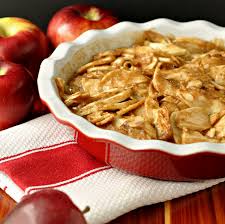
How about a crustless apple pie with streusel topping? Satisfies without going over the top. Check this recipe out that I created on-the-fly last week:

CRUST-LESS APPLE PIE WITH STREUSEL TOPPING

Instructions

Pre-heat oven to 350 degrees

Into a large bowl place:

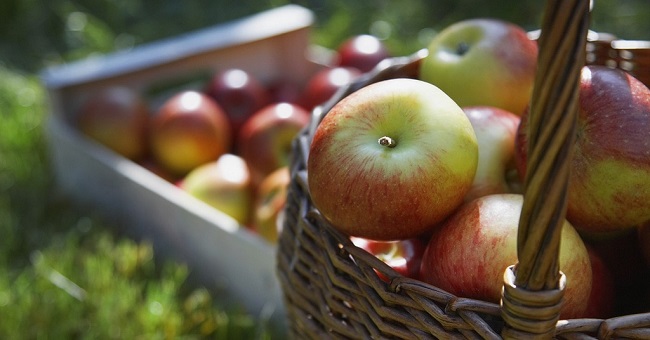
4 large apples, peeled, quartered, cored, and sliced horizontally. My apples were not baking ones, per se: Honey Crisp, Gala, and maybe another new flavor also just labeled Crisp.

4 Tbs. arrowroot powder

Brown sugar- sorry about lack of measurements, I just shook some over the apples; probably ¾ cup or less

Apple pie spice to taste

Stir and toss the apples around to evenly coat with dry ingredients.

Add some leftover cranberry sauce – maybe 1/2 to 2/3 cup – (Recipe for cranberry sauce to follow)

Mix apples and the cranberry sauce well and pour into a greased baking dish – mine was 12 x 8 inches.

In a medium sauté pan on medium heat place:

About one cup chopped nuts – I used walnuts and pecans

½ stick butter

About one cup gluten-free oatmeal, and

¼ – ½ cup brown sugar.

Stir to combine and to brown slowly. When warm and brown, distribute over the top of the apple mixture. Bake at 350 degree about 40 minutes or until evenly browned. I put foil over the top for the last ten minutes so the edges would not burn.

Serve warm or cold with a dollop of Plain Greek Yogurt. It’s great reheated.

In case you have missed previous postings of my cranberry sauce, here’s what I do that is well received every time I prepare it.

CRANBERRY SAUCE PLUS

Instructions

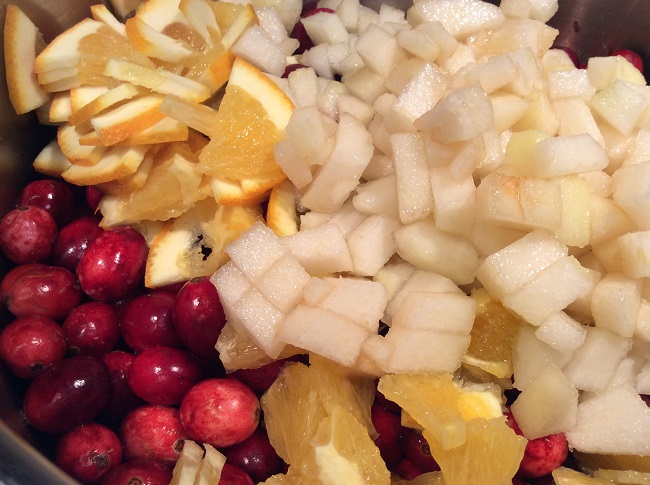
Into a soup pot place:

2 small bags of cranberries

One navel orange, rind at each end discarded. Quarter orange and thinly slice

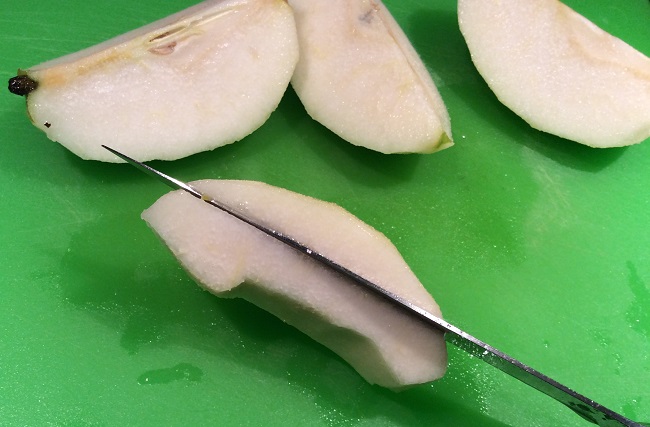
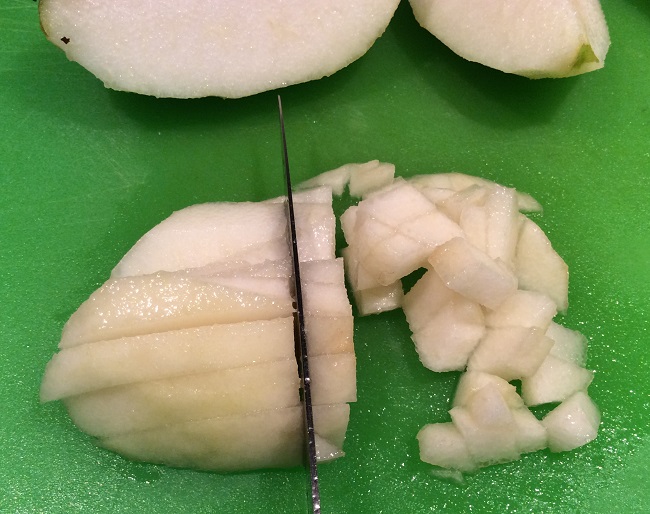
2 fresh pears – peeled, quartered, cored, and diced

1 cinnamon stick

1 cup sugar

1 cup water

Start cooking on medium heat. Then in a small saucepan place:

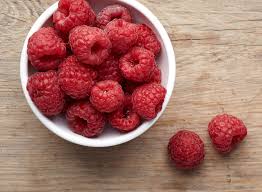
One container of fresh raspberries, rinsed

1-2 Tbs. water

1 Tbs. sugar

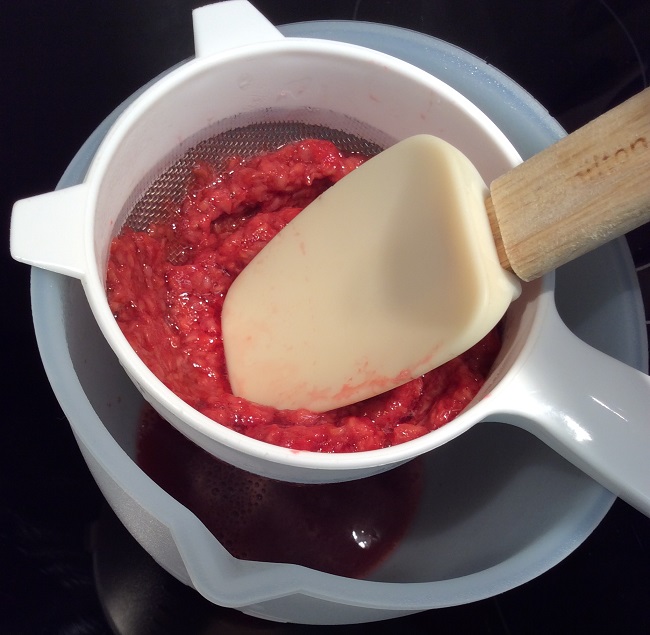
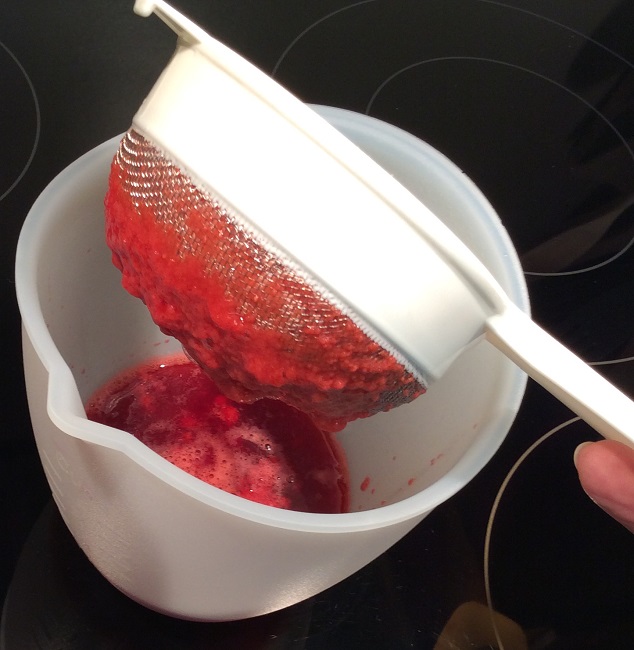
Gently cook berries on medium heat while stirring. This does not take but a few minutes. When berries start breaking down, place a large mesh strainer over the cooking cranberries, and pour raspberries and juices into strainer, draining into cooking cranberries.

Using a flexible bowl scraper, mash the berries through the strainer. Scrape the berry essence off the back of the strainer and put into the cranberries. This takes a bit of mashing, scraping, mashing, scraping. You will have a mass of seeds and just a little bit of berries left in the strainer which you will discard.

The effort to create the raspberry essence is worth it. The essence adds that certain something to the sauce … all without pesky raspberry seeds.

Stir the cranberry sauce mixture occasionally, helping to pop cranberries on the side of the pot. Gradually reduce heat as the sauce thickens and bubbles more intently. When berries are all popped and things look ‘just right,’ your work is done.

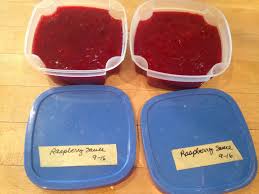
Transfer to serving bowls and/or storage containers to cool. This sauce keeps quite well and can serve as a not-so-sweet spread on toast or in a turkey sandwich.

The edgy tartness of the cranberries is countered by the gentle blunting of the pear and raspberry flavors. The orange slices with rind seem to candy in the juices. Folks who are not partial to cranberry sauce really like this one.

So, you better watch out – get those flu shots, and enjoy some excellent Cranberry Sauce and Crust-less Apple Pie!

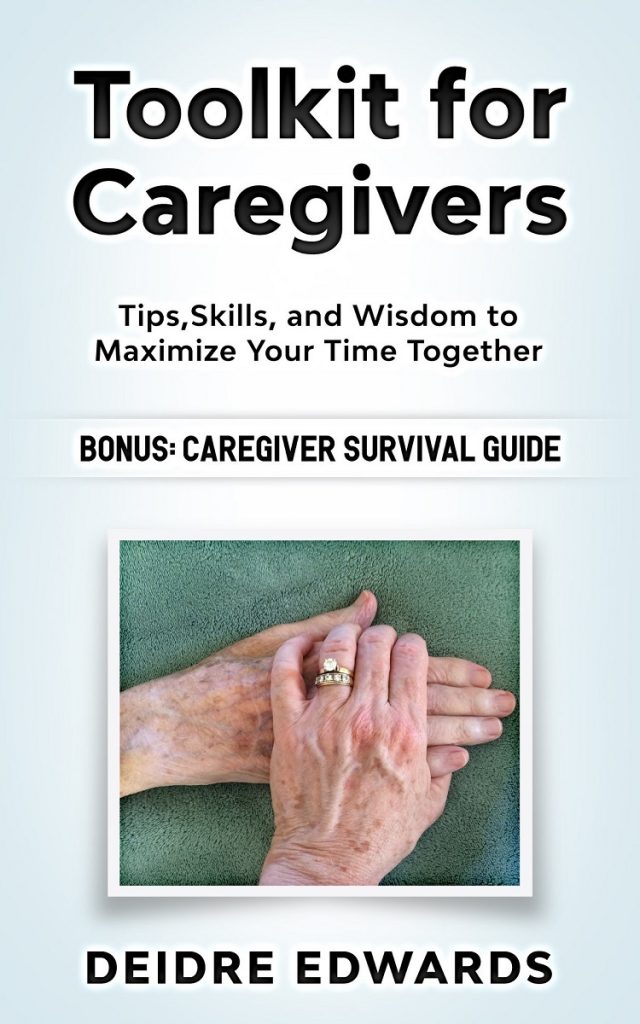
Book sales for Toolkit for Caregivers is trending as gifts for family, friends, and neighbors who are facing caregiving or are in a time of caregiving. There could be no more thoughtful gift to give such a person. They don’t need a plate of cookies – they need help.

A recent customer had tears in her eyes as she described her gratitude for her Toolkit for Caregivers gift. Her husband’s Alzheimer’s Disease is worsening and reading her book and implementing the suggestions – especially for the business side and for self-care – has meant the world to her.

Click here to access Toolkit for Caregivers and here to access Toolkit for Wellness, both perfect gifts of hope and help.

Wishing you and yours a safe, healthy, and happy holiday season-

From Deidre who writes and Sheree who makes things beautiful.

Don’t miss even one FoodTalk4You.com newsletter! Look for the sign up to the left of this page above.

And Now – The Unknown Pumpkin! (Applause)

Let’s be grateful for pumpkin!

How many people are you serving at dinner – or breakfast? As an empty nester, I used to think cooking for just two called for making substantial quantity adjustments. Geez. Try cooking for one.

I can well understand why single people grab prepackaged one-serving meals.

So far, I have resisted the temptation. If keeping a happy belly is high on your list as it is mine, prefab food fails on so many levels. In addition to the endless list of additives and other unidentifiable ingredients, most packaged food is also awash in gluten.

I am left trying to prepare smaller quantities and/or eat the same thing once or twice a day – perhaps disguised as something else – until the leftovers are gone.

So, when pumpkin was calling me like a siren from the deep, I knew I needed something versatile.

Something I could dress up – or down – according to my need.

Not a pie – not a cake – not a pudding … 

Something that would be nourishing and possibly sport additional protein. Hmmm …

Inspired by the Food Channel cook off chefs who grab a little of this and that, I set to work.

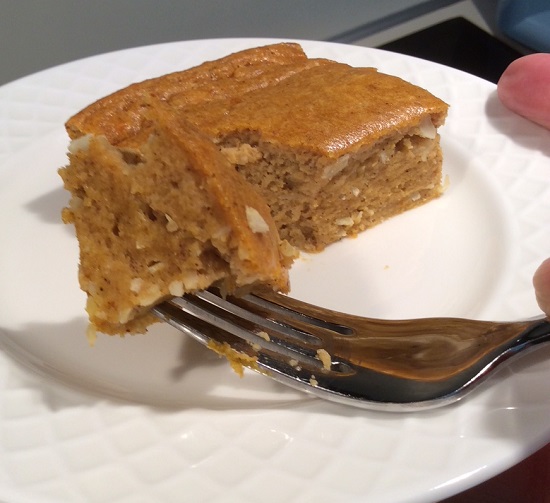
The result was – not a pie, not a cake, not a pudding … It was perfect and served as breakfast more than once. When it wasn’t breakfast, I decorated a square of it with a dollop of pudding and called it dessert.

I was going to remake this using more accurate measurements, but have not had the time as preparations for the local Holiday Gift Show have been all consuming. My booth will be beautiful and will feature bookmark Christmas tree ornaments!

So, here it is: my no-name pumpkin thing concept recipe.

Pumpkin Bake That Looks Like Breakfast – Unless It’s Dessert

Ingredients

6 eggs

½ cup of Half and Half … Or three good splashes or so

Vanilla

Cinnamon

Pumpkin Pie Spice

Salt

3 Tbs. melted butter – I measured this … shock!

Maple syrup/brown sugar – Quantity is a little tricky, here. I’d say 1/4 to 1/3 cup of brown sugar and a splash of maple syrup. This is not meant to be sweet, but to maintain a delicate balance between sweet and not dominating the pumpkin flavor.

½ – ¾ cup Almond flour

3 Tbs Collagen hydrolysate

½ can Pumpkin

½ cup unsweetened coconut flakes

Method

Grab a large mixing bowl and an immersion blender.

Add all the ingredients, blending to combine well.

Bake 350 degrees in a greased square pan for 40 minutes/until a knife comes out clean when tested in the center.This pumpkin bake checked all the boxes for versatility, flavor, protein richness through the eggs and collagen, and provided much needed pumpkin factor without a lot of sugar.

I could see making this for a crowd by using the full can of pumpkin, ramping up the other ingredients, and using an oblong baking dish. If you are fortunate enough to have family in for Thanksgiving, you could nibble on this all day while cooking the holiday dinner.

How’s your gratitude journal doing? You don’t have to have a journal dedicated to gratitude. Keep it simple. Jot a thought or two down each day on your calendar. My daily planner has an abundance of room in addition to the space for appointments and goals.

How about starting today? From now until Thanksgiving – a couple things each day that fill our hearts with gratitude – right there on your calendar or planner.

Today: I loved my short walk to the lake and the feel of fall sunshine on my face. I am so grateful for eyes to see the leaves of my dogwood trees turn this amazing shade of red.

How about you?

In health and gratitude-

Deidre

Don’t miss even one FoodTalk4You.com newsletter! Look for the sign up to the left of this page above.

If It’s Tuesday, It Must Be Brussel Sprouts!

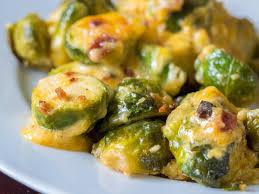
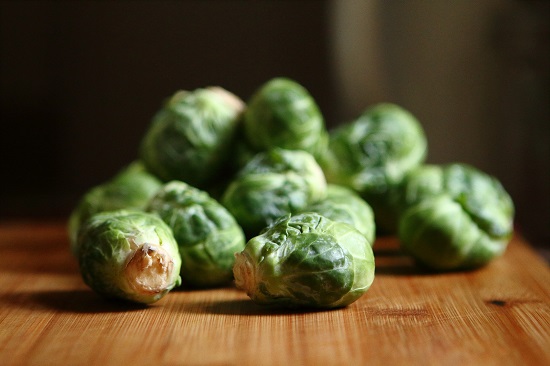
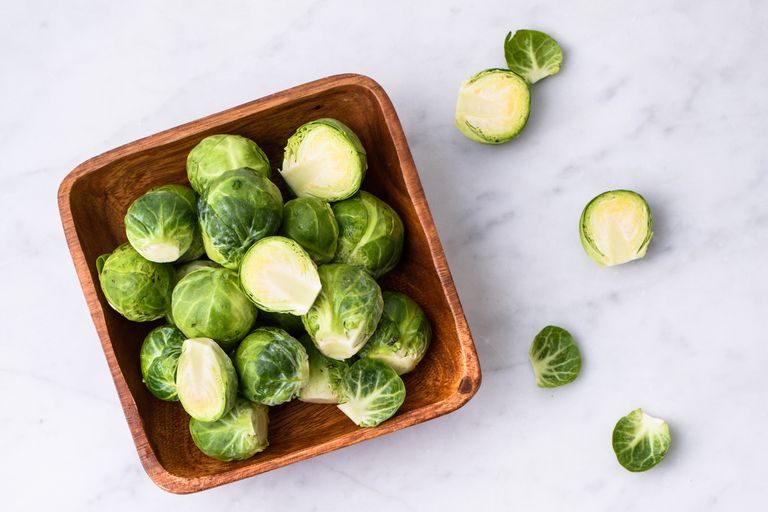
Did you grow up with your mom disguising Brussels sprouts under an ocean of Velveeta cheese sauce? Haven’t had Brussels sprout since then, right?

Well, those darling orbs of cruciferous goodness are making a comeback. Stylish restaurants are spotlighting their unique versions – sans Velveeta cheese sauce – and are delighting their patrons.

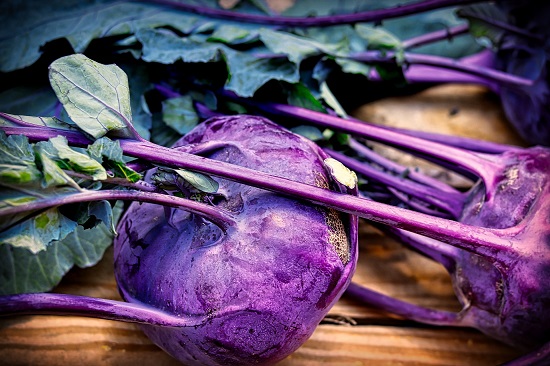
kOHLRABI

Before sharing recipes, let’s get acquainted with this intriguing mini cabbage.

Some of the best summations I have found for these cruciferous vegetables calls them “Super Veggies,” as well as other equally positive descriptions. This ancient family of vegetables, which can be found all over the world, include:

  1. Arugula
  2. Bok Choy
  3. Broccoli
  4. Brussels Sprouts
  5. Cabbage
  6. Cauliflower
  7. Collard Greens
  8. Kale
  9. Kohlrabi
  10. Maca
  11. Mizuna
  12. Mustard Greens
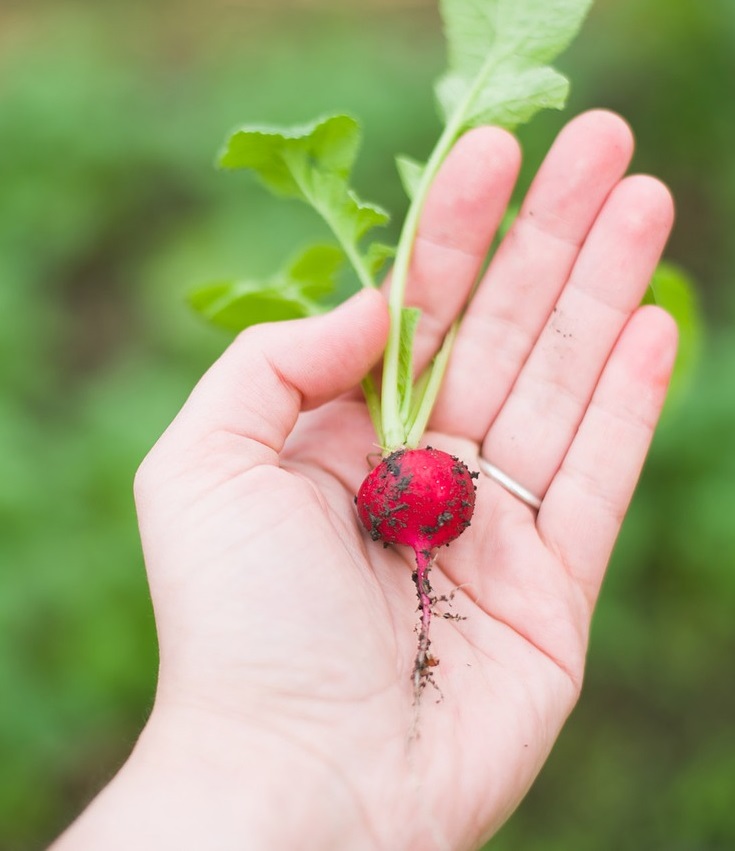
  13. Radish
  14. Rutabaga
  15. Turnip
  16. Watercress

Since even before 4000 BC, these foods from the Brassicaceae family have been used, not only as food, but also for their curative properties.

Some of the benefits of cruciferous vegetables:

  1. Contain cancer-fighting compounds
  2. Reduce inflammation
  3. Regulate blood sugar
  4. Promote weight loss
  5. Enhance heart health
  6. Promote Estrogen balance

The benefit that stands out for me is the reduction of inflammation. As I often remind readers, inflammation is the cornerstone for all disease. Curb inflammation and you’ll go a long way in preventing disease processes.

The blood sugar regulation and weight loss benefits are largely due to the high-fiber content of cruciferous vegetables. Also, all these vegetables have high values in vitamin C and K, as well as many necessary minerals. It’s not as common to find these types of beneficial fatty acids outside of fish, meats, and nuts. Anytime we can consume them, it’s a good thing.

The only downside to using them in your diet is there can be an issue with flatulence. That’s medical jargon for gas.  We are advised to eat only one or two servings of these vegetables a day if gas is an issue.

Having said that, Brussels sprouts don’t bother me so much at all; whereas, cabbage is another story. Individual differences abound.

Enough of the science of Brussels sprouts and other cruciferous vegetables, let’s get on with the story.

You know how, when you are on vacation and are in different towns, states, or countries, you generally want to eat at local establishments? Forget chain restaurants; those you can get at home, right?

One exception for me is Bonefish Grill. We do not have one anywhere near my town; so, when I vacation to Myrtle Beach, South Carolina, at least one trip to Bonefish Grill is going to happen. That was the case recently.

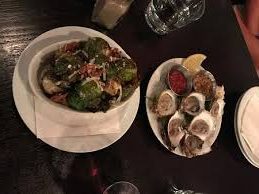
My friend ordered a side of their highly touted Brussels sprouts to go with her oysters. Her taste buds were doing a happy dance after the first bite. Already a lover of Myrtle Beach’s T-Bonz Restaurant Flash-Fried Brussels sprouts, I was intrigued.

Fortunately for me, there were two sprouts left over from my friend’s dinner, so I did the only right thing possible – I ate them.

Oh, my…

We plied our waiter for as much recipe information as possible; but I’m sure he was sworn to secrecy. We could correctly identify the lemon element, and he very vaguely described some kind of sauce they served to bind everything. I could tell there were other ingredients though. They were on the tip of my taste buds …

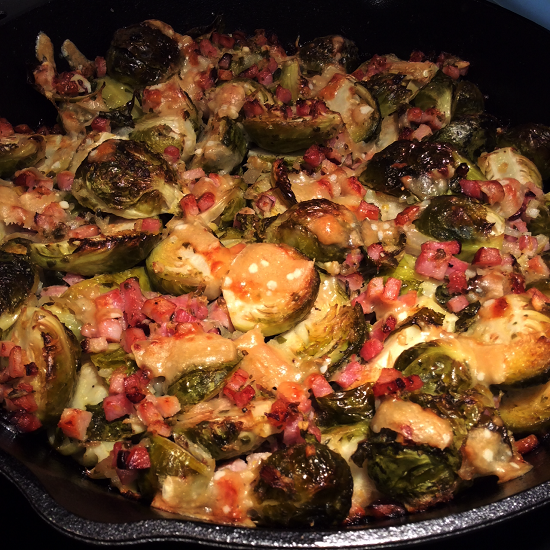
Well, while I’m still Googling knock-off recipes for Bonefish Grill Brussels sprouts, I did manage to cobble together a decent concoction worthy of sharing – so here it is:

Brussels Sprouts A La Bonefish Grill 1.0

Preheat oven to 400 degrees.

Lightly oil baking dish – I used a 12-inch cast iron pan

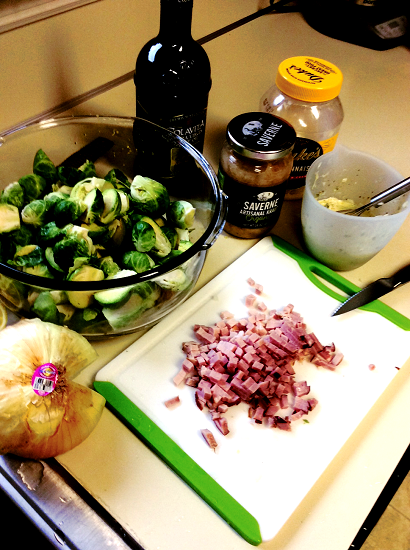
20 Brussels sprouts- smaller ones are best, washed, trimmed, and cut in half

½ cup cubed ham

1/3 cup mayo

3 Tbs. finely diced onion – I used Vidalia, but an online recipe used the whites of three green onions

½ cup sauerkraut, drained

½ cup olive oil

1 Tbs. lemon juice

Zest of one small lemon

1 clove garlic, minced

2 tsp. dried basil

Fresh ground black pepper to taste

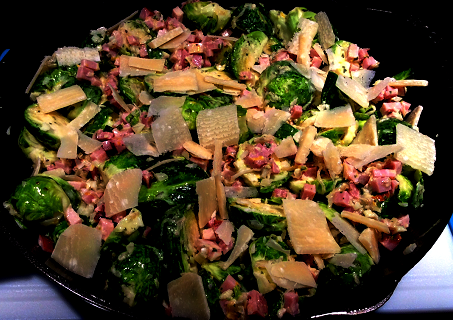
Parmesan/Asiago cheese to thinly shave on top of the prepared and dressed Brussels sprouts in the baking dish.

Prepare Brussels sprouts and place in large bowl with half of the olive oil. Toss to coat evenly.

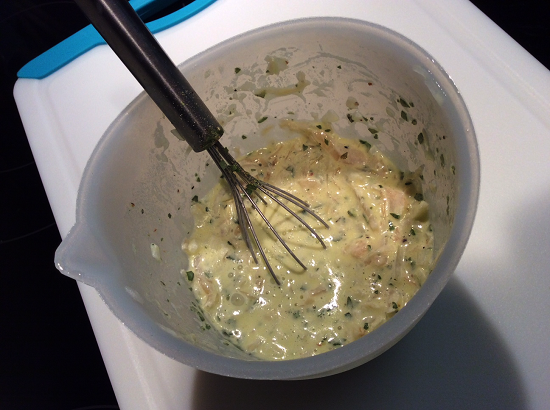
In a small bowl, combine the remaining ingredients stirring often.

Pour sauce over Brussels sprouts, toss to coat evenly. Transfer to baking dish.

Sprinkle shaved Parmesan/Asiago cheese over the top.

Bake about 30 minutes or until browned on top.

Enjoy.

This could be a one course meal.

Is this just like Bonefish’s famed side dish? Well no, it’s tantalizingly close.

Are you tweaking your recipes to a healthier bent for the coming holidays? Let me know what you are doing to make taste bud magic with less sugar and healthier ingredients in the comments section below.

In Health-

Deidre

Taming The Blueberry Muffin

Are you already battling holiday dessert binging? Those five-ten pounds around the waist from December indulgences are just sprinkles on the cake of sugar-laden devils disguised as fall treats, Halloween treats, and Thanksgiving must-haves already expanding our middles.

Just like clockwork, recipes are starting to populate my Facebook feed. It starts with cheers for all things pumpkin, and rapidly morphs into a parade of dazzling desserts – each one more tempting than the last. The thicker the cream cheese frosting drizzled with caramel, the better.

One specific recipe a friend shared on her Facebook feed, came from a site with the word “healthy” in it. Get this. The recipe sported 2 cups of sugar.

Not healthy, dear friends. Not healthy.

Better habits start with an environment that supports those habits.

There’s no effort to walking more if you are at the beach, when the sand beckons walkers of every ability, with an endless expanse of wave-lapped wonder.

There’s no effort to refrain from drinking sugary sodas if there are none to be found in your kitchen. Make your biggest decision reflect what flavor of bubbly water you want to drink.

Are there to be no muffins, cakes, puddings, or desserts ever again?

Certainly not!

My goals with treats – treats are not daily happenings – is to make sure they have as many healthy ingredients as possible in them; make portions naturally smaller, and to share most of the treat with others so I will not be tempted to “treat” myself every day – because I deserve it, right?

There is also a carb lure come cooler temperatures – even before Facebook – somehow those summer salads give way to baked squash, potatoes, hot soups, and all those baked confections featured on the covers of magazines such as Sunset and Southern Living.

Case in point.

I do love a good blueberry muffin, but even using my favorite gluten-free Krusteaz box mix still seems more indulgent than necessary. Gluten-free does not equal guiltlessly-good-for-you.

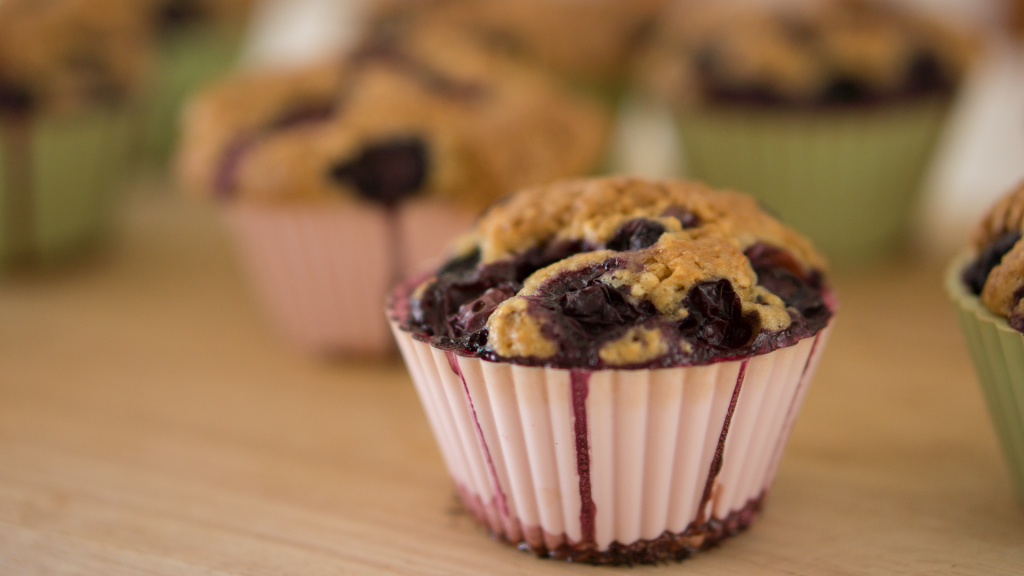
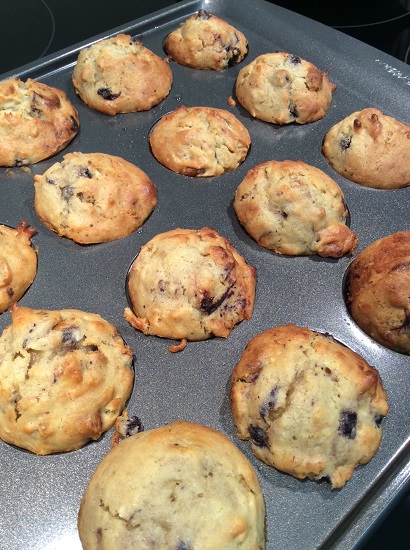
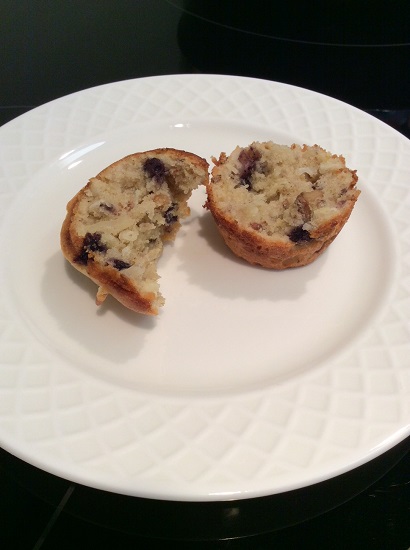
Enter my ramped-up, mini-muffins born of a gluten-free box mix. These babies have the bonus of:

1) Collagen powder full of every amino acid – thus making a high-protein addition. Learn more about collagen HERE

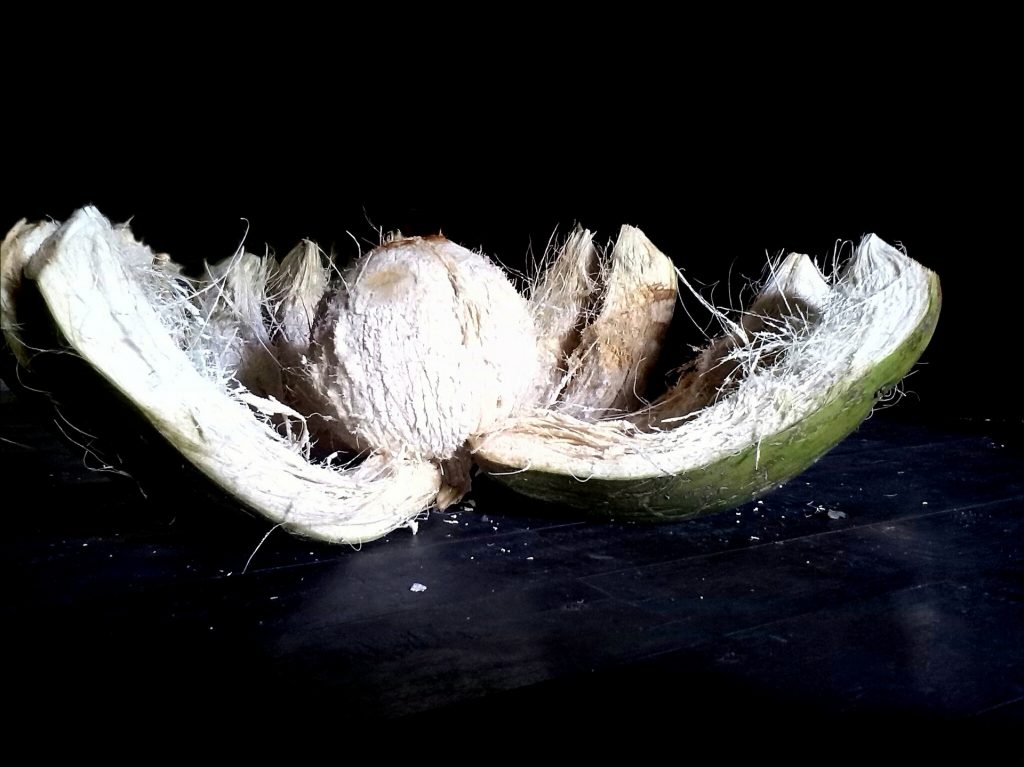
2) Unsweetened-but-naturally-sweet shredded coconut is:

  • High in fiber to keep you feeling full longer and for easy digestion (see my article on fiber HERE)
  • A good source of minerals
  • High in fat BUT it’s from lauric acid, which is associated with good cholesterol

Learn more about coconut HERE and HERE:

3) Walnuts – which are an amazing source of Omega 3 fatty acids and fiber. Learn more about walnuts HERE:

So, let’s get cooking by starting with a mix – making it better, and controlling portion size.

Almost Homemade Gluten-Free Blueberry Muffin Mix

Preheat oven to 400 degrees or 375 degrees Convection

Grease 24 count mini-muffin pan

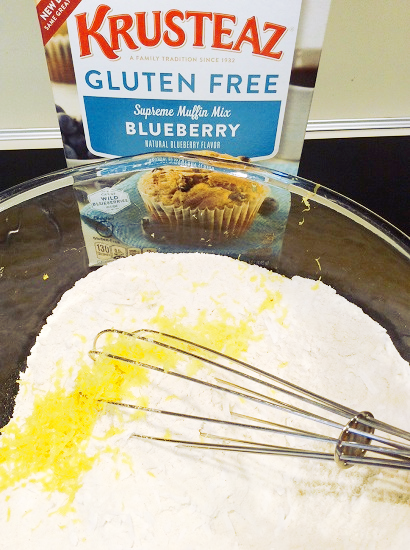
1 box Krusteaz Gluten Free Blueberry Muffin Mix

Blend in:

1 large handful of unsweetened shredded coconut – approximately ½ cup

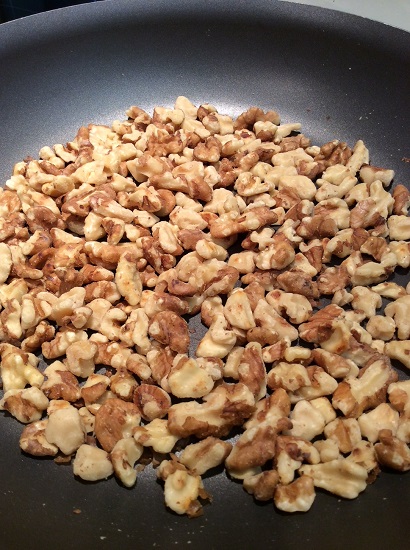
1 large handful of pan-toasted walnuts (about five minutes in sauté pan, stirred frequently to avoid burning) broken up into small pieces- approximately ½ cup

Zest of 1 medium lemon

2-3 Tablespoons of Hydrolysate Collagen Powder

Follow package directions, adding:

¼ cup water

1/3 cup melted butter

3 eggs

I also add the juice of ½ of the lemon

Stir enough to incorporate all ingredients.

Fold in the rinsed blueberries provided in the mix

Spoon the batter into the prepared muffin pan and bake 11-13 minutes for mini-muffins. Use a toothpick to check for doneness.

Let muffins cool in the pan for two minutes, then loosen each from its spot and tilt in place to finish cooling. Gluten-free baked goods can get “steamed up” if left in place without air to circulate around them during cooling.

Freeze a dozen. Give six to your neighbor. Eat six over a few days.

Enjoy your treats!

In health-

Deidre

Also check out: deidreedwards.com

Fiber, Poo, and You!

It’s all about striking a balance!

There’s always a new cliff to jump off. We are hounded by diet philosophy mongers all the time. New buzz words rain down on us until we are buried under an avalanche of do this, do that.

Keto. Whole grain goodness. Intermittent fasting. Vegan. Grass fed. Free range. Organic. Non-GMO. Whole 30. Low carb. Sugar free. Low fat. Non-dairy. Gluten free. Aaaahhhh!

I just want to feel good, keep excess pounds off, maintain a stable blood sugar, keep my bones strong and muscles functioning, avoid poisonous food or activities to allow my body to be naturally disease free, and … something else to be mentioned in a minute.

That’s why I avoided labeling my approach to eating in Toolkit for Wellness as anything other than anti-inflammatory. Labels can be problematic.

It’s just not food either. We are a complex whole. Deprivations or excesses in one area of our life puts everything else out of kilter.

Added to the fact that none of us has ever been this old before …

What worked in our thirties might not work for us in our forties – etc., etc.

Therefore, we seem to always be adjusting to make things balance out. Never a dull moment. Every day sees us coping with physical changes we may not know are even happening.

Which brings me back to my other goal. Usually commercial ads about this are aimed just at the senior sector of our population; but this issue traverses all age categories. It’s something that even concerned my high school students. What is it?

Regularity. Constipation.

Poo.

It’s a topic that’s vital even to infants (I remember my constipated babies – what anguish for everyone) and to everyone, every day – for as long as we live.

Again, it’s a complex topic. The standard approach is:

  1. Drink enough fluids
  2. Get enough exercise
  3. Eat enough fiber
  4. Control stress (that’s my addition)

Chronic constipation can set us up for hemorrhoids, irritable bowel disease, and colon cancer. Also makes for feelings of discomfort and general malaise. Not fun.

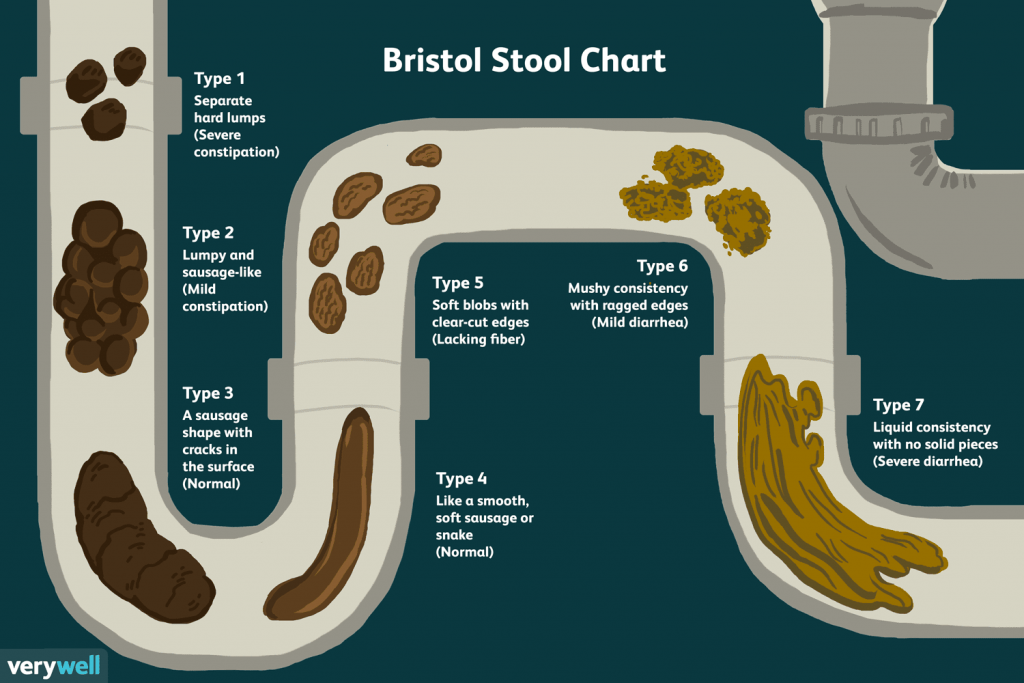
There are even issues beyond constipation – this is going to get a little graphic, here – there are issues about the quality or texture of the Bowel Movement (BM).

Let’s delve into this dinner-table-taboo topic with the Bristol Stool Chart

It is possible to be as regular as clockwork, but terribly constipated.

Where are you on this scale?

After going gluten-free and restricting starchy carbs for several years – and feeling so much better – I seemed to enter a new phase of regularity with constipated results. (Talk about airing dirty laundry … but folks, I’m doing this so we can learn).

Were the several years of caregiver stress – followed by widowhood – a factor? Certainly.

But this was no way to live. What could I do? Join the Metamucil-for-lunch bunch? Nooooooo!
After much trial and error, the results are in! LOL
As I sought to restore balance within my body, I have come to soften some of my previous approaches:

  • Gluten-free remains a priority (helps me avoid most sweets at gatherings and unnecessary bread-y starch)
  • I am opening the door to some legumes in regular consumption of hummus and chili beans
  • Eating some 5% fat, plain Greek Yogurt each day, which feeds the microbiome in my gut
  • Eating the whole grain goodness of quinoa – a gluten-free ancient grain that is so versatile hot or cold, sweet/savory/or plain
  • Sauteed, unbreaded okra slices, seasoned with Montreal Steak Seasoning, are a frequent fare and will “cure what ails you”
  • Eating Brussels sprouts year round
  • Modifying my super-low-carb approach by adding a slice of whole-grain, gluten-free bread to my morning or lunch open-faced sandwich (Sam’s brand found at Walmart on the top shelf of their bread isle is my absolute favorite)

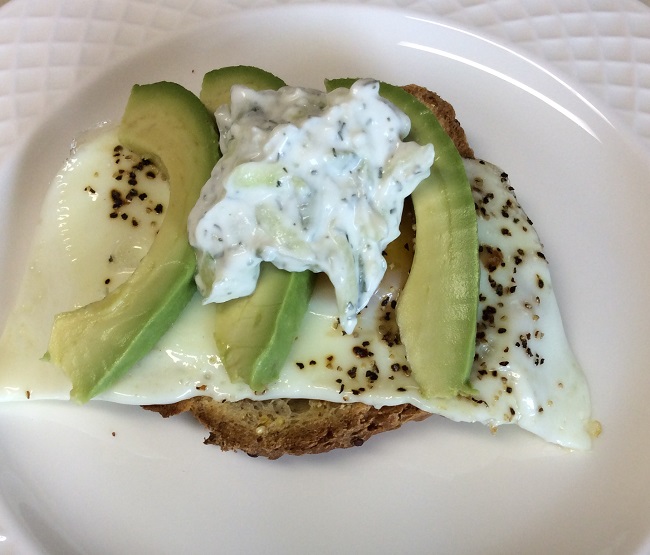
The final improvement has come – for me – through the additional, though small, addition of starchy carbs. My research today is showing, as well, that the avocado mash on my morning or lunch time toast is boosting helpful fiber, as well.

So, let’s look at fiber. Most people are getting about half what’s needed. Women should be getting 25 grams of fiber a day and men should be getting 38 grams.

Everything you ever want to know about fiber can be found HERE and HERE!

As a timesaver, let me summarize:

Fiber is the part of food not broken down or absorbed during its journey through the digestive system.

There are two types of fiber categories: soluble and insoluble.

Soluble Fiber

Soluble fiber binds with fatty acids and helps flush them out of the body – thus lowering bad cholesterol – and blends with water forming a gel-like substance in the gut, which helps lower blood sugar spikes.

Insoluble Fiber

Insoluble fiber helps to act as a bulking agent that speeds the passage of waste.

Together, both kinds of fiber slow digestion so that the sugar/glucose from food is absorbed more slowly – thus stabilizing blood sugars.

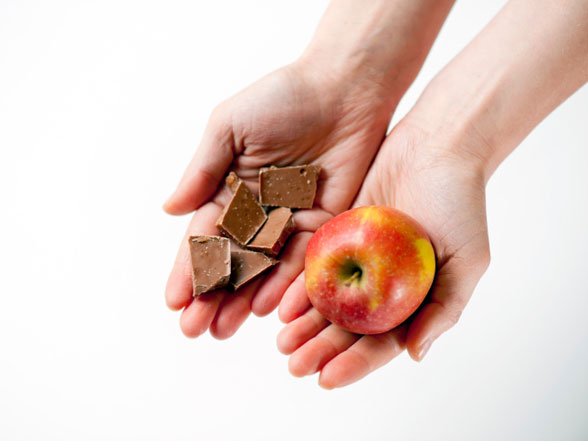
It’s the difference between eating a piece of candy or eating an equal amount of sugar/glucose in a fiber-filled raw apple. The candy will cause swings in blood sugar as the glucose is rapidly absorbed, insulin is needed, and blood sugar drops as insulin’s effect occurs. The apple will cause a slight rise in blood sugar over time because the fiber slows down the sugar/glucose absorption and the insulin demands are much lower.

Candy vs apple

Then, there are different actions that fiber can take.

Some soluble fibers are fermentable and serve as fuel for the (good) bacteria in our gut. The over 100 trillion bacteria found mostly in the large intestine are ground-zero for zillions of chemical, hormonal, and nerve reactions and communications happening in the body. Research is showing that dysbiosis in the microbiome of our gut (the good bacteria) is resulting in or is a contributing factor to auto-immune disease and much more. Feeding these friendly warriors is very important to good health.

Fermentable fibers are found in beans and legumes. The byproduct of this fermentation is gas. Great.

Then there’s viscous fiber that forms a gel when blended with water. This gel slows down the digestive process which allows for a feeling of fullness and satiety for longer periods.

Think chia seeds in water. Think okra.

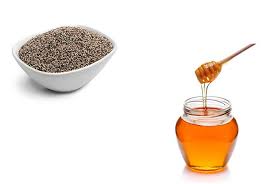
This viscus/soluble fiber is also found in legumes, asparagus, Brussels sprouts, oats, and flax. Just a tablespoon of chia seeds in water and flavored – or not – with a dab of honey will turn into a gelatinous treat that will hold you all night and “do your body good.”

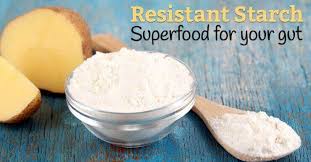
Many of you may not have heard of this next one: Resistant starch. Used to be that I’d just shut the door at any idea of consuming starch. Starch is the main carbohydrate in the diet. Think potatoes, foods made with flour, and rice.

Resistant starch is a carbohydrate that functions like fermentable fiber in the gut. Have I grabbed your attention yet?

Yes. Under the right conditions, this starch (boo!) resists digestion and passes through the digestive system unchanged (yay).

Resistant starch improves digestive health; improves insulin sensitivity; lowers blood sugar; and helps to decrease appetite.

Resistant starches can be found in:

  • Green bananas (sure)
  • Legumes (think pinto beans…and gas)
  • Cashews (yay!)
  • Raw oats (Trail mix?)

…and…drum roll…

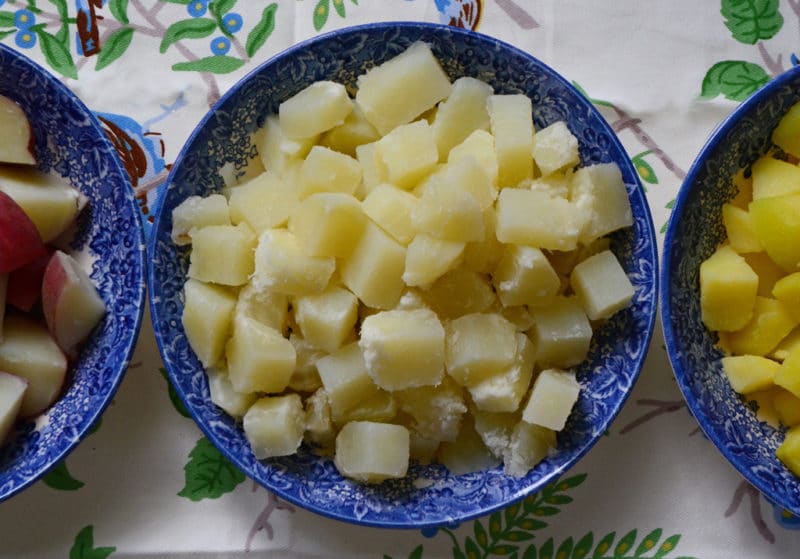
  • Cooled cooked white potatoes and white rice!

What? Yes! Think cold potato salad. Think white rice in salad. Heck- think sticky rice in nori rolls!

Ah, but remember the balance.

Deidre from Foodtalk4you is NOT saying to sit down to a bowl of potato salad.

What I am saying is that there are options that should be used to strike a balance, and that having a 3 or for 4 Bristol Stool result in the bathroom can be a measuring factor for that balance.

‘nuf said

In health-

Deidre

PS: Don’t forget to sign up for our newsletter on the left-hand side!