
Category Archives: Stress Reduction

Kindness – Part 1

Amazing!

It’s amazing how going to the emergency department with a loved one in the wee hours of the morning — and staying with them through a three-day hospital stay — can suck every ounce of energy out of me.

We had both become our own version of the walking wounded.

Even with improving outcomes already evident and more on the horizon, we just don’t bounce back — full speed ahead.

Today, back at home for two days, we were continuing to treat ourselves with compassion and low expectations.

Seated in my home office, my immediate goal was simply to clear out four days of emails — nothing more.

When I opened one from a favorite, trusted resource and followed the summaries and links, I found such inspiring content that it sparked the energy to begin creating a new series for you —focused on kindness.

Each of these missives will be brief because there will also be a video to watch or an exercise to follow that will flesh out my message.

That afternoon, there was zero energy in my body, mind, or spirit. Midway through deleting emails, I even looked up and said “Yes!”, which provided a little more forward motion, but – today – I needed something more.

I needed a warm, fuzzy hug to my soul.

What I discovered was just that. I found deep self-compassion, personal peace, healing, and inspired energy!

Here’s what to do: find a quiet space, click on this Loving Kindness Meditation, and experience a total reset in 13 minutes and 25 seconds.

Loving kindness meditation:

Hearing ourselves say the words of this meditation out loud provides another sensory way to absorb its meaning. I know you may want to refer to these words when not following the video, so Sheree has prepared a free printable download for you below.

Once you follow along with the meditation video, I hope you will agree that it can serve as an approach to regular warm, fuzzy hugs for ourselves and others.

In health –

Deidre

Our subscribers can count on not being bugged with pop-ups or endless sales emails. When we send you something, it’s the link to our weekly blog – or occasionally – a thank you containing additional useful information. Reach out to me in the comments below or email me at Deidre@deidreedwards.com – your questions and comments are always appreciated!

Activity vs Exercise 

Yes, but I’m active!

Time for true confessions.

I am strongly inclined to being active. I am not strongly inclined to formal exercise.

I walk fast – even from room to room at home. Outdoors, if I walk slowly to match the pace of someone else, it feels exhausting to me – add some speed, and I am happy.

My workspace at home is upstairs. I happily go up and down those stairs a dozen times a day or more.

Sitting for long periods without getting up? No! Keeping up with regular breaks to move around is easy!

Move heavy boxes and do yard work? Sure!

Touching toes? Done!

Planks? Can do!

Stand on one foot? Absolutely – but best with my eyes open! (see post on 8 April about Flamingos).

Planning my day around vigorous exercise at the gym, getting sweaty, and needing another shower … not so much since I moved into my new house.

But bone density issues and a rise in cholesterol numbers this past year do not lie.

I had allowed myself to hold onto the false idea that being active and nimble would, at least, keep the wolf on the other side of the door. Not so much.

The NIH put it this way (bold print is my emphasis):

Physical activity is defined as any bodily movement produced by skeletal muscles that results in energy expenditure … Exercise is a subset of physical activity that is planned, structured, and repetitive, and has as a final or an intermediate objective the improvement or maintenance of physical fitness. Physical fitness is a set of attributes either health – or skill-related.

And Britannica points out:

Exercise is a component of physical activity. The distinguishing characteristic of exercise is that it is a structured activity specifically planned to develop and maintain physical fitness. 

(Over the centuries…) Although the level of general physical activity has declined, most observers feel there have been increases in exercise participation in many countries since the late 1960’s.

So, I’ve returned to the gym, and now I use visualization techniques to stay motivated —imagining myself knocking out cholesterol molecules with every elevated heartbeat on the treadmill, and strengthening my bones with each added weight or resistance exercise.

Bam! Bam!

Build! Build!

It feels like a construction zone. And it is.

Don’t be lulled into thinking being nimble, agile, and generally active will replace … ugh … getting sweaty at the gym!

I already needed to rinse off after that two-mile walk this morning – guess I’ll wrap up the day with a stint at the gym before heading to the showers.

Gotta slay more cholesterol and strengthen those bones!

In health and sweat –

Deidre

If you liked this post, you can share it by using the options under the MORE button below. Yes, but I’m active!

Dutch Dementia Care

It takes a village

Have you noticed the growing trend of planned urban developments in cities? These are neighborhoods intentionally designed so that housing, dining, entertainment, shopping, and even workspaces are all within walking distance.

This approach is becoming increasingly popular because it not only offers convenience for residents, but also helps reduce overcrowding in other parts of the city, by creating new amenities to support these communities.

With the silver tsunami of Baby Boomers hitting retirement age – coupled with the alarming rates of dementia and Alzheimer’s Disease on the rise – the Dutch have created an attractive alternative to standard assisted living facilities using the model of a planned community.

Here in the United States, I am familiar with a special form of assisted living called residential assisted living, which uses regular looking houses you would see in any kind of neighborhood.

My mom was fortunate enough to live in one for several years. Driving by that house, you would never know that six seniors lived there – each one surrounded by their own possessions in their own room – and being cared for by staff 24/7.

The Dutch have taken the residential care concept – and that of planned urban developments – to a whole new level

In this plan, all homes have six residents who need assisted living for dementia care. With fewer people and activity, a calmer home-like atmosphere is created.

As a former RN working in long term care facilities, I can remember how difficult it was for our confused patients to negotiate long, sterile corridors, and to take their showers in large, cold, tiled shower rooms, where sounds echoed off the walls – only adding to their agitation, confusion, and fear.

The creators of this dementia village in the Netherlands value their residents as people with goals and aspirations, not just people with a diagnosis of dementia.

Want to go for a walk? The pathways are safe; there is no way to get lost, and the perimeters are secure.

Want to go to a restaurant, a store, or the movies? The staff in each are trained in dementia care and know what to do.

They have created their own care village!

This is such a commonsense approach to a growing concern around the world. Part of the hesitancy of families to use long-term care involves the institutional feel of facilities. A village of homes with safe access to amenities just a walk away, honors the residents and can give comfort to the families.

Maybe some of our FoodTalk4You readers know of people in urban planning and long-term care planning who could study this approach.

In health –

Deidre

That’s our cue to share this post using the options under the MORE button below.

Sharing With A Purpose

There must be a lot of discontent at the workplace.

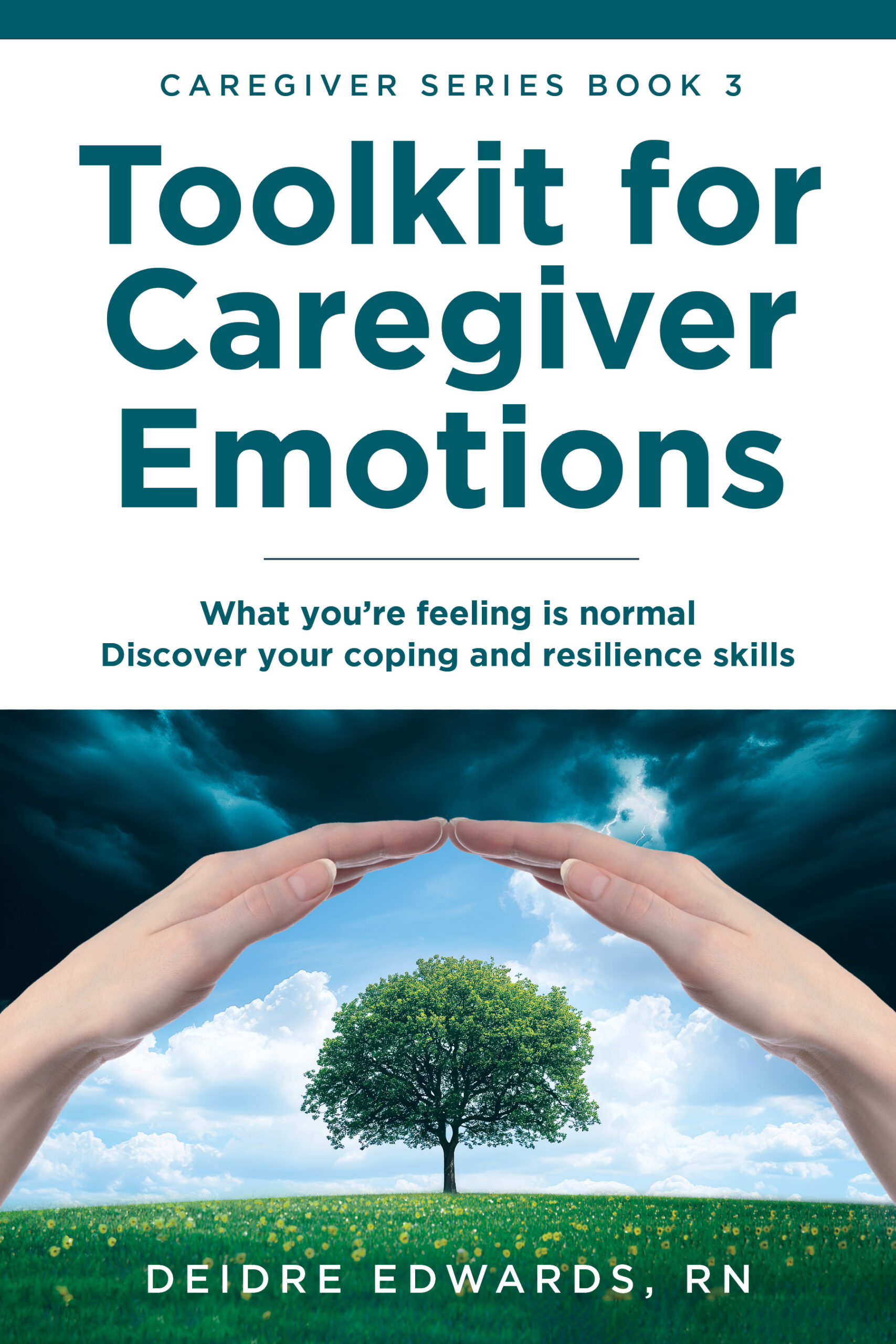
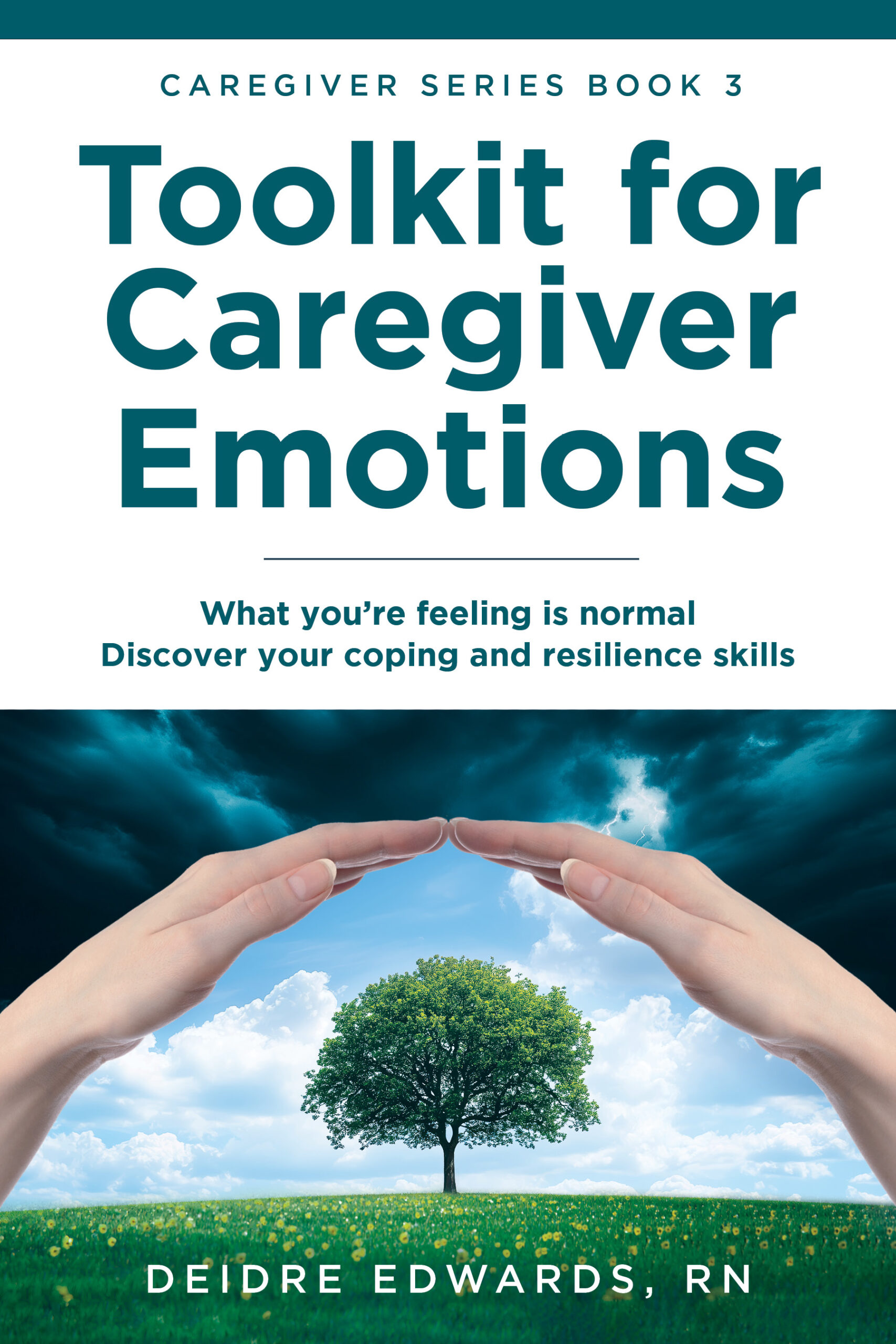
The self-publishing group I am using to get Toolkit for Caregiver Emotions launched on Amazon has an author Facebook page we use to celebrate milestones, build launch teams, and ask questions.

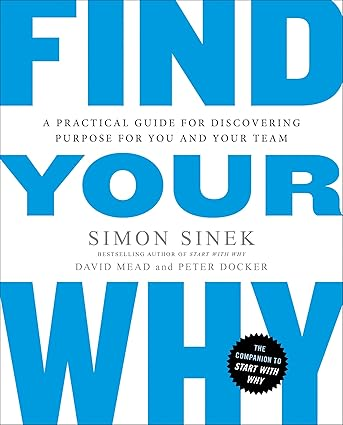
Just after I finished reading an advanced copy of a book about escaping the dissatisfaction of a typical job through personal discovery and finding a passion-driven career, I was invited to join the launch team for another book with a similar message, but a different approach.

Feelings of lack of fulfillment at work can become all consuming, creating a sense of drudgery and feeding poor attitudes. I have walked that path; have you?

How does anyone discover their passion and purpose?

Sages have long advised us to, “know thyself,” and, “to thine own self be true,” but many people are so focused on simply staying afloat, they rarely stop to consider whether the work that brings in their paycheck has any real connection to their true calling.

After taking a personality assessment or two …

Myers-Briggs Type Indicator, MBTI — Categorizes people into 16 personality types based on preferences like introversion/extroversion, thinking/feeling, etc.

DISC Assessment — Focuses on behavior styles, divided into Dominance, Influence, Steadiness, and Conscientiousness.

StrengthsFinder, now CliftonStrengths, — Identifies a person’s top talents and strengths.

Values in Action, VIA, Character Strengths Survey — Focuses on positive psychology and identifying a person’s key virtues and strengths.

People who want to hone in on their natural strengths to find a purpose, still need to spend time mindfully evaluating what brings them happiness and why.

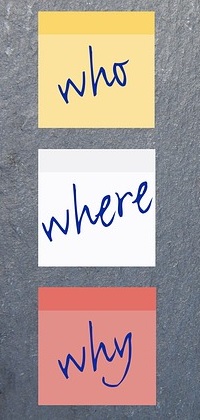
‘What’ followed by ‘why’…’why’…’why’

There’s a one-two punch that can help people gain clarity in discovering their unique purpose based on their answers to a ‘what’ question followed by – multiple – ‘why’ questions.

For example:

  • What part of your workday was the most fulfilling?
  • If someone shadowed you for a day, what would they say you’re great at?
  • What do people often come to you for advice about?

It’s fun to do this exercise, because after answering the what question, each subsequent why question seems to peel off another layer until the core value is revealed.

Funny, the inspirational seeds that grew into my first book, Toolkit for Wellness, were born from my answers to the last question above – and to all the ‘whys’ that followed.

If you are searching for clarity – really, about anything – then ask a what question about it and then start teasing away all the fluff through why questions to get at the core thought.

For additional what questions, GO HERE and for more information about starting with what, instead of why, check this out.

What do you do to share this post? Use the options under the MORE button below. Why do it? Because sharing is caring! Why? Because I’m always learning cool stuff on foodtalk4you and my friends need help, too!

In health –

Deidre

Wandering Through Quotes

Have you noticed the trend to start book chapters with a quote?

Maybe authors have often done that; but somehow, I am noticing it more and more – and I like it.

It’s a thoughtful way to introduce the theme of a new chapter. Like a soft opening.

As my next book’s edited manuscript nears readiness for the production team’s formatting, I realized that one of my initial goals — adding a fitting quote to introduce each chapter — hasn’t been fulfilled. Alas, I never got around to it!

Dare I delay sending the manuscript to production while I search?

Where is everyone finding these quotes?

Bingo! Ask AI! Duh.

I had always admired the effort authors would take to find such quotes, thinking they would still be stuck in stacks of quotation books.

But this is the 21st century, and if you want to find quotes about anything, your search is a click away! From Socrates to Twain to Angelou, your quest will find great quotes spanning the millennia on the same topic.

We frequently use the phrase, “dropped down a rabbit hole,” when researching, as one discovery often leads to another.

But after reading this article recently, I realized what I experienced in my quote quest was more like wandering. 

Wandering: meandering through a space with no plan, destination, or urgency – just enjoying the journey.

So, in addition to simply Googling and asking ChatGPT for quotes about various emotions and resilience, I meandered through this site and discovered all kinds of wisdom and reflection-inducing thoughts.

My noodling around was almost like a spring walk – without the sneezing.

If you need relief from today’s craziness, wander for a spell in the world of quotes to discover those golden nuggets from across the ages – without having to read individual tomes to extract them.

Then, get outside to wander a spell just to see what you can discover. The headlines will be right there when you come back, but you will feel refreshed.

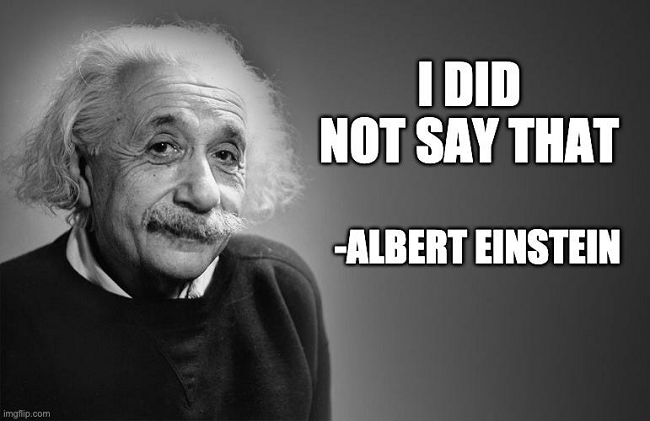
One word of advice though is, if you use the likes of ChatGPT to pull quotes from the databases of the world, double check to see if the cited author really said that. Sometimes AI will summarize an author’s collective quotes to reflect your query, and that quote you are given cannot be verified.

During my own research, I came across some incredible authors I hadn’t encountered before, and whose works are definitely worth exploring further.

Happy wandering!

In health –

Deidre

If this post was valuable to you, please share it using the options under the MORE button below. Thanks!

I Know A Place … A Very Special Place

My spot.

It beckons to me like sirens calling from the deep seas.

I always gladly yield to its call.

Come. Come outdoors. Come to ponder, to read, and to write. Do some soul work.

Ahhh!

I had just created that perfect spot in my former home. It became a mystic place in the freedom of the outdoors, which allowed equal freedom of my mind and heart.

Do you have such a spot? A place where you long to go that allows your mind to wander where it will, or to focus on deep truths that uplift and inspire you?

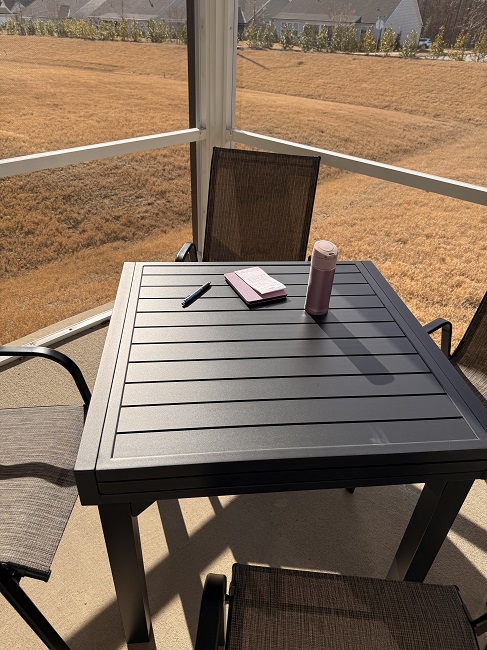
For me, such a place requires a table where books and papers can be spread out. Where my drink and food can be close-by.

Moving to my new home necessitated leaving that outdoor table behind, and while we have created lovely outdoor seating and conversation areas, I just hadn’t recreated my own special spot.

Until recently.

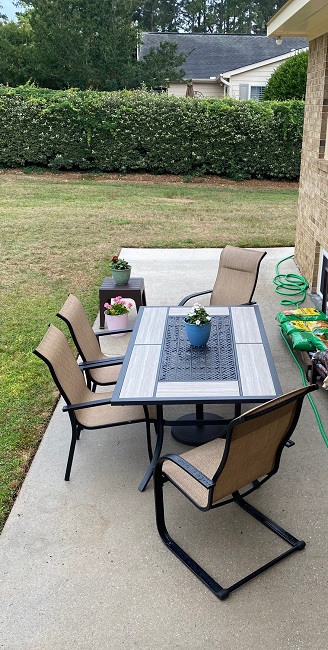
Yet unadorned with no potted flowers or decorations nearby, this humble space is beginning to become my spot. For there in the screened porch warmed by the sun, I can once again read, take notes, ponder, and create.

At least until the pollen season gets in full swing, painting everything yellow. Achoo!

Then we all head indoors until we can spray and wash everything before resuming our outdoor life.

Where is your spot? Do you go there often?

In health –

Deidre

Stuffed French Toast – A Different Kind of Yum!

Before you entertain visions of thick sliced bakery bread cleverly slit open and stuffed with a fluffy, cheesy, sweet cloud of decadence … hold it right there. We are going in an entirely different direction.

Think yummy, eggy French toast topped with savory goodness.

Think making it the night before, if you wish, so there’s only the baking to be done the next morning.

Think enjoying the leftovers the next day with no effort!!!

Yes!

Best of all, it’s a ‘concept recipe’ that’s easily adaptable to ingredients on hand.

We’ve developed a saying at home to describe using the last dab of anything. We call it ‘community service.’

We are performing an act of community service when we eat that last piece of cheese, drink that last half-glass of kombucha from the bottle, or heat up that half-bowl of soup languishing in the refrigerator.

When preparing this week’s version of Stuffed French Toast, I used the last four okra, looking for a home. The week before, there were a few seasoned oven-roasted potato wedges that were put to good use.

As you look over this concept recipe, imagine how you might adapt the ingredients to what you have on hand.

Stuffed French Toast

Grease a baking dish sized to fit a single layer of the bread component.

Place slices of bread at the bottom of the dish to cover the entire area. Sourdough is our bread of choice.

In a sauté pan, crumble and cook ground breakfast sausage. For a square 8–9-inch glass pan, I used 1/2-pound ground sausage.

When the sausage is almost cooked, add some diced onion, maybe bell pepper, mushrooms, fresh okra (oh, yes!), cut up leftover roasted or baked potatoes, or anything else that suits you and might assist in community service.

Continue to cook and brown the mixture until the sausage is cooked, the onion becomes translucent, and the veggies begin to brown.

Meanwhile, in a medium bowl, whisk eggs, a dollop of heavy cream (half and half will do, but the heavy cream is the yummiest – having said that, you can ‘thin’ the heavy cream with water if more fluid is needed). Season with salt and pepper. For the square baking dish, I used six eggs.

Spread the sausage and vegetable mixture over the bread layer. If desired, sprinkle grated cheese on top.

Pour the egg mixture evenly over the top.

At this point, you can cover and refrigerate this overnight or put it into a preheated 350-degree oven and bake for 30-35 minutes or until a knife comes out clean.

Download the recipe here:

The square pan made four servings – two for now and two for later! I left it in the oven a few minutes too long and things got a bit browner than I had wanted, but we both agreed that it was a yummy breakfast!

Now, that’s community service in the kitchen at its finest!

In health –

Deidre

Next week, I will post the results of my following my own advice: how I found energy and a mindset that changed the path of my day. Make sure to subscribe to foodtalk4you so you will not miss a single post delivered directly to your in-box Tuesday mornings!

Caregiver Confessions

Note: Make sure to read until the end to catch an important tweak to last week’s Cottage Cheese Blueberry Bake.

This week’s post is a confession – or, more accurately – a sharing of a recent revelation.

In the final editing process for the content in my next book, Toolkit for Caregiver Emotions, I am making sure to mention, those who are short-term caregivers might experience the same mindsets and emotions experienced by those who are long-term caregivers.

Hah! Little did I know I was going to be a short-term caregiver, who would experience some of those same things.

My sweetheart just had hip replacement surgery. We’re looking at a six-to-eight-week standard recovery for general mobility issues.

Meh. No big deal, right?

Caring for someone with post-op pain concerns, decreased mobility, and who uses a walker along with other adaptive equipment is not the biggest hurdle ever for me.

I found, however, that my role as the primary caregiver, helping with activities of daily living, (such as bathing, dressing, and bathroom needs) – along with managing a variety of new temporary medications – quickly put me at risk of falling into a mindset of self-neglect.

Granted, there are no raging, random caregiver emotions here. The first two to three days post-op were hard on both of us – it’s a shared experience – but as I observed myself, it was easy to see self-neglect wiggle its tenacles into my day.

As we both experienced for the first time all the hip replacement concerns – the ice pack apparatus, careful spacing of pain meds, frequent transfer concerns with bed/chair, home exercises, movement restrictions, and dealing with the side effects of medications – we were both frequently exhausted.

Then it happened.

“My sweetheart is all set now; I’m just going to rest – I can skip my shower and my daily vitamins.”

In those first two days, I think such a mindset is normal. The importance of caregiving being a priority is evident as our kitchen island has been taken over by medical paperwork, and a row of short-term medications serves as a reminder to administer them on time.

But, dear caregivers, going beyond that initial adjustment period with self-neglect is not healthy.

Remember, there are two patients in any caregiving situation – the person giving the care and the person receiving the care. Ignore the needs of the first one and the needs of the second one might not get met because the first one may have collapsed!

If your adjustment period is not getting better – as ours did, thankfully – then it’s time to call in for help. Use those offers of assistance to free up time for your daily selfcare.

Next week, I’ll be sharing another breakfast casserole recipe that was easy to prepare in advance and gave us a fresh-from-the-oven treat this morning – no big clean up – and a promise of another easy meal the next day.

Speaking of recipes – as I prepared that Cottage Cheese Blueberry Bake again this week, I paused after stirring the ingredients a final time. Hmmm. Wasn’t there oatmeal in the version I baked the first time? Friends, caregiver brain is a real thing. Yes – please add one cup of uncooked oatmeal to that recipe. Apologies for any inconvenience or recipe “flops.” Sheree is reposting the downloadable corrected recipe below.

In health and healing –

Deidre

We love receiving your comments when foodtalk4you resonates with you. Thanks for alerting us if there is a malfunction in any links that are shared. We are here to help and to shine a light on topics that can boost the health we are all designed to enjoy. Thank you for subscribing!

New Year With A Better You

Here we are. Decorations are still up, and anticipation is in our hearts for the New Year.

I hope there is a special sparkle in the air for you.

Many of us well-seasoned adults can even grab hold of that pure childlike awe and wonder from time to time throughout the holiday season – that is, if we are not in the throes of grief, strife, or trauma.

Speaking with a friend recently, I was reminded how the second year of grief can be even worse than the first.

The first year after a grief, we find ourselves stumping along, mostly numb, just going through the motions as we mark ‘the firsts’ – first birthday, first anniversary, first Thanksgiving, first holidays – first everything without whomever or whatever we lost.

If that was not hard enough, we sort of wake up in the second year to the new reality of our situation, and the hurt changes to something much more real, painful, and permanent.

We often hear about “getting over” something – which creates an image of sucking up, chest out, marching boldly forth, oblivious to our past pain – but should that be our goal?

Trauma of any kind affects our total mind, body, and spirit long after the event.

What we are discovering is that resilience and personal growth come when we stop fighting to get over something, and start discovering what lessons those experiences are imparting, that will carry us forward into the future.

Which returns us to the concepts from the December 3rd post: Before releasing something, we need to embrace it first.

Embrace to acknowledge, authenticate, and validate what was experienced. Then we release the pain, taking with us the lessons learned, and then filling our spirits with freshness to recharge.

Even missed opportunities can be processed this way – they are not failures and do not need to negatively color our self-esteem. They can show us where our boundaries are and where we need to grow.

When the cloud of trauma lifts, we feel light and liberated. It can feel like magic when that happens, but it is a process and a lifelong journey.

Use New Year’s Eve as a starting point for exploring lessons learned and how those lessons will help you take your next steps into the new year.

Are you filling up your blessings jar? I am, and I am looking forward to the certain magic that comes when I dump my 2024 blessings out on the table to relive each one in the early New Year!

Now, that’s magic!

In health –

Deidre  

PS- While printing costs are now higher for the latest full color edition of Toolkit for Caregivers, I have reduced the price to make it easier for family caregivers to buy. Spread the love by sharing this link, or better yet, buy it for someone else who could benefit from the helpful information. Thanks.

Five Golden Rings

Hallmark reverie!

This is a month of tidbits for me.

Taking an inspiration from one resource, Karl Moore’s, The 18 Rules of Happiness, and symbolically throwing it up in the air to see what it latches onto, is my Modis operandi right now.

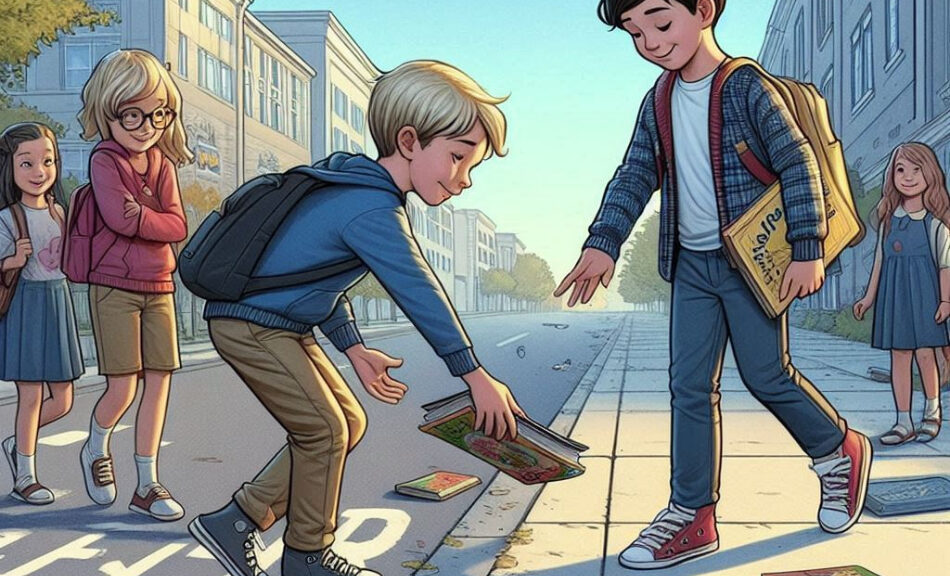
After amplifying his rule #5 of, “Learning to let go,” in last week’s post, I wanted to touch upon Rule #6, “Do Random Acts of Kindness,” for this week.

Since it’s December, it’s easy to think of Secret Santa names being drawn out of a hat at the office or perhaps in your large family. But that’s assigned giving.

We’re talking about random acts of kindness.

Then, I remembered a recent Hallmark movie in which the main character repurposes five holiday greeting cards. Originally purchased to give to her now ex-boyfriend, she used those cards to send thanks and appreciation to five individuals from her past.

Not totally random, but to the recipients opening the card from someone they hadn’t seen for years seemed random – or unexpected, at least.

Close enough.

So, I’m throwing out a challenge.

Before this month is out, let’s all find five opportunities to do a random act of kindness.

Whether you pay it forward in line at the drive through or send a sincere note of thanks in snail mail to someone you haven’t seen in a long while. Find an opportunity to brighten five people’s lives in an unexpected, or random, way.

We’ll be sending out those five goldens rings referenced in that familiar song, The Twelve Days of Christmas.

Just image those five golden rings – each creating ripples of joy, gratitude, and hope.

What could be better?

In health –

Deidre

PS – you could take this idea to another level by involving your children or grandchildren and getting together to compare notes about giving successes. Could be a great teaching tool. Some of the deepest satisfaction from giving, though, is keeping it one-on-one and not seeking fame for your kindness.